Why Ocean Beaches and Dunes Are Off Limits
It’s a common daydream for many ATV and UTV enthusiasts: the wind in your hair, the roar of the engine, and the wide-open expanse of a Massachusetts ocean beach or a sweeping dune field. The image of tearing across the sand, waves crashing nearby, holds a powerful allure. However, the reality in the Bay State is starkly different from this fantasy, and many riders find themselves frustrated or confused when they learn that ocean beaches and dunes are, with extremely rare exceptions, strictly off-limits to off-highway vehicles. This guide will dive deep into why Massachusetts has such stringent rules, exploring the environmental, ecological, and legal reasons behind these prohibitions, and explaining the consequences of ignoring them.
The Lure of the Coastline: Why Riders Are Drawn to Beaches and Dunes
There's no denying the magnetic pull of the ocean, and for those who love the thrill of off-road riding, the idea of combining both passions is incredibly appealing. It’s a vision often seen in media or experienced in certain, less regulated areas outside of Massachusetts, creating a powerful misconception about what’s permissible here.
The Appeal of Open Spaces and Scenic Views
Imagine it: the salty air, the expansive horizon, the rhythmic crash of waves, and what appears to be an endless, untouched landscape. For many, this evokes a sense of freedom and adventure that seems perfectly suited for an ATV or UTV. The flat, open stretches of hard-packed sand at low tide can look like a custom-made racetrack, while the rolling dunes present an enticing challenge, an invitation to conquer natural obstacles. The sheer beauty and unique topography of coastal environments are undeniably captivating, and it's easy to see why a rider might look at such a scene and picture their machine effortlessly navigating it. It feels like the ultimate escape, far from crowded trails and noisy roads, offering a unique blend of adrenaline and natural splendor. However, this perception of an "open" space often overlooks the unseen life and delicate balance that make these ecosystems so special and vulnerable.
Misconceptions from Other States or Media
A significant part of the confusion stems from what riders might see or hear from other places. Some states, particularly in the south or west, do have designated areas where beach riding is permitted, often within specific recreational zones or for certain purposes. You might see thrilling videos online of people riding their custom SuperATV equipped machines on vast stretches of sand, and naturally assume that such activities are universally allowed. Furthermore, media – movies, commercials, or even travel shows – sometimes portray off-road vehicles on beaches without specifying location or legality. This constant visual reinforcement can create a false impression that beach riding is a common, accepted part of the off-road lifestyle, regardless of local regulations. What works in, say, Florida or Oregon, often doesn't translate to the heavily protected and densely populated coastlines of Massachusetts, where environmental sensitivity is paramount. [Massachusetts Has No Street Legal Path] for these machines, let alone beach access.
The Environmental and Ecological Imperative: Protecting Fragile Ecosystems
Massachusetts's coastline is not just a scenic backdrop; it's a vital, dynamic ecosystem that provides critical habitats, natural defenses against storms, and a delicate balance of life that can be easily disrupted. The laws prohibiting OHVs from beaches and dunes are rooted deeply in scientific understanding of these environments.
Dunes as Natural Barriers and Wildlife Habitats
Coastal dunes are far more than just piles of sand; they are crucial natural barriers that protect inland communities and ecosystems from the destructive forces of storms, hurricanes, and rising sea levels. Their complex root systems, formed by specialized grasses like Marram grass, hold the sand in place, preventing erosion and acting as a living levee. When ATVs or UTVs traverse these dunes, their tires churn and displace the sand, tearing up the vital vegetation. This destabilizes the dune structure, making it far more susceptible to wind and water erosion. Once a dune's integrity is compromised, it loses its ability to protect the land behind it, leaving homes, roads, and freshwater marshes vulnerable. Beyond their role as storm buffers, dunes are also critical habitats for a unique array of wildlife. Birds like the Piping Plover and Least Tern, both protected species, nest on the upper beaches and in the dunes, their camouflaged eggs and chicks easily crushed by vehicles. Small mammals, insects, and specialized plants also call these dunes home, relying on the undisturbed environment for their survival. The tracks left by a single vehicle can destroy nests, compact burrows, and fragment habitats, leading to long-term ecological damage.
Beach Erosion and Coastal Resilience
Massachusetts's coastline is in a constant state of flux, shaped by tides, currents, and storms. Beach erosion is a persistent challenge, and human activities can significantly accelerate this natural process. ATVs and UTVs, particularly when driven on soft sand or during high tides, contribute directly to erosion by disturbing the beach profile and compacting the sand. The repetitive motion of tires can create ruts that channel water, exacerbating erosion during storm events. This isn't just an aesthetic problem; a healthy, wide beach acts as the first line of defense against coastal storms, dissipating wave energy and protecting dunes and bluffs further inland. Every grain of sand moved or compacted by a vehicle reduces the beach’s natural resilience, making it more vulnerable to future weather events. Protecting our beaches is crucial for the long-term health of our coastal communities and the vast economic benefits they provide through tourism and fishing. Even if you've got a SuperATV lift kit and aggressive tires, the sheer weight and force of an OHV on loose sand can cause irreversible damage.
Impact on Coastal Flora and Fauna
The seemingly barren expanse of a beach and dune system is teeming with life, much of it microscopic or well-camouflaged. Specialized plants, like beach grass and sea rocket, are adapted to thrive in harsh, salty conditions and play a crucial role in stabilizing the sand. Vehicle tires can crush these plants, preventing them from establishing the root networks vital for dune building. Invertebrates such as sand fleas, crabs, and various species of worms live just beneath the surface, forming the base of the coastal food web. Driving over these areas can decimate their populations, impacting the birds and fish that feed on them. Migratory birds rely on undisturbed beaches for resting and foraging during their epic journeys. When vehicles disrupt these areas, birds are flushed from their feeding grounds, expending critical energy and potentially impacting their survival. The subtle, yet pervasive, impact of OHVs can cascade through the entire ecosystem, affecting everything from microscopic organisms to large marine animals that depend on a healthy coastal environment.
Massachusetts Laws and Regulations: What Chapter 90B Says
It's not just about environmental concerns; it's about the law. Massachusetts has clear, specific statutes that prohibit the use of off-highway vehicles on ocean beaches and dunes, making it a legal issue with tangible consequences.
Explicit Prohibition on Ocean Beaches and Dunes
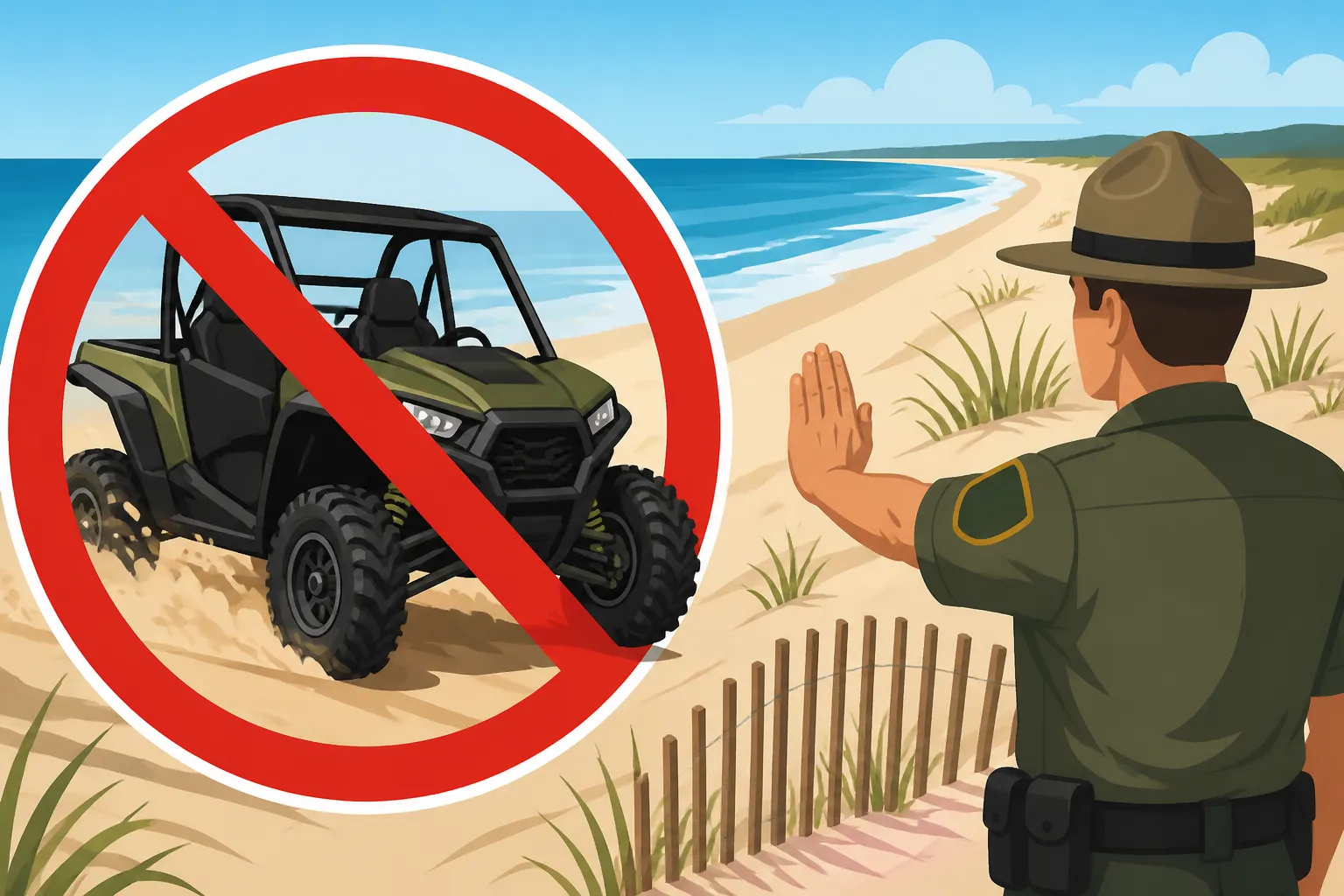
The legal framework governing ATVs and UTVs in Massachusetts is primarily found under [Massachusetts ATV Laws Under Chapter 90B]. This chapter explicitly details where these machines can and cannot operate. When it comes to coastal areas, the law is unambiguous: riding on ocean beaches and coastal dunes is generally prohibited. This prohibition is not open to interpretation for recreational riders. The state recognizes the unique vulnerability of these areas and has legislated to protect them. There are some very limited exceptions, such as for authorized emergency vehicles, commercial fishing operations with specific permits, or government vehicles performing official duties (like beach maintenance or scientific research). However, for the average recreational rider, the answer is a resounding "no." This applies to all types of machines, whether you're on a small quad or a powerful SuperATV UTV. This means that even if you have proper registration, a safety certificate, and all the right gear, the location itself is illegal.
Penalties for Violations
Ignoring these laws can lead to significant repercussions that go far beyond a simple warning. The Massachusetts Environmental Police are the primary enforcement agency for OHV laws, and they take violations very seriously, particularly those that threaten sensitive ecosystems. Penalties can include:
- Fines: You can expect substantial monetary fines for operating an OHV on a prohibited beach or dune. These fines are designed to be a deterrent and can quickly add up.
- Machine Seizure: In severe or repeated cases, your ATV or UTV can be seized by the Environmental Police. Retrieving your machine can involve legal fees, storage costs, and a lengthy process, if it's returned at all.
- Court Appearances: You may be required to appear in district court to address the violation, which can be time-consuming and costly.
- Restitution for Damages: If your riding caused demonstrable damage to the environment, such as destroying vegetation or impacting nesting sites, you could be held liable for restitution to cover the costs of environmental restoration.
- Criminal Charges: In egregious cases, particularly involving intentional destruction or repeated offenses, criminal charges could be brought.
The financial and legal consequences far outweigh the fleeting thrill of an illegal beach ride. It's crucial for riders to understand that the Environmental Police are vigilant in patrolling coastal areas, especially during nesting seasons for protected birds.
| Violation Type | Potential Consequence 1 | Potential Consequence 2 | Additional Considerations |
|---|---|---|---|
| Operating OHV on Beach/Dune | Monetary Fines | Machine Seizure | Can be substantial, multiple offenses |
| Environmental Damage (e.g., nesting) | Restitution | Criminal Charges (severe) | Costs for habitat restoration |
| Repeated Violations | Increased Fines | Permanent Machine Seizure | Loss of riding privileges |
Permitted Coastal Access (if any)
While recreational OHV riding is broadly prohibited on Massachusetts ocean beaches and dunes, it's worth noting the narrow exceptions. As mentioned, these typically involve official duties. For instance, municipalities may use utility vehicles for beach cleaning or maintenance, provided they have the necessary permits and operate within designated zones and times. Coastal scientists or conservation organizations might use specialized, low-impact vehicles for research or habitat restoration, again under strict permits. Commercial shell fishermen might be allowed limited access to certain tidal flats or beaches for harvesting during specific seasons, often with highly restricted routes and vehicle types. These exceptions are meticulously regulated, often requiring special permits, specific vehicle types, and adherence to strict protocols to minimize environmental impact. They are by no means an open invitation for recreational riders to join in, nor do they create a loophole. The vast majority of riders will never qualify for such access.
Why These Laws Are Strictly Enforced in Massachusetts
The strict enforcement of OHV laws in Massachusetts, particularly concerning coastal areas, isn't arbitrary. It's a reflection of the state's commitment to environmental protection, public safety, and the long-term health of its natural resources.
The Role of the Environmental Police
The Massachusetts Environmental Police (MEP) are the primary authority responsible for enforcing the state's OHV laws, a distinction that sets them apart from the Registry of Motor Vehicles (RMV). Unlike many states where vehicle registration falls under the general motor vehicle department, [Why the Environmental Police Register ATVs, Not the RMV] in Massachusetts is a strategic choice. The MEP officers are specifically trained in environmental protection, conservation law, and the unique challenges of natural resource management. They understand the delicate ecosystems of beaches and dunes and are equipped to identify violations and assess environmental damage. Their patrols often cover remote and sensitive areas, and they are authorized to issue citations, levy fines, and even seize machines when necessary. They are not merely looking for speeding tickets; they are protecting the very fabric of the state's natural heritage. Riders can expect MEP officers to be knowledgeable about the ecological impacts of OHVs and to enforce the laws with that understanding.
Public Safety and Shared Use Areas
Massachusetts's beaches are incredibly popular destinations for residents and tourists alike. They are enjoyed by swimmers, sunbathers, walkers, birdwatchers, and families. Introducing fast-moving, potentially noisy off-highway vehicles into these shared public spaces would create significant public safety hazards. Collisions between OHVs and pedestrians, especially children, would be a constant risk. The peace and tranquility that many seek at the beach would be shattered by engine noise. The laws against OHV use on beaches are also a matter of public access and enjoyment; they ensure that these invaluable natural resources remain safe and enjoyable for everyone, without the conflict and danger posed by recreational vehicles. This is particularly true in densely populated coastal areas where user conflicts would be almost inevitable.
Community Expectations and Conservation Efforts
There's a strong public sentiment in Massachusetts for protecting its natural beauty and preserving its environment. Coastal communities, conservation groups, and the general public often advocate fiercely for policies that safeguard beaches and dunes. These laws reflect a broader societal value placed on environmental stewardship and responsible recreation. When riders choose to violate these prohibitions, they not only break the law but also go against the collective effort to conserve these precious resources. Local towns often have their own bylaws that reinforce state regulations, and community members are often vigilant in reporting illegal activity to the authorities. The continuous work of organizations and volunteers to stabilize dunes, monitor wildlife, and clean beaches further highlights the importance of keeping these areas undisturbed by vehicular traffic. It's a testament to the fact that these aren't just legal restrictions; they're an expression of community values.
Finding Legal Riding Opportunities in Massachusetts
While the dream of beach riding in Massachusetts remains just that – a dream – there are still fantastic, legal ways to enjoy your ATV or UTV in the Bay State. The key is knowing where to go and adhering to the rules designed to protect both riders and the environment.
Designated OHV Trails
Massachusetts offers a network of designated OHV trails, primarily within specific state forests managed by the Department of Conservation and Recreation (DCR). These trails are designed to accommodate ATVs, UTVs, and dirt bikes, offering diverse terrain and a challenging, rewarding riding experience. Popular spots include [Beartown State Forest Riding in Massachusetts], [October Mountain State Forest Riding in Massachusetts], and [Pittsfield State Forest Riding in Massachusetts]. These trails are typically open seasonally, usually from May through November, to protect them from winter damage and nesting wildlife.
To ride on these trails, you'll need a properly [Massachusetts Two-Year OHV Registration] for residents or a [Massachusetts Non-Resident OHV Registration] for visitors. Your machine must meet specific equipment requirements, including a spark arrester and proper muffling. Riders under 18 also typically need to have completed an [Massachusetts Two-Part Safety Course] and carry their safety certificate. Always check the DCR website for the most current information on trail conditions, closures, and any specific permits that might be required, especially for visiting riders or larger groups. The DCR trails provide a legitimate, fun, and sustainable way to enjoy your machine. Even if you have a powerful SuperATV winch or a custom suspension, remember these trails are rated for experience levels, so choose wisely.
Private Land with Permission
Another legal option is to ride on private land, provided you have explicit, written permission from the landowner. This is a critical point: verbal permission is not enough, and riding on private land without permission constitutes trespassing, which can lead to legal trouble and fines. When seeking permission, approach landowners respectfully, explain your intentions, and assure them you will leave no trace. Be prepared to show them your machine is registered and that you understand and will follow all safety rules. Some farmers or large property owners might even welcome responsible riders, especially if they need help with property maintenance or trail clearing. Always carry a copy of the written permission with you whenever you ride on private property. [Massachusetts Requires Written Permission] from landowners, which is an important safeguard for both you and the property owner.
Considering Other States with Different Rules
While the focus here is on Massachusetts, it’s true that some neighboring states, or those further afield, may have different regulations regarding OHV use, including potentially allowing limited beach access. For example, some areas in Maine or New Hampshire might offer different types of riding experiences, though beach riding is still generally restricted even there. If you're passionate about a specific type of riding that isn't available in Massachusetts, researching laws in other states could be an option. However, always ensure you fully understand and comply with their specific registration, insurance, and operating laws before you ever trailer your machine across state lines. [Massachusetts Has No Reciprocity for Visitors], meaning your MA sticker isn't valid elsewhere, and their stickers aren't valid here. This diligence is crucial to avoid legal issues, regardless of where you choose to ride. For a [Massachusetts Registration for a Visiting Rider], you'll still need to get a specific sticker here.
In conclusion, while the allure of riding ATVs and UTVs on Massachusetts ocean beaches and dunes is understandable, the environmental realities, specific legal prohibitions under Chapter 90B, and the strict enforcement by the Environmental Police make it a non-starter for recreational riders. The state prioritizes the protection of its fragile coastal ecosystems and the safety of all public land users. By understanding these critical distinctions and focusing on the many legal and enjoyable riding opportunities available on designated trails and private land with permission, riders can continue to pursue their passion responsibly and in harmony with Massachusetts's beautiful natural environment.
Disclaimer
This article is for general informational purposes only and does not constitute professional advice. Laws, prices and regulations vary by location and change over time. Consult a qualified professional for guidance on your specific situation.