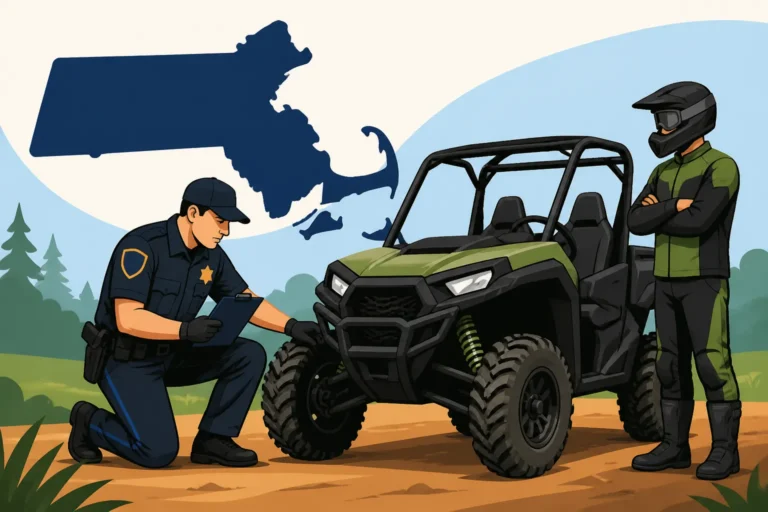
Dunes You May Not Damage
Many Bay State ATV and UTV enthusiasts dream of riding along the beautiful coastline, feeling the salt spray and the sand beneath their tires. But the reality is, Massachusetts has strict rules about where you can take your machine, especially when it comes to delicate coastal ecosystems. This guide will clarify why certain areas, like dunes and beaches, are off-limits and what you need to know to avoid penalties, ensuring your passion for off-roading respects our state's natural beauty.
The Fragile Beauty of Massachusetts Coastal Ecosystems
Our coastline in Massachusetts is a truly special place, a vibrant intersection of land and sea that supports an incredible diversity of life. From the iconic sandy beaches to the hidden salt marshes and the towering protective dunes, each part plays a crucial role in maintaining ecological balance and protecting our communities. When we talk about off-highway vehicles (OHVs), understanding this fragility is key to responsible riding.
These coastal areas aren't just pretty to look at; they're dynamic environments constantly shaped by wind, waves, and tides. Dunes, for instance, are natural barriers that protect inland areas from storm surges and erosion. They're held together by specialized vegetation, like beach grass, whose root systems stabilize the sand. Even seemingly small disturbances, like a tire track, can break these root systems, leading to significant erosion and making the dunes vulnerable to collapse.
Salt marshes are equally vital. These wetlands act as natural filters, cleaning pollutants from water runoff before it reaches the ocean. They also provide critical nursery habitats for countless fish, shellfish, and bird species. The delicate balance of tidal flow and specific plant life in these marshes can be easily disrupted by the weight and disturbance of an ATV or UTV, impacting the entire ecosystem. It's a chain reaction, where one seemingly minor action can have widespread consequences for the environment, affecting everything from local wildlife to the quality of our seafood.
Massachusetts Laws Against Riding on Beaches and Dunes
When it comes to protecting these precious coastal areas, Massachusetts law is quite clear and strict. It's not just a suggestion; it's a legal mandate that OHVs are generally prohibited from operating on beaches, dunes, and salt marshes. The primary legislation governing ATVs and UTVs in the Commonwealth, Massachusetts General Laws Chapter 90B, specifically addresses this, aiming to prevent environmental damage and ensure public safety.
The Environmental Police, who are responsible for enforcing these regulations, take violations seriously. Their focus is on preserving the natural resources that make Massachusetts so unique. Riding an ATV or UTV on a protected beach or dune is considered an act of environmental damage, with potential for significant fines and other penalties. They're looking to protect these areas for everyone, and that means keeping motorized vehicles off sensitive lands.
It's important to understand that "beach" and "dune" aren't loosely defined terms. They encompass the entire system, from the high tide line through the vegetated dunes, and often include adjacent wetlands like salt marshes. Even if an area looks like open sand, if it's part of a coastal ecosystem, it's almost certainly off-limits. If you're ever unsure about a specific location, the safest bet is always to assume it's prohibited unless explicitly marked as an authorized riding area—which, for coastal areas, is exceptionally rare. You can learn more about [Where Massachusetts Law Says You May Not Ride] in other helpful guides.
Why Coastal Areas Are Restricted
The reasons behind these restrictions are deeply rooted in environmental protection and public safety. Dunes are particularly vulnerable. As mentioned, the vegetation that holds them together is easily damaged by tires. Once that protective layer is compromised, the wind and water can quickly erode the sand, leading to dune migration or even complete destruction. This not only harms the unique plant and animal life that depend on these habitats but also removes a natural buffer that protects homes, roads, and infrastructure from coastal storms.
Beyond erosion, OHV use in these areas can disturb nesting shorebirds, like the endangered Piping Plover, and disrupt the delicate balance of other wildlife. The noise, exhaust fumes, and physical presence of machines can cause stress, disrupt foraging patterns, and even lead to abandonment of nests or breeding grounds. It's not just about what you see; it's about the entire ecosystem below the surface, including tiny organisms that form the base of the food chain.
Think about it this way: coastal ecosystems are like a finely tuned instrument. Every component plays a part, and introducing an uncontrolled element like an OHV can throw the whole system out of whack. The state's environmental regulations are designed to minimize human impact in these sensitive zones, preserving them for future generations and the myriad species that call them home. These laws are an essential part of what makes our coastal areas so resilient, yet so fragile.
Understanding the Term "Damage"
The term "damage" in the context of coastal riding laws goes far beyond just a visible dent or a broken plant. It encompasses any action that degrades the natural state or ecological function of the area. This can include, but isn't limited to:
- Erosion: Causing sand to shift, creating ruts, or destabilizing dune structures.
- Vegetation Destruction: Crushing beach grass, disturbing marsh plants, or uprooting fragile coastal flora.
- Wildlife Disturbance: Frightening nesting birds, disrupting marine life, or impacting feeding grounds.
- Pollution: Leaking fluids (oil, gas), leaving trash, or introducing non-native materials.
- Soil Compaction: Hardening the sand or soil, making it difficult for plants to grow or for animals to burrow.
Even if you don't intend to cause harm, simply driving an OHV over these areas is considered damage because of the inherent impact of the machine on such a sensitive environment. It's a strict liability approach: if your machine is found in a prohibited coastal zone, the damage is presumed because the act itself is prohibited. The Environmental Police aren't necessarily looking for malicious intent; they're looking to protect the land. This means that a casual ride on what looks like an empty stretch of beach could still lead to serious repercussions.
Consequences of Ignoring Coastal Riding Rules
The allure of riding an OHV on a wide-open beach might be tempting, but the legal and environmental consequences in Massachusetts are severe. The state takes its environmental protection seriously, and violations of coastal riding laws can result in significant penalties that far outweigh any momentary thrill. It's not just a slap on the wrist; these are real fines and potential legal issues that can impact your wallet and your riding privileges.
When an Environmental Police Officer observes an OHV operating in a prohibited coastal area, they have the authority to issue citations, impound the machine, and initiate legal proceedings. The goal isn't just to punish, but to deter future violations and protect the vulnerable ecosystems from further harm. Knowing these potential outcomes beforehand can help riders make responsible choices and stick to designated trails. Our officers are always ready to address [Massachusetts Penalties for Illegal Riding].
Fines and Court Appearances
If you're caught riding an ATV or UTV on a Massachusetts beach, dune, or salt marsh, you can expect to face substantial monetary fines. These fines are often set to be deterrents, reflecting the serious nature of environmental damage. While specific amounts can vary depending on the severity of the offense, repeat offenses, and the discretion of the enforcing officer or court, they are typically in the hundreds of dollars, if not more. This isn't just a minor traffic ticket; it's a serious violation.
Beyond the initial fine, you may also be required to appear in district court. A court appearance means taking time off work, potential legal fees if you choose to hire an attorney, and the added stress of a formal legal process. The court may impose additional penalties, such as requiring you to pay for environmental restoration efforts or even ordering community service. It's a far cry from a leisurely day of riding and can turn into a significant financial and personal burden.
It's also worth remembering that these citations often become part of your record. While not necessarily a motor vehicle offense that impacts your driver's license, it can still be viewed negatively in other contexts, such as future applications for permits or even some types of employment. The goal of enforcement is not to ruin lives, but to protect Massachusetts' precious natural resources from preventable damage.
Impoundment and Recovery Fees
One of the most immediate and impactful consequences of riding in a prohibited coastal area is the potential impoundment of your ATV or UTV. Environmental Police officers have the authority to seize your machine on the spot if it's being operated illegally. This means your day of riding comes to an abrupt and costly end. The impoundment process involves towing your machine to a designated lot, where it will remain until you can satisfy the legal requirements for its release.
Getting your machine back from impoundment is rarely a simple or inexpensive process. You'll likely be responsible for significant towing fees, daily storage fees, and any administrative charges imposed by the impounding agency. These costs can quickly add up, easily surpassing the initial fine for the violation itself. Imagine paying hundreds, or even thousands, of dollars just to retrieve your machine, all because of a decision to ride where you shouldn't.
Furthermore, the process of recovering your impounded machine can be time-consuming and frustrating. It often requires navigating bureaucratic procedures, proving ownership, and demonstrating that all fines and fees have been paid. This hassle, combined with the financial strain, serves as a stark reminder of why adhering to designated riding areas is so crucial. It’s far better to invest in the legal registration for your machine, which is required, than to deal with impoundment. Your [Massachusetts OHV Registration Cost] is a small price to pay for peace of mind.
Where to Ride Legally and Responsibly in Massachusetts
While coastal riding is largely off-limits, Massachusetts does offer opportunities for ATV and UTV enthusiasts to enjoy their machines responsibly and legally. The key is to know where you're allowed to ride and to always respect the rules of the trail and the environment. Focusing on designated trail systems not only keeps you out of trouble but also supports the continued development and maintenance of these valuable resources.
The majority of legal OHV riding in Massachusetts occurs within specific state forests managed by the Department of Conservation and Recreation (DCR). These areas have designated trails that are maintained for motorized use, designed to minimize environmental impact, and provide a safe riding experience. For residents, it's essential to have your machine properly registered. You can find out more about [Massachusetts Two-Year OHV Registration] or, if you're visiting, get information on a [Massachusetts Non-Resident OHV Registration].
Beyond public lands, private property can also be an option, but only with explicit written permission from the landowner. Never assume that unposted private land is open for riding. Respecting private property rights is just as important as respecting public land regulations. Always plan your rides, check trail conditions, and ensure your machine is in good working order before heading out.
State Forests and Designated Trails
Massachusetts boasts a few excellent state forests that offer miles of designated trails specifically for ATVs and UTVs. These include popular spots in the western part of the state, such as Beartown State Forest, October Mountain State Forest, and Pittsfield State Forest. These trails are managed to provide a variety of terrain and difficulty levels, offering something for almost every rider.
Before you head out, it's crucial to check the DCR website or contact the specific forest office for the most up-to-date information on trail status, operating hours, and any specific regulations. Trails can close due to weather conditions, maintenance, or other factors, and showing up to a closed trail can be a frustrating and wasted trip. Always make sure your machine has the proper [Massachusetts Decal Placement Rules] before you hit the trails.
When riding on these designated trails, practice good trail etiquette. Stay on marked trails, control your speed, and yield to other users, especially hikers and horseback riders. Remember, these shared-use trails are a privilege, not a right, and responsible behavior ensures they remain open for all to enjoy. [Massachusetts ATV Trails: Three Berkshire Forests] provides more detail on these specific locations.
Private Land with Permission
Riding on private land can be a fantastic option, offering more flexibility and often less crowded conditions than public trails. However, this is only permissible if you have explicit, written permission from the landowner. Verbal permission is often not enough, as misunderstandings can arise, and written documentation provides clarity and protection for both you and the property owner. [Massachusetts Landowner Permission in Writing] explains this in more detail.
When seeking permission, be prepared to discuss your riding plans, the type of machine you'll be using, and how you'll ensure minimal impact on their property. Landowners are often concerned about liability, property damage, and noise, so addressing these concerns proactively can increase your chances of getting approval. Consider offering to help with light chores or trail maintenance as a gesture of goodwill.
Always respect the landowner's wishes regarding where and when you can ride. Stick to agreed-upon routes, avoid sensitive areas like wetlands or newly planted fields, and leave no trace behind. Building a good relationship with a private landowner can provide a valuable riding opportunity, but it requires trust and responsible behavior on your part. This is also where investing in quality, durable parts from a brand like SuperATV can help, as reliable components mean less chance of breakdowns or fluid leaks on someone's property.
Equipping Your Machine for Responsible Riding
Preparing your ATV or UTV for legal and responsible riding goes beyond just having the right registration. It means ensuring your machine is well-maintained and equipped to handle the terrain without causing undue environmental impact. This includes everything from your tires to your exhaust system, all aimed at minimizing your footprint on the trails.
First and foremost, your machine should be in good mechanical order. This means no fluid leaks—oil, gas, or hydraulic fluid—which can contaminate soil and water on trails. Regular maintenance, including checking hoses, seals, and gaskets, is crucial. For durable parts and upgrades that enhance performance and reliability, many riders turn to brands like SuperATV. Their heavy-duty components, from axles to suspension kits, can help your machine stand up to the rigors of legal trail riding without faltering and potentially causing environmental damage from a breakdown.
Secondly, consider your tires. While aggressive treads are great for traction, ensure they are appropriate for the designated trails and not overly destructive to softer surfaces. A spark arrestor on your muffler is also a mandatory piece of equipment in Massachusetts, preventing stray sparks from igniting dry vegetation. Finally, always carry a small toolkit, a first-aid kit, and enough water and supplies for your ride. Being prepared means you’re less likely to need assistance and can handle minor issues without leaving debris or creating bigger problems on the trail. [Massachusetts Equipment Requirements] provides a comprehensive look at what you need.
Here's a quick overview of where you can and cannot ride your OHV in Massachusetts:
| Area Type | Legal for OHV Riding in Massachusetts? | Why (or Why Not) |
|---|---|---|
| Ocean Beaches (incl. wet/dry sand) | No | Fragile ecosystems, erosion risk, protected wildlife nesting areas (e.g., Piping Plover), public safety. |
| Coastal Dunes and Barrier Beaches | No | Critical for storm protection, easily eroded, habitat for rare plants and animals, vegetation damage is severe. |
| Salt Marshes and Wetlands | No | Vital ecosystem filters, nursery for marine life, delicate plant structures easily destroyed, water quality impact. |
| Public Roads (paved or unpaved) | No (with limited exceptions for direct crossings) | OHVs are not street legal, safety hazards for other vehicles and pedestrians. [Massachusetts Has No Street Legal Path]. |
| State Forests (Designated OHV Trails) | Yes (with valid registration) | Managed for OHV use, trails designed to minimize environmental impact, often require specific permits or access fees. |
| Private Land | Yes (with explicit written permission) | Landowner consent is paramount; responsible use required to avoid damage and nuisance. [Massachusetts Rules for Riding Private Land]. |
| Utility Line Corridors (unless marked) | Generally No | Often private land or regulated utility easements, not open to public OHV use without specific agreements. |
Disclaimer
This article is for general informational purposes only and does not constitute professional advice. Laws, prices and regulations vary by location and change over time. Consult a qualified professional for guidance on your specific situation.