Why 150 Feet From a Dwelling Matters
Riding your ATV or UTV in Massachusetts can be an incredible experience, offering access to some truly beautiful landscapes, especially in our incredible state forests. But let's be honest, navigating the rules and regulations can sometimes feel like a bigger challenge than the toughest trail. One rule that often leaves riders scratching their heads and can lead to serious headaches if misunderstood is the "150 feet from a dwelling" law. This guide aims to clear up all the confusion and help you understand exactly why this rule matters so much, so you can ride confidently and responsibly.
Understanding the 150-Foot Rule in Massachusetts
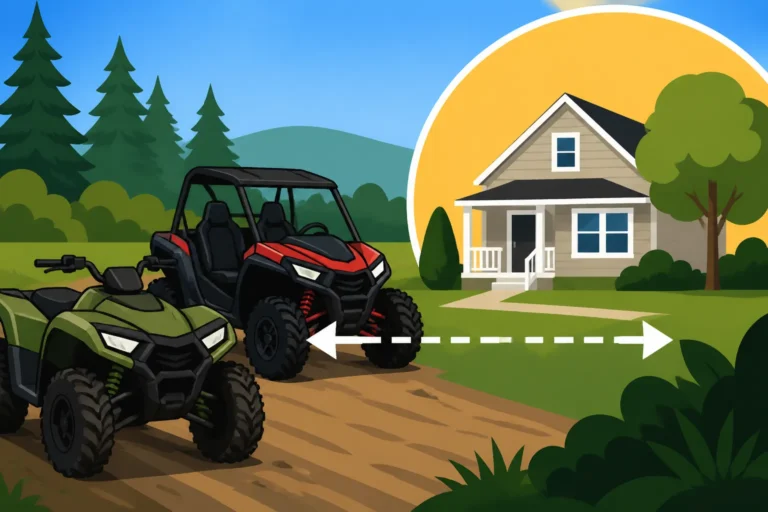
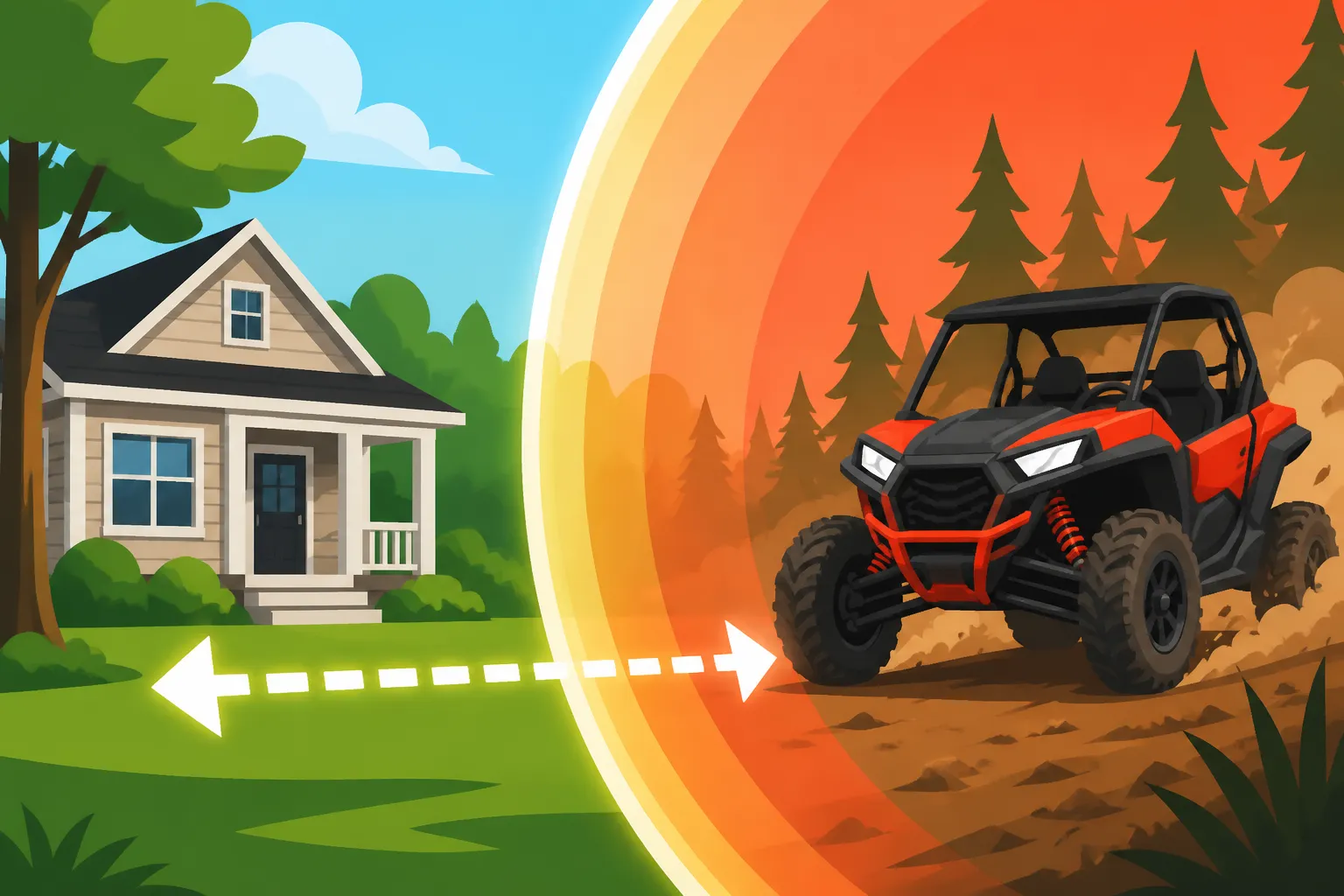
Massachusetts takes the peace and quiet of its residents seriously, and this is especially true when it comes to the operation of off-highway vehicles (OHVs) like ATVs and UTVs. The 150-foot rule is a cornerstone of responsible OHV use, designed to minimize disturbance to private residences. Essentially, it dictates that you cannot operate an ATV or UTV within 150 feet of a dwelling or "occupied residence" unless you have the express written permission of the property owner or resident. This isn't just a suggestion; it's enshrined in [Massachusetts ATV Laws Under Chapter 90B] and taken very seriously by enforcement.
Imagine you're out enjoying a beautiful afternoon ride, perhaps cutting through a woodlot that feels remote. Suddenly, you round a bend and there's a house, closer than you realized. Without that prior written permission, you're technically in violation. This rule applies whether you're on public land, private property (that isn't your own), or even accessing a trail that might run close to the edge of someone's backyard. It's a critical boundary that every rider in the Bay State needs to be acutely aware of, not just for legal compliance but for fostering good relationships within our communities.
What Constitutes a "Dwelling"
When the law talks about a "dwelling" or "occupied residence," it's generally referring to any building used for human habitation. This includes single-family homes, apartment buildings, duplexes, mobile homes, and even seasonal cabins that are currently occupied. It's not limited to year-round residences; if someone is staying there, even for a weekend, it counts. The spirit of the law is to protect the peace, privacy, and safety of people living in these structures.
It’s easy to think of "dwellings" only as obvious houses, but it’s crucial to consider all potential occupied structures. For example, a hunting camp that might seem rustic and remote could still be considered an occupied dwelling if someone is using it. It’s always safer to assume a building is occupied unless you have definitive information otherwise, especially if there are signs of recent activity like a car in the driveway or lights on. [Massachusetts Rules for Riding Near a House] are very specific, and overlooking a structure's status could lead to unwanted attention from the authorities or upset landowners.
Measuring the Distance Accurately
So, how do you actually measure 150 feet while you’re out on the trail? This is where it gets tricky, and frankly, it's one of the biggest challenges for riders. The measurement isn't from the edge of the property line, but from the actual physical structure of the dwelling itself. This means you need to gauge a distance roughly equivalent to about 50 paces or half a football field. It’s much farther than most people initially visualize when they're riding.
Tools can help, but common sense and caution are your best friends. Many riders use GPS apps on their phones or dedicated trail devices that can show property lines and dwelling locations, helping them to plot routes that stay clear. However, sometimes trails meander, and what looks clear on a map might bring you unexpectedly close. Always err on the side of caution. If there's any doubt about the distance, it's best to reroute or, even better, seek out and obtain [Written Permission in a Pocket] from the landowner well in advance. Understanding [How 150 Feet Is Measured From a Dwelling] can save you a lot of trouble.
The Role of Written Permission
The golden ticket to riding within that 150-foot boundary is explicit written permission from the landowner or resident. This isn't just a casual nod or a verbal "it's okay." The law specifically calls for written permission. This document should clearly state who is allowed to ride, what specific area or trail they are allowed to use, and for what duration. It's a formal agreement that protects both the rider and the landowner.
Having this permission in writing protects you from potential citations and misunderstandings. Without it, an Environmental Police Officer or a concerned resident has every right to stop you. Think of it like a pass or a key to that specific piece of land. It's not always easy to get, but when you do, it shows that you’ve done your due diligence and respected the property owner's rights. Many experienced riders carry a folder with all their permissions, alongside their registration card, ready to present if questioned. Always be proactive in seeking [Massachusetts Landowner Permission Forms] if your ride takes you anywhere near a dwelling.
The Rationale Behind the Dwelling Distance Law
It might seem like a hassle, but the 150-foot rule isn't arbitrary. It's a thoughtful piece of legislation designed to address very real concerns that come with OHV operation in residential areas. Massachusetts is a fairly densely populated state, even in its more rural corners, and balancing recreational use with residential peace is key to sustainable trail access. The law is really about managing the impact of OHVs on the quality of life for those living nearby.
This regulation helps mitigate potential conflicts before they escalate. Without such a rule, there could be constant friction between riders and residents, leading to more restrictive laws or even outright bans on OHV use in certain areas. It's a proactive measure to ensure that residents feel secure and undisturbed in their homes, while still allowing for responsible riding where appropriate.
Noise Pollution and Disturbance
One of the primary reasons for the 150-foot rule is noise. ATVs and UTVs, while incredibly fun to ride, can be quite loud, especially if they have aftermarket exhausts. The sound of an engine revving or tires churning can carry a long distance, especially in quiet, rural settings. This can be incredibly disruptive to residents trying to enjoy their homes, whether they're working, relaxing, or simply enjoying the natural sounds of their environment. [Massachusetts Noise Complaints About Quads] are a real thing, and they often stem from proximity to homes.
Consider a quiet Sunday morning. The last thing a homeowner wants is the constant drone of an OHV engine just beyond their tree line. This isn't just about annoyance; for some, it impacts their ability to use their own property for activities like birdwatching, gardening, or outdoor entertaining. The 150-foot buffer gives residents a zone of relative quiet, preventing intrusive noises from directly impacting their living spaces. It's a common courtesy codified into law, aimed at reducing friction between riders and non-riders.
Safety Concerns for Residents
Beyond noise, there are legitimate safety concerns that the 150-foot rule aims to address. While OHVs are designed for off-road use, accidents can and do happen. Operating heavy, powerful machines close to residential areas, especially where children or pets might be present, introduces an elevated risk. The potential for a rider losing control and inadvertently encroaching on someone's yard, or even colliding with a person or property, is a serious consideration.
The buffer zone provides an additional layer of safety, physically separating the activities of OHV riding from the immediate vicinity of homes. It reduces the chances of accidental trespass, property damage, or, in the worst-case scenario, injury. For homeowners, it offers peace of mind, knowing that motorized recreational activity isn't happening right outside their window without their explicit consent. This distance is a crucial element in ensuring public safety and maintaining community harmony.
Privacy and Quality of Life
Finally, the 150-foot rule plays a significant role in protecting the privacy and overall quality of life for Massachusetts residents. Homes are sanctuaries, and people expect a reasonable degree of privacy within and around their dwellings. Having OHVs operate very close to their property can feel intrusive, like an invasion of personal space, even if no direct harm is intended.
The constant presence of vehicles, even at a distance, can create a feeling of being observed or simply disrupt the sense of seclusion many residents value. This aspect of the law acknowledges that the peace and quiet of one's home extends beyond just noise levels; it includes visual privacy and the general tranquility of one's surroundings. By creating this buffer, the law helps preserve the residential character of neighborhoods and respects the fundamental right to enjoy one's property without undue external interference.
Practical Implications for Riders and Landowners
The 150-foot rule has very real, tangible effects on how and where ATVs and UTVs can be operated in Massachusetts. It's not just a theoretical concept; it directly influences trail planning, land access, and the relationships between the OHV community and property owners. Understanding these implications is crucial for both sides to coexist peacefully.
For riders, it means being extra vigilant about your surroundings and proactive about permissions. For landowners, it provides a legal framework to protect their property and quality of life. Ignoring these implications can lead to fines, strained community relations, and even a reduction in available riding opportunities.
Impact on Trail Access
One of the most significant impacts of the 150-foot rule is on trail access. Many trails, especially in more developed or semi-rural areas, might inadvertently come within 150 feet of a dwelling. This means that sections of otherwise suitable trails could become off-limits unless specific arrangements are made with adjacent property owners. This can lead to fragmented trail systems, forcing riders to seek alternative routes or avoid certain areas entirely.
Trail developers and clubs often have to meticulously plan routes to avoid these sensitive areas, sometimes leading to longer, less direct paths. It can also complicate efforts to expand existing trail networks or create new ones, as securing the necessary permissions from all landowners within the 150-foot buffer can be a monumental task. As riders, supporting organizations that work to secure these permissions and develop compliant trails is essential. This often involves working with land managers to ensure that trails are mapped and maintained away from residences, or that necessary access agreements are in place.
Challenges for Private Landowners
For private landowners, the 150-foot rule presents both protection and, sometimes, a challenge. While it gives them legal recourse to prevent OHV activity too close to their home, it also puts the onus on them to understand the law and, if they choose, to grant permission. Some landowners might be entirely unaware of the rule until they see an OHV close to their home, leading to reactive and potentially confrontational situations.
Furthermore, managing permissions can be complex. If a landowner grants permission to one rider, others might assume they have blanket access. This highlights the importance of clear, written agreements. It also means landowners must be prepared to post their land if they do not wish for OHVs to come close, even if technically illegal without permission. The rule empowers them, but also requires them to be informed and, if desired, to communicate their wishes clearly, such as through signage or direct interaction.
Community Relations and Conflict
The 150-foot rule is a flashpoint for community relations. When riders ignore it, it can quickly sour relationships between the OHV community and local residents. Repeated violations can lead to increased complaints to the Environmental Police, calls for stricter local ordinances, and a general negative perception of off-roading. This cycle can harm everyone, ultimately leading to less access for responsible riders.
Conversely, when riders diligently follow the rule and seek permission, it builds trust and demonstrates a commitment to responsible recreation. This positive engagement can foster good relationships, making it easier to gain access to private lands or garner support for trail development projects. The rule, therefore, isn't just about legality; it's about fostering a culture of respect and consideration that benefits the entire OHV community in Massachusetts. Preventing [Massachusetts Penalties for Illegal Riding] often starts with maintaining good neighborly conduct.
Exceptions and Nuances to the 150-Foot Rule
Like most laws, the 150-foot rule isn't entirely black and white. There are specific exceptions and situations that require a more nuanced understanding. It's important for riders to know these details, as they can sometimes apply to their specific circumstances, though caution is always advised. Never assume an exception applies without first verifying.
Understanding these nuances can save you from potential headaches and ensure you're always operating within the bounds of the law. It’s not about finding loopholes, but about recognizing the specific conditions under which the rule’s application might differ or be less stringent.
Riding on Your Own Property
Perhaps the most significant exception to the 150-foot rule is when you are operating an ATV or UTV on your own property. If the dwelling in question is your residence, you don't need written permission from yourself to ride within 150 feet of it. You have the right to operate your machine on your own land, assuming you're not violating any other local noise ordinances or creating a nuisance for neighbors.
However, even on your own property, you should still be mindful of your neighbors. While legally permissible, constantly riding very close to a neighbor's dwelling, even if it's 150 feet from your own house but only 50 feet from theirs, can lead to neighbor disputes. The spirit of the law, even if not its letter, suggests respecting the peace of others. So, while you technically don't need permission from yourself, exercising good judgment and neighborly courtesy is always a good idea.
Crossing Public Ways Near Dwellings
Sometimes, to get from one section of a trail to another, you might need to cross a public way. Massachusetts law allows for the crossing of public ways under very specific conditions, but what about when that crossing is near a dwelling? The 150-foot rule still applies. If your crossing point on a public way, or the immediate path to it, brings you within 150 feet of a dwelling, you would technically need permission from that dwelling's occupant. [Massachusetts Rules for Crossing a Road] are strict, and combining them with the dwelling rule makes for a complex situation.
This means you need to scout your crossing points carefully. Can you find a crossing that avoids dwellings entirely, or at least stays more than 150 feet away? If not, securing permission from any dwelling occupant within that radius becomes critical. This often means driving to the property beforehand, introducing yourself, and explaining your need to cross. It’s an extra step, but a necessary one to avoid fines.
The Gray Area of Farm and Commercial Use
Another nuance often arises with farm or commercial operations. If an ATV or UTV is being used for legitimate agricultural purposes or in a commercial capacity (e.g., landscaping, forestry work) on a property, and that work brings it within 150 feet of a dwelling on that same property, the situation can be different. The primary intent of the machine's operation in these cases is not recreational but work-related.
While the general rule still applies, enforcement might consider the context. However, this is a gray area, and it's always best to consult with local authorities or an attorney if you believe your use falls into this category. If the dwelling is not part of the farm or commercial operation, then the standard 150-foot rule and the need for written permission still very much apply. Even for work-related activities, minimizing disturbance to neighboring dwellings is always a good practice. Think about products like SuperATV UTV accessories, often used for utility and farm work; even with these, understanding where you can and cannot operate is paramount.
Consequences of Violating the 150-Foot Rule
Ignoring the 150-foot rule in Massachusetts isn't just a minor oversight; it can lead to serious legal and financial consequences. The Environmental Police, who are responsible for enforcing OHV laws, take these violations very seriously. Understanding the potential repercussions can be a powerful motivator to always ride responsibly and within the law.
These consequences are designed not only to punish violations but also to deter future infractions, protecting both residents and the integrity of the OHV riding community. They can range from immediate penalties to more long-term legal and financial headaches.
Fines and Penalties
The most immediate consequence of violating the 150-foot rule is a fine. Environmental Police officers have the authority to issue citations for operating an OHV too close to a dwelling without permission. These fines can be substantial, often starting at amounts that can quickly add up if you're cited multiple times. Furthermore, a fine often isn't the only cost; you might also face court fees if you choose to dispute the ticket or if the violation is severe enough to warrant a court appearance.
Beyond the initial fine, repeated violations could lead to more severe penalties, including potential suspension of your OHV registration or restrictions on future registrations. It’s not just a slap on the wrist; it's a clear signal from the state that these regulations are to be respected. Carrying your [Massachusetts Registration Cards Carried on Board] is essential, but equally important is understanding the rules that protect that registration from being jeopardized.
Machine Seizure and Impoundment
In more egregious cases, or for repeat offenders, an Environmental Police Officer has the authority to seize and impound your ATV or UTV. This is a far more serious consequence than a simple fine, as it means your machine is taken away and stored at an impound lot. The costs associated with impoundment – daily storage fees, towing charges, and administrative fees – can quickly skyrocket, making the process of retrieving your machine very expensive.
Having your machine seized can also lead to significant inconvenience, disrupting your riding plans and potentially leaving you without transportation for work or recreation if your OHV serves multiple purposes. It's a stark reminder that the state has powerful tools to enforce its laws and ensure compliance with rules like the 150-foot dwelling buffer. To get a seized machine back, you usually have to pay all fines, impoundment fees, and ensure any underlying issues are resolved, which can be a lengthy and costly process.
Legal Liability and Civil Suits
Beyond fines and impoundment, violating the 150-foot rule could expose you to legal liability in civil court. If your actions cause damage to a dwelling, property, or disturb residents to the point where they seek legal action, you could be sued for damages. This could include compensation for property repairs, medical bills if someone is injured, or even for emotional distress caused by repeated disturbance.
Even though [Massachusetts Has No Insurance Mandate] for ATVs, the risk of civil liability is a compelling reason for many riders to purchase optional coverage. While not required by law, having liability insurance can protect you financially in case of an accident or if you're found responsible for damages or injuries. This legal exposure is a significant risk that underlines why strict adherence to the 150-foot rule, and all OHV laws, is absolutely critical. For example, some riders add heavy-duty bumpers or cargo racks from SuperATV to their machines, but these additions don't negate your responsibility to ride legally and avoid potential collisions or property damage near dwellings.
Ensuring Compliance and Responsible Riding
Navigating the 150-foot rule successfully, and indeed all Massachusetts OHV laws, boils down to a commitment to responsible riding. It requires planning, communication, and a willingness to adapt your habits to respect the rights and peace of others. By taking these proactive steps, you can enjoy the trails without worrying about legal trouble or community backlash.
Responsible riding is not just about staying safe on the machine; it's about being a good steward of the land and a respectful member of the community. This approach benefits everyone by preserving access and promoting harmonious coexistence.
Planning Your Route Carefully
The first and arguably most important step in complying with the 150-foot rule is meticulous route planning. Before you even load your machine onto the trailer, study maps of your intended riding area. Look for property lines, identify dwellings, and mark off any areas that fall within that critical 150-foot radius. There are many online mapping tools and GPS applications that can help with this, allowing you to visualize potential conflicts before you hit the trail.
When you're out riding, pay constant attention to your surroundings. Keep an eye out for houses, cabins, or any structures that might be dwellings. If you're unsure about the distance, assume you're too close and reroute. It's always better to take a slightly longer or less direct path than to risk a citation or anger a landowner. This proactive approach to route planning is a hallmark of an experienced and responsible rider.
Communicating with Landowners
If your planned route or desired riding area brings you close to a dwelling, or if you need to access private land that borders residential properties, communication is key. Don't assume you have permission. Take the time to identify the landowner, approach them respectfully, and clearly explain your intentions. Ask for [Getting an Owner's Consent to Ride Within 150 Feet] in writing, specifying the terms of your access.
A friendly, honest conversation can go a long way. Many landowners might be amenable to granting permission, especially if you demonstrate that you're a responsible rider who understands and respects their property rights. Offer to share a copy of your [Massachusetts Two-Year OHV Registration] or other relevant information. Building these relationships is invaluable, not only for securing access but for fostering a positive image of the OHV community.
Choosing Quieter Equipment
While the 150-foot rule is about distance, reducing your machine's noise output can also significantly contribute to good community relations and minimize disturbance. Many stock ATVs and UTVs already meet sound regulations, but aftermarket exhausts or modifications can often make them much louder. Consider whether these modifications are truly necessary or if a quieter option would be more appropriate, especially if you often ride near residential areas.
Some manufacturers and aftermarket companies, like SuperATV, offer quieter exhaust systems or sound-dampening accessories designed to reduce noise without compromising performance. Investing in these can show a commitment to being a good neighbor and help reduce the chances of drawing unwanted attention. Keeping your muffler in good repair and ensuring your machine is running efficiently can also help minimize excessive noise. [Riding Quietly Past Forest Campsites] applies to dwellings too – conscious effort makes a huge difference.
| Aspect | What the Law Says | Responsible Rider Action | Why It Matters |
|---|---|---|---|
| Distance | Cannot operate within 150 feet of an occupied dwelling. | Actively scout routes, use GPS, and avoid proximity. | Prevents noise, ensures safety, and respects privacy. |
| Permission | Requires written permission from the owner/occupant within 150 feet. | Proactively seek written permission, carry it with you. | Legal protection, builds trust with landowners. |
| Dwelling Definition | Any building used for human habitation, seasonal or year-round. | Assume any structure is occupied unless proven otherwise. | Broad interpretation means more vigilance needed. |
| Consequences | Fines, potential machine seizure, civil liability. | Prioritize compliance to avoid legal and financial hardship. | Protects your registration, finances, and ability to ride. |
| Own Property | Exception: You can ride within 150 feet of your own dwelling. | Still exercise courtesy and mindful riding for neighbors. | Legal right, but good neighbor relations are invaluable. |
| Equipment Noise | Not directly part of 150-foot rule, but related to nuisance. | Maintain stock exhaust, consider quieter aftermarket options. | Reduces complaints, contributes to a positive OHV image. |
Disclaimer
This article is for general informational purposes only and does not constitute professional advice. Laws, prices and regulations vary by location and change over time. Consult a qualified professional for guidance on your specific situation.