Who Counts as a Supervising Adult at 18
Navigating the world of ATV and UTV riding in Massachusetts can feel like a maze, especially when you're trying to figure out the rules for younger riders. One of the biggest questions parents and guardians grapple with is understanding exactly who the Bay State considers a "supervising adult" and what that responsibility entails, particularly when that adult is 18 years old. This guide will cut through the confusion, explaining the specific legal requirements and practical realities of adult supervision for off-highway vehicle (OHV) riders in Massachusetts.
Understanding the Legal Definition of a Supervising Adult
Massachusetts has some of the strictest laws in the nation when it comes to youth OHV riding, largely influenced by what's known as [Sean's Law]. This legislation, passed in 2010, significantly tightened the age and supervision requirements for anyone under 18 operating an ATV or UTV. For many, the idea of an "adult" implies someone 21 or older, especially when it comes to things like purchasing alcohol. However, when it comes to supervising an off-highway vehicle rider, Massachusetts law draws a specific line in the sand at 18 years of age.
Essentially, if you are 18 years old or older, the Commonwealth of Massachusetts legally recognizes you as an adult capable of supervising a minor operating an ATV or UTV. This means that a younger sibling, a cousin, or even a friend who is 18 can step into this crucial role. It's a significant distinction because it means that an 18-year-old high school senior or college freshman is legally empowered to take on responsibilities that might surprise those accustomed to the 21-and-over rule for other legal activities. But just because the law says you can doesn't mean it's a role to be taken lightly; the responsibilities are immense.
The spirit of the law is to ensure that every young rider has a responsible, mature individual present who can not only enforce safety rules but also respond effectively in an emergency. This isn't just about being physically present; it's about active, continuous supervision. The law doesn't differentiate between a seasoned rider of 40 and a new adult of 18 in this regard. Both are expected to uphold the same standards of care and oversight when a minor is on a machine.
The Minimum Age for Supervision
When we talk about who counts as a supervising adult, the clearest answer in Massachusetts OHV law is anyone who has reached their 18th birthday. This is the minimum legal age for someone to be considered an adult for the purposes of supervising an underage OHV operator. This specific age is critical because it's tied directly to the legal framework for OHV operation, which defines "adult" differently than some other statutes might.
For example, if you have a 16-year-old who wants to ride their quad in Beartown State Forest, they absolutely must be supervised by someone 18 or older. A 17-year-old older brother, no matter how responsible, cannot legally fulfill this role. The law is very clear on this point. It’s not just a guideline; it's a hard and fast rule that environmental police officers will enforce strictly. This means that if you're planning a family ride or a trip with friends, you need to ensure that anyone designated as a supervisor is at least 18 years old.
This legal minimum of 18 years old applies universally across all types of OHVs, whether it's an ATV, a dirt bike, or a side-by-side. The type of machine doesn't change the age requirement for the supervising adult. So, whether it's a small youth quad or a more powerful machine that a permitted young rider is operating, the supervising adult must still be 18 or older. Keep this in mind when organizing rides, especially with multiple families or younger riders in your group.
What Continuous Visual Contact Means in Massachusetts
Beyond simply being 18, a supervising adult in Massachusetts has a very specific duty: to maintain "continuous visual contact" with the underage rider. This isn't a suggestion; it's a legal requirement that carries significant weight. It means exactly what it sounds like: the supervising adult must be able to see the young rider at all times while they are operating the OHV.
Imagine you're at October Mountain State Forest. If a 15-year-old is riding, their 18-year-old supervisor can't be off exploring a different trail, even if they can hear the quad. They can't be sitting at the trailhead while the young rider is out of sight around a bend. They must be close enough to constantly observe the rider's actions, the terrain they're navigating, and any potential hazards. This implies riding with or immediately behind the young rider, or being in a position where the trail offers clear, uninterrupted sightlines. You might consider adding a flag to the machine or using brightly colored riding gear from a brand like SuperATV to make it easier to maintain visual contact on wooded trails.
This requirement is in place for a crucial reason: immediate intervention. If the young rider gets into trouble, has a mechanical issue, or encounters a dangerous situation, the supervising adult needs to be able to react instantly. This isn't about simply checking in every few minutes; it's about being an active, engaged observer. It also means that complicated trail systems with numerous blind turns or dense foliage can make this "continuous visual contact" challenging, requiring the supervisor to adjust their riding style and proximity to the minor.
The Legal Landscape of Youth Riding in Massachusetts
The rules surrounding youth OHV riding in Massachusetts are comprehensive and designed for safety, stemming primarily from [Massachusetts ATV Laws Under Chapter 90B] and the pivotal [Sean's Law]. These laws dictate not just who can ride, but how they can ride, where they can ride, and the critical role supervision plays. It's not just about age; it's about a combination of factors including engine size, safety training, and the explicit presence of a qualified adult.
Many new riders or families moving into the state are often surprised by the strictness of these regulations compared to other states. For instance, Massachusetts has specific age and engine size limits, like the [90cc Engine Cap for Riders 14 to 16]. Understanding this entire framework is crucial for any supervising adult, as their role extends to ensuring all these rules are followed, not just the supervision aspect. It truly requires a commitment to safety and adherence to the law to avoid fines and ensure a positive riding experience.
The Environmental Police are the primary enforcement agency for these OHV laws, and they do not hesitate to issue citations for violations. These citations can range from penalties for riding underage without proper supervision to fines for exceeding engine size limits or failing to carry the required safety certificate. As a supervising adult, you become intricately linked to the compliance of the minor you are overseeing, making your knowledge of the law paramount.
Age Restrictions and Engine Size Limits
Massachusetts law imposes strict age restrictions on who can operate an OHV and, crucially, links these to engine size. This tiered system is designed to gradually introduce riders to more powerful machines as they gain experience and maturity. Understanding these tiers is essential for a supervising adult, as allowing a minor to ride an inappropriate machine is a direct violation of the law.
Here’s a quick breakdown:
- Under 10 years old: Riders under 10 are generally prohibited from operating OHVs, even on private land, except in highly controlled "sanctioned events." These are typically very specific, organized races or training programs. [Under Ten and a Sanctioned Event Only] highlights this strict rule.
- 10 to 14 years old: Riders in this age group may operate an OHV only if they are participating in a sanctioned race or event and are supervised by an adult at least 18 years old. [Riders 10 to 14 in an Approved Race] details this.
- 14 to 16 years old: Riders aged 14 to 16 may operate an OHV with an engine size of 90cc or less. They must also be under the continuous visual supervision of an adult at least 18 years old and possess a valid OHV safety certificate. This is a critical point: a 15-year-old cannot legally ride a 250cc quad, even with a supervisor.
- 16 to 18 years old: Riders aged 16 to 18 may operate an OHV of any engine size, provided they have a valid OHV safety certificate and are under the continuous visual supervision of an adult at least 18 years old. However, once a rider turns 16 and holds a valid Massachusetts driver's license, the continuous visual supervision requirement can be waived, as the driver's license essentially qualifies them as an adult for operating purposes on designated trails. [Road Crossings Change at 16 and a Half] further clarifies nuances around driving privileges.
| Rider Age Group | Engine Size Limit | Supervision Required (18+) | Safety Certificate Required | Notes |
|---|---|---|---|---|
| Under 10 | N/A | Yes (Sanctioned Event Only) | N/A | Only in sanctioned events. Very restricted. |
| 10-14 | N/A | Yes (Sanctioned Event Only) | N/A | Only in sanctioned races/events. |
| 14-16 | 90cc or less | Yes (Continuous Visual) | Yes | Strict engine size limit. |
| 16-18 | Any | Yes (Continuous Visual) | Yes | Supervision waived if rider holds a valid MA driver's license. |
It's clear that the combination of age, engine size, and the presence of a supervising adult is meticulously regulated. Any accessories or upgrades for performance, such as those from SuperATV, should always be chosen with these engine size regulations in mind for youth riders.
Safety Certificates and Training Requirements
In addition to age and supervision, Massachusetts mandates that all OHV riders under the age of 18 complete an approved safety course and obtain an OHV Safety Certificate if they plan to ride on public lands or participate in sanctioned events. This isn't optional; it's a non-negotiable part of the legal framework. [Massachusetts Two-Part Safety Course] outlines the structure of this training.
The safety course is typically split into two parts: an online or classroom component and a hands-on skills test. The classroom portion covers crucial topics like safe operating procedures, Massachusetts OHV laws, environmental ethics, and emergency preparedness. The skills test ensures that riders can actually demonstrate proficiency in handling their machine safely in various situations. It's a critical step that ensures young riders have a foundational understanding of safe riding practices before they hit the trails.
For supervising adults, this means ensuring the minor they are overseeing has not only completed this course but also carries the physical certificate with them while riding on public lands. Environmental Police officers frequently conduct checks at trailheads, and not having the certificate on hand can lead to a citation, even if the rider is otherwise compliant. Furthermore, [Massachusetts Parent Attendance Rules] specify that parents or guardians must attend the classroom portion of the safety course with students under 16, underscoring the shared responsibility for safety education.
Responsibilities and Liabilities of a Supervising Adult
Being a supervising adult in Massachusetts for an underage OHV rider is far more than just "being there." It's a role laden with significant responsibilities and, crucially, potential liabilities. The law is designed to hold the supervising adult accountable for the actions of the minor they are overseeing, emphasizing that this adult is the primary guardian of safety and compliance with the law. This is a commitment that requires full attention and a clear understanding of the rules.
One of the most critical aspects is that [Supervising Adults Are Liable for a Rider's Violation]. This means if the minor commits a violation – whether it's riding without continuous visual contact, exceeding engine size limits, or riding in a prohibited area – the supervising adult can also face fines or other legal repercussions. This shared liability underscores why selecting a responsible and knowledgeable 18-year-old for this role is paramount. It’s not just about compliance, but about preventing harm.
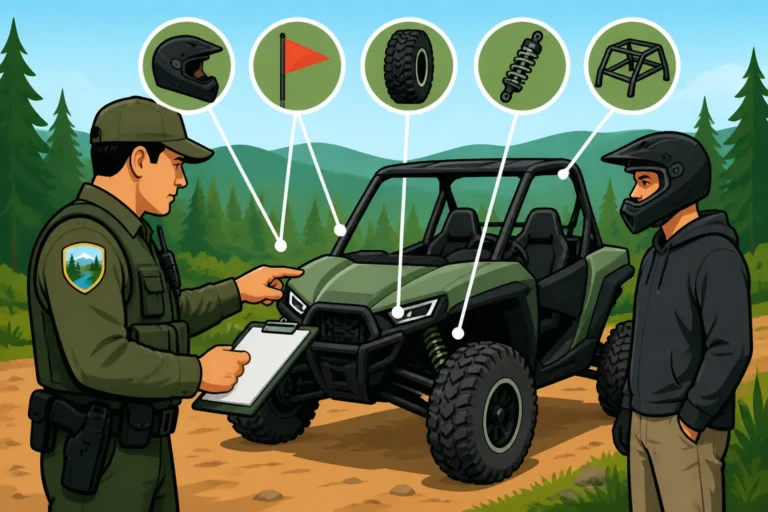
This responsibility extends to ensuring the OHV itself is properly equipped and maintained. For example, if the young rider's ATV has a faulty brake or a dangerously loud muffler, the supervising adult could be deemed negligent if an incident occurs. Checking the machine, ensuring proper safety gear is worn (like a [Massachusetts Helmet Standards]-compliant helmet), and making sure the rider understands the specific trail conditions are all part of this overarching duty. Brands like SuperATV offer a range of safety and utility accessories that can help ensure the machine is in top condition and better equipped for the trails.
Ensuring Compliance with All OHV Laws
A supervising adult is effectively the primary enforcer of Massachusetts OHV laws for the minor in their charge. This means they are responsible for ensuring every single regulation is followed, not just the one about supervision. This includes, but is not limited to:
- Age and Engine Size: As discussed, ensuring the rider's age matches the allowed engine size. Allowing a 15-year-old on a 400cc machine is a direct violation, and the supervisor will be held accountable.
- Safety Gear: Making sure the minor wears a properly fitting, DOT-approved helmet at all times. [Massachusetts ATV Helmet Law] applies to every rider, regardless of age. Other protective gear like eye protection, gloves, and sturdy boots are also highly recommended.
- Registration and Decals: Confirming the OHV is properly registered with the Massachusetts Environmental Police and displays the correct decals. [Massachusetts Decal Placement Rules] are specific, and ensuring the machine has a valid sticker is part of the supervisor’s duty.
- Safety Certificate: Verifying the minor has their valid OHV Safety Certificate on their person when riding on public land. [Massachusetts Registration Cards Carried on Board] also applies to the certificate.
- Trail Rules and Prohibitions: Understanding and enforcing where riding is allowed and where it's not. This means knowing about [Massachusetts Bans Riding on Public Ways], [Massachusetts Has No Street Legal Path], and rules about riding near dwellings (like the [Massachusetts's 150-Foot Dwelling Rule]).
- Landowner Permission: If riding on private land, ensuring that [Massachusetts Requires Written Permission] from the landowner is obtained and carried.
Failing to ensure compliance with any of these laws can result in citations not only for the minor but for the supervising adult as well. This highlights the comprehensive nature of the supervisor's role. It’s about more than just watching; it’s about active management and adherence to the law.
Accident Reporting and Emergency Response
In the unfortunate event of an accident, the supervising adult's responsibilities become even more critical. They are the first line of response and are expected to manage the situation effectively and legally. This includes immediate care for injuries, securing the scene, and, if necessary, reporting the incident to the appropriate authorities.
Massachusetts law requires that certain OHV accidents be reported to the Environmental Police. Generally, if an accident results in serious injury, death, or property damage above a certain threshold, it must be reported. As a supervising adult, it's your responsibility to know these reporting requirements and act accordingly. [Massachusetts Accident Reporting Rules] provides further detail on these obligations.
Beyond legal reporting, the supervising adult is responsible for general emergency response. This means:
- First Aid: Being prepared to administer basic first aid until professional medical help arrives. Carrying a compact first-aid kit, perhaps in a storage bag from SuperATV, is a wise precaution.
- Communication: Having a way to communicate for help, even in areas with limited cell service. This could mean carrying a satellite messenger or a fully charged cell phone. [Cell Dead Zones in the Berkshire Hills] are a real concern.
- Scene Management: Protecting the accident scene, if safe to do so, to prevent further injury and preserve evidence for any investigation.
- Contacting Authorities: Knowing how to contact the Environmental Police or other emergency services quickly.
The burden of ensuring a safe ride and responding to emergencies falls squarely on the supervising adult. This underscores the need for the 18-year-old supervisor to be not just legally qualified by age, but also mature, responsible, and equipped with the knowledge and tools to handle challenging situations.
Practical Tips for Supervising an Underage Rider
Stepping into the role of a supervising adult, even at 18, requires more than just meeting the legal age requirement. It demands a proactive, engaged, and responsible approach to ensure the safety of the young rider and compliance with Massachusetts law. Riding is meant to be fun, but safety should always be the top priority, especially when a minor is involved. Preparing thoroughly and maintaining constant vigilance will make the experience better for everyone.
Think of yourself as a coach, a guide, and a protector all rolled into one. Your actions, decisions, and preparedness directly impact the well-being of the young rider. It's not a passive role; it's an active one that starts long before the wheels ever hit the dirt. From pre-ride checks to ongoing communication, every step contributes to a safer, more enjoyable experience for both supervisor and rider.
This role also requires clear and consistent communication. Young riders, especially, need to understand the rules, the risks, and the expectations. A good supervisor talks through scenarios, explains the "why" behind safety rules, and models responsible riding behavior.
Pre-Ride Checks and Safety Briefings
Before any rider, especially a minor, even starts their engine, a thorough pre-ride check and safety briefing are absolutely essential. This isn't just good practice; it's a critical component of a supervising adult's responsibility. Neglecting these steps can lead to preventable accidents or legal issues.
Here’s what a good pre-ride routine should include:
- Machine Inspection:
- Tires: Check air pressure and tread condition.
- Brakes: Ensure they are fully functional and responsive. [Massachusetts Brake Requirements] are clear.
- Fluids: Check oil, coolant (if applicable), and fuel levels.
- Lights: Verify headlights and taillights work, especially if riding near dusk. [Massachusetts Lighting After Sunset] mandates this.
- Muffler: Ensure it's secure and meets noise regulations. [Massachusetts Muffler Requirements] are important for trail etiquette and legality.
- General Condition: Look for loose bolts, cracked plastics, or anything that seems out of place. Consider adding protective accessories like skid plates from SuperATV if the terrain warrants it.
- Rider Gear Check:
- Helmet: Confirm it's DOT-approved, fits properly, and the strap is securely fastened.
- Eye Protection: Goggles or a full-face helmet visor are crucial.
- Gloves, Boots, Long Clothing: Ensure the rider is adequately protected from scrapes and impacts.
- Safety Briefing:
- Route Review: Discuss the planned route, potential hazards, and any difficult sections.
- Hand Signals: Review agreed-upon hand signals for communication on the trail.
- Rules Reminder: Reiterate key rules like staying on marked trails, maintaining safe speeds, and adhering to the 150-foot dwelling rule.
- What to Do If Separated: Establish a plan in case visual contact is lost (e.g., stop, wait, use horn signals).
- Emergency Plan: Remind the rider about what to do in an emergency.
Taking these few minutes before each ride can prevent major problems down the line and instill good habits in the young rider.
Effective Communication and Trail Etiquette
Effective communication is the backbone of successful supervision. It’s not just about giving orders; it's about teaching, guiding, and ensuring mutual understanding. When on the trail, verbal communication can be difficult due to helmets and engine noise, so establishing alternative methods is key. [Verbal Communication on the Trail] becomes more nuanced.
Here are some tips for effective communication and promoting good trail etiquette:
- Pre-Ride Discussion: As mentioned, use the safety briefing to discuss expectations, potential challenges, and how to communicate during the ride.
- Hand Signals: Develop and practice a clear set of hand signals for common situations: "stop," "slow down," "turn," "hazard ahead," "I'm okay."
- Regular Check-ins: At planned stops, or whenever possible, verbally check in with the young rider. Ask how they're feeling, if they're comfortable, and if they have any questions or concerns. This also applies to [Staying Within Earshot of a Young Rider], reinforcing immediate responsiveness.
- Lead by Example: As a supervising adult, your behavior sets the standard. Ride responsibly, follow all rules, yield to others on the trail, and practice low-impact riding. If you respect the trails and other users, the minor is more likely to do the same. This is especially important when [Meeting Horses on an October Mountain Fire Road] or hikers.
- Patience and Encouragement: Learning to ride an OHV safely takes time and practice. Be patient, offer constructive feedback, and celebrate their progress. Avoid criticism that might discourage them.
- Environmental Awareness: Teach the minor about responsible riding, such as staying on marked trails, avoiding sensitive areas, and packing out what they pack in. This helps protect the natural beauty of places like [October Mountain State Forest Riding in Massachusetts].
By fostering open communication and modeling responsible behavior, an 18-year-old supervising adult can not only fulfill their legal duties but also pass on valuable skills and a love for safe, ethical riding to the next generation.
Disclaimer
This article is for general informational purposes only and does not constitute professional advice. Laws, prices and regulations vary by location and change over time. Consult a qualified professional for guidance on your specific situation.