Why the 90cc Engine Cap Ends at 16
Understanding the ins and outs of Massachusetts's off-highway vehicle (OHV) laws can feel like navigating a dense Berkshire forest blindfolded, especially when it comes to youth riders. Many parents and young enthusiasts are understandably confused by the age restrictions, engine size limits, and how these rules shift as a rider grows. This guide aims to demystify why the seemingly arbitrary 90cc engine cap for ATVs specifically ends at age 16 in Massachusetts, helping you and your family ride safely and legally.
Navigating Massachusetts's Strict Youth ATV Laws
Massachusetts has some of the most stringent regulations in the nation when it comes to youth ATV operation, and for good reason. The laws are designed to protect young riders, who might not yet possess the physical strength, coordination, or mature judgment required to handle powerful machines safely. It's a challenging balance for families who love the sport but also want to ensure their children are protected.
The Rationale Behind the 90cc Engine Cap
The primary purpose of the 90cc engine cap for riders under 16 is safety. A smaller engine size directly correlates to a less powerful, lighter, and often slower machine, making it more manageable for developing riders. Imagine a young person trying to control a full-sized ATV; the sheer weight and power can quickly become overwhelming, leading to loss of control and potential injury. The state, influenced heavily by tragic incidents like the one that led to [Sean's Law and Massachusetts Youth Riders], has prioritized preventing such occurrences by gradually introducing riders to more powerful machines as they mature.
Parents often express frustration with these limitations, especially when their child might be physically large or experienced for their age. However, the law makes no exceptions for perceived skill or stature. It's a blanket rule designed to err on the side of caution. The hope is that by limiting engine size, young riders can develop fundamental riding skills in a controlled manner, learning balance, throttle control, and situational awareness without the added risk of excessive speed or torque. It also gives parents peace of mind, knowing there's a legal framework encouraging responsible progression.
Finding a machine that fits these criteria can sometimes be a puzzle. Many manufacturers offer youth models specifically designed to comply with these types of regulations. These quads are typically smaller in stature, feature speed limiters, and are built to be more forgiving for beginners. While the market offers a good selection, it still requires careful research to ensure compliance, as engine displacement isn't always the only factor to consider. You're looking for a machine that helps build confidence, not one that intimidates or outpaces a rider's developing abilities.
How the Age and Engine Size Ladder Works
Massachusetts employs a clear, albeit strict, age and engine size ladder for OHVs. It's a progressive system, meaning as a rider gets older, they're permitted to operate machines with larger engine displacements, reflecting their assumed increase in physical and cognitive abilities. This ladder is critical for anyone planning to ride an ATV in the Bay State, whether a resident or a visitor.
Here’s a breakdown of the general framework, which is also detailed in [Massachusetts Age and Engine Size Ladder]:
- Under 10 years old: Riders under the age of 10 are generally prohibited from operating an ATV on public lands, and even on private land, they are severely restricted. They may only operate an OHV at a sanctioned event, under the direct supervision of an adult, and on a machine appropriate for their age and size. This age group is essentially limited to highly controlled, professional settings.
- 10 to 14 years old: Riders in this age bracket can participate in sanctioned races or events, again under adult supervision. The engine size is capped at 90cc, and the machine must be appropriate for their size. This is a crucial window for developing foundational skills in a structured environment.
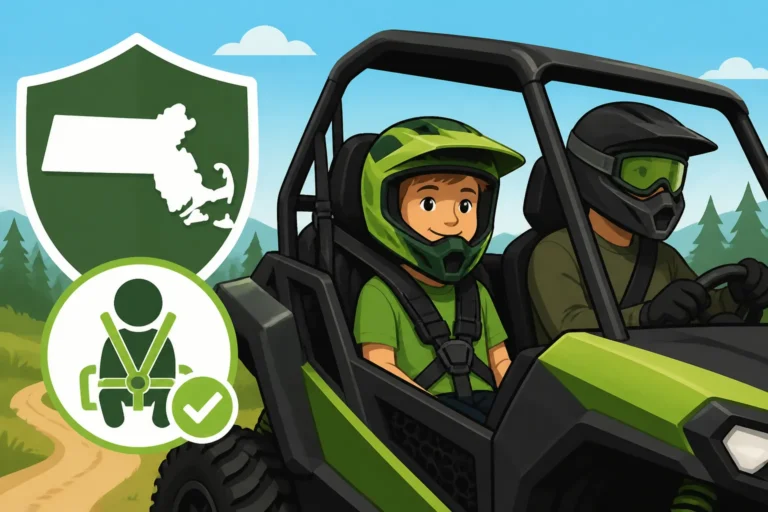
- 14 to under 16 years old: This is where the 90cc cap really comes into play for general riding. Riders aged 14 and 15 are permitted to operate ATVs with an engine displacement of 90cc or less. They must also possess a valid OHV safety certificate and be under the continuous visual supervision of an adult who is at least 18 years old and holds a valid motor vehicle operator's license. The supervising adult is held legally liable for any violations committed by the minor. This age group really highlights the state's cautious approach to introducing young riders to the sport, ensuring they're on machines that match their developmental stage.
- 16 years old and older: This is the game-changer! Once a rider turns 16, the 90cc engine cap is lifted, and they are generally allowed to operate ATVs of any engine size, provided they have a valid OHV safety certificate. They no longer require continuous visual supervision from an adult (though good judgment and riding with others are always encouraged for safety). This transition marks a significant step towards independent riding and greater responsibility.
This tiered system ensures that riders are gradually exposed to more complex and powerful machines, giving them time to develop the necessary skills and judgment. It’s a carefully thought-out progression, even if it feels restrictive to those eager to push boundaries. Every step of the ladder is designed with the rider's safety and the safety of others in mind, particularly concerning the environment and other trail users.
The Significance of Turning Sixteen for ATV Riders
Turning sixteen is a milestone for many teenagers, often associated with getting a driver's license and a taste of automotive freedom. For ATV riders in Massachusetts, it carries a similar weight. It's the age when the most significant engine size restriction lifts, opening up a world of new machines and more independent riding experiences. This shift isn't just about engine size; it signifies a recognized level of maturity and capability under Massachusetts law.
Why the 90cc Cap Lifts at 16
The decision to lift the 90cc engine cap at age 16 aligns with a broader legal and developmental understanding of adolescence. By 16, most individuals have reached a stage where they possess improved physical coordination, reaction time, and, crucially, a more developed sense of judgment and risk assessment. These are all vital attributes for safely operating a more powerful and potentially faster ATV. The state essentially trusts that at 16, a rider is better equipped to handle the complexities and demands of a full-sized machine.
This isn't just an arbitrary number; it's often the age when teenagers are deemed capable of making independent decisions, obtaining various licenses, and facing more significant legal responsibilities. For ATV riders, it means transitioning from youth-specific machines to a much wider array of models, including sport quads, utility ATVs, and even side-by-sides, depending on the specific trail rules. It's a moment of expanded freedom but also profoundly increased personal accountability. The training wheels, both literal and metaphorical, come off, and the onus of safe and legal operation falls squarely on the rider.
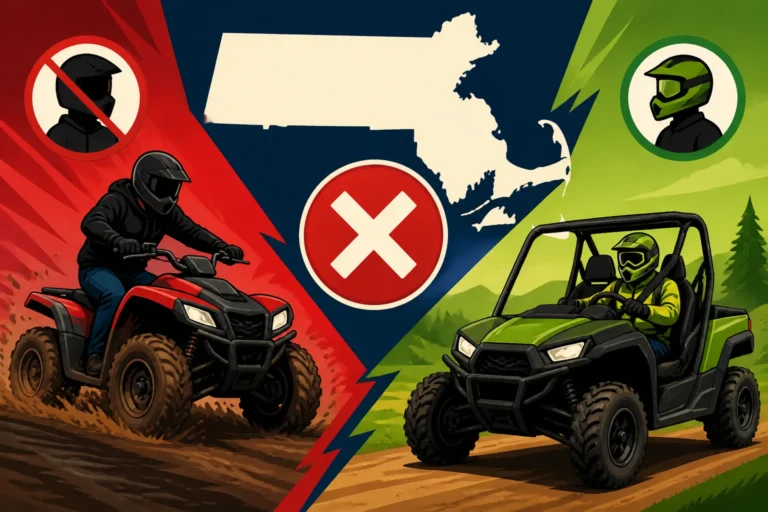
For parents, this transition can be bittersweet. While it’s exciting to see your child advance in their riding abilities, it also means a greater potential for higher speeds and more demanding terrain. It's a good time to reinforce safety principles, discuss the [Massachusetts Helmet Law for Every Rider], and ensure they understand the implications of operating a more powerful machine. While the law grants more freedom, responsible parenting dictates continued guidance and emphasis on safety.
Safety Certificates and What Changes at 16
One of the most critical aspects of ATV riding in Massachusetts for any rider under 18 is the OHV safety certificate. For younger riders, obtaining this certificate involves not only successfully completing the course but also requiring a parent or guardian to attend with them. However, once a rider hits 16, this requirement for parental attendance changes, reflecting their increased autonomy.
As detailed in [Massachusetts Safety Certificates Under 18], the certificate typically involves a two-part program: an online or classroom theory component and a practical, hands-on skills test. Riders aged 16 and 17 must still complete both parts of the course and pass the skills test to obtain their certificate. The key difference is that a 16-year-old can enroll, attend the classroom or online portion, and participate in the skills test without a parent present, unlike their younger counterparts, where [Massachusetts Parent Attendance Rules] are strictly enforced. This means they are taking full ownership of their certification process.
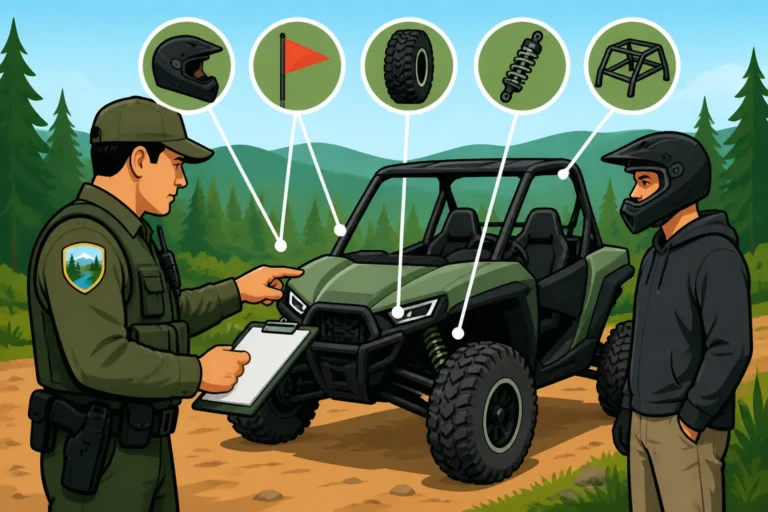
Having this certificate is non-negotiable for riding on public lands, even for a 16-year-old. It demonstrates a foundational understanding of safe operating procedures, trail etiquette, and the specific laws governing OHV use in Massachusetts. The skills test component ensures they can physically handle a machine competently. It’s a critical piece of identification that an Environmental Police officer might ask to see, alongside your registration card, if you're encountered on state trails. It's not just a piece of paper; it's proof of your commitment to safe and responsible riding.
Equipment, Responsibility, and Gear for Older Youth Riders
As riders turn 16 and gain the ability to operate larger, more powerful ATVs, the discussion around appropriate equipment and increased personal responsibility becomes even more vital. The step up from a 90cc youth quad to a full-sized machine demands a different level of preparation, both in terms of the machine itself and the rider's mindset.
Equipping for Larger Machines
When the 90cc cap lifts, a whole new world of machines becomes available, from agile sport quads designed for aggressive riding to robust utility ATVs built for work and recreation. This means rethinking your equipment strategy. A full-sized ATV or UTV will naturally be heavier, faster, and require more physical input to control, especially on challenging terrain found in places like October Mountain State Forest. Investing in the right gear is no longer just recommended; it's essential for safety and optimal performance.
Beyond the machine itself, consider upgrades that enhance both safety and capability. For example, if you're venturing into more aggressive trail riding, beefier skid plates and A-arm guards can protect vital components from rocks and stumps. Upgraded tires with a more aggressive tread pattern will offer better traction in mud and over roots. For those who enjoy exploring more remote areas, a winch might become a non-negotiable piece of equipment for self-recovery or assisting others. Brands like SuperATV offer a vast array of aftermarket parts and accessories, from heavy-duty bumpers to complete suspension lift kits, that can customize a larger machine for specific riding styles and enhance its durability on Massachusetts trails. While you might have managed without some of these accessories on a smaller youth quad, they become incredibly valuable for the demands of full-sized machine operation.
Don't forget personal protective equipment (PPE). A properly fitting, DOT-approved helmet is paramount, as discussed in [Massachusetts Helmet Standards]. But also think about chest protectors, sturdy riding boots, gloves, and durable riding pants and jerseys. While some of this might have been optional or less emphasized for younger riders on slower machines, the higher speeds and increased potential for impact with a larger quad make comprehensive PPE a must. It's all about mitigating risk and ensuring that a lapse in judgment or an unexpected obstacle doesn't lead to severe injury.
Increased Responsibilities on the Trail
With the freedom to ride larger machines comes a significantly increased level of personal responsibility. A 16-year-old rider is now expected to fully understand and abide by all [Massachusetts ATV Laws Under Chapter 90B] without constant adult supervision. This means being intimately familiar with everything from registration requirements to rules about trail conduct and environmental impact.
One crucial area of responsibility is understanding and executing safe road crossings. Even though you're on a powerful ATV, you cannot just zoom across public roads. Massachusetts has specific rules for this, including coming to a complete stop, looking both ways, and yielding to all traffic. [Massachusetts Rules for Crossing a Road] are explicit, and violations can lead to serious fines or even accidents. Furthermore, always ensure you carry your official registration card on your person or on the machine, as required by [Why Your Registration Card Must Ride With the Machine]. This is your proof that your OHV is legally registered with the state and ready for public land use.
Respect for private property is another non-negotiable. While you might be riding on state-managed trails, many of these trails either abut or even cross private land. Always assume land is private unless clearly marked otherwise, and never trespass. If you want to ride on private land, you absolutely must obtain [Massachusetts Landowner Permission in Writing] beforehand. This isn't just common courtesy; it's the law, and violating it can lead to severe penalties, including fines and potential impoundment of your machine. As an older rider, you're not just representing yourself; you're representing the entire OHV community, and responsible behavior helps ensure continued trail access for everyone.
Practical Advice for Parents and Young Riders in Massachusetts
The journey from a youth quad to a full-sized ATV is exciting, but it requires careful planning and continuous commitment to safety and responsible riding. For both parents and young riders in Massachusetts, navigating this transition successfully means making informed choices about machines, gear, and ongoing education.
Finding the Right Machine for the Transition
When a rider turns 16 and is ready to move beyond the 90cc cap, the market for ATVs opens up dramatically. This can be both thrilling and a little overwhelming. The "right" machine isn't necessarily the biggest or fastest, but rather one that matches the rider's skill level, intended use, and budget. For someone transitioning from a youth quad, a mid-sized ATV (perhaps 250cc-400cc) might be a more manageable step before jumping to a 700cc-plus beast. This allows the rider to gradually adapt to increased weight, power, and size.
Consider test riding different models if possible. A dealer in the Berkshires, for example, might have a range of machines that a 16-year-old can comfortably sit on and get a feel for. Pay attention to ergonomics: can the rider easily reach the handlebars, footpegs, and controls? Is the suspension appropriate for their weight and the terrain they'll be riding? For utility applications or if two-up riding is anticipated (on a machine designed for it), a utility ATV or side-by-side might be more suitable. Remember, while the 90cc cap is gone, good judgment about matching machine to rider and terrain is always paramount. Don't rush into a machine that's too much, too soon.
When looking at machines, factor in more than just the purchase price. Consider the cost of [Massachusetts Registration Costs at Purchase], necessary safety gear, and any potential accessories like a winch or upgraded tires from a brand like SuperATV that could enhance your riding experience and safety. Whether buying new from a dealership or used from a private seller, ensure all paperwork, like the bill of sale, is in order to make the registration process smooth.
Continuous Education and Skill Development
Even after obtaining the required safety certificate and turning 16, the learning should never stop. The OHV safety certificate provides a baseline understanding, but true mastery and safe riding come from continuous practice, education, and experience. Encourage young riders to refine their skills through regular practice on varied terrain. This means not just blasting down fire roads, but learning to navigate technical sections, managing ascents and descents, and understanding how the machine reacts in different conditions.
Joining a local ATV club can be an invaluable resource for continued skill development and responsible riding practices. [Massachusetts ATV Clubs Worth Joining] often organize group rides, host training events, and provide mentorship opportunities. Riding with more experienced individuals allows young riders to learn from their peers and elders, absorb best practices, and discover new techniques in a supportive environment. These clubs also often play a crucial role in trail advocacy and maintenance, instilling a sense of community responsibility.
Finally, staying up-to-date on all Massachusetts OHV laws and regulations is critical. Laws can change, and what was permissible last year might not be today. Regularly review the official state resources to ensure full compliance. Responsible riding isn't just about avoiding tickets; it's about protecting yourself, others, and the beautiful Massachusetts landscapes that make off-roading such a rewarding activity. The goal is to foster a lifelong passion for ATV riding that is both thrilling and inherently safe.
| Age Group | Engine Size Cap | Supervision Requirement (Public Land) | Safety Certificate Required | Parental Attendance at Course |
|---|---|---|---|---|
| Under 10 | Age/size appropriate | Direct, continuous visual supervision by 18+ adult (sanctioned events only) | Yes (for sanctioned events) | Yes |
| 10 to Under 14 | 90cc or less | Direct, continuous visual supervision by 18+ adult (sanctioned events only) | Yes (for sanctioned events) | Yes |
| 14 to Under 16 | 90cc or less | Direct, continuous visual supervision by 18+ adult (licensed) | Yes | Yes |
| 16 and Older | No cap | No continuous visual supervision required (still responsible) | Yes | No |
Disclaimer
This article is for general informational purposes only and does not constitute professional advice. Laws, prices and regulations vary by location and change over time. Consult a qualified professional for guidance on your specific situation.