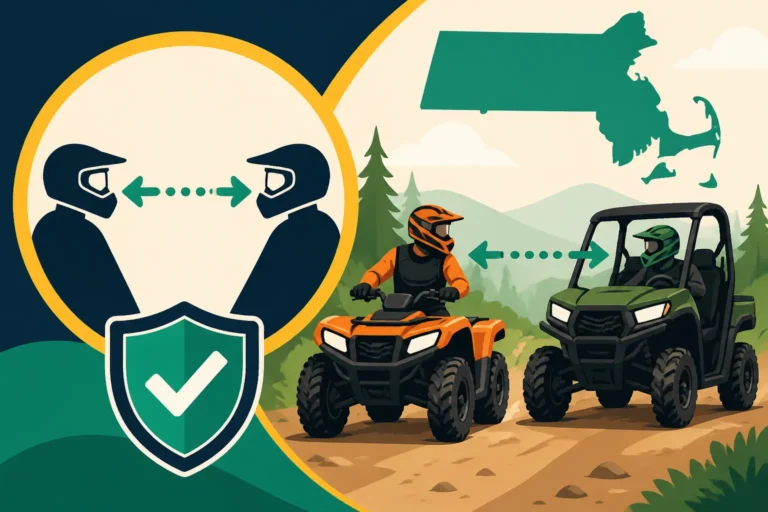
Under Ten and a Sanctioned Event Only
It can be incredibly disheartening for parents and guardians who share a love for off-road riding to find their youngest enthusiasts facing strict limitations in Massachusetts. Many of us dream of introducing our children to the thrill of ATVs and UTVs from an early age, only to be met with complex regulations that can feel overwhelming and restrictive. This guide will walk you through the specific rules for riders under ten years old in the Bay State, explaining why these laws are in place and how you can still safely introduce your little ones to the sport through sanctioned events.
Why Massachusetts Is So Strict with Young ATV Riders
Massachusetts has some of the most stringent ATV laws for youth riders in the entire country, and for good reason. These laws didn't come about lightly; they were largely a response to tragic accidents involving young riders, particularly the one that led to what is commonly known as [Sean's Law and Massachusetts Youth Riders]. This piece of legislation fundamentally reshaped how children can interact with off-highway vehicles (OHVs) in the state, with a primary focus on safety and preventing injuries.
Before Sean's Law, there was a perception that as long as a child was riding on private land, perhaps even their own backyard, the rules were more relaxed. However, the data showed that many serious accidents occurred in these very settings. The law was enacted to create a safer environment for children by setting clear, non-negotiable boundaries. It's not about preventing kids from having fun; it's about protecting them from the inherent risks of powerful machinery, especially when their physical and cognitive development isn't yet fully equipped to handle such challenges. This commitment to safety is why the state has gone so far as to ban riders under 14 from most public and private riding.
The regulations acknowledge that operating an ATV or UTV requires a combination of physical strength, coordination, judgment, and risk assessment skills that typically develop later in childhood. Even small, youth-specific machines can pose significant dangers if a child lacks the maturity to operate them responsibly. So, while it might feel frustrating to hear that your energetic five-year-old can't hop on a small quad in the woods behind your house, the law is designed with their long-term well-being in mind. It's a proactive measure to avoid preventable accidents and ensure that when children do ride, they do so in the safest possible environment, under controlled conditions.
Understanding the "Under Ten and a Sanctioned Event Only" Rule
For any rider under the age of ten in Massachusetts, the law is crystal clear and leaves very little room for interpretation: they are generally prohibited from operating an ATV or UTV in the state. This prohibition applies universally, whether you're on public land, private property you own, or even a friend's expansive woodlot. There's no exception for riding on "your own land" as many might assume. The only, and I mean only, exception to this blanket ban is participation in a strictly defined "sanctioned event."
What Exactly Is a Sanctioned Event?
When the law talks about a "sanctioned event," it's not referring to a casual gathering of friends and family at someone's property, even if it's well-organized. A sanctioned event is a highly specific, officially recognized activity that meets stringent safety and organizational criteria. Typically, these are organized competitions or supervised training sessions held by legitimate, established organizations like an ATV racing association, a recognized youth motorsports club, or a state-approved training program. These events are characterized by:
- Official Oversight: They must be formally approved by a governing body, often requiring permits from local municipalities or state agencies. [Massachusetts Municipal Race Approvals] are a key part of this process for competitive events.
- Controlled Environment: The riding area is usually closed off, designed with safety in mind, and free from unexpected hazards. It's a structured course or track, not an open trail system.
- Certified Supervision: Experienced adults, often with specific training in youth ATV safety, are on hand to supervise every aspect of the riding. This goes far beyond a parent watching from a distance; it involves direct, active monitoring.
- Strict Safety Protocols: Sanctioned events have strict rules regarding mandatory safety gear (helmets, eye protection, gloves, boots, chest protectors), machine inspections, and emergency medical services on standby.
- Insurance Requirements: The organizing body typically carries comprehensive insurance to cover participants, which is a testament to the official nature and inherent risks being managed.
The intent here is to provide an environment where children can learn and experience ATV riding with the highest level of safety possible, minimizing risks that might be present in less controlled settings. Think of it like a professionally run soccer league versus kids just kicking a ball around in the park; both are playing soccer, but one has a far more structured and supervised environment. For a rider Under Ten and a Sanctioned Event Only, this structured environment is the critical distinction that allows them to ride legally.
Why No Other Exceptions for Youngest Riders?
Many parents wonder why there isn't an exception for a small electric quad in the backyard, or a low-speed utility vehicle on a farm. The core reason circles back to the developmental stage of a child under ten. Their reaction times, peripheral vision, ability to anticipate hazards, and physical strength to control a machine (especially in an unexpected situation) are still maturing. Even seemingly "safe" low-speed machines can tip, roll, or collide, leading to serious injuries. The law aims to remove ambiguity and provide a clear line that protects these very young riders.
The state's perspective is that the potential for injury outweighs the benefits of allowing unsupervised or non-sanctioned riding for this age group. It’s a tough pill to swallow for eager kids and parents, but the data supporting the enhanced safety benefits of these strict rules is compelling. It’s also worth noting that aftermarket accessories, even from reputable brands like SuperATV, which makes excellent protective gear and machine enhancements, cannot circumvent these age restrictions. While good gear is always important, it doesn't change the legal requirements for a rider's age and the setting in which they can operate an OHV.
Navigating Massachusetts Youth ATV Laws by Age Group
While the "under ten" rule is the most restrictive, Massachusetts has a layered system of laws that dictate how children of various ages can operate ATVs and UTVs. It’s important for parents to understand this progression, as it outlines the path their children will take as they grow and gain experience. These rules apply whether you're considering a dirt bike, a youth quad, or even a smaller side-by-side.
Riders Aged 10 to 14
Once a child reaches their tenth birthday, the restrictions loosen slightly, but significant limitations remain. Riders aged 10 to 14 are generally prohibited from operating an ATV or UTV in Massachusetts unless they are participating in a sanctioned race, rally, or organized event. This is similar to the "sanctioned event" rule for the under-ten crowd, but it specifically emphasizes competitive or organized group activities rather than just any supervised setting.
Key points for this age group:
- Sanctioned Events Still Apply: Just like their younger counterparts, riders in this age bracket are largely confined to organized, approved activities. This ensures continued supervision and a controlled environment. [Massachusetts Riders 10 to 14 in Races] is a very specific example of where they can ride.
- Engine Size Limitations: Even within sanctioned events, there are often engine size restrictions. For example, some race classes might cap displacement at 90cc for these younger riders. Always check the specific event rules carefully.
- No Public or Private Land Riding (Generally): A 12-year-old, for instance, cannot simply ride an ATV on their family's private property for recreational purposes outside of a sanctioned event. This can be a major source of confusion for families moving from states with more lenient laws.
- Safety Course: While not always explicitly required for participation in every sanctioned event, completing an OHV safety course is highly recommended and often a prerequisite for competitive licenses.
Riders Aged 14 to 16
This age group sees a bit more flexibility, but still with clear boundaries. A rider between 14 and 16 years old can operate an ATV or UTV if they possess a valid OHV safety certificate and are operating a machine with an engine displacement of 90cc or less. This certificate comes from completing a state-approved safety course, which includes both a classroom component and a hands-on skills test.
Important considerations for 14-16 year olds:
- Safety Certificate is Key: This is the critical credential. Without it, even with a 90cc machine, they cannot legally ride outside of sanctioned events. [Massachusetts Safety Certificates Under 18] provides more detail on this requirement.
- Engine Size Cap: The 90cc engine limit is non-negotiable for this age bracket. This ensures that the machines they operate are appropriate for their developing skill and strength levels.
- Adult Supervision: While the rules become a little less strict about where they can ride (potentially beyond just sanctioned events if they have the certificate and appropriate machine), direct adult supervision is still mandated. This often means the supervising adult must be within continuous visual contact and capable of immediate intervention. [Massachusetts Supervising Adult Defined] gives more specifics.
- Limited Road Crossings: Any road crossings must be done carefully, under adult supervision, and often with a full stop before proceeding. [Massachusetts Rules for Crossing a Road] are very specific and must be followed to avoid fines.
Riders Aged 16 and Above
Once a rider turns 16, they gain more independence. With a valid OHV safety certificate, they can operate an ATV or UTV of any engine size on authorized trails and private land. They are also generally allowed to operate without the direct "continuous visual contact" supervision required for younger riders, although safe practices always dictate riding with others, especially in remote areas. If a 16-year-old holds a valid motor vehicle driver's license, the safety certificate requirement is waived.
Here’s a quick summary of the progressive rules:
| Age Group | Engine Size Limit | Requirements (Non-Sanctioned) | Primary Riding Environment |
|---|---|---|---|
| Under 10 | Any | None, except for Sanctioned Events Only | Sanctioned Races/Events, with certified supervision |
| 10-14 | Any (Event Dependent) | None, except for Sanctioned Events Only | Sanctioned Races/Events, with certified supervision |
| 14-16 | Max 90cc | OHV Safety Certificate + Adult Supervision | Authorized Trails, Private Land, Sanctioned Events |
| 16+ (No Driver's Lic) | Any | OHV Safety Certificate | Authorized Trails, Private Land, Sanctioned Events |
| 16+ (With Driver's Lic) | Any | Valid Driver's License (Safety Certificate Waived) | Authorized Trails, Private Land, Sanctioned Events |
It's evident that Massachusetts prioritizes a graduated approach to off-road riding, ensuring that as riders gain experience and mature, they are given more freedom, always underpinned by safety education. Even for older riders, mandatory helmet laws remain in effect, reflecting the state’s unwavering commitment to rider protection. [Massachusetts Helmet Law for Every Rider] covers these universal requirements.
Finding and Participating in Sanctioned Events
If you have a child under ten who is absolutely itching to get on an ATV, a sanctioned event is their golden ticket. These events are designed to be safe, educational, and fun, providing a controlled environment for young riders to learn the ropes. The key is knowing where to find them and how to prepare.
How to Locate Approved Events
Finding sanctioned events requires a bit of research, as they aren't always widely advertised like local fairs. Here are your best avenues:
- ATV & OHV Associations: Look for state or regional ATV/UTV clubs and associations. Organizations like the New England Trail Riders Association (NETRA) or local chapters of national off-road organizations often host youth events or can point you to clubs that do. These groups are usually well-versed in [Massachusetts Rules for a Sanctioned Race Entry] and can guide you.
- Environmental Police Office: The Massachusetts Environmental Police (MEP) are the primary authority for OHV registration and regulation. They may have information about approved training programs or events in your area.
- Online Forums & Social Media Groups: Search for Massachusetts-specific ATV/UTV riding groups on social media. Many parents share information about youth-friendly events. Just be sure to verify any information with official sources.
- Local Dealerships: ATV and UTV dealerships often have connections with local riding communities and may display flyers or have staff who know about upcoming youth events.
When you find a potential event, always verify its "sanctioned" status. Ask about the organizing body, safety protocols, and any specific age or machine restrictions. Don't assume an event is sanctioned just because it's advertised as "kids' day."
What to Expect at a Sanctioned Event
Sanctioned events for young riders, especially those under ten, are meticulously planned with safety as the paramount concern. Here’s a general idea of what you and your child can expect:
- Safety Briefings: Before any wheels turn, there will be a mandatory safety briefing for all participants and their parents. This covers rules, course etiquette, flag signals, and emergency procedures.
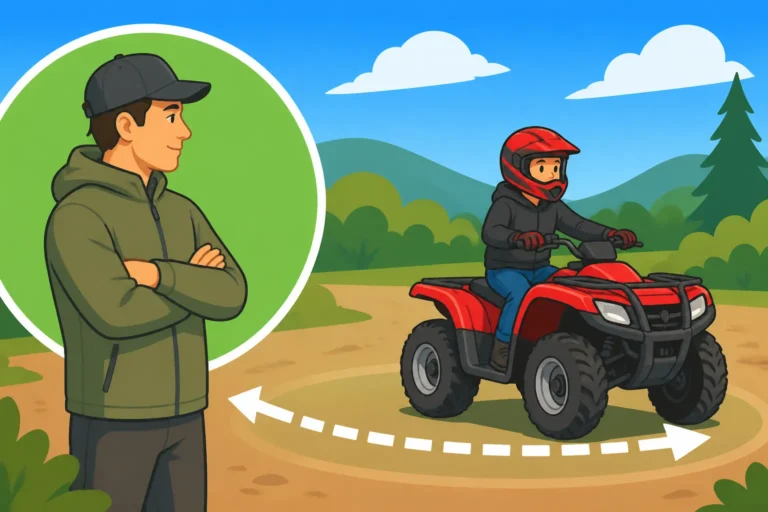
- Controlled Tracks/Courses: The riding area will be specifically designed for young riders, often with slower speeds and fewer obstacles than adult tracks. It's about building foundational skills, not speed.
- Mandatory Safety Gear: This is non-negotiable. Your child will need an approved helmet, eye protection, sturdy boots, gloves, and often a chest protector or full body armor. Don't skimp on quality here; consider durable options from brands like SuperATV that offer robust protection. Even if your child is just on a small youth quad, the risks are real.
- Adult Supervision: Trained staff and volunteers will be strategically placed around the course to ensure constant supervision and immediate assistance if needed. They are there to enforce safety rules and help riders.
- Age-Appropriate Machines: Events will typically have classes or groups based on age and engine size to ensure fair and safe competition or training. Make sure your child's machine fits the category.
Preparing Your Child and Their Machine
Preparation is key to a successful and safe experience at a sanctioned event.
-
Rider Readiness:
- Physical and Mental Preparation: Ensure your child is well-rested, hydrated, and has eaten. A tired or hungry child is more prone to mistakes.
- Listen and Learn: Emphasize the importance of listening to instructors and following all rules.
- Comfort with Gear: Have them wear all their safety gear at home beforehand so they get used to the feel and weight.
-
Machine Readiness:
- Pre-Ride Inspection: Before heading to the event, give the ATV or UTV a thorough once-over. Check tires, brakes, lights (if applicable), fluids, and ensure all nuts and bolts are tight.
- Fuel and Maintenance: Make sure the machine is fueled up and properly maintained. A breakdown can be frustrating and unsafe.
- Spark Arrestor: Most sanctioned events and public riding areas require a spark arrestor on the exhaust to prevent wildfires. Ensure your machine has one and it's in good working order.
- Engine Size Verification: Double-check that the engine size of your child's machine complies with the event's specific rules for their age group.
By thoroughly preparing both your child and their machine, you set the stage for a positive and safe introduction to off-road riding within the legal framework provided by Massachusetts. Remember, the goal is always safety first, and these events are the best way to achieve that for the youngest enthusiasts.
Consequences of Non-Compliance with Youth Riding Laws
The strictness of Massachusetts's youth ATV laws means that the consequences for non-compliance are equally serious. It's not just a slap on the wrist; violations can lead to significant fines, parental liability, and even the confiscation of your machine. Understanding these potential repercussions is crucial for any parent considering letting a child ride outside the legal framework.
Legal Penalties and Fines
Operating an ATV or UTV with a rider under the age of ten outside of a sanctioned event is a direct violation of Massachusetts law. The Environmental Police, who patrol state forests and other areas where OHVs might be present, are well-versed in these regulations and do not hesitate to enforce them.
- Fines: You can expect substantial fines for illegal operation. These aren't minor tickets; they are designed to deter violations and can quickly add up, especially if there are multiple infractions. [Massachusetts Penalties Under Sean's Law] outlines these in detail, making it clear that the state takes these rules seriously.
- Parental Liability: Massachusetts has specific laws holding parents and guardians accountable for their child's actions on OHVs. If a child under ten is caught riding illegally, the supervising adult (or the one who permitted the riding) will face the penalties. This extends beyond just fines to potential liability for any damages or injuries that may occur. [Massachusetts Parent Liability for a Young Rider] is a very important concept for families to grasp.
- Machine Seizure: In severe or repeated cases of illegal operation, especially involving underage riders, the Environmental Police have the authority to seize the ATV or UTV. Getting a seized machine back can be a lengthy, costly, and difficult process, often involving court appearances and significant legal fees on top of the original fines. This is a very real deterrent, as losing your expensive machine is a major blow.
Why Compliance is Non-Negotiable
Beyond the legal and financial ramifications, there are profound ethical and safety reasons to comply. These laws were enacted to save lives and prevent serious injuries. When you disregard them, you are not only breaking the law but also putting your child at unnecessary risk.
Consider these points:
- The Risk of Injury: No amount of supervision on private land can replicate the safety standards of a sanctioned event with trained medical personnel, carefully designed tracks, and strict rules. Accidents involving young riders can lead to lifelong disabilities, brain injuries, or worse.
- Setting a Poor Example: As parents, we are our children's first and most important teachers. Allowing them to break the law, even with good intentions, teaches them that rules are optional. This can have broader negative impacts on their respect for authority and safety.
- Impact on Trail Access: Widespread non-compliance with OHV laws can lead to public backlash and result in further restrictions or even closures of legal riding areas for everyone. The actions of a few can impact the entire riding community.
While it's natural to want to share your passion for off-road riding with your children, doing so within the established legal and safety guidelines is paramount. Massachusetts has created a framework, albeit strict, that prioritizes the well-being of its youngest riders. By adhering to the "under ten and a sanctioned event only" rule, and understanding the progressive age and certification requirements for older youth, you ensure your child's safety and avoid severe penalties. It allows them to grow into responsible, skilled riders when they are truly ready, maximizing their enjoyment and minimizing risk.
Disclaimer
This article is for general informational purposes only and does not constitute professional advice. Laws, prices and regulations vary by location and change over time. Consult a qualified professional for guidance on your specific situation.