Riders 10 to 14 in an Approved Race
It can be incredibly frustrating for parents who have a young, enthusiastic ATV or UTV rider between the ages of 10 and 14 to understand exactly where and how their child can legally participate in the sport they love, especially when it comes to racing. Massachusetts has some of the strictest laws in the nation concerning youth off-road vehicle operation, and trying to decipher the nuances, particularly around sanctioned events, can feel like navigating a maze. This guide is here to shed light on the specific allowances and requirements for riders aged 10 to 14 participating in approved races within the Bay State.
Understanding the "Sean's Law" Landscape for Young Riders
Massachusetts's off-highway vehicle (OHV) laws are designed with safety as a paramount concern, particularly for younger riders. The most significant piece of legislation impacting youth riding is often referred to as "Sean's Law," which came into effect in 2010. This law dramatically changed the landscape for ATV and UTV enthusiasts, especially those under a certain age. It means that most of the casual trail riding that might be common in other states is simply not permitted for kids in Massachusetts.
For riders under the age of 14, the general rule is quite clear: they are strictly prohibited from operating an ATV or UTV on public or private land, with very limited exceptions. This is a point of significant confusion and often frustration for families who have private property or who are visiting from states with more lenient regulations. Many parents assume that if a child is riding on their own land, or land for which they have written permission, the state's age restrictions wouldn't apply. Unfortunately, under Sean's Law, that's not the case for general riding. The law specifically states that no person under the age of 14 shall operate an OHV, period, unless they are participating in a sanctioned event or race approved by the appropriate authorities.
This blanket prohibition on general riding highlights just how critical it is for parents to understand the specific carve-outs for organized events. Without these exceptions, the sport would be almost entirely inaccessible to an entire generation of riders in the state. So, while the law is strict, it does offer a pathway for young, aspiring racers to hone their skills and compete. It's a testament to the state's commitment to safety while still acknowledging the cultural importance of motorsports for many families. For more on the law's origins, you might want to read [Sean's Law: The 2010 Ban Named for a Boy].
The Specifics of Approved Race Participation for Ages 10 to 14
When it comes to riders aged 10 to 14, the single most important exception to the general prohibition is participation in an "approved race" or sanctioned event. This isn't just any informal get-together on someone's back forty; it refers to officially recognized and permitted competitions. Understanding what constitutes an "approved race" and the accompanying rules is essential for any parent looking to get their child involved.
Defining an "Approved Race" or Sanctioned Event
An approved race or sanctioned event in Massachusetts refers to an organized competition that has received the necessary permits and approvals from either the municipality where it's held or, if on state land, from the Department of Conservation and Recreation (DCR) or other relevant state authorities. These events are typically organized by established clubs, racing organizations, or promoters who are familiar with the state's OHV laws and obtain all required permissions. They often have designated safety protocols, trained staff, and specific rules of conduct that go beyond what a casual ride might entail.
The key here is "approval." It means that the event organizers have demonstrated to the authorities that they have a plan for safety, supervision, and compliance with all relevant laws, including those pertaining to youth riders. If you're considering an event, always confirm that it is indeed officially sanctioned and approved. Don't be shy about asking the organizers for proof of their permits or their affiliation with recognized racing bodies. This due diligence is crucial not only for legal compliance but also for your child's safety. For instance, you could ask about [Massachusetts Municipal Approval for a Rally].
Engine Size Limits and Rider Requirements
Even within the context of an approved race, there are specific restrictions that apply to riders aged 10 to 14, most notably concerning engine size. Massachusetts law specifies that any rider in this age bracket (10-14) participating in an approved race may only operate an OHV with an engine displacement of 90 cubic centimeters (cc) or less. This is a critical detail that parents cannot overlook. You simply cannot put a 12-year-old on a 250cc quad, even in a sanctioned race, without violating state law.
This 90cc cap is designed to ensure that the power and weight of the machine are appropriate for the rider's age, physical capabilities, and skill level. It's about minimizing the risk of serious injury. While a child might be strong or experienced for their age, the law errs on the side of caution. Many manufacturers produce youth ATVs specifically designed to meet these kinds of displacement limits, often with adjustable throttles and other safety features. For more on this, check out [The 90cc Engine Cap for Riders 14 to 16].
In addition to the engine size limit, all riders under the age of 18 in Massachusetts, regardless of whether they are racing or riding on permitted land, must possess a valid OHV Safety Certificate. This certificate is obtained by completing a two-part safety course, which includes both a classroom or online component and an in-person skills test. Parents of riders under 16 must also attend the classroom portion with their child. This is a non-negotiable requirement for any minor participating in an OHV activity, including racing. You can find more details on [Massachusetts Safety Certificates Under 18].
Ensuring Safety and Compliance: Parental Roles and Equipment
Navigating the world of youth ATV and UTV racing in Massachusetts isn't just about understanding the letter of the law; it's also about embracing a proactive approach to safety and ensuring your child has the right equipment and supervision. As a parent, you play a pivotal role not only in compliance but also in fostering a safe and responsible riding environment.
The Critical Role of Parental Supervision
For riders aged 10 to 14 participating in an approved race, continuous, direct supervision by a parent or legal guardian is absolutely mandatory. This isn't a "drop them off and pick them up later" situation. The supervising adult must be present at the event and maintain visual contact with the young rider throughout their participation. This level of supervision ensures that if an issue arises, or if the child needs immediate assistance, a responsible adult is right there to help.
This hands-on parental involvement extends beyond just the race itself. It includes making sure the child understands the rules of the event, practices good sportsmanship, and operates their machine safely within the confines of the track. It also means you, as the parent, are ultimately responsible for any violations the child might commit. This significant liability underscores why understanding [Massachusetts Parent Liability for a Young Rider] is so important. Your presence and active guidance are critical components of the state's youth riding framework.
Essential Equipment and Machine Considerations
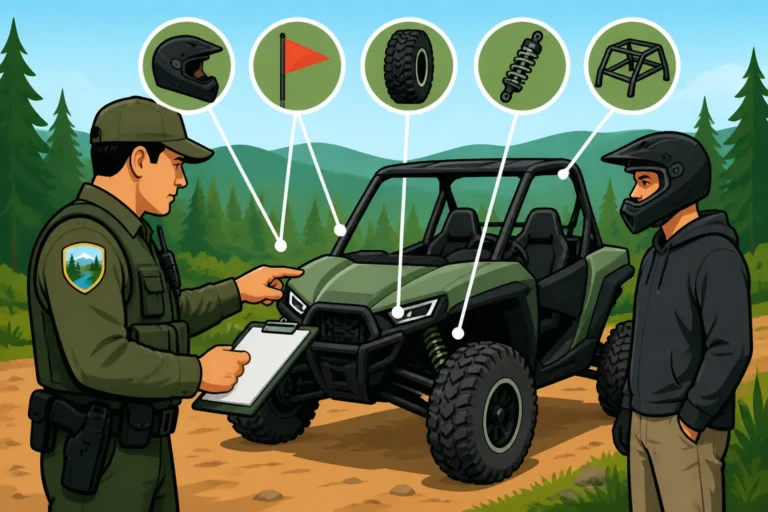
Beyond the 90cc engine limit, having the right safety gear is non-negotiable for any rider, especially in a competitive environment. Massachusetts law mandates helmets for every rider, regardless of age, and specific standards apply. This isn't just about having a helmet; it's about having one that meets DOT (Department of Transportation) standards and fits properly. Beyond the helmet, proper riding gear includes eye protection, sturdy boots, gloves, and long-sleeved shirts and pants. These items provide crucial protection against impacts, abrasions, and debris. For more on helmet requirements, see [Massachusetts Helmet Standards].
When it comes to the machine itself, regular maintenance is paramount. A well-maintained ATV or UTV is a safer one. Before any race, ensure the brakes are functioning perfectly, tires are in good condition, and all controls are operating smoothly. Some parents even look to aftermarket parts from reputable brands like SuperATV to help fine-tune a 90cc machine for racing, ensuring it's both competitive and safe. SuperATV, for example, offers a range of performance and protection accessories, from robust skid plates to enhanced suspension components, that can be vital in a race setting. Just remember that any modifications should always prioritize safety and still adhere to the 90cc engine limit for this age group.
Consider the following checklist for your young racer's equipment:
| Item | Requirement in Massachusetts | Safety Rationale |
|---|---|---|
| Helmet | Mandatory for all ages | Protects against head injuries; must be DOT-compliant. |
| Eye Protection | Recommended/Mandatory | Shields eyes from dust, debris, and impacts. |
| Long Sleeves & Pants | Recommended | Prevents scrapes, cuts, and minor burns. |
| Gloves | Recommended | Improves grip, protects hands from abrasions. |
| Over-the-Ankle Boots | Recommended | Supports ankles, protects feet from injury. |
| OHV Safety Certificate | Mandatory (for under 18) | Ensures knowledge of safe operation and laws. |
| 90cc Engine Limit | Mandatory (ages 10-16) | Matches machine power to rider's age/skill level. |
| Spark Arrester | Mandatory (on most machines) | Prevents wildfires from engine sparks. |
Furthermore, you'll want to ensure your child's machine is properly equipped for the rigors of racing. Companies like SuperATV offer a fantastic range of safety accessories, from full skid plates that protect the undercarriage from impacts on the track, to windshields and roofs for UTVs that offer additional rider protection. While Massachusetts does not require specific insurance for ATVs, many event organizers or private parks may require it for participation, or it might be a smart choice for peace of mind. Discussing your options with an insurance broker familiar with [Massachusetts Insurance Worth Buying Anyway] is always a good idea. Remember, the goal is to provide a safe, legal, and enjoyable experience for your young rider, and thorough preparation is the best way to achieve that.
Disclaimer
This article is for general informational purposes only and does not constitute professional advice. Laws, prices and regulations vary by location and change over time. Consult a qualified professional for guidance on your specific situation.