Massachusetts Rules for a 14-Year-Old Rider
It’s a frustrating reality for many Massachusetts families: you’ve got a passionate 14-year-old eager to hit the trails on an ATV or UTV, but the Bay State’s laws seem like a confusing maze of restrictions. Getting a clear answer on what a 14-year-old can and cannot do on an off-road machine is crucial, not just for their safety, but to avoid serious legal trouble. This guide is here to untangle those rules, offering practical, empathetic advice so your young rider can enjoy the outdoors legally and responsibly.
The Strict Reality: What Massachusetts Law Says About 14-Year-Old Riders
Massachusetts is known for having some of the most stringent regulations for off-highway vehicles (OHVs) in the country, especially concerning youth riders. These laws are designed with safety in mind, often born from tragic incidents, and understanding them isn't just a suggestion—it's absolutely mandatory. For a 14-year-old rider, simply hopping on any available quad isn't an option. There are very specific requirements that must be met, from the type of machine to who is supervising them, and even where they can legally operate. Ignoring these rules can lead to hefty fines, confiscation of the machine, and a lot of heartache for both the rider and their parents.
Understanding the "Under 14" Ban and its Exceptions
Let's cut right to the chase: [Massachusetts Bans Riders Under 14] from operating ATVs on public land, and largely on private land too, unless it's a very specific, supervised event. This is a direct result of [Sean's Law and Massachusetts Youth Riders], enacted in 2010. For a 14-year-old, this is a crucial distinction. They are just past the blanket ban, which means they can ride, but only under strict conditions.
This isn't about arbitrary age gatekeeping; it's about minimizing risk for developing riders. The law recognizes that younger children often lack the physical strength, judgment, and cognitive processing speed necessary to safely control powerful off-road machines, especially when faced with unexpected trail conditions or other riders. So, while your 14-year-old might feel like an experienced pro, the law errs on the side of caution. If your child is indeed 14, they've cleared the first hurdle, but many more await. It's not enough to be 14; you also have to consider the machine itself.
The Critical 90cc Engine Limit for Young Riders
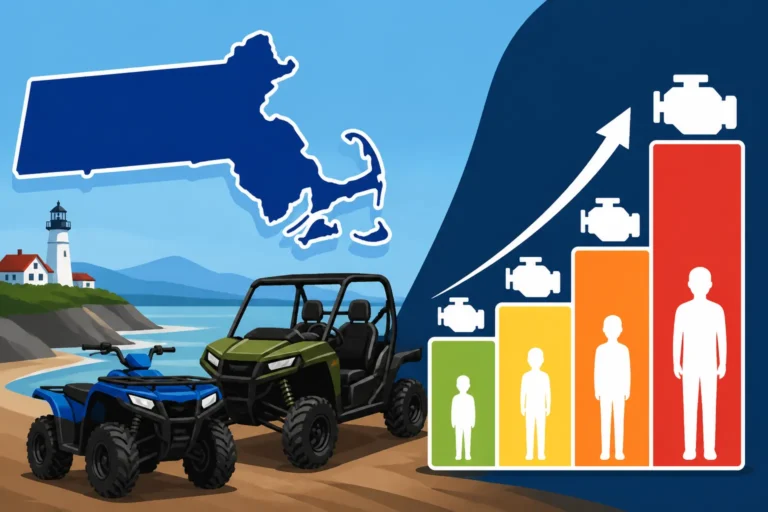
This is where many families trip up: simply being 14 years old isn't a free pass to ride any ATV. Massachusetts law places a strict [The 90cc Engine Cap for Riders 14 to 16]. This means a 14-year-old, or any rider between the ages of 14 and 16, is legally restricted to operating an ATV or UTV with an engine displacement of 90 cubic centimeters (cc) or less. This rule applies uniformly across all types of land, whether public or private.
Think about it: many of the popular utility and sport ATVs on the market today boast engine sizes well over 250cc, 500cc, or even 1000cc. Putting a 14-year-old on such a machine is not only illegal but incredibly dangerous. A 90cc machine is designed to be lighter, less powerful, and more manageable for a rider of that age and experience level. It allows them to learn fundamental skills without being overwhelmed by excessive speed or torque. Before any ride, double-check the engine size of the machine. If it’s over 90cc, your 14-year-old cannot legally operate it in Massachusetts, period. This is a non-negotiable aspect of [Massachusetts ATV Laws Under Chapter 90B] and one that Environmental Police officers are very familiar with.
| Age Group | Engine Size Limit | Additional Requirements |
|---|---|---|
| Under 10 | None (Ban applies) | Sanctioned events only |
| 10 to 14 | None (Ban applies) | Sanctioned races only |
| 14 to 16 | 90cc or less | Safety Certificate, Adult Supervision |
| 16 to 18 | No limit | Safety Certificate |
| 18+ | No limit | None, but safety course highly recommended |
Navigating the Trails: Where a 14-Year-Old Can Legally Ride
Once you’ve got the age and engine size sorted, the next big question is: where can your 14-year-old actually ride? Massachusetts has very specific rules about land access for OHVs, and these rules are often even stricter for younger riders. You can't just assume any dirt road or wooded path is fair game. This section will help you understand the nuances of private versus public land, and what that means for your young rider. Remember, staying on authorized trails is not just about avoiding trouble, it's about respecting landowners and preserving the limited riding opportunities available in the state.
Riding on Private Property: Permission is Key
While the 90cc engine limit and supervision rules still apply, riding on private land offers a bit more flexibility in terms of access compared to public trails. However, this flexibility comes with a very important caveat: you must have written permission from the landowner. [Massachusetts Requires Written Permission] to ride on private land. This isn't just a polite suggestion; it's a legal requirement. Trespassing, even accidentally, can lead to fines and legal action, and a 14-year-old rider's parents would be held responsible.
Imagine you have a friend with a large woodlot in the Berkshires, and they've verbally said it's okay to ride. That's a great start, but it's not enough. You need a signed, dated document stating that your 14-year-old (and you, as the supervising adult) has permission to operate an OHV on their specific property. This protects everyone involved. It clarifies boundaries, designates acceptable riding times, and ensures there's no misunderstanding. Without this piece of paper, even riding on land you think you have permission for could land you in hot water. When riding with a young person, make sure they understand these permission rules as well.
Accessing Public Lands: The Safety Certificate Requirement
For a 14-year-old to ride on any designated public OHV trails in Massachusetts, such as those found in state forests like October Mountain or Beartown, they absolutely must possess an [Massachusetts Safety Certificates Under 18]. This isn't optional; it's a non-negotiable requirement under state law. The safety certificate proves that the rider has completed an approved OHV safety course.
The process typically involves a [Massachusetts Two-Part Safety Course]: an online component followed by an in-person skills test. For riders under 16, a parent or legal guardian is usually required to attend at least part of the course. This comprehensive training covers everything from basic machine operation and maintenance to trail etiquette, environmental responsibility, and, critically, a deep dive into Massachusetts OHV laws. It equips young riders with the knowledge and practical skills needed to navigate trails safely and responsibly. You can't just show up at a trailhead with your registered 90cc quad and a 14-year-old; that certificate needs to be in their possession, or at least with the supervising adult, when riding on public lands. This is also important to remember when considering [Massachusetts Registration for a Youth Quad].
Essential Gear and Supervision: Staying Safe and Legal
Beyond the age and engine size, there's the critical element of safety gear and adult supervision. Massachusetts doesn't mess around when it comes to protecting young riders. It's not enough to simply have the right machine; the rider must be properly equipped, and a responsible adult must be actively involved in their riding experience. This section dives into the non-negotiables that will keep your 14-year-old safe and you compliant with the law.
Mandatory Safety Equipment for All Young Riders
Safety gear isn't just a suggestion in Massachusetts; it's the law. For any rider under the age of 18, and frankly for all riders, a properly fitting, DOT-approved helmet is absolutely essential. This falls under the umbrella of [Massachusetts Helmet Law for Every Rider]. This isn't just about avoiding a ticket; it's about protecting the most vulnerable part of a rider's body in the event of a fall or collision.
Beyond the helmet, while not always explicitly mandated by law for all age groups, responsible riding for a 14-year-old also calls for:
- Eye protection: Goggles or a full-face helmet shield to protect against dust, branches, and debris.
- Over-the-ankle boots: To support ankles and protect feet.
- Gloves: For grip, blister prevention, and hand protection.
- Long pants and long-sleeved shirts: Durable clothing protects against scrapes and environmental elements.
Investing in quality protective gear is just as important as the machine itself. Brands like SuperATV, known for their robust aftermarket accessories, might offer protective elements like heavy-duty bumpers or skid plates, which, while not direct rider gear, contribute to the overall safety and durability of the machine. The goal is to minimize injury in case of an incident, because even the most cautious rider can have an unexpected mishap.
The Role of the Supervising Adult
This is perhaps one of the most misunderstood aspects of Massachusetts law for young riders: the supervising adult. For a 14-year-old, active, direct adult supervision is not just a good idea; it's a legal requirement, especially when riding on public lands or crossing public ways. The law specifies that a supervising adult must be at least 18 years old and capable of operating the same type of OHV the youth is riding. Crucially, they must maintain "continuous visual contact" and "verbal communication" with the young rider. This means riding with them, not just dropping them off and waiting.
This level of supervision is paramount. It ensures that if a 14-year-old encounters a challenging section of trail, has a mechanical issue, or, heaven forbid, gets into an accident, a responsible adult is immediately present to offer assistance. It also means the supervising adult is legally responsible for the youth's actions and any violations of OHV law. This can be a significant burden, but it's designed to ensure that an experienced individual is always there to guide and protect the younger rider. [How a Parent Registers a Quad for a Child] often involves the parent taking on this responsibility, making it clear their role extends far beyond paperwork. This also applies when navigating road crossings; [Crossing a Public Way in Massachusetts] with a 14-year-old requires careful supervision and adherence to specific rules, like coming to a complete stop.
Consequences and Best Practices: Avoiding Costly Mistakes
The goal here isn't to scare anyone away from the fun of OHV riding, but to equip you with the knowledge to do it safely and legally. Ignoring Massachusetts's strict laws, especially those concerning youth riders, can lead to severe penalties that extend far beyond a simple warning. Understanding these potential consequences and adopting best practices is key to ensuring your 14-year-old's riding experience is positive and compliant.
Penalties for Non-Compliance: What Parents Face
Let's be direct: if your 14-year-old is caught riding an unregistered OHV, operating a machine over 90cc, riding without a safety certificate on public land, or is unsupervised when required, the consequences can be significant. [Massachusetts Penalties for Illegal Riding] can include fines, which can quickly add up, and in some cases, the impoundment of the OHV itself. For parents, this means not only dealing with the financial burden of fines and potential storage fees for an impounded machine but also the stress and time involved in resolving the legal issues.
Furthermore, if an accident occurs while the youth is in violation of the law, the legal repercussions could be much more severe. This could involve liability for damages, injuries to others, or even criminal charges in extreme cases, especially if negligence is proven. It’s a stark reminder that these laws aren’t just suggestions; they carry serious weight. It's far better to invest the time and effort upfront to ensure compliance than to face the potentially devastating fallout of a violation.
Proactive Steps for a Responsible Young Rider
Being proactive is the best defense against issues on the trails. Here are some actionable steps to ensure your 14-year-old rider, and you, stay on the right side of the law and enjoy a safe riding experience:
- Verify Age and Engine Size: Before anything else, confirm your child is 14 and the machine is 90cc or less. There's no bending these rules.
- Get Registered: Ensure the ATV or UTV is properly registered with the Massachusetts Environmental Police. This often involves paying a fee that partially supports the [The OHV Trail Fund Your Sticker Pays Into].
- Obtain a Safety Certificate: Enroll your 14-year-old in an approved OHV safety course as soon as possible. Attend the parent portion if required. Make sure they carry the certificate when riding on public land.
- Invest in Quality Gear: Don't skimp on safety equipment. A DOT-approved helmet, eye protection, sturdy boots, gloves, and protective clothing are non-negotiable. Consider additional machine protection from accessory makers like SuperATV if you anticipate rougher terrain, as a well-protected machine is also safer for the rider.
- Understand Supervision Requirements: Always maintain continuous visual and verbal contact with your 14-year-old when they are riding. Be prepared to lead by example and offer immediate assistance.
- Know Your Riding Areas: Only ride on designated public OHV trails or private land where you have explicit, written permission. Never trespass or ride on prohibited roads or areas.
- Regular Maintenance: Keep the OHV in top operating condition. Regular checks of brakes, tires, lights, and fluid levels prevent breakdowns and enhance safety. A well-maintained machine is a reliable machine.
- Educate Continually: Discuss trail etiquette, environmental protection, and the importance of respecting other trail users (hikers, mountain bikers, horses) with your young rider. Learning doesn't stop after the safety course.
By following these guidelines, you're not just adhering to the law; you're fostering a culture of safety, respect, and responsibility that will serve your 14-year-old well for years to come, allowing them to truly enjoy the freedom and excitement of off-road riding in Massachusetts.
Disclaimer
This article is for general informational purposes only and does not constitute professional advice. Laws, prices and regulations vary by location and change over time. Consult a qualified professional for guidance on your specific situation.