Massachusetts Rules for a 12-Year-Old Rider
Trying to figure out where your 12-year-old can safely and legally ride their ATV or UTV in Massachusetts can feel like navigating a legal minefield. As a parent, you want to foster a love for the outdoors and responsible riding, but the rules here are notoriously strict, leaving many families feeling confused and frustrated. This guide is here to untangle the Massachusetts laws specifically impacting 12-year-old ATV and UTV riders, helping you understand what's allowed, what's strictly prohibited, and how to ensure your child can enjoy off-road activities within the bounds of the law.
The Overarching Ban: Why 12-Year-Olds Can't Generally Ride in Massachusetts
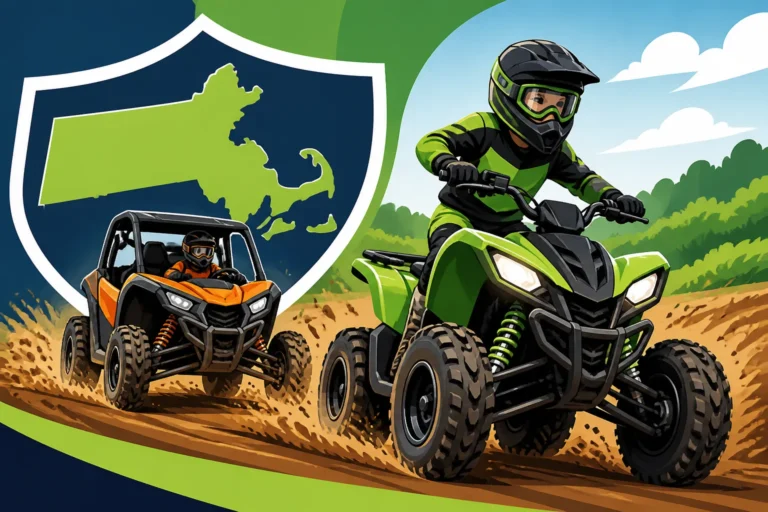
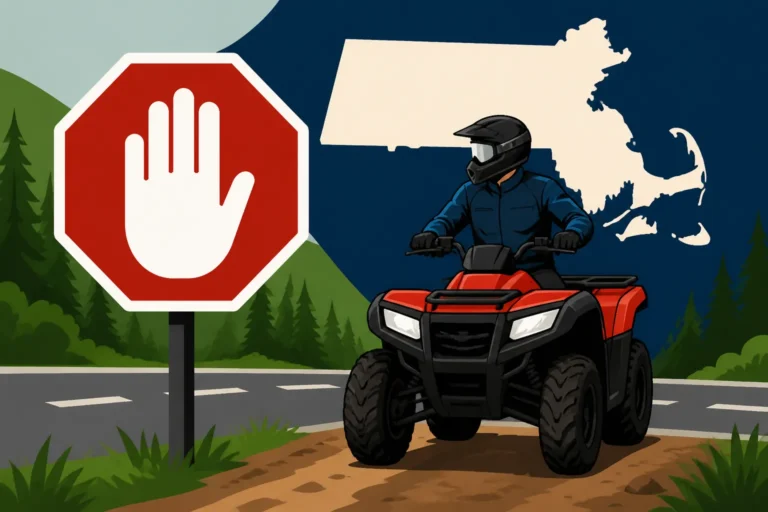
Let's get straight to the heart of the matter: Massachusetts has some of the most stringent laws regarding youth ATV and UTV operation in the entire country, a set of regulations often referred to as [Sean's Law and Massachusetts Youth Riders]. If your child is under the age of 14, the general rule is that they are prohibited from operating an off-highway vehicle (OHV) anywhere in the state, whether it's public land, private land, or even your own backyard. This isn't just a suggestion; it's a hard and fast legal restriction with significant consequences for both the child and the supervising adult.
Understanding the "Under 14" Prohibition
This prohibition is not a minor detail; it's a foundational element of Massachusetts OHV law. The state's legislature made a very deliberate decision to restrict young riders, aiming to enhance safety and prevent accidents involving children on ATVs and UTVs. The intent behind [Massachusetts Bans Riders Under 14] is to ensure that riders have a certain level of physical and cognitive development before operating powerful machinery that requires quick reflexes, sound judgment, and an understanding of dynamic terrain. It’s tough to hear, especially if your 12-year-old is mature for their age and has experience riding in other states with more lenient rules, but Massachusetts draws a very clear line. This means that, for recreational riding, your 12-year-old cannot simply hop on a quad on your property or a friend's land, even with direct adult supervision.
Imagine you've just bought a shiny new youth quad, perhaps with some fantastic aftermarket accessories from a company like SuperATV to make it safer and more robust. Your 12-year-old is ecstatic, visions of dirt trails dancing in their head. But under Massachusetts law, that quad has to sit idle if you're planning any casual rides. This can be incredibly disappointing for families who move to the state from elsewhere, or those who simply aren't aware of how uniquely strict Massachusetts is in this regard. The law doesn't differentiate between a small 50cc youth machine and a larger quad; the age is the primary factor for general riding.
Why This Law Exists: A Focus on Safety
The strictness of Massachusetts law, particularly the ban for riders under 14, stems from a deep concern for safety. Off-road vehicles can be incredibly fun, but they also carry inherent risks, especially for younger operators. Statistics historically showed a disproportionate number of accidents involving children on ATVs, leading to calls for stricter regulations. Lawmakers in Massachusetts responded by implementing measures designed to prevent serious injuries and fatalities among youth riders. [The Death That Led to Sean's Law] is a somber reminder of the tragic events that often spur such legislative changes.
While some might argue that it unfairly punishes responsible families or mature young riders, the law prioritizes safety across the board, aiming to create a blanket protection for all children in this age group. It recognizes that even on seemingly safe private property, hazards can emerge quickly, and a younger rider might lack the physical strength, judgment, or experience to react appropriately. This means that as parents, understanding and adhering to this rule is paramount, not just for legal compliance but for your child's well-being. It's a tough pill to swallow, but the state's intent is clear: protect young lives.
Navigating the Exceptions: When a 12-Year-Old Can Legally Ride
While the general prohibition for riders under 14 is very firm, there are specific, narrow exceptions under Massachusetts law. These exceptions are primarily centered around sanctioned, supervised events. This isn't a loophole for casual riding, but rather a recognition that organized activities with strict safety protocols and professional oversight offer a different environment than unsupervised recreational use.
Sanctioned Events and Organized Competitions
The primary exception for a 12-year-old to legally operate an ATV or UTV in Massachusetts is during a sanctioned event. This means an organized competition, race, or practice session that is officially sponsored and supervised by an authorized entity. These events often have their own specific rules, safety checks, and emergency procedures in place. For a 12-year-old to participate, they would typically need to be involved in a recognized youth racing league or club that holds such events. [Massachusetts Sanctioned Event Rules] detail these specific allowances.
For example, if there's a youth motocross or ATV race series held on a private track that has received the necessary permits and approvals, your 12-year-old could potentially participate. These events are far from casual. They demand specific safety gear—beyond just a helmet, often including chest protectors, gloves, boots, and goggles. The machines themselves are often subject to technical inspections, and the riding environment is highly controlled with medical personnel on site. Your child would likely also need a [Massachusetts Safety Certificate for a 15-Year-Old] (or younger, depending on the exact event rules for certification). It's a serious commitment, not just a day out for fun.
Rules for Riders 10 to 14 in Approved Races
Specifically, Massachusetts law allows riders between the ages of 10 and 14 to participate in an approved race or sanctioned event, provided they meet certain criteria. Crucially, the engine size of the ATV or UTV they are operating is usually capped. For riders in this age bracket, the machine typically cannot exceed 90cc. This engine size restriction is another safety measure, ensuring that younger riders are not on machines that are too powerful or heavy for their skill level and physical capabilities, even in a controlled racing environment. [The 90cc Engine Cap for Riders 14 to 16] gives a broader context for this.
When considering participation in such an event, you'll need to research approved organizations and tracks. These might not be abundant, as many private parks or tracks still err on the side of extreme caution when it comes to Massachusetts's strict laws. You would need to contact the event organizers directly to understand their specific requirements, including proof of age, safety certification, and any particular machine specifications or modifications. While you might consider aftermarket parts to boost performance, always ensure they comply with race regulations and, critically, don't compromise the safety your child needs. Companies like SuperATV offer robust components like A-arms, axles, and roll cages for UTVs that are often seen on race machines, but always confirm legality with event organizers.
The Critical Role of Adult Supervision and Responsibility
Even in the limited scenarios where a 12-year-old can legally ride, adult supervision is not just recommended; it's absolutely mandatory and comes with significant legal liabilities. Massachusetts law places a heavy burden of responsibility on parents or supervising adults when a minor is operating an OHV. Ignoring these responsibilities can lead to severe penalties, both financial and legal.
Parent or Guardian Liability
If a 12-year-old is found operating an ATV or UTV illegally, or if they are involved in an accident while riding, the supervising adult, often the parent or guardian, can be held directly responsible. [Massachusetts Parent Liability for a Young Rider] is a serious aspect of the law that every parent needs to understand. This isn't just about paying a fine; it can involve civil liability if damages or injuries occur to others, and even criminal charges in some extreme cases, especially if negligence is proven. The state essentially views the adult as fully accountable for the minor's actions on the machine.
Imagine a scenario where your 12-year-old, perhaps misunderstanding the rules or simply succumbing to peer pressure, decides to take a quick spin on a neighbor's ATV on private land. If an Environmental Police officer were to witness this, or if an accident occurred, you as the parent could face the immediate legal ramifications. The officer won't just issue a warning to the child; the ticket and the responsibility fall squarely on your shoulders. This underscores why it's so vital to not only understand the rules yourself but to clearly communicate them to your child and enforce them rigidly.
The Necessity of Safety Certificates and Gear
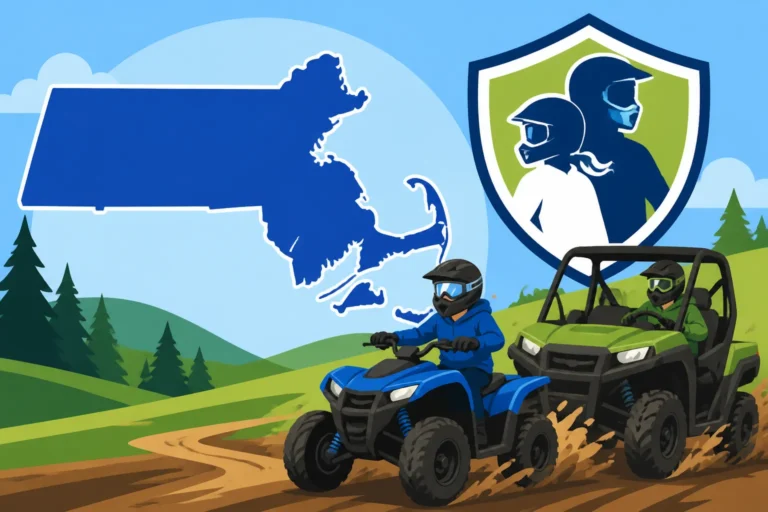
For any legal riding, especially in sanctioned events, a [Massachusetts Safety Certificate for a 17-Year-Old] (or younger, as applicable for youth classes) is often a requirement. This certificate proves that the rider has completed an approved safety course, which typically includes both a classroom component and a hands-on skills test. The purpose is to ensure that riders, even in a controlled environment, have received formal training in safe operation, emergency maneuvers, and an understanding of the vehicle's capabilities. [Massachusetts Two-Part Safety Course] ensures comprehensive training.
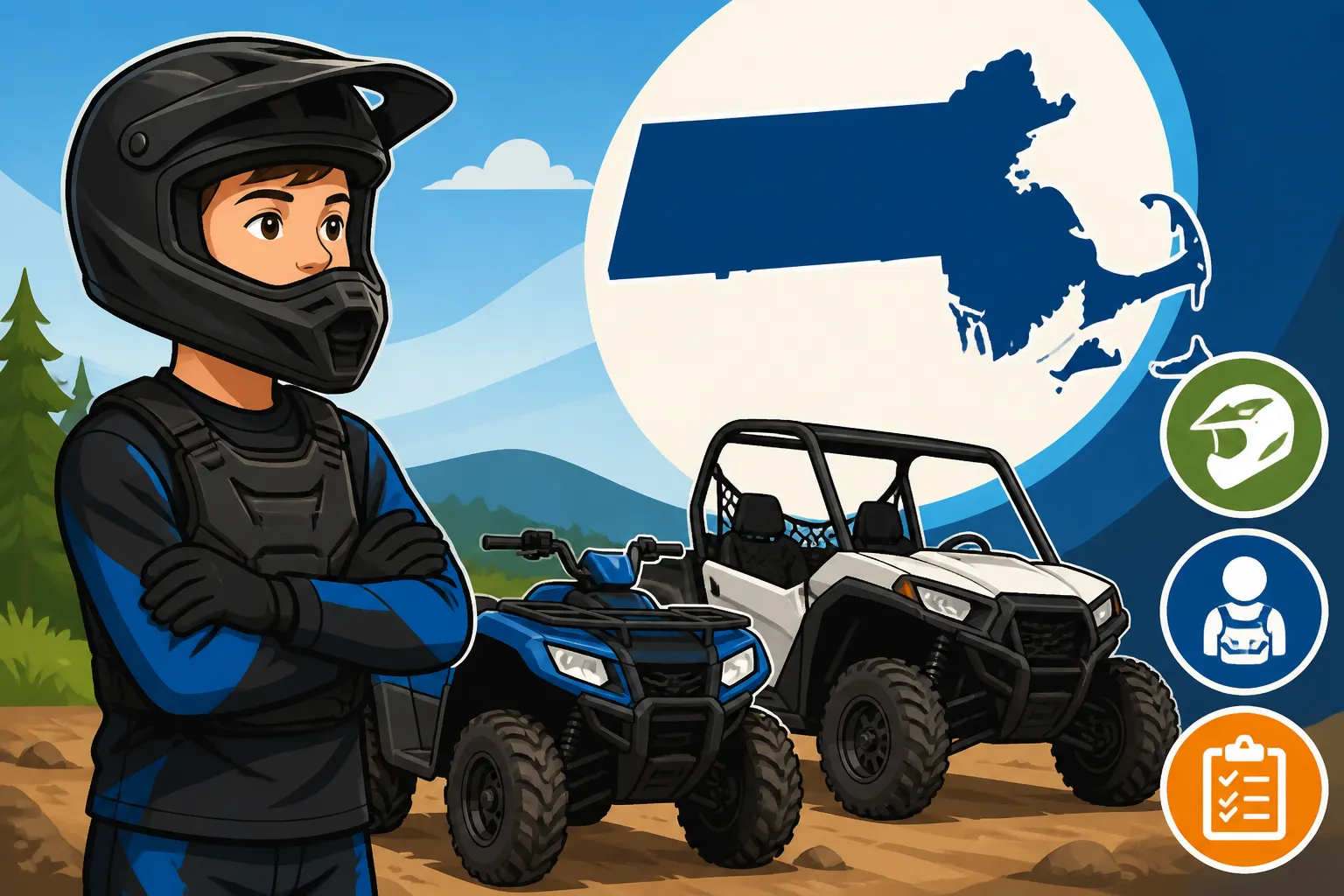
Beyond certification, proper safety gear is non-negotiable. [Massachusetts Helmet Law for Every Rider] is a universal requirement for all OHV operators, regardless of age or experience. But for a young rider, especially one participating in an organized event, the gear list extends much further:
- DOT-approved helmet: Essential for head protection.
- Eye protection: Goggles or a full-face helmet visor to protect against dust, debris, and impacts.
- Over-the-ankle boots: To protect feet and ankles from impacts and burns.
- Long pants and long-sleeved shirt: To protect skin from scrapes and sun.
- Gloves: For grip and hand protection.
- Chest protector/body armor: Highly recommended for impacts and falls, especially in racing.
- Neck brace: Often worn in competitive riding to reduce the risk of neck injury.
Even if you're riding on private land in another state where a 12-year-old can legally ride, these safety items are absolute must-haves. Investing in quality gear, perhaps even from trusted brands like SuperATV, is just as important as the machine itself.
What Happens If the Rules Aren't Followed: Penalties and Risks
Ignoring Massachusetts's strict OHV laws for young riders carries significant consequences. These aren't just minor inconveniences; they can result in substantial fines, legal issues, and, most importantly, put your child at risk. Understanding the full scope of these penalties is crucial for every parent.
Fines and Legal Ramifications
The financial penalties for allowing a minor under 14 to illegally operate an ATV or UTV in Massachusetts can be steep. [Massachusetts Fines for Riding Under 14] can quickly add up, and repeat offenses carry even heavier consequences. These fines are typically issued to the supervising adult, not the child. Beyond the immediate monetary cost, there can be legal ramifications. In the event of an accident involving property damage or injury, the adult could face civil lawsuits. If serious injury or death occurs due to negligence, criminal charges are a real possibility.
Consider a situation where your 12-year-old is caught riding on a local power line cut, which is generally illegal for OHVs. An Environmental Police officer could issue a citation to you, the parent, for allowing an underage operator on an unauthorized trail. This could lead to hundreds of dollars in fines. Now, imagine if that ride resulted in your child colliding with a hidden obstruction, causing serious injury. Not only would you be dealing with the medical crisis, but you'd also face the legal burden of violating state law, potentially impacting insurance claims and opening you up to further liability. It's a risk simply not worth taking.
The Importance of Insurance and Accident Reporting
While Massachusetts does not mandate insurance for ATVs or UTVs, it is incredibly wise to carry a comprehensive policy, especially if you own a machine that your child might ride (even if only legally in a sanctioned event or out-of-state). An accident, even a minor one, can incur significant costs for property damage, medical treatment, or liability claims. If your child is riding and an incident occurs, having proper insurance can be a financial lifeline. [Does Massachusetts Require Insurance on a Registered ATV?] might say no, but common sense says yes.
If an accident does occur, even if it seems minor, it's critical to know the proper [Massachusetts Accident Reporting Rules]. Depending on the severity of the incident (e.g., if it involves personal injury or significant property damage), you may be legally required to report it to the Environmental Police. Failing to report an accident when required can lead to additional penalties and complications down the line. Even if your child is riding legally in a sanctioned event, understanding the event's specific accident protocols is crucial, as is your role as a parent in ensuring proper reporting and follow-up.
Table: Massachusetts Youth ATV/UTV Riding Rules Summary (Age 12 Focus)
| Age Group | General Recreational Riding | Engine Size Limit (if applicable) | Required Safety Certificate | Supervising Adult Requirement | Common Penalties for Violations |
|---|---|---|---|---|---|
| Under 10 | Prohibited | N/A | N/A | N/A | Fines, legal liability for parent |
| 10 to 13 | Prohibited | N/A (except sanctioned events) | Required for sanctioned events | Mandatory, liable for actions | Fines, legal liability for parent |
| 14 to 15 | Prohibited | Max 90cc | Required for public land | Mandatory, liable for actions | Fines, legal liability for parent |
| 16 to 17 | Permitted (with conditions) | No specific limit | Required for public land | Until 16.5 for road crossings | Fines, legal liability for parent |
| 18 and over | Permitted (with conditions) | No specific limit | Not required | Not required | Fines, legal consequences |
Note: "Prohibited" refers to general recreational riding. Exceptions exist for sanctioned, approved events as detailed above.
Finding Legal Avenues for 12-Year-Old Riders
Given the strict Massachusetts laws, it's natural for parents to feel disheartened about their 12-year-old's riding opportunities. However, it's not entirely without hope. There are avenues to pursue, though they require careful planning and often involve travel outside the state.
Exploring Out-of-State Riding Opportunities
One of the most practical solutions for Massachusetts families with 12-year-old riders is to explore riding opportunities in neighboring states that have more permissive youth ATV laws. States like New Hampshire, Maine, and Vermont often have different age restrictions and permit younger riders, sometimes with supervision, on designated trail systems. This can involve day trips or weekend excursions, allowing your child to gain valuable experience and enjoy the sport legally. [Massachusetts Rules for a Visiting New Hampshire Rider] highlights that each state has its own unique regulations you'll need to research thoroughly.
Before traveling, always research the specific OHV laws of the destination state. This includes age restrictions, helmet laws, registration requirements (your Massachusetts registration or sticker likely won't be valid, so you might need a non-resident registration for that state), and any trail pass systems. Many families find this a rewarding way to navigate the challenges presented by Massachusetts's strict regulations. It might mean trailering your machine, and perhaps even some aftermarket upgrades from SuperATV to ensure it's ready for varying terrains, but it offers a legal path to riding.
Preparing for Future Riding: Safety Courses and Education
Even if your 12-year-old can't ride recreationally in Massachusetts now, this is a prime age to focus on education and safety preparedness for when they can legally ride more broadly (at age 14 for specific engine sizes in sanctioned events, or more generally at 16 or 18 with certification). Enrolling your child in an OHV safety course now, even if not immediately required for casual riding, is an excellent investment. [Massachusetts Safety Certificates Under 18] explains how crucial these are.
These courses teach crucial skills like proper riding posture, turning, braking, hill climbing, and emergency stopping, along with a deep understanding of trail etiquette and environmental responsibility. Having this formal training not only makes them a safer and more confident rider in the future but also prepares them for any certification requirements they'll face as they get older. Knowledge and skill development now mean they'll be ready to hit the trails responsibly and legally when the time comes, whether that's in a sanctioned race at 14 or on public trails at 16 or 18.
Disclaimer
This article is for general informational purposes only and does not constitute professional advice. Laws, prices and regulations vary by location and change over time. Consult a qualified professional for guidance on your specific situation.