Massachusetts Accident Reporting Rules
There's nothing quite like the thrill of exploring Massachusetts' diverse landscapes on an ATV or UTV. The rush of wind, the challenge of the terrain, and the camaraderie with fellow riders create unforgettable experiences. However, even the most seasoned riders know that accidents, unfortunately, can happen. When they do, the immediate aftermath can be confusing and stressful, especially when you're trying to figure out what steps to take next. This guide is here to walk you through the essential Massachusetts accident reporting rules for your off-road machine, helping you understand your responsibilities and what to do when the unexpected occurs.
The Reality of ATV/UTV Accidents in Massachusetts
Riding an ATV or UTV is an exhilarating pastime, but it's important to approach it with a realistic understanding of the risks involved. Even with all the right gear and precautions, accidents are a stark reality. When you're out on the trails, whether in the sprawling October Mountain State Forest or the challenging terrain of Beartown, being prepared for what happens if things go wrong is just as crucial as knowing how to ride safely.
Why Accidents Happen: Common Scenarios
Accidents involving ATVs and UTVs stem from a variety of factors, often a combination that escalates quickly. It's rarely just one thing. Sometimes it’s simply rider error – misjudging a turn, hitting the throttle too hard on uneven ground, or trying to climb a slope that's beyond the machine's capability or the rider's skill level. Inexperienced riders, especially those pushing their limits without proper guidance, are particularly vulnerable. [Massachusetts ATV Age Requirements] and [Massachusetts Engine Size Limits by Age] exist for good reasons, aiming to match rider maturity and skill to appropriate machines.
Then there are environmental factors. A sudden patch of loose gravel, a hidden rock under a layer of leaves, or a muddy rut after heavy rain can all cause a loss of control. Collisions with trees, rocks, or even other riders can occur rapidly. Sometimes mechanical issues play a role, though less commonly if you’re diligent with maintenance. A tire blowout, a steering component failure, or a brake issue can turn a fun ride into a critical situation in an instant. It’s also worth considering visibility, especially during dawn or dusk rides, even with [Massachusetts Lighting After Sunset] rules in place. It's not uncommon to encounter other trail users – hikers, mountain bikers, or even horseback riders – and unexpected encounters can lead to evasive maneuvers that go wrong.
The Immediate Aftermath: What to Do First
When an accident happens, the first priority is always safety and assessing injuries. Your adrenaline will likely be pumping, but try to stay calm.
- Check for Injuries: Immediately check yourself and anyone else involved for injuries. If there are serious injuries, or if anyone is unconscious, disoriented, or complaining of severe pain, your absolute first step is to call for emergency medical services (911). Do not try to move someone with a suspected head, neck, or spinal injury unless they are in immediate danger (e.g., from fire).
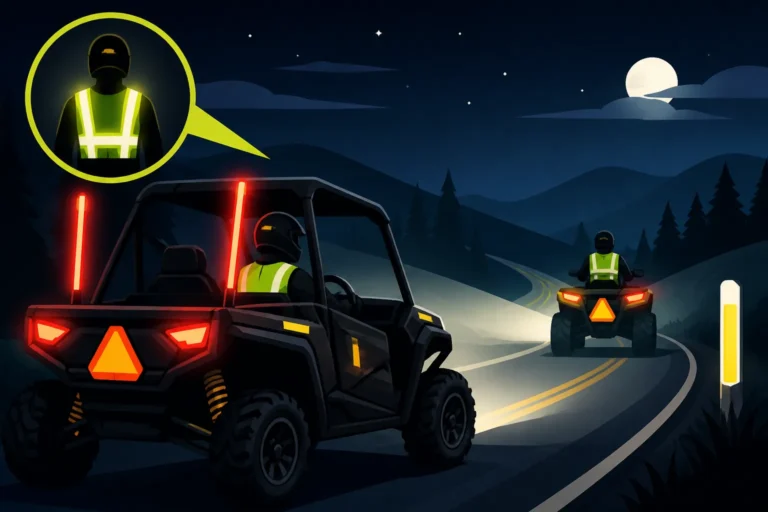
- Secure the Scene: If possible and safe to do so, move your machine and any debris out of the direct path of other trail users to prevent further accidents. If you cannot move the machine, try to make the area visible, perhaps by setting out reflective gear or having a riding buddy wave down approaching riders.
- Ensure Personal Safety: If you're on a public trail, be aware of your surroundings. If your machine is leaking fuel, turn off the engine and avoid anything that could spark. If you’re able to, check your machine for obvious damage like bent handlebars or a leaky radiator, but avoid touching hot engine parts.
- Gather Information (If No Serious Injuries): Once immediate safety and medical needs are addressed, start gathering information. This includes the exact location (GPS coordinates from your phone are invaluable), the time of day, and details about what happened. If another rider or vehicle was involved, exchange names, contact information, and registration details. Don't admit fault or speculate on who was to blame; just gather facts.
Remember, the goal in these initial moments is to ensure everyone's well-being and to secure the scene from further hazard.
Massachusetts' Specific Reporting Requirements
Understanding when and to whom you need to report an ATV or UTV accident in Massachusetts is critical. Unlike a car accident, where you might deal directly with local police or the RMV, off-road incidents have specific protocols, largely overseen by the Massachusetts Environmental Police.
When a Report is Absolutely Necessary
Massachusetts General Laws, Chapter 90B, Section 25, outlines the requirements for reporting accidents involving recreational vehicles, which include ATVs and UTVs. You are legally required to file a report if the accident results in:
- Death: Any fatality immediately triggers a mandatory report.
- Serious Injury: This means an injury that requires medical treatment beyond first aid, or which prevents the person from continuing their normal daily activities for more than 48 hours. Examples include broken bones, concussions, or deep lacerations.
- Property Damage Exceeding a Certain Threshold: While the exact monetary threshold can change, it typically refers to significant damage to any property involved, including your own machine, another person's machine, or other property like fences or signs. It's always best to err on the side of caution; if the damage looks substantial, report it.
- Involvement of Another Vehicle or Person: If your accident involves another ATV, UTV, dirt bike, snowmobile, or even a pedestrian, cyclist, or horseback rider, a report is generally required, especially if there are injuries or significant property damage.
It’s important to distinguish these from minor incidents, like a low-speed tip-over on private property where only cosmetic damage occurred and no one was hurt. While documenting even minor incidents for your own records is smart, they generally don't trigger the mandatory reporting to the state. However, if that tip-over damaged a fence on someone else's land, you're looking at property damage, and a report would be prudent.
Who to Report To: Environmental Police and Beyond
For ATV and UTV accidents in Massachusetts, the primary agency you'll be dealing with is the Massachusetts Environmental Police (MEP). They are the authority responsible for enforcing recreational vehicle laws, including [Massachusetts ATV Laws Under Chapter 90B] and managing registration, not the Registry of Motor Vehicles (RMV) or often even your local town police for strictly off-road incidents.
- Environmental Police: If your accident meets the reporting criteria (death, serious injury, significant property damage), you must contact the MEP as soon as possible. They have officers trained in accident investigation for recreational vehicles. You can typically find their contact information on the Massachusetts DCR website or by calling the state’s general emergency number and asking to be connected to the MEP.
- Emergency Services (911): As mentioned, if there are serious injuries requiring immediate medical attention, always call 911 first. They will dispatch paramedics, and often local police will respond alongside them, who can then coordinate with the MEP if needed.
- Landowner (Private Land): If the accident occurred on private land, even with [Massachusetts Requires Written Permission], you must notify the landowner immediately, especially if their property was damaged.
- Insurance Company (Optional): While [Massachusetts Has No Insurance Mandate] for ATVs, many riders wisely choose to carry optional coverage. If you have a policy, you should notify your insurance provider of the accident as soon as possible, regardless of whether a police report was filed. This starts the claims process and protects your interests. Some policies might even cover accessories like a new SuperATV winch or skid plates if they were damaged.
What Information You'll Need to Provide
When you make your report to the Environmental Police, having as much detailed information as possible will streamline the process. The more accurate and thorough you are, the better. Here’s a checklist of what they will typically ask for:
- Operator Information: Your full name, address, contact number, and date of birth.
- Machine Information: Make, model, year, Vehicle Identification Number (VIN), and your Massachusetts OHV registration number. This is why [Massachusetts Registration Cards Carried on Board] is a rule.
- Date, Time, and Location: The exact date and time the accident occurred, and the most precise location you can provide (e.g., "approximately 2.5 miles down the main trail from the Beartown State Forest parking lot, near the large oak tree"). GPS coordinates are invaluable here.
- Description of the Accident: A clear, factual account of what happened, to the best of your recollection. Avoid making assumptions or assigning blame. Just state the facts: what you were doing, what you observed, and what transpired.
- Injuries: Details of any injuries sustained by anyone involved, including yourself.
- Property Damage: A description of the damage to your machine, other machines, or any other property.
- Witness Information: Names and contact details of any witnesses who saw the accident.
- Photos/Videos: While not explicitly required to report the accident, officers will appreciate and often request any photographic or video evidence you may have taken at the scene.
It might seem like a lot, but having this information readily available will make the reporting process much smoother during what is undoubtedly a stressful time.
What Happens After You File a Report?
Filing an accident report is just the first step. The process that follows can vary depending on the severity of the incident and the findings of the investigating officers. It’s important to know what to expect.
The Investigation Process
Once the Massachusetts Environmental Police receive your report, especially for serious incidents, an investigation will likely ensue. This could involve several steps:
- Scene Visit: Officers may visit the accident scene to collect evidence, take measurements, and document the environment. This is why providing an accurate location is so crucial.
- Interviews: They will likely interview you, any other operators involved, passengers, and witnesses to get a comprehensive understanding of the event. They might ask specific questions about your speed, your knowledge of the trail, and the condition of your machine.
- Machine Inspection: The officers might inspect the involved ATVs or UTVs for mechanical defects, modifications, or compliance with [Massachusetts Equipment Requirements]. They’ll check things like brake function, muffler integrity, and the presence of a spark arrester. They may also note safety gear use, or lack thereof.
- Report Compilation: Based on all the gathered information, the MEP will compile an official accident report. This report is a factual record of the incident and can be important for insurance claims or any potential legal proceedings.
The purpose of this investigation is to determine the cause of the accident, identify any violations of state law, and, in severe cases, to help prevent similar incidents in the future.
Potential Consequences and Follow-Ups
The outcome of an accident report and subsequent investigation can lead to various consequences, depending on the circumstances:
- Citations or Fines: If the investigation reveals that a violation of Massachusetts ATV/UTV laws occurred, such as exceeding speed limits, operating recklessly, operating without a valid registration, or operating under the influence, the operator(s) could receive citations and face fines. [Massachusetts Penalties for Illegal Riding] can range from monetary fines to more severe penalties depending on the offense. For youth riders, [Massachusetts Penalties Under Sean's Law] are particularly strict.
- Liability: If your actions caused damage to another person's property or injuries, you could be held civilly liable for those damages. This is where optional insurance coverage becomes incredibly valuable, as it can help cover these costs. Even without mandatory insurance, you are still financially responsible.
- Insurance Claims: If you have optional ATV/UTV insurance, the official report will be a key document for filing your claim for repairs or medical expenses. The findings in the report can influence the outcome of your claim.
- Legal Action: In severe cases, especially those involving serious injuries or fatalities, the accident could lead to civil lawsuits or even criminal charges, depending on the circumstances and findings of negligence or recklessness.
- Safety Recommendations: Sometimes, accident investigations lead to broader safety recommendations, either for specific trails or for general riding practices, aiming to improve safety for all riders.
It's important to cooperate fully and honestly with the investigating officers. Providing accurate information is in your best interest.
Why Accurate Reporting Protects You
You might be tempted to downplay an accident or avoid reporting it, especially if it seems minor. However, accurate and timely reporting offers significant protections for you as a rider:
- Legal Protection: A formal report creates an official record of the incident. This can protect you against false claims or exaggerated damages from others involved later on. It provides a documented timeline and set of facts.
- Insurance Claims: If you have insurance, an official report is almost always required to process a claim. Without it, your insurer may deny coverage, leaving you to pay for all damages and medical costs out of pocket. Many riders invest in durable accessories like those from SuperATV, and having a report ensures these investments are also covered if damaged.
- Liability Defense: If you're ever accused of causing an accident, a well-documented police report can serve as crucial evidence in your defense, providing an objective account of the event.
- Safety Improvement: While perhaps not immediately apparent at the individual level, every accident report contributes to a larger dataset that helps state agencies identify dangerous areas, common accident causes, and necessary safety education initiatives. By reporting, you're contributing to a safer riding environment for everyone.
- Peace of Mind: Knowing you've fulfilled your legal obligations and created a clear record can provide significant peace of mind during a stressful time.
Beyond the Official Report: Practical Steps and Prevention
While understanding the official reporting rules is essential, there are also practical steps you can take both at the scene of an accident and proactively to enhance your safety and preparedness.
Documenting the Scene Yourself
Even if an officer is responding, it's always a good idea to gather your own documentation at the scene of an accident. This provides you with personal records and can supplement the official report.
- Photos and Videos: Use your smartphone to take numerous photos and videos. Capture wide shots of the overall scene, showing the position of machines, terrain features, and any landmarks. Get close-up shots of damage to your machine (like bent suspension components or a damaged SuperATV bumper) and any other property, injuries, tire marks, or anything else relevant. Date and time stamps on photos can be very helpful.
- Written Notes: Jot down key details while they are fresh in your mind. This includes the date, time, precise location, weather conditions, your speed, what you recall happening, and any specific statements made by others involved or witnesses.
- Witness Information: Don't just rely on the police to get witness information. Politely ask for names, phone numbers, and email addresses from anyone who saw what happened. They might leave before an officer arrives.
This personal documentation can be invaluable for your own records, for insurance purposes, or in case of any future disputes.
Importance of Safety Gear (and how it's checked)
Wearing appropriate safety gear is not just a suggestion; it's often a legal requirement and always a critical factor in mitigating injuries during an accident. [Massachusetts Helmet Law for Every Rider] is a prime example. Officers investigating an accident will always note whether safety gear was worn and if it met standards.
- Helmets: A DOT-approved helmet is legally required for all riders in Massachusetts, regardless of age. Wearing one dramatically reduces the risk of serious head injury. Officers will check for this.
- Eye Protection: Goggles or a face shield protect your eyes from debris and impact.
- Gloves, Boots, and Long Clothing: Sturdy gloves, over-the-ankle boots, long pants, and a long-sleeved shirt provide crucial protection against abrasions, cuts, and impacts. Think about investing in riding-specific gear; it's designed to offer maximum protection.
- Body Armor/Chest Protectors: While not legally mandated, these can prevent severe torso injuries and are a smart addition, especially for more aggressive riding.
In the unfortunate event of an accident, officers will document whether you were wearing the required gear. Failure to do so can result in citations and may even affect liability in some cases.
Proactive Safety Measures
The best way to deal with an accident is to prevent it from happening in the first place. A comprehensive approach to safety involves both your riding skills and your machine's condition.
- Rider Training: Consider taking an ATV safety course. These courses teach critical riding techniques, hazard awareness, and emergency maneuvers. They are particularly beneficial for new riders and those under 18, as a [Massachusetts Safety Course Cost] and certification is often required for younger riders on public land.
- Machine Maintenance: Regularly inspect and maintain your ATV or UTV. Check tires, brakes, steering, suspension, and fluid levels before every ride. Replace worn-out parts promptly. A well-maintained machine is less likely to suffer a mechanical failure at a critical moment.
- Know Your Limits: Ride within your skill level and never push yourself or your machine beyond what feels safe. Understand the capabilities of your ATV or UTV and the challenges of the terrain.
- Ride with Others: Never ride alone, especially in remote areas. Riding with a buddy or in a group ensures that help is immediately available if an accident occurs. Carry a [First Aid on a Remote Berkshire Loop] kit and a communication device.
- Respect the Rules: Always adhere to posted trail rules, speed limits, and [Massachusetts Rules for Riding Private Land]. Understanding and following the laws not only keeps you safe but also ensures continued access to riding areas.
By prioritizing safety and being prepared for the unexpected, you can greatly reduce the likelihood and severity of an ATV or UTV accident, allowing you to enjoy the incredible riding opportunities Massachusetts has to offer with greater confidence.
| Accident Type | Reporting Requirement | Who to Contact | Key Information Needed |
|---|---|---|---|
| Fatal Injury | Mandatory immediate report | 911 (then Environmental Police) | Full details of incident, location, people involved, machine info |
| Serious Injury | Mandatory immediate report (medical treatment beyond first aid, prevents normal activity for >48 hrs) | 911 (then Environmental Police) | Full details of incident, location, people involved, machine info |
| Significant Property Damage | Mandatory if threshold met (e.g., substantial damage to any property, incl. other machines) | Environmental Police (and Insurance Co. if applicable) | Details of damage, location, how it happened, machine info |
| Minor Tip-Over (No Injury/Minor Damage on Private Land) | Not legally mandatory for state report, but inform landowner | Landowner, your personal records | Photos, notes for personal reference |
| Collision with another vehicle/person | Mandatory, even if injuries seem minor at first, due to potential liability | 911 (for injuries), Environmental Police | Full details, contact info for all parties, witness info |
Disclaimer
This article is for general informational purposes only and does not constitute professional advice. Laws, prices and regulations vary by location and change over time. Consult a qualified professional for guidance on your specific situation.