What a Locked Gate on a Woods Road Means
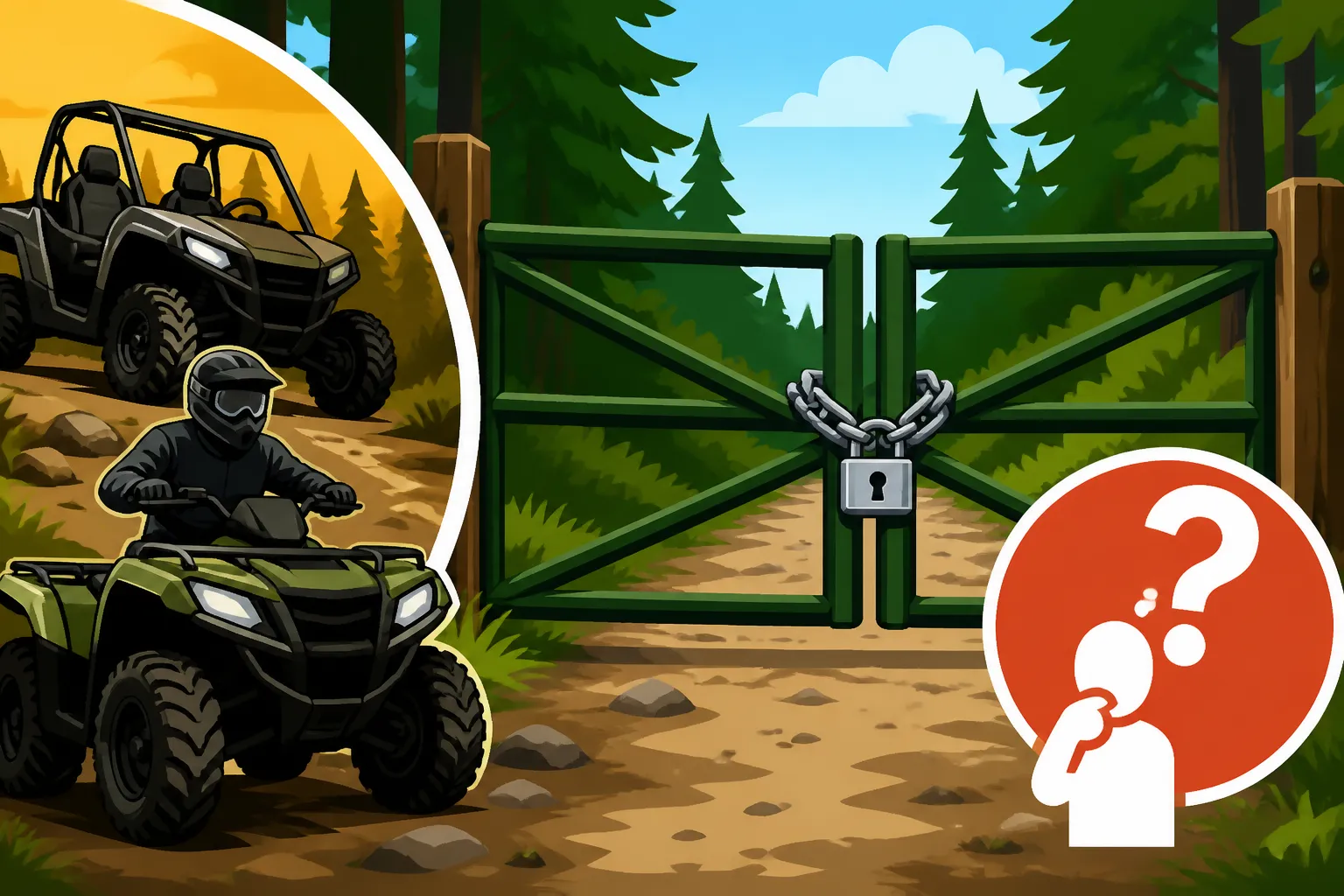
It can be incredibly frustrating to be out on your ATV or UTV, exploring what looks like a promising woods road or an old logging trail, only to be met by a sturdy, locked gate. That sudden barrier doesn't just block your path; it raises a lot of questions about where you can legally ride, what your rights are, and what exactly that gate means for your adventure. This guide aims to clear up the confusion surrounding locked gates on woods roads in Massachusetts, helping you understand the legal landscape and how to navigate these situations responsibly to keep both you and the riding community in good standing.
The Basics of Land Access and Ownership in Massachusetts
Before you even get to a locked gate, understanding the fundamental differences between public and private land, and the nuances of access, is absolutely crucial for any OHV rider in the Bay State. Massachusetts has specific rules governing where ATVs and UTVs can operate, and these rules are tightly coupled with land ownership.
Public vs. Private Land: What's the Difference for Riders?
When you're out riding, it's easy to assume that any dirt path winding through the trees is fair game, especially if it looks unmaintained or abandoned. However, the appearance of a woods road can be incredibly deceiving. Many of these paths, whether they're old logging routes, access roads for utility lines, or simply tracks carved out by property owners, are firmly on private land. Just because there isn't a "No Trespassing" sign every twenty feet doesn't mean you have an inherent right to ride there.
Public lands, like the state forests managed by the Department of Conservation and Recreation (DCR), are where you'll find legally designated OHV trails. These trails are specifically maintained and marked for ATV and UTV use, often with clear signage indicating the approved routes. Any road or path within a state forest that isn't explicitly marked as an OHV trail is generally off-limits. Relying solely on the look of a trail can lead you into significant trouble. It's always best to consult official maps and resources before heading out, as [Massachusetts ATV Trail Map Downloads] are available to help you plan your rides safely and legally.
Understanding Easements and Rights-of-Way
You might encounter situations where a woods road crosses private property but is used by utility companies, a neighbor for access, or even the town for maintaining infrastructure. These are often governed by easements or rights-of-way. An easement grants a specific party the right to use another's land for a particular purpose, such as running power lines or accessing a back parcel. However, a crucial point often misunderstood by riders is that these easements generally do not extend to public recreational use for ATVs or UTVs.
For instance, a power company might have an easement to maintain a transmission line through a private woodlot, and they might use a dirt road to access it. While they have a right to be there, that right doesn't magically transfer to you. Riding on such a road without the explicit permission of the underlying private landowner would still constitute trespassing. The rights-of-way are specific to the entity granted the easement, and unless that entity is specifically granting public OHV access (which is rare), it remains private property that requires landowner consent. This is why [Massachusetts Landowner Permission in Writing] is such a critical concept for riders to understand.
Interpreting a Locked Gate: Legal Ramifications for OHV Riders
When you encounter a locked gate on a woods road, it's not just a physical barrier; it's a clear legal statement from the landowner. Understanding this distinction is vital to staying out of trouble and respecting private property rights.
The Unmistakable Sign of Private Property
A locked gate, regardless of how old, rustic, or seemingly unused it appears, is the most unambiguous sign that the land beyond it is private and that access is strictly prohibited without explicit permission. It's the landowner's way of saying, "This is my property, and I do not want unauthorized individuals passing through." Even if you’ve ridden that road before and the gate was open, a newly locked gate changes the game entirely.
It signifies an intent to control access. Some riders might rationalize that an old, chain-link gate with a rusted lock isn't as serious as a brand-new, heavy-duty barrier, but legally, the message is identical. The lock acts as a physical representation of the "No Trespassing" sign, indicating that the property owner is actively managing access. Disregarding this clear signal can lead to immediate and severe consequences. This is also closely related to [Reading Posted Land Signs in the Berkshires], as a locked gate is essentially a highly effective, physical "No Trespassing" sign.
Trespassing and Its Consequences
Attempting to bypass, go around, climb over, or break a locked gate to access land beyond it is unequivocally trespassing. It doesn't matter if you think the land is abandoned, or if you believe you're not causing any harm; you are on private property without permission. Massachusetts has strict trespass laws, and landowners are within their rights to press charges.
The consequences of trespassing with an OHV can range from significant fines to the impoundment of your machine. In some cases, landowners might even pursue civil lawsuits for damages, especially if they believe your actions have caused any harm to their property or have infringed upon their peace. The Environmental Police, who enforce OHV laws, take trespassing seriously. Getting caught not only puts you in legal jeopardy but also casts a negative light on the entire OHV community, potentially jeopardizing future access to legal riding areas. Remember, [Massachusetts Penalties for Illegal Riding] can be quite substantial, and trespassing is a core violation. Moreover, a critical component of responsible riding is understanding [Massachusetts Rules for Riding Private Land] and adhering to them without exception. If you're unsure, it's always best to assume a road is private until you can confirm it's public and authorized for OHV use. The Massachusetts [Massachusetts Trespass Law for Riders] specifically outlines these legal boundaries.
Strategies for Navigating Gated Woods Roads Responsibly
Encountering a locked gate doesn't have to mean the end of your adventure, but it does mean a change of plans. Responsible riders approach these situations with preparation and respect.
Researching Your Route Before You Ride
One of the most effective ways to avoid the frustration of a locked gate is to do your homework before your tires ever hit the dirt. Pre-ride planning is paramount in Massachusetts, where public access trails can be limited. Don't just rely on hearsay or a vague memory of a trail. Utilize all available resources to map out your route thoroughly. This includes official state forest maps, which clearly delineate approved OHV trails, as well as digital mapping applications that offer satellite imagery to scout potential obstacles or property lines.
While town assessor's maps or county plat maps can sometimes show property lines, they are often complex and not designed for recreational navigation. For practical trail navigation, investing in or utilizing a GPS unit with robust mapping capabilities can be a game-changer. Accessories from companies like SuperATV often include specialized mounts for tablets or phones, allowing you to use advanced mapping software more easily on the trail. These tools can help you visualize potential gates, identify property boundaries, and ensure you're sticking to authorized paths. This kind of diligent preparation not only prevents frustrating turnarounds but also keeps you safely within legal riding areas.
Seeking Permission: The Only Legal Way to Cross a Locked Gate
Let's be clear: if a woods road beyond a locked gate genuinely leads to a destination you need to reach, or if you've identified an incredible trail on private land, the only legal and ethical way to proceed is to obtain explicit, written permission from the landowner. Anything less is trespassing. This isn't always easy, and often, permission for general recreational riding is not granted, but it is the correct protocol.
To seek permission, you'll first need to identify the landowner, which can often be done through local town hall records (assessor's office). Once identified, approach them politely and respectfully. Explain your intentions, assure them of your commitment to responsible riding, and ask for written permission. A simple verbal "yes" isn't sufficient; you need a physical document or an email clearly stating the terms of access. Remember, landowners have every right to deny access, and their decision should be respected. This due diligence is the cornerstone of [Getting Written Permission From a Berkshire Woodlot Owner] and other landowners across the state. Without it, that gate remains an impassable barrier.
Contributing to Responsible OHV Access and Trail Preservation
The future of OHV riding in Massachusetts relies heavily on the responsible actions of individual riders and the collective efforts of the riding community. By understanding and respecting land access rules, we can all contribute to preserving and expanding legal riding opportunities.
Supporting Public Trail Systems and Organizations
One of the most impactful ways to ensure you have places to ride and to mitigate the need to consider unauthorized routes is by actively supporting established public trail systems and the organizations that maintain them. Groups like the Berkshire Trails Council or local ATV clubs play a crucial role in working with landowners, the DCR, and other government agencies. These organizations often volunteer countless hours to maintain existing trails, clear blowdowns, and advocate for the development of new, legal OHV riding areas. They are the boots on the ground, building relationships and demonstrating the positive impact of responsible riders.
When you join a local club, participate in trail workdays, or contribute financially, you're directly investing in the future of riding. This collective effort not only helps to create and preserve legal access points but also fosters a positive image for the OHV community, which can be invaluable when discussions arise about potential new trails or access points. Remember, the fees you pay for registration, like those detailed in [Massachusetts Registration Fees Fund Trails], contribute to the OHV Trail Fund, which helps support these efforts.
Advocating for More Riding Opportunities
Beyond direct support, active advocacy is essential. Engage with your local and state representatives, attend public hearings when discussions about land use or trail access arise, and make your voice heard in a constructive and respectful manner. Showing up as a responsible rider, someone who understands and respects laws like [Massachusetts Bans Riding on Public Ways] and [Massachusetts Has No Street Legal Path], lends credibility to your arguments for more legal riding opportunities.
Every time you turn around at a locked gate instead of bypassing it, you're demonstrating respect for private property and the rule of law. This collective display of responsibility helps build trust with landowners and policymakers, which is vital for securing future trail access. By maintaining your machine with reliable components, perhaps even upgrading with robust suspension or protection from SuperATV, you're ensuring your machine is ready for the authorized trails, rather than attempting to forge new, illegal paths. It’s a long game, but by consistently acting as ambassadors for responsible riding, we can advocate for a future with more designated places to enjoy our ATVs and UTVs in Massachusetts.
| Trail Sign | Interpretation for OHV Riders | Recommended Action | Legal Status |
|---|---|---|---|
| Locked Gate | Clear indication of private property; access beyond is prohibited. | Turn around, do not attempt to bypass or break the gate. Research alternative routes or seek written permission. | Private, No Access |
| "No Trespassing" Sign | Explicit statement of private property; entry is forbidden. | Turn around immediately. Do not enter. | Private, No Access |
| Official OHV Trail Marker | Designated, legal trail for ATVs/UTVs. | Proceed with caution, follow trail rules. Ensure your machine is registered. | Public, Authorized Access |
| Open Gate (No other signage) | Often leads to private land, construction, or utility access. Assume private. | Do not enter unless explicitly verified as public OHV access or you have written permission. | Ambiguous, Assume Private |
| "Private Road" Sign | Road is on private property, even if it looks like a public way. | Do not enter unless you are an authorized user or have specific permission. | Private, No Access |
Disclaimer
This article is for general informational purposes only and does not constitute professional advice. Laws, prices and regulations vary by location and change over time. Consult a qualified professional for guidance on your specific situation.