Sharing a State Forest Trail With Hikers
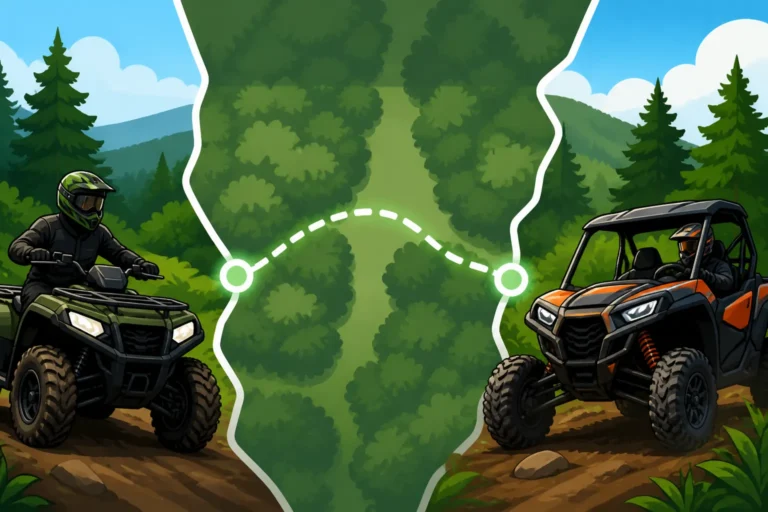
Picture this: you're out on your ATV, enjoying the deep woods of a Massachusetts state forest, maybe October Mountain or Beartown, feeling the sun on your face and the rumble of your machine under you. Suddenly, you round a bend and there they are – a group of hikers, enjoying a quiet walk, looking less than thrilled to see you. It's a common scene, and honestly, it can feel a little awkward, right? The truth is, many of our beloved state forests are multi-use trails, meaning hikers, mountain bikers, horseback riders, and us ATV and UTV enthusiasts are all meant to share the same precious natural spaces. This guide is all about navigating those shared trails, understanding different perspectives, and making sure everyone can enjoy Massachusetts's beautiful outdoors without unnecessary friction.
Understanding Why There's Tension on Multi-Use Trails
Let's be real: sometimes, it feels like oil and water. You've got folks seeking quiet solitude, the gentle crunch of leaves underfoot, and the peaceful sounds of nature. Then you've got us, bringing the thrill of a powerful engine, the kick-up of dust, and a faster pace. It’s no wonder there can be some tension. It's not about one group being "right" and the other "wrong," but rather about differing expectations and, sometimes, a lack of understanding. We all love these trails, but we often love them for very different reasons.
The Clash of Expectations
For many hikers, especially those seeking an escape from city noise, the sound of an ATV or UTV can be jarring. They might be out there specifically to listen to birdsong or the rustling leaves, and a passing machine, even one with a well-maintained muffler, can temporarily shatter that tranquility. Imagine you're deep in meditation, and suddenly a loud noise breaks your concentration. It's a similar feeling for them. This isn't an attack on your choice of recreation; it's simply a difference in what they're seeking from their outdoor experience. They might envision a pristine wilderness untouched by machinery, while we envision the adventure and access that our machines provide.
This clash is often fueled by a bit of misunderstanding. Hikers might not realize how much effort we put into maintaining our machines, ensuring they meet sound regulations, or how much we, too, appreciate the beauty of the trails. Similarly, we might sometimes forget that for a hiker, a brief encounter with a motorized vehicle can feel like an intrusion on their peace. It's a perception gap, pure and simple, and bridging it starts with acknowledging it.
Noise, Dust, and Perceived Damage
Beyond the immediate sound, there are other factors that contribute to hiker concerns. Dust, for example, especially on dry days, can be a major irritant. Nobody wants to breathe in dust kicked up by another trail user, whether they're on foot or on wheels. It gets on clothes, in eyes, and can simply make for an unpleasant experience. This is particularly true if we pass at high speeds without slowing down to minimize the impact.
Then there's the perception of trail damage. While we know responsible ATV and UTV riders work hard to stay on marked trails and avoid environmental harm, some non-motorized users may harbor concerns about erosion, ruts, or impact on delicate ecosystems. There's a persistent stereotype out there about off-road vehicles tearing up the land, and even if it's unfair to the majority of us, it's a perception we have to be aware of. Using good quality tires designed for minimal impact and ensuring our machines are in top condition, maybe even with some robust SuperATV skid plates to protect vital components, shows a commitment to responsible riding that can help counter these narratives. Ultimately, every action we take on the trail contributes to the overall impression of our user group.
Safety Concerns and Speed Differentials
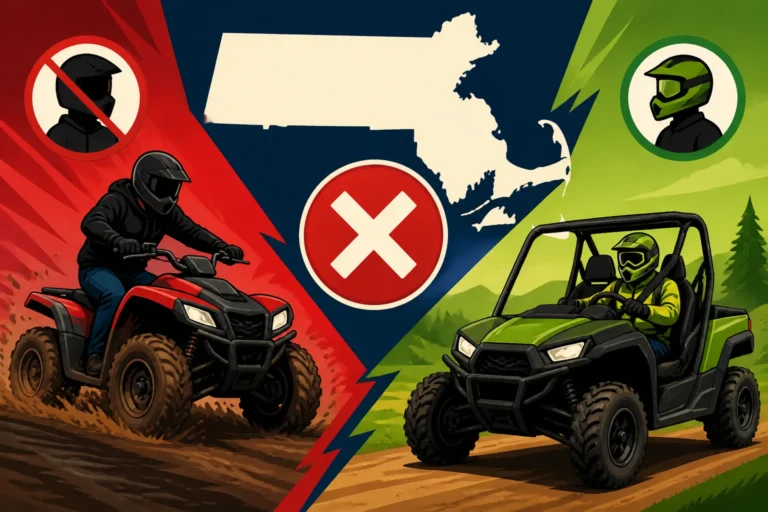
Another significant point of contention is safety, particularly when it comes to speed. Hikers, and especially those with children or dogs, may worry about faster-moving vehicles surprising them on blind corners or narrow sections of trail. The speed differential between a person walking and a machine riding, even at a moderate pace, is substantial. This can create a feeling of vulnerability for pedestrians, who don't have the same protective gear or a metal cage around them. [Massachusetts Helmet Law for Every Rider] is a good start for our own safety, but we also need to consider the safety of others.
It’s crucial to remember that a quick glance over your shoulder might not be enough to spot a small child or a dog on a leash that’s not immediately visible. Their reactions might be unpredictable, too. A dog might bark or lunge, and a child might dart out unexpectedly. This isn't to say that OHV riders are inherently unsafe, but rather that the dynamics of sharing a trail where speeds vary so greatly require extra caution and a deep sense of responsibility from those of us on motorized machines. The onus is often on the faster, heavier vehicle to yield and ensure a safe passing.
Practical Etiquette for OHV Riders on Shared Trails
So, what can we do to make these encounters smoother and more positive? It really boils down to courtesy, awareness, and common sense. Think about how you’d want to be treated if you were the hiker, enjoying a peaceful stroll. A little empathy goes a long way in de-escalating potential tension and fostering a more harmonious environment for everyone. We want to be seen as responsible stewards of the land, not just thrill-seekers.
Slow Down and Yield to Others
This is perhaps the most critical rule: always slow down significantly when approaching other trail users. I mean really slow down, to walking speed or even a complete stop if necessary. Dust is the number one complaint, and simply reducing your speed to a crawl as you pass greatly minimizes the dust cloud you create. It also sends a clear message: "I see you, I respect your space, and I'm not here to disturb your experience." This small gesture can make a huge difference in how you're perceived.
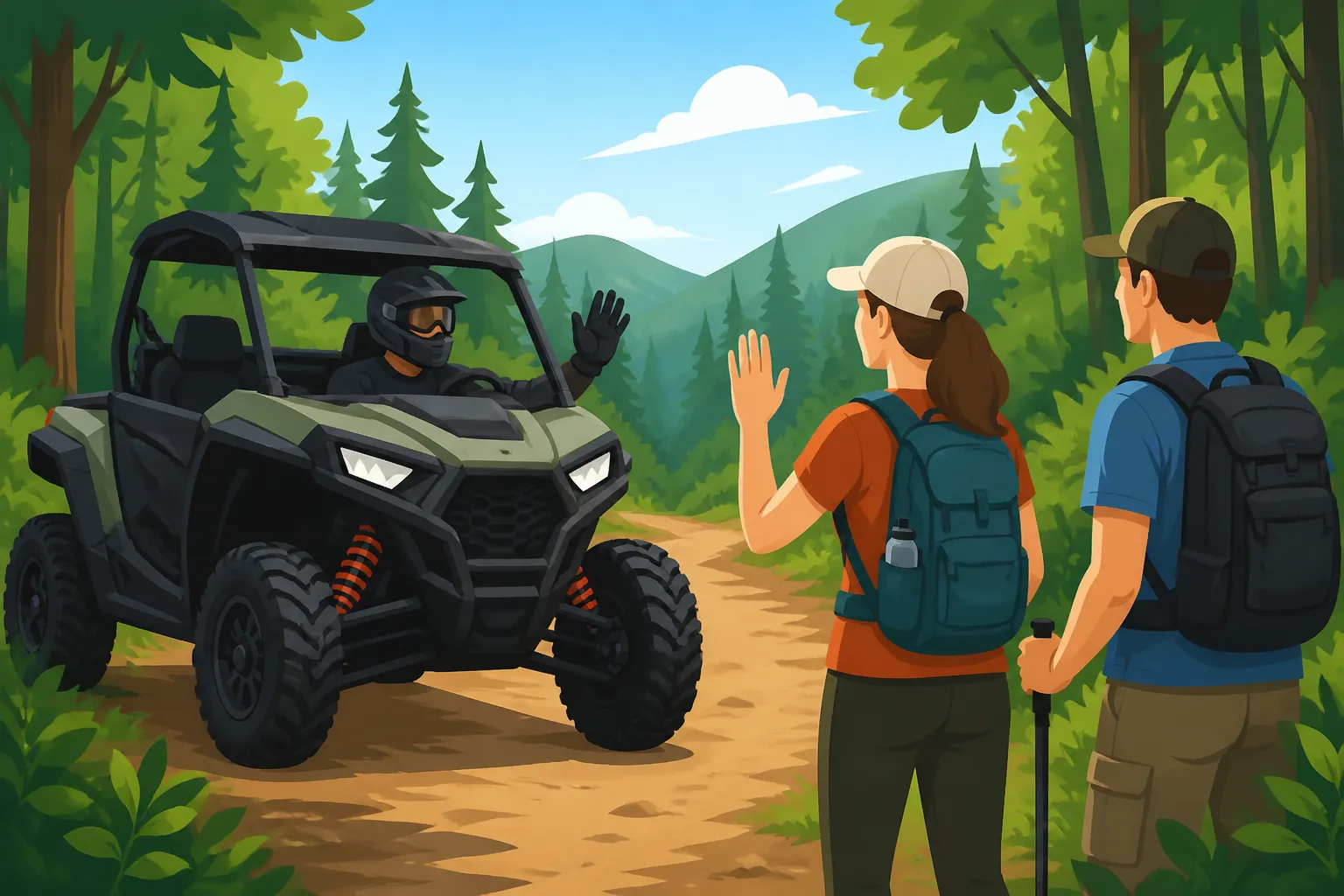
When you encounter hikers, mountain bikers, or horseback riders, you, as the operator of a motorized vehicle, should always yield the right of way. Pull over to the side of the trail, turn off your engine if you're going to be stopped for more than a few seconds, and let them pass. Offer a friendly wave or a nod. It’s not about asserting dominance; it’s about sharing the space courteously. Remember, [Massachusetts Trail Etiquette Locals Expect] places a high value on respecting all users.
Mind Your Noise and Emissions
While our machines naturally make noise, we have a responsibility to keep it within reasonable limits. Ensure your exhaust system is well-maintained and meets legal requirements. Avoid aftermarket modifications that increase sound levels unnecessarily. It might be exciting to have a roaring engine on the open trail, but it’s far less charming when you’re passing within earshot of someone seeking peace. Think about how a good quality exhaust system, perhaps one that meets strict environmental standards, helps everyone enjoy the trails.
Similarly, be mindful of emissions. Keep your machine properly tuned to minimize exhaust fumes. Nobody wants to walk through a cloud of smoke. Regular maintenance isn't just good for your machine – ensuring it’s running efficiently with the help of quality parts, like those from SuperATV, also makes you a more considerate trail user. This demonstrates respect for both the environment and other people sharing the air.
Communicate and Be Friendly
A simple "hello" or "how's it going?" can defuse a lot of potential tension. Make eye contact, offer a smile, and be genuinely friendly. If you’re coming up behind someone, give them a polite, verbal warning like "On your left!" or "ATV behind you!" so you don't startle them. A gentle tap of your horn (if it's not too loud) can also work, but always follow up with a verbal greeting.
If you encounter an issue, like a fallen tree or a muddy section, communicate that to other trail users. A quick heads-up can prevent someone else from having a bad experience. This kind of interaction fosters a sense of community on the trails. Most people, regardless of their mode of transport, appreciate courtesy and a friendly face. It shows you're not just a machine on wheels; you're a person who cares about the shared outdoor experience.
Educating Yourself and Others for Better Trail Harmony
Being a responsible rider isn't just about what you do when you see a hiker; it's about being prepared and informed. Knowing the rules, understanding trail conditions, and even connecting with other user groups can all contribute to a more positive multi-use trail experience for everyone in Massachusetts. Our actions speak volumes, and an informed rider is a good ambassador for the entire OHV community.
Know the Rules of Each Trail
Not all trails are created equal. Some state forests in Massachusetts, like Beartown State Forest, October Mountain State Forest, and Pittsfield State Forest, are designated for multi-use with OHVs. However, others may be strictly for non-motorized use, or have specific restrictions. It's your responsibility to know where you are allowed to ride. [Massachusetts ATV Trails: Three Berkshire Forests] are a great place to start learning. Always check the Massachusetts Department of Conservation and Recreation (DCR) website or call the specific state forest office before you head out. Don't assume. Ignorance of the rules is never an excuse, and riding illegally can damage relationships with other trail users and lead to fines under [Massachusetts Penalties for Illegal Riding].
Always look for posted signs at trailheads. They often provide crucial information about allowed uses, closures, and specific etiquette guidelines for that particular area. Some trails may have seasonal closures, like during [Massachusetts DCR Riding Season], or temporary closures due to weather or maintenance. Being informed helps you avoid accidental trespass and keeps you on the right side of the law and trail etiquette.
Minimize Your Environmental Impact
Every rider has a role to play in protecting the natural beauty of Massachusetts. Stay on marked trails at all times. Riding off-trail can damage sensitive vegetation, cause erosion, and disturb wildlife. Avoid excessively muddy areas if possible, as riding through them repeatedly can widen trails and deepen ruts. If you absolutely must pass through a muddy section, do so responsibly and avoid spinning your tires excessively. This is where durable components, perhaps an upgraded driveshaft from SuperATV, can give you the traction you need without tearing up the ground.
Pack out everything you pack in. Leave no trace. This includes fuel containers, snack wrappers, and any other trash. If you see litter left by others, consider picking it up if it's safe to do so. Our goal should be to leave the trail in better condition than we found it. When other trail users see us actively caring for the environment, it helps build trust and respect for the OHV community.
Joining OHV Clubs and Advocacy
One of the best ways to promote responsible riding and bridge gaps with other user groups is to get involved. Joining a local ATV or UTV club in Massachusetts can provide you with opportunities to participate in trail maintenance, learn about new regulations, and even advocate for more responsible trail use. These clubs often work directly with the DCR and other land managers, helping to clear trails, build bridges, and educate members on proper etiquette. [Massachusetts ATV Clubs Worth Joining] are a great resource.
By being part of an organized group, you demonstrate a commitment to the long-term sustainability of our riding areas. Clubs can also act as a collective voice to address concerns from other user groups and represent our interests responsibly. When we work together, we can show that OHV riders are not just consumers of the trails, but active contributors to their upkeep and preservation, fostering a spirit of cooperation rather than conflict.
Promoting a Shared Future on Massachusetts Trails
Ultimately, the goal is for all users to feel welcome and safe on Massachusetts's beautiful multi-use trails. This isn't just about avoiding conflict; it's about actively fostering an environment where everyone can enjoy nature in their own way. A shared future means understanding, respecting, and working together.
Shared Trail Etiquette Checklist
To make it easy, here's a quick checklist that can guide your interactions and ensure you're being the best possible trail citizen on a multi-use path. Keeping these points in mind can help make every encounter a positive one.
| Action Item | Why It Matters |
|---|---|
| Slow Down when approaching others | Minimizes dust, reduces noise, shows respect, increases safety. |
| Yield Right of Way to non-motorized users | Motorized vehicles are generally expected to yield to pedestrians, bikes, horses. |
| Be Friendly & Communicate | A wave, a smile, or a "hello" can defuse tension and build goodwill. |
| Stay on Marked Trails | Prevents environmental damage, erosion, and preserves delicate ecosystems. |
| Maintain Your Machine | Reduces noise, emissions, and breakdowns that could block trails. |
| Pack It In, Pack It Out | Keeps trails clean and pristine for all users. |
| Educate Yourself on trail rules | Avoids illegal riding, ensures compliance with specific park regulations. |
| Be Prepared for unexpected encounters | Helps you react calmly and safely to children, pets, or horses on the trail. |
| Consider a Quiet Exhaust | Reduces overall noise footprint, especially in sensitive areas. |
| Avoid Excessive Speed | Reduces perceived danger, dust, and increases reaction time for hazards. |
Respecting the Natural Environment
Our enjoyment of the trails is directly tied to the health of the natural environment. Beyond just staying on the trail and picking up trash, think about the bigger picture. Are you reporting trail damage, like major washouts or downed trees, to the DCR? Are you participating in clean-up days with your local club? Every bit of effort contributes to the longevity and beauty of these spaces for everyone. [Massachusetts Registration Fees Fund Trails] and [The OHV Trail Fund Your Sticker Pays Into] directly support these efforts, so we're already contributing financially. Let's make sure our actions align with that investment.
Consider investing in aftermarket parts that enhance both performance and environmental responsibility. For instance, high-quality air filters can reduce emissions, and durable tires designed for various terrains can minimize rutting. A well-maintained machine, with parts from reputable suppliers like SuperATV, not only performs better but also reduces its overall impact on the environment. This commitment benefits everyone who enjoys the outdoors.
Building Bridges, Not Walls
The future of multi-use trails depends on our ability to coexist peacefully. This means understanding that different people seek different things from their outdoor experiences, and all those experiences are valid within the designated rules. Instead of viewing other trail users as obstacles, view them as fellow outdoor enthusiasts. We all share a common love for Massachusetts's natural beauty.
Perhaps your local OHV club could host an "Open Trail Day" where you invite hikers or mountain bikers to learn about ATVs and UTVs, emphasizing safety and responsible riding. Or maybe you could join forces with a hiking group for a joint trail clean-up event. These kinds of initiatives can break down stereotypes and build genuine relationships. The more we communicate and collaborate, the stronger our collective voice will be in preserving and expanding access to our cherished trails for all to enjoy. It’s about being part of the solution, not adding to the problem.
Disclaimer
This article is for general informational purposes only and does not constitute professional advice. Laws, prices and regulations vary by location and change over time. Consult a qualified professional for guidance on your specific situation.