Massachusetts Bans Riders Under 14
It's a tough pill to swallow for many families, especially those new to the Bay State's off-road scene or parents who grew up riding ATVs themselves. You've got a young, eager rider, maybe a new quad sitting in the garage, and then you discover that Massachusetts has some of the strictest laws in the nation when it comes to kids and ATVs. The frustration is real when you realize your child can't just hop on and ride, even on your own property. This guide is here to untangle the complexities of Massachusetts' youth ATV laws, particularly the ban on riders under 14, to help you understand what's allowed, what's not, and how to keep your family riding safely and legally.
Understanding "Sean's Law": The Massachusetts Ban on Young Riders
The journey into Massachusetts' ATV regulations for young riders often begins with a harsh reality: the state has a blanket ban on anyone under the age of 14 operating an all-terrain vehicle, with very limited exceptions. This isn't just a suggestion; it's a deeply entrenched legal framework known colloquially as "Sean's Law."
The Tragic Origin and Legislative Impact
"Sean's Law" didn't just appear out of nowhere; it was born from tragedy. In 2008, a 13-year-old boy named Sean Mulvey died in an ATV accident in Swansea, Massachusetts. This heartbreaking incident, coupled with other youth-related ATV fatalities, galvanized advocates and legislators to take action. Before this law, Massachusetts had a more lenient approach, largely focused on supervised riding. However, the severity of the accidents and the perceived ineffectiveness of previous regulations led to a complete overhaul.
The new legislation, enacted in 2010, significantly tightened the reins on youth ATV operation. It shifted the focus from merely requiring supervision to outright prohibiting riders under a certain age. This move was intended to drastically reduce the number of accidents involving young, inexperienced operators, recognizing that even with adult supervision, the inherent risks of ATV riding for children were deemed too high. It was a clear statement that the state prioritized child safety above all else, even if it meant restricting what many considered a family recreational activity. You can learn more about its history in [Sean's Law: The 2010 Ban Named for a Boy].
Why the Strict Stance? Public Safety and Liability Concerns
The strictness of Massachusetts' youth ATV laws, particularly the under-14 ban, stems from a combination of public safety concerns and the desire to mitigate liability. Lawmakers and safety advocates pointed to data suggesting that younger children often lack the physical strength, coordination, judgment, and cognitive ability required to safely operate powerful off-road machines. They might not fully grasp the concept of risk, anticipate hazards, or react appropriately in emergency situations, especially when encountering varied terrain like that found in the Berkshire forests.
Furthermore, there's a significant liability aspect. When a child is injured on an ATV, especially if the law is violated, the consequences for parents, landowners, and even event organizers can be severe. The state’s intention was to create a clear boundary, making it unequivocally illegal for young children to ride, thereby reducing the potential for catastrophic injuries and subsequent legal battles. This strong stance means that even if you own private land, the law still applies. Many parents are surprised to learn that [Why Under-14 Riders Are Banned on Private Land Too], showing just how encompassing this legislation truly is.
Who is Affected? Age Restrictions and Engine Size Limits
Massachusetts's ATV laws are meticulously structured around age, not just a blanket ban. It's crucial for every off-road enthusiast, especially parents, to understand these specific tiers because they dictate who can ride what, and where. This isn't just about prohibiting the youngest riders; it’s about a progression of responsibility and capability.
The Absolute Ban: Riders Under 14
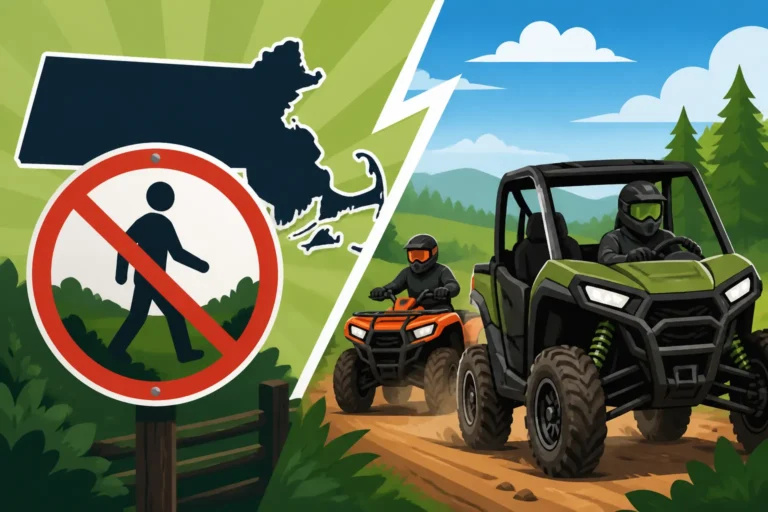
Let's start with the most critical point: if your child is under 14 years old, they are generally prohibited from operating an ATV in Massachusetts. This is the cornerstone of "Sean's Law," and it applies across the board, whether you're on public trails, private property, or anywhere else within the state's borders. There are very, very limited exceptions, primarily for participation in sanctioned, closed-course events that have received specific municipal approval, and even then, there are strict rules regarding supervision and machine type.
This means that if you're a parent with a 12-year-old who dreams of riding, Massachusetts law says "no" to general recreational riding. This can be a huge disappointment for families coming from states with more permissive laws or for those who grew up riding at a young age. The law explicitly states that a person under 14 years of age "shall not operate any recreational vehicle." This prohibition extends even to smaller, youth-sized machines that might seem appropriate. The state's position is that even these smaller machines pose significant risks to riders below this age threshold.
Progression for Older Youth: 14 to 16 Years Old
Once a rider turns 14, the door to ATV riding in Massachusetts doesn't swing wide open, but it does crack a little. For riders aged 14 to 16, they may operate an ATV, but only under specific conditions. The most significant condition here is the engine size limit: they are restricted to operating an ATV with an engine capacity of 90 cubic centimeters (cc) or less. This is a critical detail, as many popular youth ATVs actually exceed this limit.
Furthermore, these riders must be under the direct supervision of an adult who is at least 18 years old. This isn't just about having an adult present; it means continuous visual contact and verbal communication. The supervising adult must also understand their legal obligations, as [Supervising Adults Are Liable for a Rider's Violation]. This tier is designed to allow young teens to gain experience on less powerful machines while still benefiting from immediate adult oversight. It acknowledges a developing capacity for judgment and physical control but maintains a safety net. The precise details of [The 90cc Engine Cap for Riders 14 to 16] are crucial for compliance.
Stepping Up: 16 and 17 Years Old
For riders who are 16 or 17 years old, the rules relax slightly further, but important conditions still apply. At this age, the 90cc engine size restriction is lifted, meaning they can operate larger, more powerful ATVs. However, they are still required to hold a valid OHV (Off-Highway Vehicle) safety certificate. This certificate demonstrates that they have completed an approved safety course, proving a baseline understanding of safe operation, trail etiquette, and the rules of the road (or rather, the trail!).
Supervision requirements also change. While they still must operate under the general supervision of an adult (18 years or older) on public lands, the definition of "supervision" becomes less stringent than for the 14-16 age group. The adult doesn't necessarily need to maintain continuous visual contact, though being nearby and available is still expected. This age group is seen as having developed sufficient maturity and skill to operate larger machines, provided they have the formal safety training. It's a bridge to adult riding, emphasizing education as the key to increased freedom. All these age-based rules are part of the comprehensive [Massachusetts ATV Age Requirements].
Here's a quick summary of the age and machine restrictions:
| Age of Rider | Engine Size Limit | Supervision Required | Safety Certificate Required | Notes |
|---|---|---|---|---|
| Under 14 | None (Prohibited) | Yes (Sanctioned Events Only) | Yes (Sanctioned Events Only) | General ban; very limited exceptions for sanctioned, approved events. |
| 14 to 16 Years | 90cc or Less | Direct, Continuous (Adult 18+) | Yes | Must ride under continuous visual and verbal supervision on approved machines. |
| 16 to 17 Years | No Engine Size Limit | General (Adult 18+) | Yes | Can ride larger machines; general adult supervision required on public lands. |
| 18 Years and Up | No Engine Size Limit | No | No (Recommended) | No legal requirements for supervision or certificate, but training is always a good idea. |
The Role of Parental Supervision and Safety Certificates
Beyond just the age and engine size, Massachusetts places significant emphasis on two pillars of youth ATV safety: active parental (or adult) supervision and formal safety education through certification. These aren't just suggestions; they are legally mandated components designed to ensure that when young riders are allowed on a machine, they are as prepared and protected as possible.
Defining "Supervision" and Adult Responsibility
For riders aged 14 to 16, the law requires "direct supervision" by an adult at least 18 years old. What does "direct supervision" actually mean in the context of ATV riding? It's much more than just being in the same general area. It implies continuous visual contact, meaning the supervising adult must be able to see the young rider at all times. This often means riding alongside them, or at least within very close proximity. Furthermore, it implies the ability to provide immediate verbal communication, whether through direct yelling, hand signals, or even helmet-to-helmet communicators. The idea is that the adult can intervene instantly if a dangerous situation arises or if the young rider needs guidance.
The gravity of this responsibility cannot be overstated. Massachusetts law specifically states that the supervising adult can be held liable for any violations committed by the young rider under their charge. This means that if the 15-year-old under your supervision violates a trail rule, is riding an oversized machine, or causes an accident, the adult supervisor could face fines, penalties, or even civil action. This isn't a passive role; it's an active commitment to safety and adherence to the law. Understanding [How Close a Supervising Adult Has To Stay] is crucial for anyone taking on this role.
The Mandatory Safety Certificate Program
For any rider between the ages of 14 and 17 (inclusive), obtaining an OHV safety certificate is not optional; it's a legal requirement. This certificate proves that the rider has successfully completed a state-approved safety education course. These courses are typically offered in two parts: an online or classroom component covering theoretical knowledge, and a mandatory in-person skills test. The classroom portion delves into topics like Massachusetts ATV laws, safe operating procedures, environmental awareness, first aid basics, and proper equipment use.
The skills test, often conducted by certified Environmental Police instructors or authorized partners, requires the rider to demonstrate practical control over an ATV, navigating obstacles, understanding braking techniques, and performing emergency maneuvers. It's a hands-on assessment to ensure the rider possesses the physical capability and decision-making skills to operate the machine safely. For youth under 16, there's an added layer: their parent or legal guardian must attend the classroom portion of the course with them. This ensures that parents are also fully aware of the laws and safety principles. The state's [Massachusetts Two-Part Safety Course] and [Massachusetts Parents Must Attend Under 16] policies are designed to instill a comprehensive understanding of ATV safety for both young riders and their guardians. Carrying this certificate is vital, especially on public lands, as detailed in [Carrying a Safety Certificate on State Land].
Where You Can and Cannot Ride: Land Use Rules for Youth
Massachusetts has stringent rules not only about who can ride an ATV but also where they can ride. These land use regulations are particularly strict for young riders, adding another layer of complexity for families looking to enjoy off-road recreation. It's not enough to comply with age and engine size limits; you must also be on approved terrain.
Public Lands: Designated Trails Only
For all ATV riders in Massachusetts, especially youth, public lands are heavily regulated. Generally, you may only operate an ATV on designated, marked OHV trails within state forests or parks that explicitly allow ATVs. The vast majority of Massachusetts state forests and parks do not permit ATV use. Currently, the primary public riding opportunities are limited to a few specific state forests in Western Massachusetts, such as Beartown State Forest, October Mountain State Forest, and Pittsfield State Forest. Even within these areas, riders must stick to the marked trails; venturing off-trail or onto undesignated paths is strictly prohibited and can lead to significant penalties.
For young riders, this means their access to public trails is limited to these specific locations, and they must always comply with their age-specific requirements regarding supervision and safety certificates. It's not uncommon for Environmental Police officers to conduct spot checks at trailheads, verifying registration, proof of ownership, and, critically, safety certificates and proper supervision for youth riders. Understanding these limitations is key to avoiding fines and ensuring a legal and enjoyable outing. When planning a ride, always consult the Massachusetts Department of Conservation and Recreation (DCR) website for current trail statuses and rules.
Private Land: Owner Permission is King, But Age Rules Still Apply
Riding on private land might seem like a straightforward solution, but Massachusetts law still imposes significant restrictions, especially for youth. While obtaining written permission from the landowner is absolutely essential for any rider on private property, the age restrictions for youth riders remain in effect. This means that even if you own a large tract of land in the Berkshires, your child under 14 is still generally prohibited from operating an ATV on it.
For riders aged 14 and older, with the proper safety certificate and supervision (where required), riding on private land with explicit written permission is generally allowed. However, even on private land, there are other important rules to consider. For example, operating an ATV within 150 feet of a dwelling (unless you have specific permission from that dwelling's owner) is generally prohibited due to noise and disturbance concerns. [Massachusetts Requires Written Permission] from landowners to prevent trespassing, which is a serious offense. This means a casual wave or verbal "sure" won't cut it if an Environmental Police officer questions your presence; you need something in writing.
Sanctioned Events: The Rarest Exception
The only true exception to the under-14 ban, and a heavily restricted one at that, is participation in sanctioned, closed-course events. These are typically organized races or training events held on private property specifically designed for competition or instruction, and they require municipal approval. Even within these events, strict safety protocols, professional supervision, and specialized youth machines are mandated. For example, [Under Ten and a Sanctioned Event Only] describes how even the youngest riders might participate, but under extremely controlled circumstances, and usually on machines far less powerful than standard ATVs.
These events are not common and require extensive planning and permits. They are certainly not a loophole for general recreational riding. For a parent, navigating the rules for such events would involve contacting specific event organizers and local municipal authorities to understand the precise waivers, safety requirements, and age-specific machine guidelines that apply. For the vast majority of families, the general ban on riders under 14 will dictate their ATV activities.
Penalties for Non-Compliance: What Happens If the Rules Are Broken
Ignoring Massachusetts's youth ATV laws isn't just a matter of getting a stern talking-to; it carries tangible legal and financial consequences. The state takes these regulations very seriously, and Environmental Police officers are empowered to enforce them rigorously. Understanding the penalties is crucial for any parent considering letting a child ride in violation of the law.
Fines and Citations for Violations
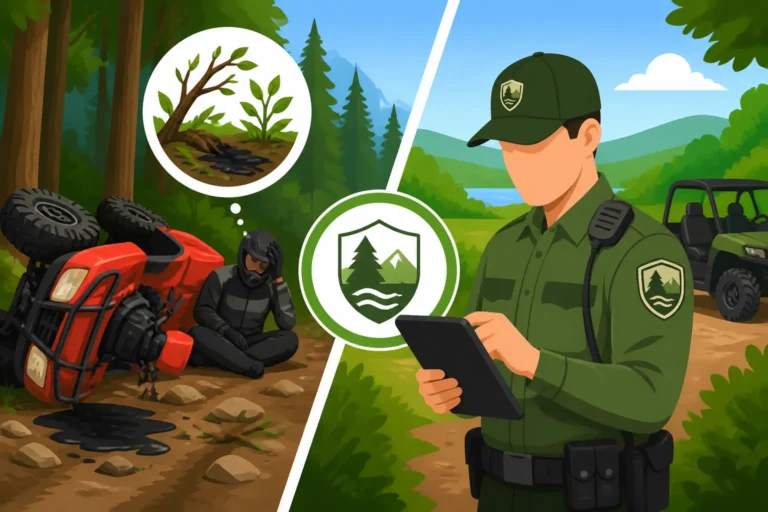
The most immediate consequence of violating Massachusetts ATV laws, especially those pertaining to youth, is a citation and a fine. The amounts can vary depending on the specific infraction, but they are not insignificant. For example, allowing a child under 14 to operate an ATV, or allowing a 14-16-year-old to ride without proper supervision or on an oversized machine, can result in substantial monetary penalties. These fines are often codified under Massachusetts General Laws, Chapter 90B, and are designed to act as a deterrent.
It's not just the child who can be cited either. If a young rider is caught violating the law, the supervising adult or the parent who allowed the infraction can also receive a citation. This underscores the state's view that adults bear the primary responsibility for ensuring compliance. These fines can quickly add up, turning what was intended to be a fun family outing into a costly legal headache. [Massachusetts Fines for Riding Under 14] can be particularly steep, reflecting the severity with which the state views this specific violation.
Parental Liability and Machine Seizure
Beyond fines, parents and supervising adults face broader liability. As mentioned, [Supervising Adults Are Liable for a Rider's Violation], meaning they can be held accountable for any damages or injuries caused by the young rider's actions. This can extend to civil lawsuits if the rider causes property damage or injury to another person. The financial implications of such liability can be devastating, far exceeding the initial fines.
In severe cases of non-compliance, particularly repeat offenses or dangerous operation, Environmental Police have the authority to seize the ATV itself. This means the machine could be impounded, and the owner would have to go through a legal process, often including paying fees and proving compliance, to get it back—if it's returned at all. The thought of losing an expensive off-road vehicle like a quality machine from SuperATV or similar manufacturers is a strong incentive for adherence to the law. This potential for seizure serves as a powerful enforcement tool, emphasizing the state's zero-tolerance policy for serious violations. All of these measures fall under the umbrella of [Massachusetts Penalties Under Sean's Law].
Long-Term Consequences and Insurance Impacts
While not always immediate, violating ATV laws can have long-term consequences. Repeated infractions could potentially lead to more severe legal actions, or even impact future recreational vehicle registrations. Furthermore, if an accident occurs while a youth rider is operating an ATV illegally (e.g., under age, without a certificate, or without supervision), any insurance policy you might have for the machine could be null and void. Insurance companies often have clauses that exclude coverage for illegal activities.
This means that if your child is injured, or injures someone else, while riding illegally, you could be left footing the bill for medical expenses, property damage, and legal fees entirely out of pocket. This financial exposure is a significant risk that parents must consider. The state's strict regulations, including [Massachusetts Parent Liability for a Young Rider], are designed to prevent such situations by encouraging strict compliance from the outset.
Ensuring Compliance: Gear, Maintenance, and Responsible Riding Habits
Navigating the complexities of Massachusetts's youth ATV laws can feel daunting, but complying isn't just about avoiding penalties; it's fundamentally about ensuring the safety and well-being of young riders. Beyond the legal mandates, there are practical steps parents can take to foster responsible riding habits and minimize risks when a child is old enough to legally ride.
Essential Safety Gear for Every Ride
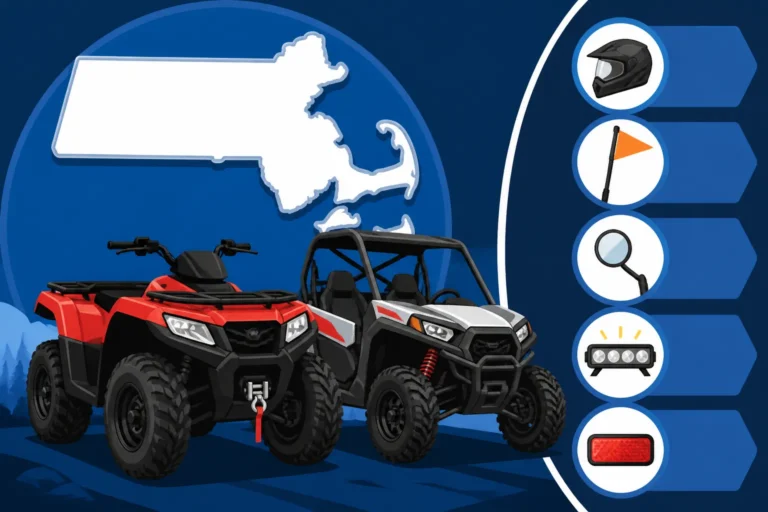
Proper safety gear is non-negotiable for all ATV riders, especially youth. Massachusetts has a mandatory helmet law, stating that "every person operating or riding on a recreational vehicle shall wear a helmet." This isn't just any helmet; it must meet specific safety standards, such as those set by the Department of Transportation (DOT). A bicycle helmet or a construction hard hat simply won't suffice. Choosing a well-fitting, DOT-approved helmet is the first and most critical step.
Beyond the helmet, other essential gear includes eye protection (goggles or a face shield), over-the-ankle boots to protect against sprains and impacts, gloves for grip and hand protection, and long pants and a long-sleeved shirt to guard against scrapes, branches, and sun exposure. Investing in proper riding attire, even a full chest protector for younger, less experienced riders, can significantly reduce the severity of injuries in the event of a fall. High-quality gear, like specialized off-road components and accessories you might find from SuperATV, contributes to a safer and more enjoyable experience, protecting the rider from the elements and potential impacts. Knowing [Massachusetts Helmet Law for Every Rider] is a basic requirement.
Regular Machine Maintenance and Checks
A safe ride starts with a safe machine. Regular maintenance is crucial for preventing mechanical failures that could lead to accidents, especially when a young rider is at the controls. Before every ride, a quick pre-ride inspection should become a habit. This includes checking tire pressure, brake functionality, fluid levels (oil, coolant), chain tension (if applicable), and ensuring all lights and safety switches are operational. It's also wise to check for any loose bolts or worn components.
Beyond daily checks, adhering to the manufacturer's recommended service schedule is vital. This typically involves periodic oil changes, air filter cleaning or replacement, spark plug checks, and more in-depth inspections of suspension, steering, and drivetrain components. Teaching young riders about basic machine upkeep can also instill a sense of responsibility and awareness. A well-maintained ATV performs predictably, making it safer and more enjoyable for the rider. Ensuring the machine is in top condition is a parental responsibility, reducing the chances of an unexpected breakdown far from home on a Berkshire trail.
Fostering Responsible Riding Habits
Even when all legal requirements are met and the gear is on point, instilling responsible riding habits is paramount. This includes emphasizing trail etiquette, such as yielding to hikers and horses, staying on marked trails, and respecting private property boundaries. Teaching young riders to always ride within their skill level, avoid excessive speeds, and anticipate changing terrain can prevent many accidents.
Encouraging them to communicate openly about their comfort level and any challenges they face is also important. For instance, if a rider feels a section of trail is too difficult, they should feel empowered to stop and seek an alternative. Setting a good example as an adult rider, consistently demonstrating safe practices, and making safety the priority over thrill-seeking will naturally teach younger riders valuable lessons that extend far beyond the specific legal requirements. After all, the goal is not just to comply with the law, but to cultivate a lifetime of safe and enjoyable off-road adventures.
Dispelling Common Myths About Massachusetts Youth ATV Laws
When dealing with complex regulations like Massachusetts's youth ATV laws, misconceptions can easily arise. These myths often stem from personal experiences in other states, anecdotal stories, or a misunderstanding of the strict legislative intent behind "Sean's Law." Clearing up these common misunderstandings is essential for parents to ensure full compliance and avoid unintended consequences.
Myth 1: "It's My Land, My Rules"
One of the most pervasive myths is the belief that if you own the land, state laws regarding ATV operation for minors don't apply. Many parents think, "As long as my child is on our private property, they can ride whatever they want, regardless of age." This is unequivocally false in Massachusetts, especially concerning the under-14 ban. [Why Under-14 Riders Are Banned on Private Land Too] emphasizes this point directly.
Reality: Massachusetts General Laws, Chapter 90B, specifically states that a person under 14 years of age "shall not operate any recreational vehicle." This prohibition applies everywhere in the state, including private property, unless it's a sanctioned, municipally approved closed-course event (which is an extremely rare exception for general riding). The law aims to protect children from operating inherently dangerous machinery until they reach a certain developmental stage, regardless of the property ownership. An Environmental Police officer can issue citations on private land if these age restrictions are violated.
Myth 2: "If It's a Small 'Kid's Quad,' It's Fine"
Another common misconception is that if the ATV is specifically designed and marketed for children, with a small engine, it's exempt from the strict age requirements. Parents might purchase a 50cc or 70cc "youth quad" believing it's suitable for their 8-year-old.
Reality: For riders under 14, no ATV, regardless of engine size, is legally permitted for general recreational operation in Massachusetts. The ban is absolute based on age. For riders aged 14 to 16, there is an engine size limit of 90cc or less, but they still must meet the supervision and safety certificate requirements. So, while a small machine might be appropriate for a 15-year-old, it is still off-limits for a 12-year-old. The focus remains on the rider's age and maturity, not solely the machine's capabilities, particularly for the youngest cohort.
Myth 3: "My Child Is a Skilled Rider, So It's Okay"
Many parents feel their child is exceptionally skilled for their age, perhaps having ridden dirt bikes or even ATVs in other states with more lenient laws. They might argue that their 13-year-old has excellent control and judgment, making the law feel unnecessary or unfair in their specific case.
Reality: While skill and experience are vital components of safe riding, Massachusetts law does not make exceptions based on an individual child's perceived ability. The age limits are bright-line rules. The legislation was drafted with the understanding that even highly skilled young riders can face unforeseen circumstances or make split-second errors that lead to serious injury. The law is designed to apply universally to mitigate risk across the population of youth riders, not on a case-by-case assessment of skill. The intent behind [What Researchers Found After Sean's Law Passed] was to evaluate the broad impact of the law, not individual exceptions.
Myth 4: "I Don't Need a Safety Certificate if My Child Only Rides on Private Land"
Just like the private land myth for age, some believe the safety certificate requirement only applies to public trails.
Reality: For riders aged 14 to 17, obtaining a Massachusetts OHV safety certificate is mandatory, regardless of whether they are riding on public or private land. The certificate is a demonstration of fundamental safety knowledge and practical skills that the state deems essential for operating an ATV at these ages. The state wants to ensure that any young rider, wherever they ride, has received proper instruction. The only exceptions are those engaged in specific sanctioned events, and even then, event-specific certifications or waivers might be required. So, if your 15-year-old rides on your farm, they still need that certificate, and you, as the parent, likely needed to attend part of the course with them, as outlined in [Massachusetts Parents Must Attend Under 16].
Disclaimer
This article is for general informational purposes only and does not constitute professional advice. Laws, prices and regulations vary by location and change over time. Consult a qualified professional for guidance on your specific situation.