Massachusetts Rules for Riding in Winter
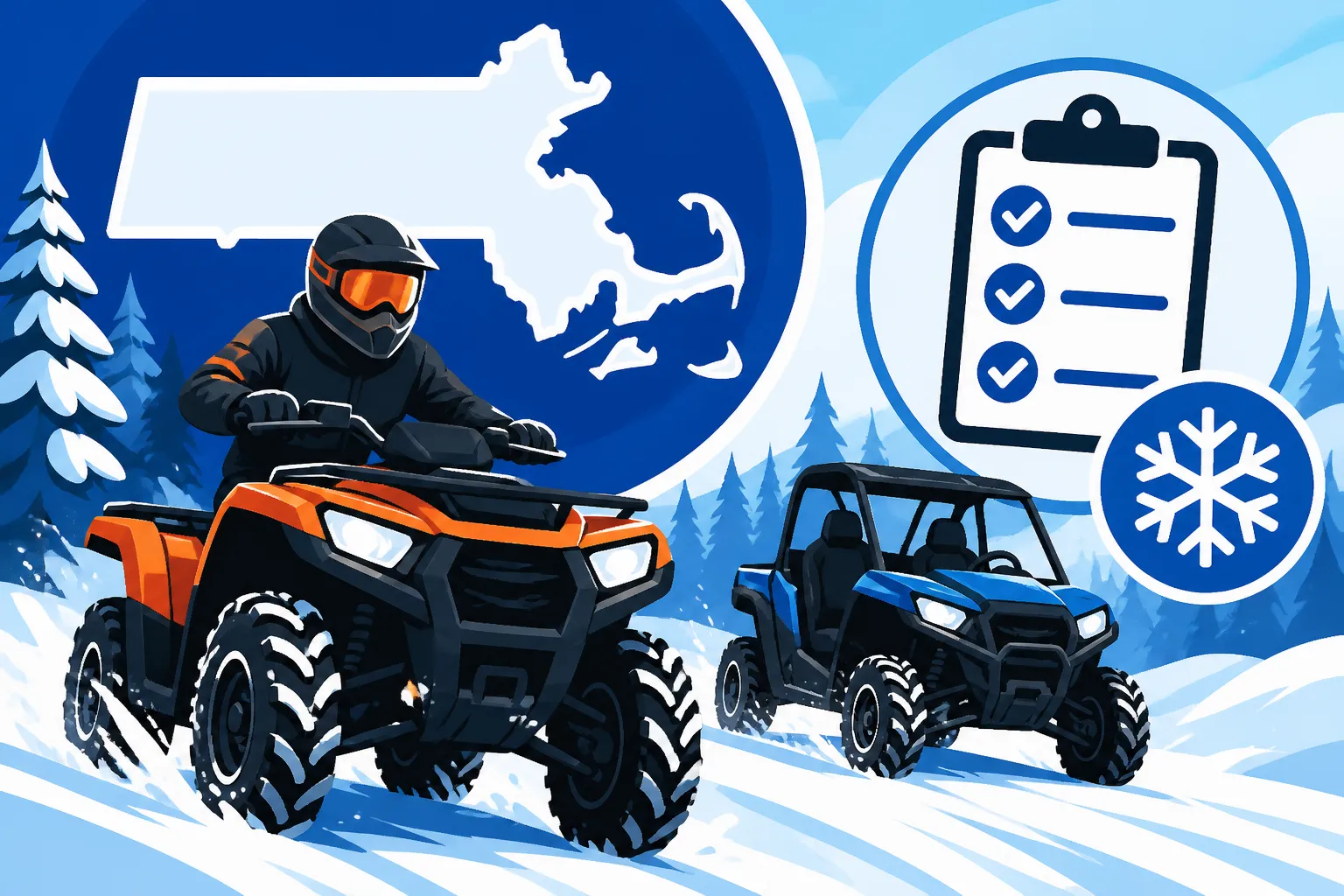
Oh, the crisp air, the glistening snow, the quiet hush of the woods blanketed in white – it’s a picture many off-road enthusiasts dream of experiencing from the seat of their ATV or UTV. But if you’re riding in Massachusetts, that dream often crashes head-first into a wall of regulations, seasonal closures, and a whole lot of confusion about where you can legally put tracks down. Many riders yearn to extend their season beyond the typical fall closure, only to find the rules for winter riding are far more restrictive than they anticipate. This guide will walk you through the realistic landscape of Massachusetts's winter riding rules, helping you understand where you might (or might not) be able to enjoy the snowy trails.
The Reality of Winter OHV Riding in Massachusetts
Let's be blunt: Massachusetts is not the easiest state for winter ATV or UTV riding. Unlike some northern neighbors that embrace winter recreation with open arms and extensive snowmobile trail networks, the Bay State takes a much more cautious approach. This often leads to a lot of frustration for riders who see prime conditions and wonder why they can't simply hit the trails. The core issue boils down to land management, environmental concerns, and the distinct legal classifications of different off-highway vehicles.
The Public Land Freeze: Why State Trails Close
The biggest disappointment for many riders is the near-total shutdown of public OHV trails on state land during winter months. Our beloved state forests, like October Mountain, Beartown, and Pittsfield, which offer some of the best riding opportunities the state has, strictly adhere to a seasonal schedule. When the snow starts to fly and temperatures drop, these trails are not just "less maintained"; they are officially closed to ATVs and UTVs. This isn't arbitrary; it's often due to a combination of factors including wildlife protection, preventing trail damage from freeze-thaw cycles, and shifting resources to snowmobile trail grooming where applicable. It's tough to accept, especially when you see perfectly rideable conditions, but the DCR's mandate is to protect these natural resources, and winter closures are a significant part of that strategy. You might think a little snow isn't a big deal, but continuous use in soft, frozen, or thawing conditions can lead to deep ruts and erosion come spring, making trails unusable.
Snowmobiles vs. ATVs: A Key Distinction
One of the most common sources of confusion, and frankly, envy, among ATV and UTV riders in Massachusetts, is the sight of snowmobiles zipping across snow-covered terrain. Many wonder, "If snowmobiles can ride, why can't my quad?" The answer lies in how the state classifies and manages these different types of machines. Snowmobiles are designed specifically for snow travel, with wide tracks that distribute weight more effectively and cause less surface impact than tires. Because of this, they are often permitted on designated snowmobile trails, even if those trails overlap with summer ATV routes. However, your ATV or UTV, with its wheeled propulsion, is generally seen as incompatible with snow conditions, primarily because its tires can churn up snow, expose underlying soil, and potentially damage the trail base. The state invests heavily in maintaining distinct trail systems for snowmobiles, and trying to mix ATVs into that infrastructure can lead to conflicts and damage. So, while you might see local snowmobile clubs out enjoying the white stuff, don't assume your quad or side-by-side has the same privileges.
Understanding DCR Seasons and State Land Rules
The Massachusetts Department of Conservation and Recreation (DCR) is the primary authority for off-highway vehicle (OHV) trail management on state land. They set the rules, the seasons, and the expectations for every rider. It's absolutely crucial to know these dates, as riding outside the designated season, especially in winter, can lead to stiff penalties and legal trouble. Many riders get caught off guard because they assume "open season" applies universally, but it simply doesn't.
Massachusetts DCR Riding Season Dates: What You Need to Know
The DCR operates on a strict calendar for OHV use. For ATVs and UTVs, the general riding season typically runs from early May through the last day of November. This means that once December 1st hits, the vast majority of DCR-managed trails close to wheeled off-road vehicles for the winter. This closure extends through the entire winter and early spring, with trails usually reopening around May 1st, depending on conditions. It’s a hard stop, and there’s very little wiggle room. So, if you're planning a last-minute Thanksgiving weekend ride, check the exact date, because even a single day past the closing can put you in violation. This seasonal approach is designed to allow the trails to rest and recover during the harsh winter months and to prevent damage from riding on frozen or thawing ground. For more on the specifics, you can look up [Massachusetts DCR Riding Season].
The Role of Weather and Trail Conditions
While the calendar sets the primary boundaries, specific weather and trail conditions can also influence access. Even during the open season, trails can be temporarily closed due to heavy rain, flooding, or other environmental factors that make them unsafe or susceptible to damage. In winter, this becomes even more pronounced. Even if, hypothetically, a trail were open, a foot of fresh snow would make it challenging, if not impossible, for an ATV or UTV to navigate without specialized equipment. The DCR often makes decisions based on ground saturation, snow depth, and frost levels. What might look like a beautiful, crisp day for a ride could actually be detrimental to the trail system if the ground is soft beneath a thin layer of snow. It’s always best to err on the side of caution and assume that if there’s significant snow cover, DCR trails are a no-go for your wheeled machine.
Where to Check for Closures and Updates
Given the dynamic nature of trail conditions and the firm seasonal closures, staying informed is paramount. Before you even think about loading up your machine for a winter adventure (even to private land), you should always check the official DCR website or call the ranger station of the specific state forest you plan to visit. Websites are usually updated with current conditions and closure notices. Don't rely on word-of-mouth or last year's experience; things can change. For example, for riders in the western part of the state, calling the October Mountain State Forest office or checking their DCR page would be crucial. These resources will tell you if [Massachusetts Trails Closed in Winter] is in effect for your chosen area. Ignoring these official channels is a sure-fire way to end up with a citation from the Environmental Police.
| Winter Riding Scenario | DCR State Land Trails (e.g., October Mountain) | Private Land (with permission) |
|---|---|---|
| ATVs & UTVs | Generally Closed Dec 1 – Apr 30 | Permitted, but requires strict adherence |
| Snowmobiles | Open on designated trails (conditions permitting) | Permitted, with specific landowner consent |
| Primary Concern | Trail damage, wildlife disturbance | Property damage, trespass, noise |
| Required Permits/Registrations | OHV Registration (for open season) | OHV Registration always required |
| Safety Certificate (Under 18) | Required if ever riding on public land | Required if ever riding on public land |
| Key Factor | Seasonal closures, DCR oversight | Landowner permission, personal liability |
Private Land and Permission: Your Best Bet
Given the strict limitations on public lands, private property becomes the only real option for winter ATV or UTV riding in Massachusetts. However, this isn't a free-for-all. Riding on private land comes with its own set of rules, responsibilities, and challenges that you absolutely cannot ignore. This is where many riders get into trouble, assuming that if it's not state land, anything goes. It doesn't.
The "Written Permission" Mandate in Winter
Massachusetts law, specifically Chapter 90B, is very clear: you cannot operate an off-highway vehicle on private land without the express, written permission of the landowner. This isn't just a suggestion; it's a legal requirement. In winter, when snow cover might obscure property lines or make access points less clear, having this permission in writing becomes even more critical. Verbal permission is not enough and will not hold up if an Environmental Police officer or a disgruntled neighbor questions your presence. This written consent should specify who is allowed to ride, what machines are permitted, and the dates or duration of the permission. Imagine the scenario: you're out enjoying a rare snowfall on a tract of land you thought you had permission for, only to have an officer approach. Without that physical piece of paper, you're on thin ice, literally and figuratively. Make sure you understand [Massachusetts Landowner Permission in Writing].
Negotiating Access with Landowners
Securing written permission from a landowner for winter riding can be a delicate process. Many landowners are hesitant due to concerns about liability, property damage, and noise. When approaching a landowner, be respectful, offer to provide proof of your OHV registration, and discuss your plans openly. Reassure them you understand the risks and will ride responsibly. You might even offer to help with snow removal or other property tasks in exchange for riding privileges. Building a relationship based on trust and mutual respect is key. If you're fortunate enough to find a landowner willing to grant permission, cherish that privilege and adhere strictly to any conditions they set. Remember, one irresponsible rider can ruin access for everyone. Be prepared to show your [Massachusetts Registration Cards Carried on Board] if asked, as this shows you're a responsible operator.
Safety and Respect on Private Property
Even with written permission, winter riding on private land demands extra caution and respect. Snow and ice can hide hazards like rocks, stumps, or frozen ruts that are invisible under a fresh blanket of white. Always scout the area first if you're unfamiliar with it. Ride at a reduced speed, especially when visibility is poor or the terrain is unknown. Carry recovery gear, like a winch (perhaps a robust one from a brand like SuperATV), and never ride alone. It's also vital to be mindful of noise, especially in residential areas. While the snow can muffle sounds somewhat, your machine can still be a disturbance. Remember, neighbors can easily complain to the police, and that could jeopardize your riding access. Treat the land better than you found it, pack out any trash, and be aware of any hunting seasons that might be active, as you could encounter hunters who also have permission to be on the land.
Gearing Up for the (Rare) Massachusetts Winter Ride
Even if winter riding opportunities are scarce, if you do manage to find a legal spot, being prepared is absolutely essential. Cold weather can be unforgiving, both for you and your machine. Ignoring proper preparation isn't just uncomfortable; it can be downright dangerous.
Essential Machine Prep for Cold Weather
Winterizing your ATV or UTV goes beyond just putting it away for the season; it’s about preparing it to operate in harsh conditions. This means checking your battery, ensuring it's fully charged and in good health, as cold weather saps power. Consider running a synthetic oil designed for lower temperatures to ensure smoother starts and better lubrication. Check all your fluids – coolant levels, brake fluid – and ensure your tires are properly inflated for the snow, perhaps even running lower pressures for better floatation and traction. Many riders invest in plows for their UTVs or ATVs to help clear driveways or trails on private land, turning their recreational machine into a functional workhorse. Having a reliable plow system, sometimes found through accessory manufacturers like SuperATV, can be a game-changer for utility in winter, even if trail riding is limited. Also, give extra attention to your brakes and lights; shorter days and unpredictable conditions demand peak performance from these critical safety features. Make sure your [Massachusetts Equipment Requirements] are met, especially your lights if riding near dusk.
Rider Gear for Extreme Cold
Staying warm and dry is crucial for winter riding. Hypothermia is a real risk. Layering is your best friend: start with a moisture-wicking base layer, add insulating mid-layers (fleece or down), and top it off with a waterproof and windproof outer shell. A good helmet designed for cold weather (often with a double-pane visor to prevent fogging) is a must, as are insulated gloves or mittens, waterproof boots, and neck gaiters or balaclavas. Hand and foot warmers can make a significant difference in comfort during extended rides. Don't skimp on quality gear; it's an investment in your safety and enjoyment. Imagine being miles from warmth with numb fingers or soaking wet clothes – it's a quick way to turn an adventure into an emergency.
Why Accessories Matter
Beyond the basics, certain accessories can greatly enhance safety and capability for winter riding. A winch, as mentioned, is almost mandatory for self-recovery if you get stuck in deep snow or mud. Snow can hide soft spots that will swallow your machine whole. Upgraded LED lighting can drastically improve visibility during short, dim winter days or if you end up riding after dark. Heated grips and thumb warmers are luxury items that quickly become necessities for comfort. If you're frequently navigating through deeper snow on private land, tracks can convert your ATV or UTV into a snow-going beast, providing unparalleled traction and floatation. These kinds of specialized components can turn a challenging winter ride into a much more enjoyable experience, especially when dealing with the unpredictable conditions of a Massachusetts winter.
Disclaimer
This article is for general informational purposes only and does not constitute professional advice. Laws, prices and regulations vary by location and change over time. Consult a qualified professional for guidance on your specific situation.