When a Resident Sticker Expires and How to Renew
It’s a common scenario: you’re gearing up for a fantastic ride, maybe after a long winter, only to glance at your trusty ATV or UTV and realize the registration sticker looks a little… faded. A moment of panic sets in, wondering if it's still valid or if you're about to face an unwelcome conversation with an Environmental Police Officer. This guide is here to cut through that anxiety, clearly explaining when your Massachusetts resident OHV registration sticker expires and walking you through every step of the renewal process, so you can hit the trails with confidence and stay on the right side of the law.
Navigating Your Massachusetts ATV/UTV Registration Term
Understanding the lifespan of your off-highway vehicle (OHV) registration in Massachusetts is the first step to staying compliant. For Bay State residents, there's a specific term that's important to grasp, as it differs from what visitors or those with other types of vehicles might experience.
Why Massachusetts Resident Stickers Last Two Years
As a Massachusetts resident, you're granted the convenience of a two-year registration period for your ATV or UTV. This means that once you register your machine, your sticker and associated registration card are valid for two full years from the date of issuance. This longer term is a significant benefit, providing more time between renewals and reflecting the state's investment in its resident riding community. It’s designed to be less frequent than, say, a motor vehicle registration, acknowledging the seasonal nature of much of our OHV riding here in New England. [Two-Year OHV Sticker for Massachusetts Residents Explained] It’s also a different system from our non-resident visitors who typically get a one-year sticker.
This two-year cycle can feel like a long time, and that's often where the expiration date can sneak up on riders. You might register your machine in the spring, ride it hard for a season, put it away for winter, and then when spring rolls around again, you might mistakenly think you have another full year before needing to worry about it. However, that two-year clock starts ticking the moment your registration is issued, regardless of how often you actually hit the trails. Keeping this biennial cycle in mind is crucial for planning your renewal proactively. It helps ensure you don't miss a beat when the prime riding weather arrives.
How to Find Your OHV Registration Expiration Date
Knowing exactly when your two-year window closes is paramount. Fortunately, Massachusetts makes it quite straightforward to find this information right on your machine and on your official documents. The most obvious place to check is directly on the registration decal itself, the sticker affixed to your ATV or UTV. This decal will clearly display the month and year of expiration. It’s usually printed in a prominent spot on the decal, designed to be easily visible for enforcement purposes.
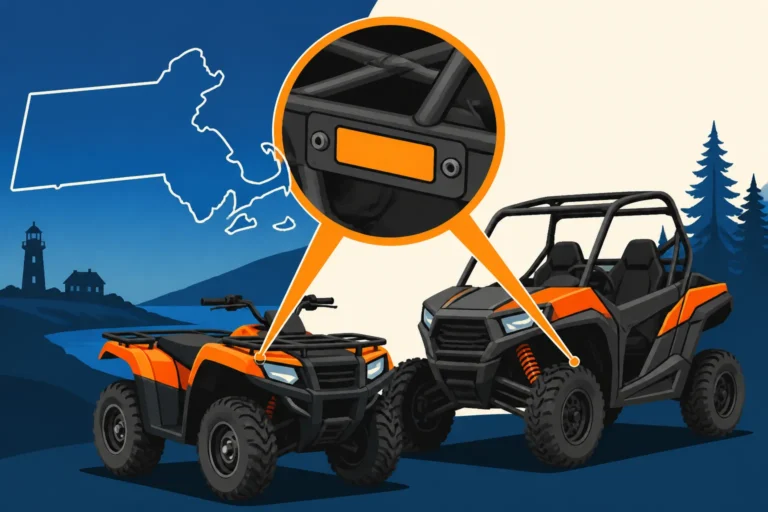
Beyond the decal on your machine, your official registration card, issued by the Massachusetts Environmental Police, also contains the full expiration date. This card is an incredibly important document – it should be carried on your person whenever you're operating the OHV. Think of it like your driver’s license for your off-road machine. If you ever have a question about the exact date, cross-referencing the decal with your physical card is a good practice. Remember, the decal is placed on the forward half of both sides of your ATV or UTV, and the expiration decal specifically goes on the left side of the machine. [Massachusetts Decal Placement Rules] Getting into the habit of checking this card annually, perhaps when you're doing your pre-season maintenance, can save you a lot of grief.
Your Step-by-Step Guide to Renewing a Massachusetts OHV Registration
Renewing your ATV or UTV registration in Massachusetts doesn't have to be a chore. The state offers a couple of convenient options designed to get you back on the trails with minimal fuss. Whether you're a tech-savvy rider or someone who prefers a more traditional approach, there's a method that will work for you.
The Seamless Online Renewal Process
For most riders, renewing online is by far the easiest and quickest path. The Massachusetts Environmental Police maintains a dedicated online registration system that's pretty user-friendly. You can usually complete the entire process from the comfort of your home, at any time of day or night. To begin, you'll need a few pieces of information handy, typically your existing registration number, the last name of the registered owner, and a valid payment method (credit or debit card).
Once you've entered your information and verified your machine's details, the system will guide you through confirming your address and submitting payment. It’s a straightforward process designed to prevent errors and ensure your new decals are sent to the correct location. After successful completion, you'll usually receive an immediate confirmation email, and your new registration card and decals will be mailed to you. This method not only saves time but also often results in a faster turnaround for receiving your updated materials. Many riders swear by this convenience, especially when they realize their registration is about to expire just as the weather turns perfect for riding. [Massachusetts Online Registration System]
Renewing by Mail: A Tried-and-True Option
While online renewal is increasingly popular, some riders still prefer the mail-in option, and it's perfectly valid. If you choose this route, you'll typically need to print out a renewal application form from the Massachusetts Environmental Police website or use any renewal notice you might have received. Fill out the form completely, ensuring all your information is accurate and up-to-date. This includes your name, address, contact information, and details about your OHV.
Along with your completed form, you’ll need to include a check or money order for the appropriate renewal fee. Be sure to double-check the current fee amount, as these can sometimes change. Once everything is meticulously filled out and enclosed, mail your packet to the address specified on the form or the Environmental Police website. It's a good idea to send it well in advance of your expiration date, as mail processing times can vary, and you want to ensure your new registration arrives before your current one runs out. This method provides a paper trail for your records, which some individuals appreciate for their personal filing systems.
What Happens If Your Registration Lapses?
Life gets busy, and sometimes, despite our best intentions, a registration can lapse. If you find yourself in this situation, don't panic, but do understand that there are important steps to take. An expired registration means you cannot legally operate your ATV or UTV on any public land or designated trail in Massachusetts. Riding with an expired sticker can lead to fines and other penalties, so addressing it promptly is crucial.
If your registration has expired, you generally won't be able to simply "renew" it in the same way you would if it were still active. Instead, you'll likely need to go through the process of re-registering your machine as if it were a new registration. This often involves completing a new application and ensuring you have all the necessary documentation, such as proof of ownership (like a bill of sale or previous registration) and proof of sales tax payment (or exemption). While the process is similar to an initial registration, the key is not to delay. The sooner you address a lapsed registration, the sooner you can get back to legally enjoying the trails without the risk of an unwelcome interaction with an officer. It's always best to be proactive and ensure your registration is current before your first ride of the season.
Common Questions and Smart Tips for OHV Registration Renewal
Even with a clear process, questions inevitably pop up when it comes to renewing something as important as your OHV registration. Being prepared and understanding common scenarios can make your renewal experience much smoother. Let's tackle some of the frequent concerns and offer some savvy tips.
Proactive Renewal: Beat the Rush and Avoid Lapses
One of the best pieces of advice for any Massachusetts OHV owner is to renew proactively. Don't wait until the very last minute, or worse, until your sticker has already expired. Many riders start thinking about renewal as spring approaches and the riding season begins, but if your expiration falls in the middle of summer or autumn, make sure you've marked it on your calendar. It's usually possible to renew your registration a few months before it officially expires, giving you ample time for processing and delivery of your new decals.
Thinking ahead can prevent a lot of frustration. Imagine planning a long weekend trip to October Mountain State Forest, only to realize the day before that your sticker expired last month. Renewing early means you'll have your updated documents and decals well in advance, letting you focus on planning your routes and enjoying the ride, rather than scrambling to get legal. [Renewing Before the Season Opens] Setting a reminder on your phone or marking it on a physical calendar a couple of months before the expiration date is a simple yet highly effective strategy.
Dealing with a Lost or Damaged Decal Before Renewal
Life happens, and sometimes decals get lost, torn, or simply peel off due to weather and wear and tear. If your current decal is damaged or missing before your registration is due for renewal, you have a couple of options. If you're close to your renewal date, you might just proceed with the renewal process as usual. When your new decals arrive, you'll apply those. However, if your current decal is compromised significantly earlier in your two-year term, and you need a visible, valid sticker on your machine, you might consider ordering a duplicate decal.
The Massachusetts Environmental Police offers a service for obtaining a [Massachusetts Duplicate Sticker at $5.50]. You would typically submit a request and a small fee, and a replacement decal would be mailed to you. It's important to remember that this is separate from the renewal itself. If you're very close to your expiration, it might make more sense to simply renew, as your new decals will effectively replace the old ones anyway. Always make sure you have valid and clearly visible decals on your machine whenever you ride on public land.
Updating Your Information During Renewal
Moving to a new address or having a change in ownership for your OHV are common situations that require updates. If you've moved since your last registration, the renewal process is the perfect time to update your address. For online renewals, you'll usually have an opportunity to review and edit your contact information. For mail-in renewals, ensure you write your current address clearly on the form. This is critical because your new registration card and decals will be mailed to the address on file. Failure to update can result in your documents being sent to an old address, leading to delays and potential frustration. [Massachusetts Registration Address Change]
When it comes to changes in machine ownership, the situation is a bit different. If you’ve sold your machine, the new owner is responsible for registering it in their name. If you've acquired a new machine, you'll be initiating a new registration for that specific OHV, rather than renewing an old one. This would involve a bill of sale and other proof of ownership. For securing documentation like a clear bill of sale when selling your machine, or even creating essential forms like a [Massachusetts Landowner Permission in Writing], services like LawDepot can be incredibly helpful for generating legally sound documents.
No Renewal Notice Received? Don't Panic!
It's tempting to rely on a mailed renewal notice as your reminder, but the truth is, sometimes these notices get lost in the mail, or perhaps the system didn't generate one for some reason. The crucial takeaway here is: do not wait for a renewal notice. The responsibility for knowing your expiration date and renewing on time rests solely with the OHV owner.
If you haven't received a notice but know your registration is nearing its expiration, simply proceed with the online or mail-in renewal process as if you had received one. The online system, in particular, doesn't require a specific code from a notice to initiate a renewal; it only needs your existing registration number and last name. Consider yourself responsible for monitoring your own expiration. Make a note of the date, perhaps in your phone or on your calendar, and set a reminder. This way, whether a notice arrives or not, you're always ahead of the curve. [Renewing an OHV Sticker When No Notice Arrives]
The Broader Impact of Keeping Your OHV Registration Current
Beyond the immediate convenience of staying legal, having a current Massachusetts OHV registration has broader implications. It’s not just about avoiding a ticket; it’s about contributing to the very trails and resources that make riding in the Bay State so enjoyable. Understanding these bigger picture benefits can add another layer of motivation to keep your registration up-to-date.
Staying Legal and Avoiding Costly Penalties
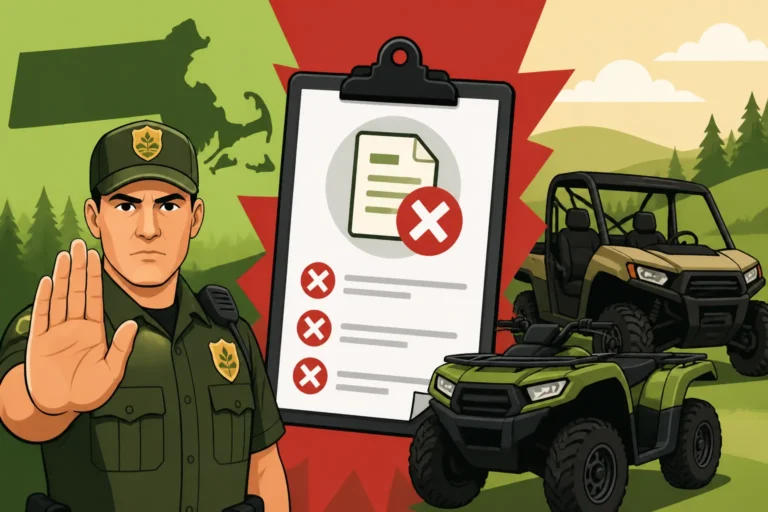
The most immediate and practical reason to keep your registration current is to avoid penalties. Massachusetts Environmental Police officers actively patrol trails and public lands where OHVs are permitted, and checking for valid registration is a routine part of their duties. Riding an unregistered ATV or UTV, even if you simply forgot to renew, can lead to significant fines. The penalties for riding unregistered can quickly escalate, potentially involving court fees, and in some cases, even the temporary seizure of your machine. [Massachusetts Penalties for Riding Unregistered] These are situations no rider wants to experience, especially when a simple online renewal can prevent them.
Think of it this way: your registration sticker is your ticket to ride. Without it, you’re essentially trying to enter a concert without a valid pass. An officer has every right to stop you, verify your documentation, and issue a citation if your machine isn't properly registered. Beyond the financial cost, dealing with a citation takes time, effort, and can put a significant damper on your riding season. Ensuring your sticker is current is a small administrative task that prevents a potentially large headache.
Supporting the Massachusetts OHV Trail Fund
Another incredibly important aspect of your registration fee is its direct contribution to the Massachusetts OHV Trail Fund. When you pay for your two-year resident sticker, a portion of that fee goes directly into this fund, which is specifically earmarked for the development, maintenance, and acquisition of OHV trails and riding areas across the state. This is a vital resource for keeping our limited trail systems open, safe, and enjoyable for everyone. [Massachusetts Registration Fees Fund Trails]
Every time you renew, you're essentially reinvesting in the very infrastructure that allows you to pursue your passion for off-road riding. This fund helps pay for trail signage, erosion control, bridge repairs, clearing fallen trees, and even supporting local clubs that volunteer their time to maintain these areas. Without consistent contributions from registered riders, the resources available for trail work would diminish, potentially leading to fewer open trails or a decline in trail quality. So, when you renew your registration, know that you're not just staying legal; you're actively supporting the future of OHV riding in Massachusetts. [The OHV Trail Fund Your Sticker Pays Into]
Disclaimer
This article is for general informational purposes only and does not constitute professional advice. Laws, prices and regulations vary by location and change over time. Consult a qualified professional for guidance on your specific situation.