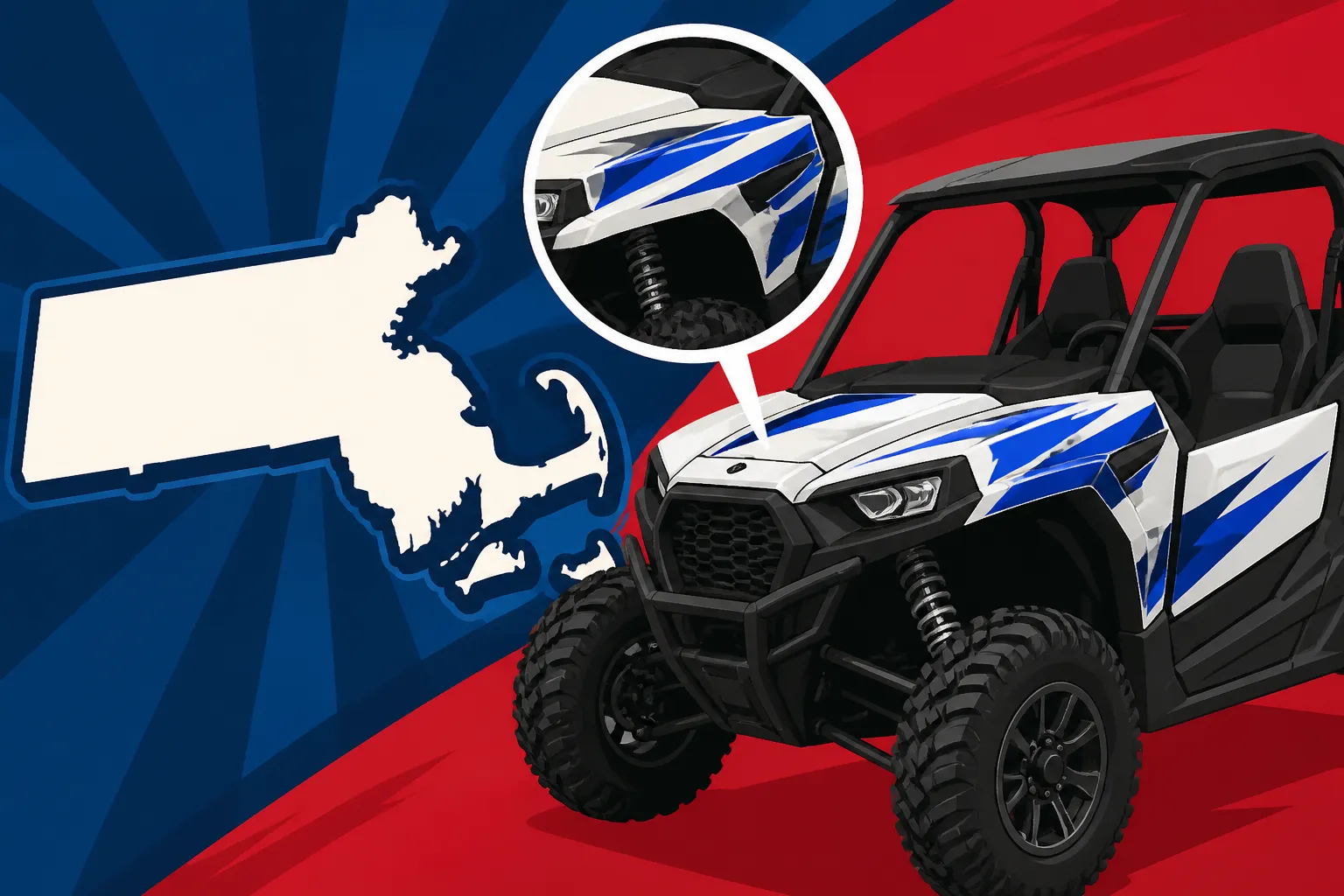
Decals on the Forward Half
It can be incredibly frustrating to go through the whole process of registering your ATV or UTV in Massachusetts, only to wonder if you've actually put the decals in the right spot. You've paid your fees, filled out the paperwork, and gotten your stickers, but the rules about where they actually belong on your machine can feel a little vague. This guide is here to clear up that confusion, ensuring your off-road machine is compliant and you can ride with peace of mind.
Why Decal Placement Matters So Much in Massachusetts
When you're out on the trails, the last thing you want is to be pulled over by an Environmental Police Officer, not for unsafe riding, but because of a misplaced sticker. In Massachusetts, proper decal placement isn't just a suggestion; it's a key part of proving your machine is legally registered and ready to hit the trails. It might seem like a small detail, but it's one that officers take seriously for a host of practical reasons.
The Environmental Police Perspective
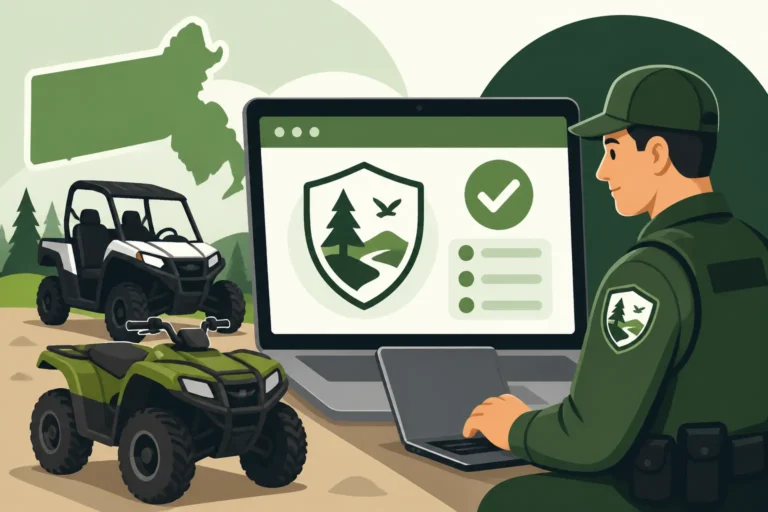
Think about it from the officer's point of view. They're patrolling miles of trails, often in areas with limited visibility or where machines are moving quickly. Having a standardized, easily identifiable placement for registration decals makes their job much more efficient. They need to be able to quickly glance at a machine, confirm its registration status, and move on. If your decals are obscured, hidden, or simply not where they're supposed to be, it raises a red flag. It forces them to stop you, ask for your [Massachusetts Registration Cards Carried on Board], and verify everything manually, which can interrupt their patrol and certainly disrupt your ride. This isn't about being punitive; it's about enforcing the rules that keep our trails funded and managed. A properly placed decal signifies that you're a responsible rider contributing to the system.
Many riders, especially those new to the state or new to OHVs, might not realize the strictness. They might just slap the sticker on any flat surface, thinking "it's on the machine, that's good enough." Unfortunately, that casual approach can lead to a roadside chat and a potential citation. The Environmental Police are looking for compliance with specific rules, and those rules include [Massachusetts Decal Placement Rules].
Contributing to Overall Safety and Identification
While the physical decals themselves don't offer direct protection like a helmet or riding gear, their proper placement contributes to an organized and identifiable off-road vehicle system. In the event of an emergency, or if a machine is reported stolen or involved in an incident, quickly identifying the registration number through clearly visible decals is crucial. It helps first responders and law enforcement track ownership and gather information efficiently. Imagine a scenario where a machine is found abandoned or has been involved in an accident, and the decals are either missing, faded, or placed in an unreadable spot. This complicates identification and makes the process of addressing the situation much longer and more difficult.
Furthermore, proper placement ensures that all registered machines are operating under the same visual standard. This consistency helps everyone on the trail, from other riders to landowners and enforcement personnel. It's a visual cue that the machine is legitimate and its owner is adhering to state regulations. It also discourages unregistered machines from attempting to blend in, as their lack of properly placed decals would be immediately apparent.
The Official Massachusetts Decal Placement Rules
Massachusetts has pretty specific guidelines for where those precious registration decals need to go on your ATV or UTV. These aren't just arbitrary rules; they're designed for maximum visibility and consistency across all types of off-highway vehicles. Getting this right from the start saves you a lot of headaches down the line.
Decals on the Forward Half
This is the big one. The core instruction from the state is that your registration decals must be affixed to the "forward half" of the machine. But what exactly does "forward half" mean in practice for an ATV versus a UTV?
For an ATV (All-Terrain Vehicle), this generally means the decals should be visible on the front fenders or the fuel tank area. Think about the surfaces that are most prominent when looking at the front or sides of the quad. You'll need to place them so they are clearly visible on both sides of the machine. So, if you have a decal for the right side, it should go on the forward half of the right fender or fuel tank. The same goes for the left side. Some riders choose to put them on the plastic shrouds near the handlebars, as long as they are on the forward half and are unobstructed. The key is that from either side, anyone approaching your ATV should be able to spot that decal without having to search for it.
For a UTV (Utility Terrain Vehicle) or Side-by-Side, the forward half rule often translates to the front hood, the panels just behind the front wheels, or the forward part of the door panels. Again, the emphasis is on visibility from both sides. You might see people placing them on the front section of the roof, but the most common and compliant spots are on the bodywork visible when standing near the front of the machine. The larger size of a UTV can sometimes make riders think they have more flexibility, but the "forward half" rule is just as strict. [Massachusetts Decals on Both Sides] really drives this home, ensuring that the machine can be identified regardless of which direction an officer is observing it from.
Height and Visibility Requirements
Beyond just being on the "forward half," the decals also have specifications for their appearance. The registration numbers themselves, which are part of the decal, need to meet certain height requirements. Specifically, they must be at least three inches high and have a half-inch stroke. This ensures they are large enough to be easily read, even from a slight distance or if there's some trail dust on your machine. [Decals 3 Inches High] is a critical detail that many riders overlook, assuming the size of the sticker itself is enough. It's the numbers on the sticker that need to meet this dimension.
Visibility isn't just about size and placement; it's also about condition. Your decals must be "clearly visible and legible." This means they shouldn't be obscured by mud, dirt, accessories like winches or light bars, or even faded to the point where they are hard to read. A decal covered in mud isn't clearly visible, and that could still earn you a stop from an officer. It's your responsibility as the owner and rider to ensure they remain clean and in good condition throughout the riding season. If they start to peel or fade, you'll need to address that promptly.
Expiration Decals and What They Mean
In Massachusetts, you'll typically receive both a main registration decal (which includes your unique registration number) and a smaller expiration decal. This smaller sticker tells everyone the current year of your registration and needs to be placed correctly in relation to the main decal. The rule for the expiration decal is that it must be affixed to the left side of the main decal, or on the left side of the machine itself, if the main decal is affixed to the right. Essentially, it ensures that when someone checks your registration, the expiration date is immediately apparent and linked to the main registration number. [Massachusetts Expiration Decals on the Left] is a common point of confusion, but adhering to this specific placement is just as important as the main decal.
This dual-decal system provides a quick visual check for both the registration number and its validity period. It’s a simple, effective way for enforcement to confirm your OHV’s current legal status without needing to stop every rider. Always double-check that you've got both components properly displayed on your machine before heading out.
Practical Tips for Applying and Maintaining Your Decals
Once you've got those official Massachusetts OHV registration decals in hand, the goal is to make sure they stick properly and last through all the mud, dust, and weather you'll encounter on the trails. There's a bit more to it than just peeling and sticking if you want them to stay put and look good for the full registration term. Taking a few extra minutes during application can save you the hassle and cost of replacing them later.
Prepping Your Machine for Decal Application
Proper surface preparation is absolutely critical for decal longevity. You wouldn't paint a wall without cleaning it first, and applying decals is no different. Start by thoroughly cleaning the area where the decal will go. This means more than just a quick wipe-down. Use a degreaser or rubbing alcohol to remove any wax, oil, old adhesive residue, or general grime. Even invisible residues can prevent the decal from adhering properly. Make sure the surface is completely dry before you even think about peeling the backing off your sticker. Water, even a tiny bit, will undermine the adhesive.
Consider the temperature as well. Applying decals on a cold, damp day might lead to poor adhesion. Aim for a mild, dry day, ideally between 60 and 80 degrees Fahrenheit, in a shaded area. Extreme heat can make the decal too pliable and difficult to handle, while cold can make it brittle and reduce the adhesive's effectiveness. Take your time, line up the decal before pressing it down, and use a squeegee or even a credit card to firmly press out any air bubbles, working from the center outwards. This firm pressure helps the adhesive bond fully with the surface of your machine.
Best Practices for Longevity
Even after a perfect application, your decals face a tough life out on the trails. They'll be exposed to sun, rain, mud, and vibrations. Regularly check your decals for any signs of peeling, bubbling, or fading. If you catch a small edge starting to lift, you might be able to press it back down firmly to prevent further peeling. Some riders even apply a clear protective film over their decals, though this isn't strictly necessary if the original application was solid.
When washing your ATV or UTV, be mindful of your decals. While they're designed to be durable, a direct, high-pressure blast from a power washer can sometimes lift edges or force water underneath, weakening the adhesive. Aim the spray away from the decals or use a gentler stream in those areas. Avoid harsh chemical cleaners directly on the decals, as these can sometimes cause fading or degrade the material. A simple soap and water solution is usually best for cleaning around them. Regular inspection and gentle care will ensure your decals last as long as your registration.
What to Do If a Decal Is Damaged or Lost
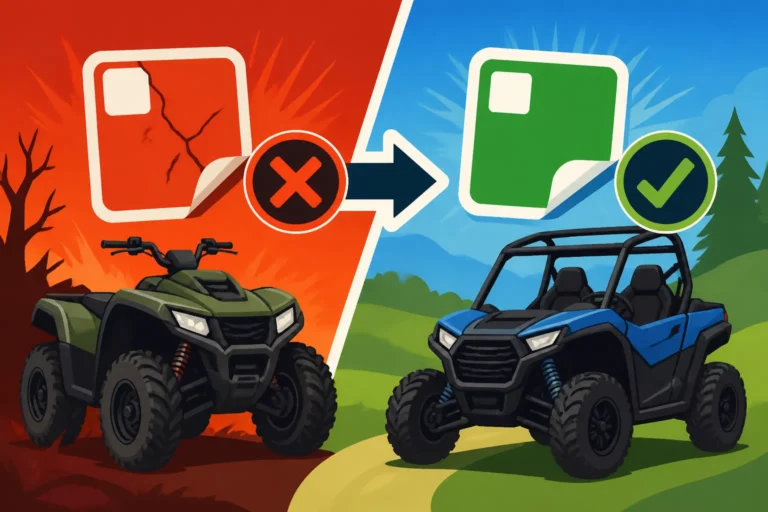
Despite your best efforts, sometimes decals get damaged or peel off. Maybe you scraped against a tree, or perhaps years of sun exposure have simply worn it out. Don't panic, but also don't ignore it. Riding with a missing, illegible, or severely damaged decal is just as problematic as riding unregistered. Fortunately, the process for replacement is straightforward, handled by the Environmental Police.
You'll need to contact the Massachusetts Environmental Police's Boating and Recreational Vehicle Safety Bureau to request a duplicate. There is typically a nominal fee for this service, such as the [Replacing a Lost OHV Decal Costs $5.50]. You'll need to provide information about your original registration. It's often quicker to do this sooner rather than later, especially if the riding season is in full swing. Keep any remnants of the damaged decal if you can, as sometimes this helps with the replacement process. Once you receive your new decal, follow all the application tips mentioned above to ensure it stays put this time. Don't risk getting stopped for something easily preventable like a missing sticker; address it as soon as you notice an issue. You can learn more about how to handle this by reading [What to Do When a Decal Peels Off].
What Happens If Your Decals Aren't Right
It's easy to dismiss decal placement as a minor issue, but in Massachusetts, the consequences of not adhering to the rules can range from an inconvenient stop to a significant financial penalty. No one wants their day of riding ruined because of a sticker, so understanding the repercussions can be a strong motivator for compliance.
Potential Fines and Penalties
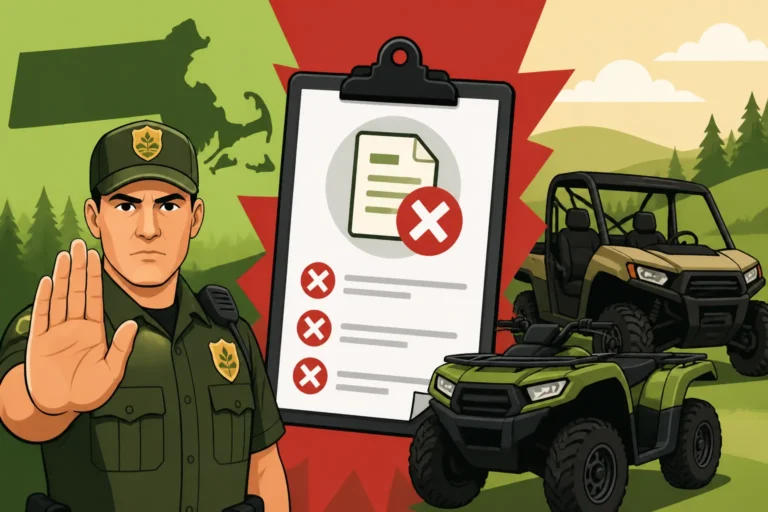
If an Environmental Police Officer observes your ATV or UTV with incorrectly placed, unreadable, or missing decals, they have the authority to stop you. Depending on the officer's discretion and the severity of the violation, you could receive a warning, but it's more likely you'll be issued a citation. Riding an off-highway vehicle in Massachusetts without proper registration decals is essentially considered operating an unregistered vehicle in the eyes of the law, even if you have your physical registration card. The state relies on the decals for quick visual identification.
The fines for such violations can add up. While specific amounts can vary, it's certainly more expensive than taking the time to apply the decal correctly in the first place, or paying the small fee for a replacement. These penalties are designed to encourage compliance and fund the very trails you ride. Beyond the direct fine, you also face the hassle of potentially having to appear in court if you choose to dispute the citation, or simply paying the fine and moving on. It's a significant disruption to your time and wallet for something that's easily avoidable. You can look into [Massachusetts Ticket Costs for Riders] to get a sense of the financial impact.
Impact on Your Riding Experience
Beyond the financial hit, an improper decal can seriously sour your riding day. Imagine you've driven an hour or two to a state forest, unloaded your machine, and are just getting into the groove of the trails when you're pulled over. This instantly breaks the enjoyment of your ride. The officer will need to take time to inspect your machine, verify your registration card, and potentially issue a citation. This entire process can easily eat up a significant portion of your limited riding time.
In some cases, if the decal issue is particularly egregious (e.g., completely missing decals, or a clearly fraudulent attempt at placement), an officer might even deem your machine effectively unregistered and could prevent you from continuing your ride. This could mean having to load your ATV or UTV back onto your trailer and head home, effectively ending your day prematurely. It's a frustrating situation that no rider wants to face. Ensuring your decals are correct, along with carrying your [Why Your Registration Card Must Ride With the Machine], helps you avoid these unpleasant interruptions and keeps your focus on enjoying the beautiful Massachusetts trails.
Decal Placement Checklist for Massachusetts OHVs
To make it easier, here's a quick checklist to ensure your ATV or UTV decals are exactly where they need to be according to Massachusetts regulations.
| Feature | ATV (All-Terrain Vehicle) | UTV (Utility Terrain Vehicle / Side-by-Side) |
|---|---|---|
| Main Decal Position | Forward half of the machine, visible on both sides | Forward half of the machine, visible on both sides |
| Specific Locations | Front fenders, fuel tank sides, plastic shrouds | Front hood, panels behind front wheels, forward door panels |
| Numbers Height | At least 3 inches high | At least 3 inches high |
| Numbers Stroke | At least 1/2 inch wide | At least 1/2 inch wide |
| Expiration Decal | Left side of the main decal, or left side of the machine | Left side of the main decal, or left side of the machine |
| Visibility | Clearly visible and legible at all times | Clearly visible and legible at all times |
| Obstructions | No obstructions (mud, accessories, fading) | No obstructions (mud, accessories, fading) |
| Maintenance | Checked regularly for peeling/fading, kept clean | Checked regularly for peeling/fading, kept clean |
By following these guidelines, you'll be well on your way to a hassle-free riding experience in Massachusetts. An officer conducting an [What an Environmental Police Officer Can Ask] will be able to verify your compliance quickly, allowing you to get back to what you came for: enjoying the trails.
Disclaimer
This article is for general informational purposes only and does not constitute professional advice. Laws, prices and regulations vary by location and change over time. Consult a qualified professional for guidance on your specific situation.