What Bug Spray to Pack for a Berkshire June
June rides in the Berkshires can mean warm weather, damp trail edges, mosquitoes, and ticks waiting in brush or leaf litter. Packing only one can of bug spray may leave you scratching by the first stop. This guide explains which repellents to consider, how to use them safely around ATV and UTV gear, and what else helps reduce bites during a Massachusetts ride.
Choose Repellent for the Bugs You Expect
The best bug spray for a Berkshire ride is the one that suits the pests, your skin, and the length of your outing—and that you’ll use according to its label. Mosquitoes can make a shaded trail stop miserable, while ticks are easy to miss after brushing against vegetation. A thoughtful kit accounts for both.
Match the active ingredient to your needs
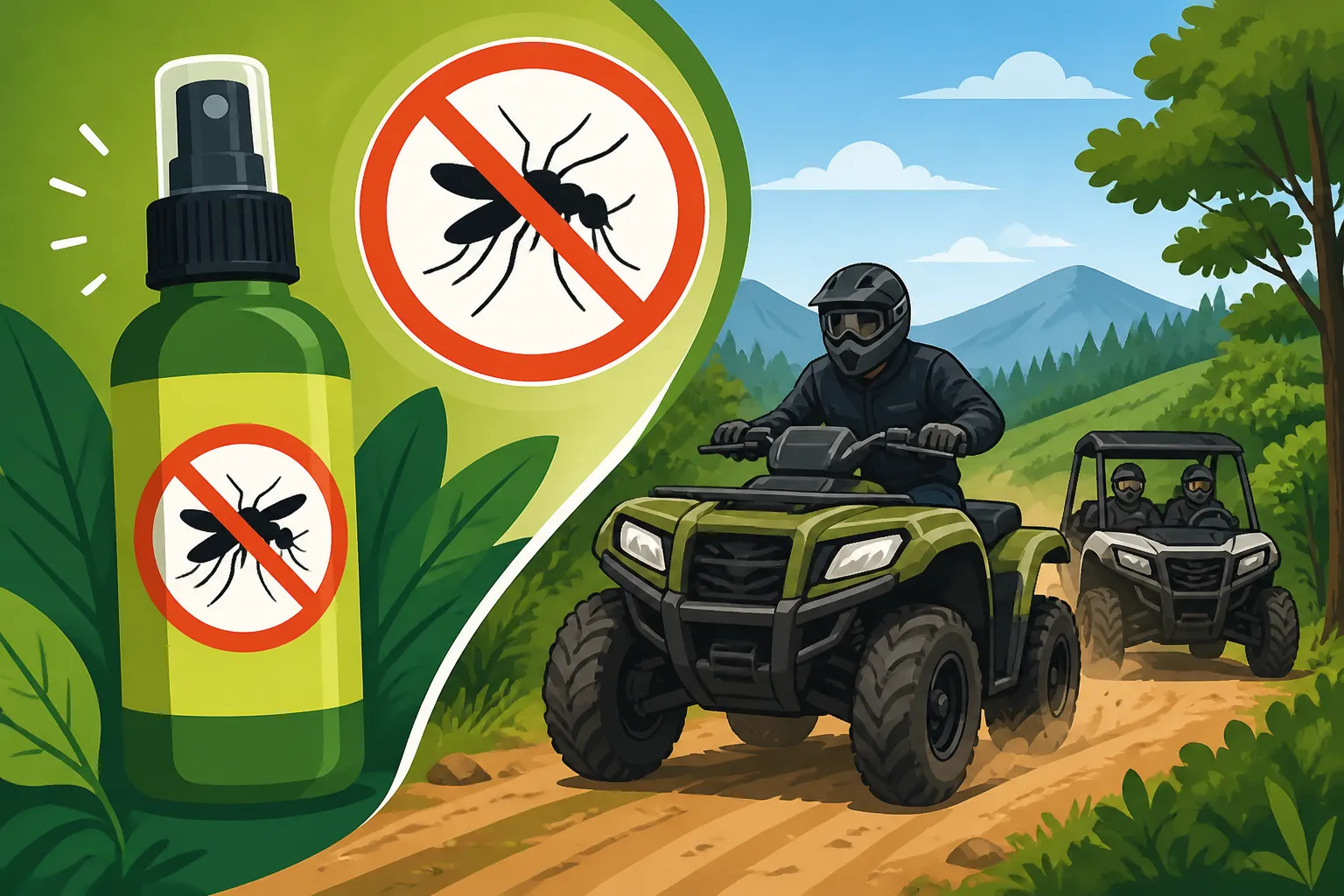
Repellents with ingredients such as DEET or picaridin are common options for protecting exposed skin. Products containing oil of lemon eucalyptus are another option for some adults. Different products have different directions, age guidance, and limits on how often they may be applied, so check the product label rather than assuming two sprays work the same way.
For a long ride, consider how often the label says to reapply and whether you can keep the product accessible without placing it where it could leak onto food or equipment. If you are riding with children, use a product labeled for their age and follow its instructions carefully. Don’t apply repellent to a child’s hands, eyes, mouth, cuts, or irritated skin.
| Repellent option | Useful for | What to check before packing |
|---|---|---|
| DEET | Repelling mosquitoes and ticks when used as directed | Product concentration, age guidance, application directions, and label reapplication interval |
| Picaridin | A skin-applied option for mosquitoes and ticks | Directions for the specific product and any warnings about use on children |
| Oil of lemon eucalyptus | A plant-derived repellent option for some adults | Age restrictions and directions; it is not appropriate for every rider |
| Permethrin-treated clothing | Helping protect clothing and gear from ticks and other insects | Use only as directed on clothing or equipment, never as a skin repellent |
The table is a starting point, not a ranking. A rider who wants to avoid frequent reapplication may choose differently from someone who prefers a product with a particular application method. If you have sensitive skin, allergies, or questions about using a repellent during pregnancy or for a young child, ask a healthcare professional for advice tailored to your situation.
For broader preparation, see Massachusetts Tick Season and Riding Gear. It helps to think of repellent as one part of your clothing and trail routine, not as a substitute for checking yourself after a ride.
Protect skin and clothing in different ways
Skin-applied repellent and treated clothing serve different purposes. Apply skin repellent only to exposed skin and only as directed. For clothing, some riders choose garments treated with permethrin or products designed to treat fabric. Follow the label exactly: products meant for clothing should not be sprayed on skin, and treated garments may need specific drying or washing steps before use.
Long sleeves, long pants, and socks that cover the ankle can reduce exposed skin, even on a warm day. Lightweight, breathable fabrics are more comfortable than heavy layers when you are riding slowly or working around a machine. Tuck pants into socks or boots where practical, and check cuffs and waistbands after walking through brush.
A light-colored garment can make crawling ticks easier to spot than a dark, patterned one. That doesn’t make ticks harmless or guarantee you’ll see them, but it can make a quick inspection more useful. For more on what to wear and carry, Massachusetts Tick Season and Riding Gear is a useful companion to your repellent plan.
Pack Bug Spray for a Day on the Trail
A bottle that works in the driveway is not automatically convenient on the trail. It may be hard to reach when packed under riding gear, leak if it gets crushed, or become awkward to use in a crowded parking area. Think through when and where you’ll apply it before leaving home.
Build a small, practical bug-protection kit
Pack one skin repellent that suits your needs, plus any clothing treatment you have prepared in advance. Keep the repellent in its original container so you can refer to its directions. Put it in a secure, easy-to-reach pocket of a day pack or storage compartment, separate from snacks, water, and anything that could be contaminated by a leak.
A simple kit might include:
- A labeled skin repellent in a leak-resistant bag.
- A clean cloth or wipes for removing residue from hands after application.
- A small mirror or a riding partner who can help check hard-to-see areas after the ride.
- A spare long-sleeved layer for breaks when insects are especially bothersome.
- A sealable bag for clothing you want to keep separate after a tick-heavy ride.
Avoid leaving pressurized aerosol containers in a hot vehicle or storing them near heat. When applying any spray, step away from the machine and follow the label’s instructions. Keep it away from hot engine parts, flames, and other ignition sources. A lotion or pump product may be easier to manage around a vehicle, but it still needs to be used carefully and stored securely.
Don’t spray while wearing dusty goggles or with your helmet visor open if the product could drift toward your eyes or face. Apply it in a safe spot, wash or wipe your hands as directed, and let the product dry before handling items that may touch your face.
Apply it before the ride, then check the label
If you wait until you are already on a trail, you may be trying to apply repellent with dusty hands, gloves on, and riding gear in the way. Apply it before setting off, when you can read the directions and avoid getting it on equipment that you grip or touch frequently.
For a spray product, apply it outdoors in a well-ventilated area and avoid inhaling the mist. Don’t spray directly onto your face. If the label permits facial use, apply it to your hands first and then carefully spread it over the face, keeping it away from eyes and mouth. Wash your hands after applying it, particularly before eating.
Reapply only as the label directs. Sweating, rain, and time outdoors can affect how well a product works, but that doesn’t mean you should apply it more often than the instructions allow. If you’re unsure whether it’s time to reapply, check the package rather than guessing.
If you use sunscreen, follow both products’ directions. Many people apply sunscreen first and repellent afterward, but the instructions on the products you have should guide you. Avoid combining products in a way the labels do not recommend.
Keep repellent separate from ride planning
Bug protection doesn’t solve every trail-day nuisance. A June ride may also involve wet ground, changing conditions, or a long walk back to the parking area if your route takes longer than expected. Planning where you’ll ride and where you’ll stop makes it easier to decide what to pack.
Before hauling a machine, review Massachusetts Trail Conditions Before You Tow and confirm the riding area’s access information. If you use onX Offroad to review a route, check the route details before you leave and save the information you’ll need for your trip. That way, you’re less likely to spend a trailhead stop fumbling with your phone while mosquitoes are circling.
onX Offroad can also be part of a broader preparation routine: review your planned route at home, note likely breaks, and keep your bug kit somewhere reachable. Don’t rely on a map app as a substitute for posted rules, official notices, or your own judgment about conditions.
Reduce Bites With Clothing and Trail Habits
Repellent is helpful, but it works best alongside habits that limit contact with insects. You don’t have to make a Berkshire ride feel like a chore; small choices before, during, and after the ride can make a real difference.
Choose layers you can tolerate
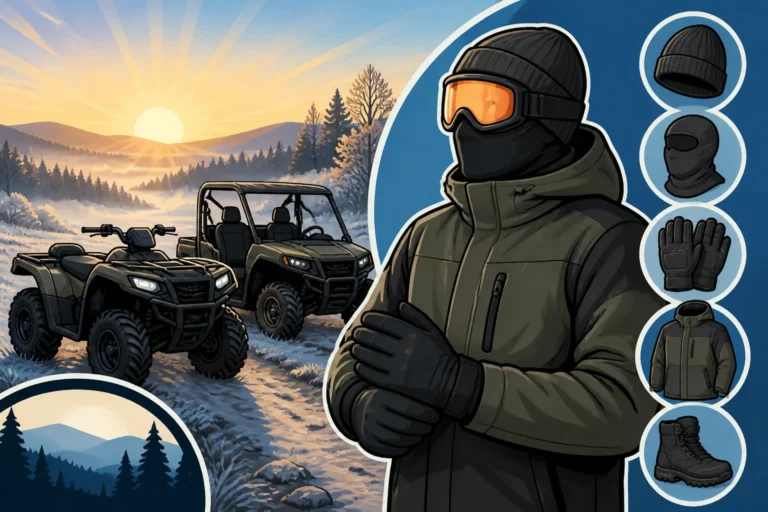
In June, riders often want the lightest possible clothing, especially when the trail is slow and humid. But shorts and low socks leave more skin exposed to brush and insects. A breathable long-sleeved shirt, long pants, and boots or sturdy shoes provide a practical balance between coverage and comfort.
Choose gear that allows airflow and movement. If you get hot easily, bring a light outer layer to put on during breaks rather than wearing heavy clothing all day. Gloves help protect your hands from branches and reduce exposed skin, but they do not replace repellent on exposed areas such as your neck or ankles.
A neck gaiter or similar covering may help protect the neck during a stop, provided it does not interfere with safe riding, visibility, or helmet fit. Never let insect protection compromise your ability to operate the ATV or UTV comfortably. If you are distracted, overheated, or struggling to see, adjust your layers before continuing.
Make breaks and trail stops less inviting to insects
A shady stop beside damp vegetation may be more comfortable than an exposed clearing, but it can also put you near insect activity. When you can, choose a stable, clear stopping place away from tall grass and dense brush. Avoid sitting directly on leaf litter or leaning against vegetation while checking a map or eating.
If you use onX Offroad, reviewing your next turn before you stop can help keep breaks organized. You can also decide in advance where to pause for water, a snack, or a quick gear check. The goal isn’t to rush through a ride; it’s to avoid unnecessary stops in the middle of brush when a safer, clearer spot is available nearby.
Keep food and drink containers closed when you’re not using them, and clean up packaging before leaving. For general seasonal context, Massachusetts DCR Riding Season can help you think about when state forest riding is available, while Massachusetts Trail Etiquette Locals Expect is a reminder to share riding areas respectfully.
Do a tick check after the ride
Repellent can reduce the chance of bites, but it cannot guarantee that a tick won’t reach your skin. After riding, check clothing and exposed skin before changing locations, then do a more thorough body check at home. Pay attention to warm, covered areas and places where ticks can be difficult to spot, such as the hairline, behind the ears, under the arms, around the waist, and behind the knees.
Check children and riding companions as well, especially if anyone walked through brush or tall grass. Inspect pets before bringing them into a home or vehicle, using appropriate pet-specific guidance. Do not use a human repellent on an animal unless its label specifically says it is suitable for that animal.
Put ride clothing somewhere separate from clean clothes until you can inspect or wash it. Check the manufacturer’s instructions for laundering treated garments. If you find a tick attached or develop a concerning symptom after a bite, contact a healthcare professional for advice.
Plan a Berkshire June Ride Around Protection and Access
Insect preparation is only one part of a safe, enjoyable ride. Trail access, parking, weather, and local rules can shape your day just as much as the repellent you choose. A little planning helps prevent a frustrating trip where you arrive ready to ride but discover the trail is unsuitable, access has changed, or your gear is buried under other supplies.
Check the riding area before you leave
Massachusetts OHV riding is not permitted everywhere a machine can physically travel. Confirm that the specific trail or riding area allows your type of machine, and check any seasonal or site-specific restrictions before loading up. The article Massachusetts ATV Trails: Three Berkshire Forests offers useful context for Berkshire riding areas, while Massachusetts Trail Closures After a Storm is relevant when recent weather may have affected a route.
If you use onX Offroad to help review your plans, treat it as a planning aid rather than permission to ride. Cross-check access against information from the land manager and pay attention to signs, gates, and closures on arrival. A route that appears connected on a map may not be open to OHVs.
This matters for bug protection, too. A route with more walking, brush contact, or unexpected detours may leave you exposed longer than planned. Pack enough repellent for the outing, but also carry water, basic first aid, and clothing suited to changing conditions.
Set up a simple pre-ride and post-ride routine
Before loading the machine, check that your repellent is in its original container, the label is readable, and the product is within its usable condition. Make sure clothing treatment—if you use it—was applied according to its directions and is ready to wear. Keep everything secured so it cannot spill over food, paper maps, or riding equipment.
At the trailhead, apply repellent before putting on gloves and other gear that could make application awkward. Keep the product away from hot parts of the machine and put it back in a secure place afterward. At the end of the ride, inspect clothing and exposed skin, then do a more careful check once you’re home.
A small routine prevents a common annoyance: getting back to the truck, realizing you’ve been bitten, and finding the spray buried under helmets, tools, and snacks. With the right repellent, sensible coverage, and a quick post-ride check, you can spend less of a Berkshire June thinking about insects and more of it enjoying the trail.
Disclaimer
This article is for general informational purposes only and does not constitute professional advice. Laws, prices and regulations vary by location and change over time. Consult a qualified professional for guidance on your specific situation.