Why Alcohol at a State Forest Trailhead Is Trouble
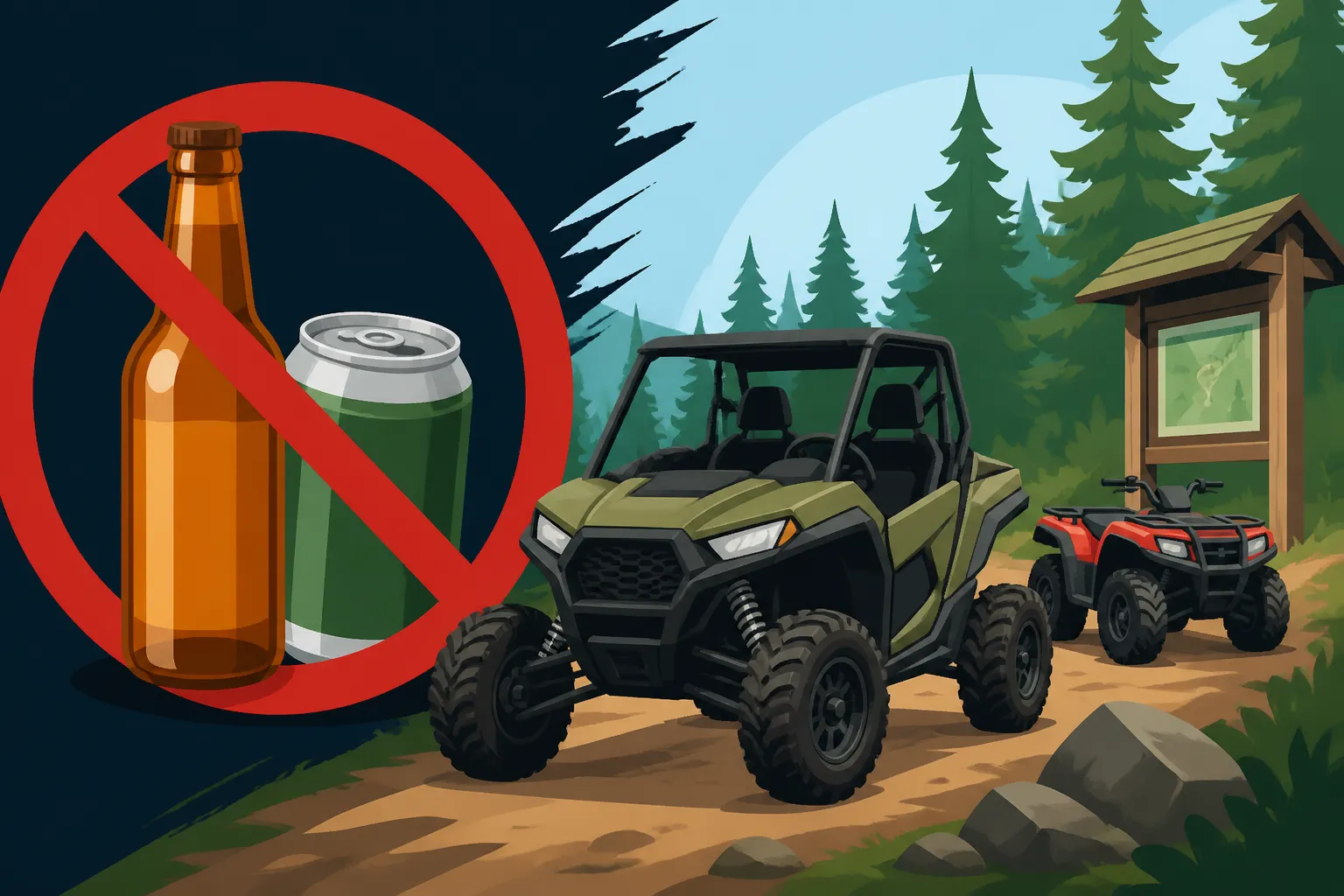
It's a beautiful day out on the Massachusetts trails, the sun is shining, the air is crisp, and you've just pulled back into the trailhead parking lot after an exhilarating ride through October Mountain State Forest. You and your buddies are feeling great, thinking about cracking open a few cold ones to celebrate. We've all been there, that urge to unwind, but mixing alcohol with your off-road machine at a state forest trailhead in Massachusetts is a serious gamble, one that can lead to devastating consequences far beyond a simple buzz. This guide will walk you through exactly why that seemingly innocent drink can spell serious trouble and how to keep your trail experiences safe and legal.
Understanding Massachusetts Law: The Line Between Fun and Felony
When it comes to alcohol and off-highway vehicles (OHVs) in Massachusetts, the state doesn't mess around. It's not just about what you do on the trail itself; the rules extend to parking areas, trailheads, and essentially any land managed by the Department of Conservation and Recreation (DCR) or other public access points where your OHV might be. The temptation to "relax" after a dusty ride with a cold beverage is understandable, but the legal framework here is designed to prevent tragic accidents and keep everyone safe.
The "Operating Under the Influence" Standard
Massachusetts General Law Chapter 90B, which governs OHVs, clearly prohibits operating an OHV while under the influence of alcohol or drugs. This isn't just about being visibly intoxicated; the legal standard for "Operating Under the Influence" (OUI) is typically a blood alcohol content (BAC) of 0.08% or higher, or being impaired to the extent that your ability to operate safely is compromised. And here’s the kicker: even if you’re just sitting on your machine with the keys in the ignition, or perhaps even near your machine in a state of impairment with the intent to operate, you could be facing an OUI charge. The Environmental Police, who enforce these laws, are diligent. They understand that a moment of poor judgment can lead to a lifetime of regret, not just for the rider, but for anyone else on the trail. It’s not like having a drink in your driveway; public land operates under a different set of expectations and rules.
Penalties That Impact Your Life
The consequences for an OUI on an OHV in Massachusetts are far-reaching and can have a significant impact on your life. We're not talking about a slap on the wrist. A first offense can mean substantial fines, loss of your OHV registration, and even jail time. It could also lead to the suspension of your motor vehicle operator's license, even if you weren't operating a car. Imagine not being able to drive your truck to work or even to the grocery store, all because of a decision made at a trailhead. Subsequent offenses only escalate these penalties, potentially leading to vehicle seizure and more severe legal entanglements. These aren't just hypotheticals; these are real outcomes that ruin lives and recreational opportunities. The state takes the safety of its citizens and visitors seriously, and these laws are a testament to that commitment. You can learn more about the strict consequences by reading about [Massachusetts DUI Law and Off-Road Machines].
The Role of the Environmental Police
The Massachusetts Environmental Police (MEP) are the primary law enforcement agency responsible for enforcing OHV regulations, including those concerning alcohol. Unlike regular municipal police or state troopers who might patrol highways, the MEP are specifically trained and equipped to operate in natural resource areas, including our state forests and trail systems. They know the trails, they know the access points, and they are regularly out there ensuring compliance. They conduct patrols, set up checkpoints near popular trailheads, and respond to incidents. Their presence is a crucial part of maintaining safety on public lands. When you see an MEP officer, they're not just there to check your registration card; they're looking out for everyone's well-being, which absolutely includes preventing impaired riding. They're also often the ones who provide [Massachusetts Environmental Police Trainers] for safety courses, so they know the rules inside and out.
Beyond Legalities: Why Impairment Invites Disaster on the Trail
Beyond the very real legal ramifications, there's a profound safety aspect to avoiding alcohol when you're around ATVs and UTVs. The dynamic environment of a trail, with its unpredictable terrain, sudden obstacles, and varying conditions, demands your full attention, sharpest reflexes, and clearest judgment. Introducing alcohol into that mix is like willingly throwing a wrench into a finely tuned machine.
How Alcohol Changes Your Ride
Even a small amount of alcohol can significantly impair your ability to operate an OHV safely. Think about what a good rider needs: quick reaction time to avoid a hidden rock or sudden rut, excellent hand-eye coordination for steering and throttle control, sound judgment to assess a tricky climb or a muddy crossing, and clear vision to spot hazards. Alcohol directly compromises every single one of these critical faculties.
It slows your reaction time, making that split-second decision to brake or swerve much harder. It dulls your judgment, making a risky maneuver seem like a good idea. It affects your balance and coordination, increasing the likelihood of losing control, especially on uneven terrain or during turns. Even simple tasks like shifting gears or navigating through tight trees become more challenging. What might be a thrilling, controlled slide for a sober rider could turn into a disastrous rollover for someone who's had a few drinks. The beautiful scenery of places like Pittsfield State Forest demands respect and focus, not a blurred vision and impaired senses.
The Ripple Effect: Danger to Others and the Environment
When you choose to ride or even prepare to ride while impaired, the danger doesn't stop with you. You become a hazard to every other person on the trail, from fellow OHV riders to hikers, mountain bikers, and even wildlife. A loss of control, a misjudgment of speed, or simply failing to yield properly can lead to serious collisions. Imagine encountering a family with young children walking on a shared multi-use trail, and an impaired rider comes around a blind corner too fast. The potential for a catastrophic accident is immense.
Furthermore, impaired riding often leads to reckless behavior, which can cause significant damage to the environment. Swerving off marked trails, damaging sensitive vegetation, or disturbing wildlife are common consequences of poor judgment. Our state forests are precious resources, and everyone has a responsibility to protect them. The [Massachusetts Trail Etiquette Locals Expect] is about respecting the land and other users, and that starts with clear-headed decisions.
The Illusion of Control: "Just One Drink"
It's a common trap: the belief that "just one drink" won't hurt, or that you're somehow "okay to ride" because you feel fine. This illusion of control is incredibly dangerous, especially when paired with the adrenaline of off-road riding. Alcohol affects everyone differently, but the basic physiological effects on cognitive function and motor skills are universal. That single drink can be enough to slightly blur your vision, slow your processing speed by a fraction of a second, or make you overconfident in your abilities. On an OHV, where conditions change in an instant, that fraction of a second or that misplaced confidence can be the difference between a fun day and a trip to the emergency room. It's simply not worth the risk.
Choosing Responsibility: Enjoying Massachusetts Trails Safely and Soberly
The good news is that enjoying the incredible OHV opportunities in Massachusetts doesn't require any alcohol. The thrill of the ride, the camaraderie of fellow enthusiasts, and the beauty of nature are more than enough to create lasting memories. Choosing responsibility ensures that those memories are good ones, free from regret and legal trouble.
Embrace the Natural High: The Thrill of Sober Riding
There's a unique rush that comes from navigating challenging terrain, conquering a steep climb, or perfectly executing a turn on a dirt bike or side-by-side. This "natural high" is what draws many of us to off-roading in the first place. When you're sober, you can fully appreciate the skill involved, the power of your machine, and the stunning natural surroundings. You're completely present, making every decision with precision and enjoying every moment. Think about the feeling of successfully tackling a technical section in Beartown State Forest, or cruising through October Mountain State Forest with crisp, clean air in your lungs. That's a feeling alcohol simply can't enhance, and in fact, it can only detract from it.
Smart Planning for Group Rides and Hangouts
If your group enjoys socializing after a ride, that's perfectly fine—just plan for it responsibly.
Here are some actionable tips:
- Designate a Sober Driver: If you're going to consume alcohol, ensure there's a designated driver for the tow vehicle. This person should not have any alcohol at all.
- Separate Activities: Plan your alcohol consumption for a completely separate time and location from your riding. Once the machines are loaded, secured, and you've left the state forest property, then you can consider unwinding. Even better, make it a separate outing entirely.
- Focus on Hydration: Instead of adult beverages, pack plenty of water, sports drinks, and non-alcoholic refreshments. Staying hydrated is crucial for safe riding, especially on warmer days. Investing in quality hydration packs or secure cargo boxes for your machine, perhaps from accessory providers like SuperATV, can make this easy and convenient.
- Alternative Social Activities: Plan a post-ride barbecue, a group dinner at a local restaurant (away from the trailhead), or simply gather to share stories and photos from your day on the trails. The bonds formed over shared adventures are far more meaningful than those over shared drinks.
| Risk Factor | Impaired Riding | Sober Riding |
|---|---|---|
| Reaction Time | Significantly slowed | Optimal, quick |
| Judgment | Impaired, prone to overconfidence | Clear, accurate assessment of risks |
| Coordination / Balance | Reduced, higher risk of control loss | Precise, stable |
| Awareness of Surroundings | Diminished, missing hazards | Heightened, vigilant |
| Legal Consequences | Fines, license suspension, jail time, machine seizure | None (if rules followed) |
| Safety for Others | High risk of causing accidents for other trail users | Contributes to a safe environment for everyone |
| Machine Damage | Increased likelihood of crashes and costly repairs | Reduced risk, better machine longevity |
| Enjoyment of Ride | Falsely enhanced, potential for regret | Genuine, uncompromised appreciation |
Equipping for Safety, Not Recklessness
Being a responsible rider also extends to how you equip your machine and yourself. Ensuring your OHV is in excellent working order is fundamental to safety. This includes regular maintenance, checking your tires, brakes, and lights. Many riders choose to upgrade their machines with durable, high-performance aftermarket parts, such as those offered by SuperATV, to enhance safety and reliability on challenging Massachusetts trails. For instance, robust skid plates can protect vital components from unexpected impacts, and high-quality LED light bars significantly improve visibility, especially when riding in dimly lit sections of a forest or as dusk approaches.
Furthermore, always wear appropriate safety gear, including aDOT-approved helmet (a Massachusetts requirement for all riders), eye protection, gloves, long sleeves and pants, and sturdy boots. This gear is your first line of defense if an accident occurs, regardless of whether impairment is a factor. Remember that [Massachusetts Helmet Law for Every Rider] is strictly enforced. Focusing on proactive safety measures like these makes every ride safer and more enjoyable, reinforcing the positive aspects of the OHV community rather than risking them with irresponsible choices.
Massachusetts offers some incredible opportunities for ATV and UTV enthusiasts in places like October Mountain and Pittsfield State Forests. Let's keep these experiences positive, safe, and legal for everyone by leaving the alcohol far away from our trailheads and machines. Your future self, and your fellow riders, will thank you.
Disclaimer
This article is for general informational purposes only and does not constitute professional advice. Laws, prices and regulations vary by location and change over time. Consult a qualified professional for guidance on your specific situation.