Massachusetts Riders Under 10 and Sanctioned Events
It can be incredibly frustrating for parents who want to introduce their young children to the exciting world of ATV and UTV riding, especially when they encounter Massachusetts' notoriously strict laws. The Bay State has some of the toughest regulations in the country concerning off-highway vehicles (OHVs), and nowhere is this more apparent than with riders under the age of 14. If you've felt confused or even a little disheartened trying to figure out how your little one can safely and legally enjoy a quad, you're not alone. This guide is here to break down exactly what "sanctioned events" mean for riders under 10 in Massachusetts, clarifying the rules, the safety requirements, and how to navigate this unique pathway for your youngest enthusiasts.
The Strict Landscape of Massachusetts ATV Laws for Young Riders
Massachusetts didn't just wake up one day and decide to be tough on youth OHV riding; these regulations stem from a serious legislative effort to prevent tragic accidents. Understanding the history and the core principles behind these laws is crucial for any parent. It's not about stifling fun, but about ensuring safety in a high-risk activity.
The Genesis of Sean's Law and Its Core Principles
The bedrock of Massachusetts' youth OHV laws is often referred to as [Sean's Law: The 2010 Ban Named for a Boy]. This legislation, enacted in 2010, was a direct response to a tragic incident involving a young rider. Before this law, the rules were far less stringent, leading to preventable injuries and fatalities among children. The core principle of Sean's Law is simple: children, particularly those under a certain age, lack the judgment, physical capability, and experience to safely operate powerful off-highway vehicles in uncontrolled environments. It fundamentally changed how and where young people could ride, placing a heavy emphasis on adult supervision and controlled settings. This law dramatically raised the age requirements and introduced specific conditions under which minors could operate ATVs and UTVs, aiming to create a safer environment for riders and minimize the risk of accidents that could lead to severe injury or death. It was a statewide push for greater responsibility from adults and a more protected environment for children.
Why Riders Under 14 Face Unique Restrictions
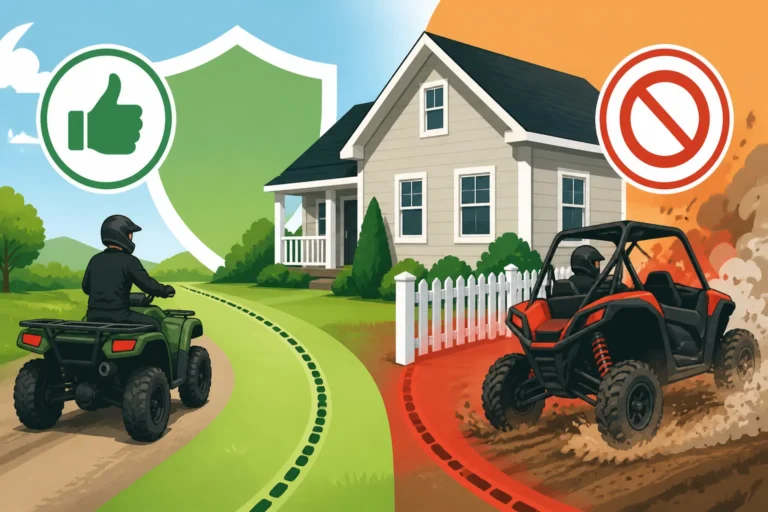
The legal framework specifically singles out riders under 14 for the most stringent restrictions. While older minors (14-16, and 16-17) have their own sets of rules regarding engine size and supervision, children under 14 face an almost complete ban on casual riding. This is a point of considerable frustration for many families coming from states with more lenient laws. The law assumes that children in this age group simply do not possess the cognitive development or motor skills necessary to react appropriately to unexpected terrain, other riders, or potential hazards in a typical trail environment. Even on private land, [Why Under-14 Riders Are Banned on Private Land Too] for recreational purposes, the ban is comprehensive unless very specific conditions are met. This means no joyriding in the backyard or on the family farm without adhering to strict event-based rules, which can be a real shock for those used to different norms. The intent is to remove children from any scenario where they might be exposed to dangers without the structured oversight of a sanctioned event.
The General Ban on Riding Unsupervised
For virtually all riders under 18, and especially those under 14, unsupervised riding is a non-starter in Massachusetts. The law is explicit: without appropriate supervision or participation in a sanctioned event, riding is illegal. For riders under 18, the requirements for supervision are incredibly precise, often demanding continuous visual contact and immediate proximity from a supervising adult over 18. For the youngest riders, those under 10, the concept of "supervision" outside of a sanctioned event is practically moot because the general prohibition is so broad. This blanket ban on unsupervised riding underscores the state's protective stance, aiming to eliminate opportunities for young riders to get into trouble when an experienced adult isn't directly overseeing every moment of their ride. It's a huge shift from the "let them learn in the field" mentality that might prevail in some other areas, forcing parents to rethink how and where their children interact with OHVs.
Sanctioned Events: The Exclusive Path for Riders Under 10
Given the strict regulations, many parents naturally wonder if there's any way for their under-10 child to ride legally. The answer lies exclusively in "sanctioned events." This isn't just a loophole; it's the only specifically carved-out exception in Massachusetts law that allows the youngest riders to participate in OHV activities.
What Defines a "Sanctioned Event" in Massachusetts
A "sanctioned event" is not just any organized ride or casual gathering. In Massachusetts, it's a very specific designation. According to the law, a sanctioned event is one that has received official approval from the municipality in which it takes place, as well as being sanctioned by a recognized state or national OHV organization. Think of it as a double layer of authorization. This typically means a formal application process, safety plan review, and often involves permits from local police or town officials, alongside a sanction from bodies like the American Motorcyclist Association (AMA) or other similar legitimate racing or riding organizations. These events are designed to be highly structured, with designated riding areas, clear safety protocols, emergency medical personnel on standby, and often specific rules regarding machine types and rider conduct. [Massachusetts Sanctioned Event Rules] are quite explicit. It’s not simply a matter of a local club getting together; it's a formalized, regulated activity that goes through significant vetting to ensure safety and compliance.
The Role of Event Organizers and Municipal Approvals
The burden of ensuring an event qualifies as "sanctioned" falls squarely on the event organizers. They are responsible for navigating the complex permitting process with local municipalities, which often includes presenting detailed safety plans, proof of insurance, and outlining how participants, especially young riders, will be monitored. [Massachusetts Municipal Approval for a Rally] or race is a critical step. These organizers also need to secure the backing of a recognized sanctioning body, which lends credibility and often provides a framework for rules, regulations, and insurance coverage. For parents, this means you can't just create your own "sanctioned event" in your backyard. You need to seek out established organizations that regularly host such events and have gone through the proper channels. It’s a testament to the state's cautious approach that such a significant layer of bureaucracy is required to allow young riders onto an OHV.
Engine Size Limitations and Equipment Checks at Events
Even within a sanctioned event, there are strict rules regarding the machines themselves. While the law generally caps engine sizes for certain age groups outside of sanctioned events (for instance, [The 90cc Engine Cap for Riders 14 to 16]), for riders under 10 in a sanctioned event, the rules often lean on the specific guidelines set by the sanctioning body, which are usually designed for appropriate power-to-weight ratios for young riders. This often translates to smaller, youth-specific machines, typically with engine sizes well under 90cc, or even smaller, sometimes electric, models. Furthermore, all machines at these events, especially those for young riders, undergo rigorous equipment checks. This means ensuring brakes are fully functional, tires are in good condition, throttles operate smoothly, and all safety mechanisms are in place. Any modifications to the machine must also meet event and safety standards. Even a new throttle or a new set of tires from a reputable brand like SuperATV would need to be installed correctly and pass inspection to ensure the machine is safe and appropriate for competition or organized riding. This meticulous attention to detail on the machine side is another layer of protection for the young participants.
Navigating Parental Responsibilities and Supervision
For parents of young riders, understanding your role and responsibilities within these sanctioned events is paramount. Massachusetts law places a significant amount of accountability on supervising adults, and for good reason. It's not just about showing up; it's about active, informed participation in your child's safety.
Direct and Continuous Visual Supervision Explained
For any minor operating an OHV, including those under 10 in sanctioned events, the concept of "supervision" is not passive. It means [What Continuous Visual Contact Means in Massachusetts]. A supervising adult, typically a parent or legal guardian over 18, must maintain direct and continuous visual contact with the young rider at all times. This isn't just about being in the general vicinity; it means being close enough to see everything the child is doing, anticipate potential problems, and intervene if necessary. In the context of a sanctioned event, this often means parents are either riding alongside their child (if allowed and safe) or positioned at strategic points on the track or course where they can maintain an uninterrupted view. [Supervising Adults Are Liable for a Rider's Violation], so this isn't a suggestion – it's a legal requirement with serious implications. This level of engagement ensures that the adult can immediately address any hazards, provide instructions, or help their child if they run into difficulty.
Parental Liability Under Sean's Law
The legal framework in Massachusetts holds parents directly accountable for their children's compliance with OHV laws. [Massachusetts Parent Liability for a Young Rider] is a serious consideration. If a child, particularly one under 10, is found riding an OHV outside of a sanctioned event or without proper supervision, the parents can face significant penalties, including fines. This liability extends to ensuring the child has the necessary safety certificate and is using an appropriately sized and maintained machine. The state's intent here is to encourage parents to take an active and responsible role in educating their children about OHV safety and ensuring they only ride in legal, safe environments. It's a sobering reminder that while OHV riding can be fun, it also comes with substantial parental responsibility in Massachusetts. Before your child even thinks about sitting on a quad, understanding these liabilities is critical.
Preparing Your Child for Their First Event
Beyond the legalities, preparing your child mentally and physically for their first sanctioned event is crucial. For a child under 10, a race or organized ride can be exhilarating but also overwhelming. Start with basic riding skills in a controlled, safe environment, ensuring they are comfortable with accelerating, braking, and steering their machine. Practice turning, stopping, and handling small obstacles. Make sure they understand the rules of the event, including flag signals, course boundaries, and how to safely interact with other riders. Discuss what to expect, from the noise and excitement to the potential for dust or mud. Equip them with all the mandatory safety gear, making sure helmets fit perfectly and other protective equipment is comfortable. Encourage them, but also teach them to respect the power of the machine and the importance of safety. A product like a youth protective vest from SuperATV, for instance, could provide that extra layer of confidence and safety for a young rider. A well-prepared child is a safer, more confident, and ultimately, a happier rider.
Essential Gear, Machine Setup, and Safety Certificates for Youth
Ensuring your child has the right equipment and that their machine is properly set up is non-negotiable for safety. Massachusetts law, and the rules of sanctioned events, are very specific about what is required for young riders.
Mandatory Safety Gear for Every Young Rider
Safety gear isn't optional; it's a lifeline. [Massachusetts Helmet Law for Every Rider] makes it clear that everyone on an OHV, regardless of age, must wear a helmet. But for young riders, the requirements go beyond just a helmet. They typically include eye protection (goggles), sturdy over-the-ankle boots, long pants, a long-sleeved shirt, and often gloves. Many events also strongly recommend or even mandate chest protectors and knee/elbow pads. The helmet must be properly fitted and meet current safety standards (DOT approved). Ill-fitting gear can be just as dangerous as no gear at all, as it won't provide adequate protection in a fall. It's an investment, but one that directly correlates to your child's safety and confidence on the track. When looking at durable accessories or protective equipment for your child's machine, remember that quality brands prioritize safety and durability, which is essential for young riders who might be prone to bumps and scrapes.
Machine Preparation and Inspection for Youth Quads
The ATV or UTV your child rides in a sanctioned event must be specifically designed for youth use and meticulously maintained. This means ensuring the machine is appropriate for their size and skill level, not just their age. Check all the basics: tires are properly inflated and have good tread, brakes are responsive, the throttle has no sticky spots, and the kill switch works flawlessly. The machine should also have a spark arrestor to prevent trail fires, which is a common requirement for any OHV used on public or event land. For an under-10 rider, you'll want to ensure the throttle limiter is properly adjusted to control speed, and that all engine and transmission components are running smoothly. Many youth machines, especially those used in competitive settings, benefit from aftermarket parts that enhance safety and durability. For instance, you might consider stronger A-arms or better skid plates from a brand like SuperATV to protect vital components during a race. Always perform a thorough pre-ride inspection before every outing and ensure any necessary repairs or maintenance are done promptly.
The Critical Requirement of an OHV Safety Certificate
Before any rider under the age of 18 can operate an OHV on public land or participate in many sanctioned events in Massachusetts, they must possess a valid OHV Safety Certificate. This is a critical piece of the puzzle for parents of young riders. [Massachusetts Safety Certificates Under 18] outlines this requirement. The certificate is obtained by completing a [Massachusetts Two-Part Safety Course], which typically includes an online or classroom component and an in-person skills test. For riders under 16, a parent or guardian is required to attend the classroom portion with their child. This course covers essential safety practices, legal responsibilities, environmental awareness, and basic riding skills. Even if a child only plans to ride in sanctioned events, having this certificate is a prerequisite. It demonstrates that the rider (and their parent, for younger children) has received formal training and understands the responsibilities that come with OHV operation. Without it, even an otherwise legal ride at a sanctioned event could result in a citation.
| Age Group | General Riding Rules (Non-Sanctioned) | Sanctioned Events (Riders Under 10) | Required Certificate | Engine Size (General) | Supervision (General) |
|---|---|---|---|---|---|
| Under 10 | Strictly Prohibited on all land (private or public) | ONLY allowed in events sanctioned by municipality & recognized OHV organization. Strict safety protocols, medical staff, equipment checks. | YES | Youth-specific (e.g., <70cc) | Direct, continuous visual contact by adult over 18. |
| 10 to Under 14 | Strictly Prohibited on all land (private or public) | Allowed in sanctioned races/events. Rules similar to under 10s. | YES | Youth-specific (e.g., <90cc) | Direct, continuous visual contact by adult over 18. |
| 14 to Under 16 | May ride on private land with written permission, under direct supervision. | Allowed in sanctioned events (races, rides). | YES | Under 90cc | Direct, continuous visual contact by adult over 18. |
| 16 to Under 18 | May ride on private land with written permission, under direct supervision. | Allowed in sanctioned events (races, rides). | YES (if no driver's license) | No general engine size cap (with certificate) | Direct, continuous visual contact by adult over 18 (unless licensed driver). |
| 18 and Older | May ride with OHV registration. | Allowed. | NO (unless state law requires) | No cap | No supervision required. |
Finding and Participating in Approved Youth Events
So, you've got the gear, the knowledge, and your child has their safety certificate. The next step is to find those elusive sanctioned events and get your child involved. This can sometimes feel like a treasure hunt, but with the right approach, you can locate opportunities for your young rider.
Locating Sanctioned Events in Massachusetts
Finding sanctioned events for riders under 10 in Massachusetts requires a proactive approach. You won't typically find these advertised on general tourism websites. Your best bet is to connect with official OHV organizations, both state and national. Groups like the American Motorcyclist Association (AMA) often list sanctioned events on their calendars, and many local OHV clubs are affiliated with these larger bodies. These clubs are often the ones organizing or supporting youth events. Reach out to the [Massachusetts Safety Bureau Contacts] within the state's environmental police or Department of Conservation and Recreation (DCR) for information, as they may have lists of approved events or can direct you to relevant organizations. Online forums and social media groups dedicated to Massachusetts OHV riding can also be a valuable resource for finding out about upcoming events, but always verify the "sanctioned" status directly with the organizers and municipality. These events are specialized, so you'll need to dig a little, but the effort is worth it for the opportunity it provides your child.
Registration, Waivers, and Event-Specific Rules
Once you've identified a sanctioned event, the process of participation usually involves several key steps. First, there's registration, which often needs to be done in advance. This is where you'll provide rider information, machine details, and sometimes proof of the OHV Safety Certificate. Next, be prepared for waivers. You, as the parent or guardian, will almost certainly need to sign comprehensive liability waivers, acknowledging the inherent risks of the sport and agreeing to abide by all event rules. [Massachusetts Private Park Waivers and Rules] can give you an idea of the kind of documentation you'll encounter. Each event will also have its own set of specific rules beyond the general state laws. These might cover anything from maximum speeds for youth classes, designated practice times, pit area conduct, and even specific modifications allowed (or disallowed) on machines. For example, while a standard youth machine is fine, an organizer might specify if aftermarket performance parts, such as an exhaust system not designed for youth, are prohibited. Always read these rules thoroughly to ensure full compliance and a smooth experience for your child.
The Importance of Practice and Skill Development
While sanctioned events provide a legal outlet for young riders, they are also excellent environments for practice and skill development. Many events aren't just races; they might include youth riding clinics, practice days, or structured trail rides designed to build confidence and hone skills. These settings provide a safe, controlled space where your child can push their limits slightly, learn from experienced instructors, and interact with other young riders. Consistent practice, even on a small, safe, private course if permitted by the event organizers, helps children develop better machine control, improves their decision-making, and enhances their overall riding abilities. Remember, the goal isn't just to ride, but to ride safely and skillfully. Encouraging your child to participate in these developmental aspects of sanctioned events will not only make them a better rider but also instill a lifelong appreciation for responsible OHV use. It's a journey, and every controlled, supervised experience adds to their expertise and enjoyment.
Disclaimer
This article is for general informational purposes only and does not constitute professional advice. Laws, prices and regulations vary by location and change over time. Consult a qualified professional for guidance on your specific situation.