Massachusetts Supervisors Held Liable
Riding an ATV or UTV in Massachusetts with a young person can feel like navigating a minefield of regulations, and one of the biggest anxieties for any adult is the question of liability. Many parents, guardians, or even friends taking a minor out for a ride often worry about what happens if something goes wrong, and rightly so, because the Bay State holds supervising adults to a very high standard. This guide is here to untangle the complexities of Massachusetts law, explaining precisely what it means to be "held liable" as a supervisor, the specific situations where this applies, and what you can do to protect yourself and ensure a safe, legal ride for everyone.
The Strict Landscape of Massachusetts ATV Laws for Youth Riders
Massachusetts has some of the most stringent laws in the country when it comes to off-highway vehicle (OHV) operation, particularly for minors. These regulations were put in place for a very good reason: to protect young riders from serious injury. However, for adults trying to share the joy of trail riding, it can feel like a maze of rules that are difficult to keep straight, leading to constant worry about inadvertently breaking the law.
Sean's Law and Its Impact
The bedrock of youth ATV regulations in Massachusetts is a piece of legislation known as [Sean's Law and Massachusetts Youth Riders], enacted after a tragic accident involving a young rider. This law fundamentally changed how minors can operate OHVs in the state. Before Sean's Law, there was more leniency, but the new rules cracked down hard, emphasizing safety and adult responsibility above all else. This law isn't just a suggestion; it carries significant weight and penalties, directly influencing how a supervising adult is viewed in the eyes of the law. It completely reshaped the landscape for families wanting to introduce their kids to off-road riding, often leaving adults feeling overwhelmed by the weight of responsibility.
The intent behind Sean's Law was to create a safer environment, particularly for those under the age of 14, who are now explicitly prohibited from operating ATVs and dirt bikes anywhere in Massachusetts, even on private land, with very few exceptions. This means that if you have a child who falls into this age group, the thought of them ever getting behind the handlebars on a trail is immediately met with a legal roadblock. For adults, this strict prohibition translates into a clear line: if a child under 14 is operating an ATV, and you are supervising, you are already in violation, regardless of how safe you think the situation is. It's a heavy burden to carry, knowing that one wrong decision could lead to severe consequences.
Age and Engine Size Restrictions
Beyond the outright ban for the youngest riders, Massachusetts also implements a progressive system of age and engine size restrictions for older minors, as detailed in the [Massachusetts Age and Engine Size Ladder]. This means that as a child grows, the type of machine they can legally operate changes, along with the requirements for their supervision and safety education. It's not a one-size-fits-all approach, which can make it even more challenging for adults to ensure full compliance. For instance, a 14-year-old is subject to different rules than a 16-year-old, and the engine displacement of their machine plays a critical role.
Here's a quick overview of the key age and engine size restrictions:
| Age Group | Engine Size Restriction | Supervision Requirement | Safety Certificate |
|---|---|---|---|
| Under 14 | None (Prohibited) | N/A (Cannot operate, except in sanctioned events with strict rules) | N/A |
| 14 to 16 | 90cc maximum | Direct adult supervision (18+) with continuous visual & verbal contact | Required |
| 16 to 18 (without DL) | No engine size restriction | Direct adult supervision (18+) with continuous visual & verbal contact | Required |
| 16 and Half (with DL) | No engine size restriction | No direct supervision required (unless otherwise restricted by owner) | Required |
These rules are not just recommendations; they are enforceable by law. If a minor is found operating a machine that exceeds their legal engine size limit, or if they are simply too young to be riding at all, the supervising adult is the one who will face the legal repercussions. Imagine purchasing a powerful ATV, perhaps from a brand known for performance accessories like SuperATV, with the best intentions for a teenager, only to find out it's technically too large for their age group under Massachusetts law. It highlights the importance of thorough research before making any purchase or planning a ride. This tiered system necessitates constant vigilance from adults, making sure that every ride adheres to the specific age and machine requirements for the individual minor involved.
Understanding 'Supervising Adult' in Massachusetts Law
The concept of a "supervising adult" in Massachusetts OHV law is not just about being present; it's about active, engaged responsibility. The law is quite specific about who can supervise and what that supervision entails, leaving little room for ambiguity or passive oversight. This focus on the supervisor's role is a direct consequence of the state's commitment to youth safety, placing the onus squarely on the adult to prevent accidents and ensure adherence to all regulations.
Who Qualifies as a Supervisor?
In Massachusetts, a supervising adult is not just any adult. The law specifically defines a supervising adult as someone who is at least 18 years of age. This means that an older sibling who is 17, or even a responsible young adult friend, cannot legally fulfill the role of supervisor for a minor rider. The age requirement is firm, underscoring the state's belief that only individuals who have reached full legal adulthood are capable of assuming such a significant responsibility. This is crucial for parents to understand, especially if they are entrusting their child's riding experience to someone else. You can find more detail on this specific definition in [Massachusetts Supervising Adult Defined].
Furthermore, merely being 18 or older isn't the sole criterion. The supervising adult must also be someone who is capable of exercising responsible control over the minor and the situation. This implies sobriety, attentiveness, and a clear understanding of the rules and the potential risks involved. If an incident occurs and the supervising adult is found to be impaired or distracted, their eligibility as a "responsible" supervisor could be challenged, potentially escalating their liability. It’s a role that demands full attention and a clear head, adding another layer of pressure to what might otherwise be a fun outing.
The "Continuous Visual and Verbal Contact" Mandate
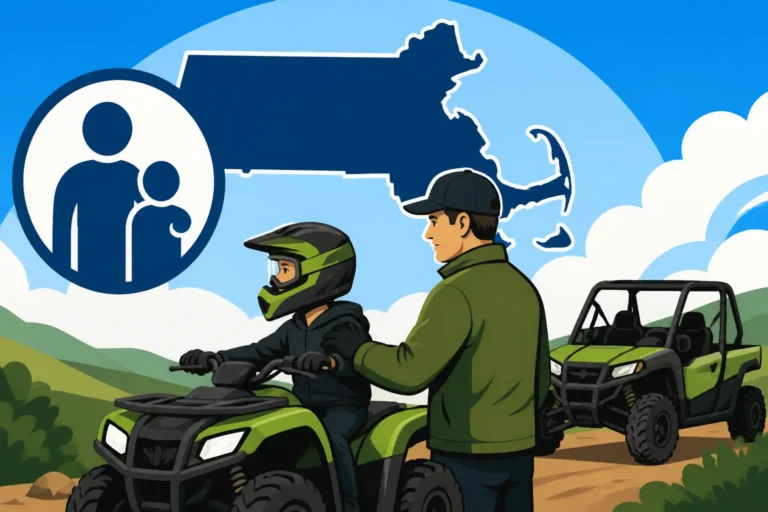
Perhaps the most critical and often misunderstood aspect of supervision is the requirement for "continuous visual and verbal contact." This isn't just about being in the same general area; it's about maintaining an unbroken line of sight and the ability to communicate directly with the minor at all times. The law is explicit here, aiming to prevent situations where a minor might get into trouble unnoticed or without immediate guidance. This requirement makes certain types of trail riding, especially on winding or heavily wooded paths, incredibly challenging to comply with while still allowing the minor a sense of independence.
Imagine riding a winding trail in October Mountain State Forest. The law dictates that you, as the supervising adult, must be able to constantly see and speak to the minor. This means if your child rounds a bend and disappears from your sight for even a moment, or if the engine noise prevents you from hearing their call, you are technically out of compliance. It requires riding very close together, often in single file, and at speeds that ensure constant proximity. This can sometimes feel restrictive, especially for a teenager who might want to push their limits a bit, but the law prioritizes safety and direct intervention. It’s a very different scenario than allowing a child to ride "within earshot" or "just down the path." The standard is much higher, forcing adults to adjust their riding style and route choices dramatically.
What Does "Held Liable" Actually Mean for Supervisors?
When the state of Massachusetts says a supervising adult can be "held liable," it's not just a polite suggestion or a slap on the wrist. It refers to a serious legal and financial responsibility that can arise if a minor under your supervision violates OHV laws or causes an accident. This liability encompasses both civil penalties, such as paying for damages, and direct legal consequences, like fines and citations. It's a concept that can send shivers down any responsible adult's spine, highlighting the profound implications of agreeing to supervise a young rider.
Financial Responsibilities for Damages
One of the most immediate and impactful aspects of being held liable is the potential for significant financial responsibility. If a minor under your supervision causes property damage – perhaps hitting a fence, colliding with another vehicle, or damaging natural resources – you, as the supervising adult, could be on the hook for those repair or replacement costs. This extends beyond simple property damage to potential personal injury claims as well. If the minor causes an accident that injures another person, the medical bills, lost wages, and pain and suffering compensation could fall directly to you.
Consider a scenario where a supervised teenager, perhaps riding a UTV with a lift kit and upgraded tires from SuperATV, misjudges a turn on a public access road during a legal crossing and clips a parked car. Even if the teenager meant no harm, the damage to the car, and any potential injuries to its occupant if it were occupied, could become your financial burden as the supervisor. This is where having the proper insurance becomes incredibly important, even though [Massachusetts Has No Insurance Mandate] for ATVs. Many savvy riders choose to get [Massachusetts Insurance Worth Buying Anyway] precisely for this kind of scenario, recognizing that optional coverage can be a lifesaver when liability strikes. Without it, you could be looking at out-of-pocket expenses that could severely impact your financial stability.
Penalties and Legal Consequences for Violations
Beyond civil damages, supervising adults can also face direct legal penalties if the minor under their charge violates Massachusetts OHV laws. These penalties can range from significant fines to having the machine seized, and in some cases, even more severe repercussions. [Massachusetts Penalties Under Sean's Law] specifically outlines the consequences, making it clear that the state takes these infractions very seriously. Ignorance of the law is generally not considered a valid excuse, meaning adults are expected to know and enforce all regulations.
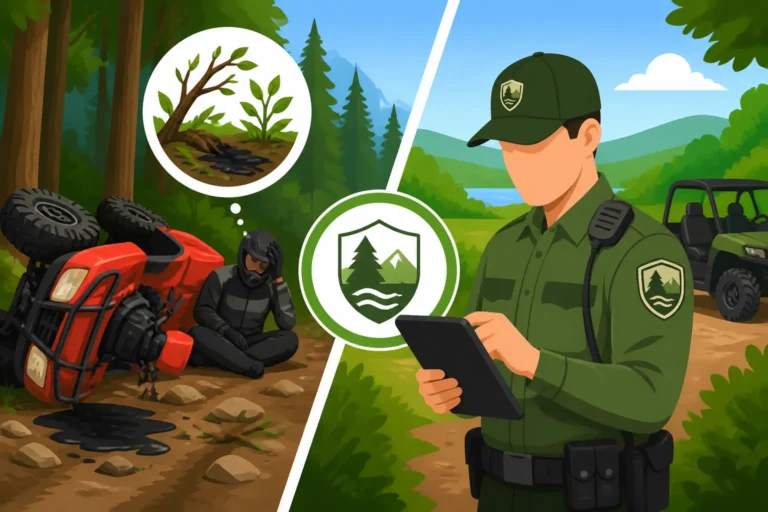
For example, if the minor is caught riding in a prohibited area, such as on a public way without permission or violating the [Massachusetts 150-Foot Dwelling Rule], the citation will likely be issued to the supervising adult. These fines can add up quickly, and repeat offenses can lead to escalating penalties. There's also the possibility of the OHV itself being impounded, leading to additional fees for recovery. This means that a fun day out on the trails could quickly turn into a costly and frustrating legal headache, not just for the minor, but directly for the adult who was supposed to be in charge. The thought of losing access to your machine, or having to pay substantial fines, is a strong deterrent for any adult considering cutting corners on supervision.
Mitigating Your Risk as a Supervising Adult
Given the serious implications of supervisor liability in Massachusetts, it's natural for adults to want to minimize their risks while still fostering a love for off-road riding in young people. The good news is that there are concrete steps you can take to significantly reduce your exposure to liability, primarily through education, diligence, and ensuring that all equipment is up to snuff. It’s about being proactive rather than reactive, making safety and compliance a core part of every ride.
Essential Safety Certifications and Training
One of the most crucial steps any supervising adult and their minor rider can take is to complete the required OHV safety certification. In Massachusetts, riders under the age of 18 must hold a valid safety certificate to operate an OHV on public lands. This is not just a formality; the safety course provides vital education on safe riding practices, environmental awareness, and adherence to state laws. The [Massachusetts Two-Part Safety Course] involves both a classroom component and a hands-on skills test, ensuring that riders gain both theoretical knowledge and practical experience.
For adults supervising minors, it's highly recommended that they also take the course, or at least be intimately familiar with its content. Furthermore, [Massachusetts Parents Must Attend Under 16] with their children taking the course, reinforcing the shared responsibility. This shared learning experience ensures that everyone understands the rules of the trail, the limits of the machine, and what to do in an emergency. Knowing that your minor rider has gone through comprehensive training, and that you understand the curriculum, provides a layer of confidence and significantly reduces the likelihood of unintentional violations or accidents. It's an investment in safety that pays dividends in peace of mind.
Ensuring Proper Machine Equipment and Maintenance
Another critical aspect of risk mitigation involves the OHV itself. Ensuring the machine is in excellent working order and equipped with all necessary safety features is paramount. This includes functional brakes, proper lighting for riding after dark, a working spark arrester, and a muffler that meets noise regulations. Brands like SuperATV offer a wide range of aftermarket parts and accessories, from robust skid plates to enhanced lighting, that can help not only improve performance but also ensure compliance and safety.
Beyond basic functionality, checking the machine before every ride for any issues – tire pressure, fluid levels, chain tension, and any loose parts – is a habit every supervising adult should adopt. For youth riders, ensuring they have the appropriate personal protective equipment, especially a properly fitted helmet that meets [Massachusetts Helmet Standards] (relevant to [Massachusetts Helmet Law for Every Rider]), eye protection, sturdy boots, and gloves, is non-negotiable. A well-maintained machine that is suitable for the rider's age and skill level, combined with adequate safety gear, dramatically reduces the risk of mechanical failure or injury. This diligence is a direct reflection of your commitment to safety and a strong defense against claims of negligence should an incident occur.
Scenarios Where Supervisor Liability Comes into Play
Understanding the law in theory is one thing, but knowing how it applies in real-world situations is another. Supervising adults often find themselves in situations where the line between legal and illegal, or safe and unsafe, can seem blurry. These are precisely the moments where supervisor liability is most likely to be invoked, and where a clear understanding of Massachusetts OHV laws is absolutely critical.
Riding on Private Land Without Permission
One of the most common misconceptions among new riders and their supervisors is the belief that private land offers a free-for-all environment, exempt from state regulations. While it's true that some state rules for public land don't apply, the core principles of youth rider safety and landowner permission remain firmly in place. If a minor under your supervision is riding on private property without explicit written permission from the landowner, you, as the supervisor, are creating a liability risk. Massachusetts law is clear that [Massachusetts Requires Written Permission] for riding on private property, and trespassing carries significant penalties.
Consider a situation where a supervisor takes a young rider to a friend's sprawling back forty, assuming verbal permission is sufficient. If the friend's neighbor complains about noise, or if the minor inadvertently crosses an unmarked property line, causing damage, the supervising adult could face charges for trespassing in addition to potential civil claims for damages. Even on land you own, the rules regarding age and engine size, as well as the continuous supervision mandate, still apply to minors. The private land exception primarily relates to registration requirements, not fundamental safety or age restrictions for youth riders, underscoring that liability can still loom large even on seemingly secure private parcels.
Public Way Crossings and Other Prohibited Areas
Massachusetts has very strict rules about where OHVs can and cannot be operated, especially regarding public ways and roads. Riding an ATV or UTV on paved public roads, streets, or highways is generally prohibited, with very limited exceptions for direct crossings at designated points. This is an area where supervisor liability frequently comes into play because the temptation to "just quickly cross" or "ride a short distance" on a road can be strong, but the legal consequences are severe. [Massachusetts Rules for Crossing a Road] are explicit, requiring a full stop and yielding to traffic, and for riders under 16 and a half, adult supervision is mandatory even for these short crossings.
Imagine a group of riders, including a supervised minor, attempting to connect two segments of a trail system that are separated by a paved town road. If the supervising adult allows the minor to cross the road without stopping, without yielding, or if the crossing is done in an undesignated area, they are directly violating state law. The penalties for such an infraction could include fines and potentially even more serious charges if an accident occurs. Furthermore, riding in other prohibited areas, such as conservation lands where OHVs are banned, or within the 150-foot dwelling rule proximity to an occupied residence without explicit permission, also places the supervising adult at high risk of liability. Understanding and strictly adhering to these geographical and operational restrictions is paramount for every adult responsible for a young rider, helping to ensure that a day of riding doesn't turn into a regrettable legal battle.
Disclaimer
This article is for general informational purposes only and does not constitute professional advice. Laws, prices and regulations vary by location and change over time. Consult a qualified professional for guidance on your specific situation.