Written Permission in a Pocket
It’s a scenario every off-road rider in Massachusetts dreads: you’re enjoying a fantastic day on your ATV or UTV, cruising along what you believe is perfectly legitimate private land, when suddenly, you see a uniform. Or worse, an angry landowner. The immediate question is always, "Do I have permission?" and if that permission isn't clearly documented and in your possession, you could be facing a hefty fine, machine impoundment, or even legal trouble. This guide is all about ensuring you're never caught in that bind, focusing on the absolute necessity of having written permission in your pocket when you ride private land in the Bay State.
Why Written Permission Isn't Just a Good Idea, It's the Law
Riding ATVs and UTVs in Massachusetts comes with a unique set of rules, and unlike some other states, the Bay State takes private property rights and landowner consent very seriously. It’s not enough to simply assume you can ride somewhere, or to rely on a casual nod from a friend who knows the property owner. The law is quite clear, and misunderstandings can lead to severe consequences for riders and unnecessary headaches for property owners.
Understanding Massachusetts' Strict Rules on Private Land Access
Massachusetts General Laws Chapter 90B, which governs off-highway vehicles (OHVs), is very specific about where and how you can ride. A cornerstone of this legislation is the requirement for permission when operating on private land. This isn't just about avoiding trespassing charges; it's about protecting yourself and respecting the rights of others. Without explicit permission, you are considered to be trespassing, plain and simple, even if there are no "No Trespassing" signs posted.
The environmental police, who are tasked with enforcing OHV laws, often patrol areas known for riding. If they encounter you on private land without proper documentation, you could be looking at a citation. The state views unauthorized riding not just as a civil trespass but as a violation of OHV regulations, which carry their own set of [Massachusetts Penalties for Illegal Riding]. These aren't minor parking tickets; they can be substantial fines, and your machine could even be impounded. Imagine having your prized side-by-side towed away after a fun day out, all because you didn't have a piece of paper in your pocket. It's a frustrating and expensive lesson no one wants to learn.
Beyond general private land access, Massachusetts also has the notorious "150-foot dwelling rule." This regulation states that you cannot operate an OHV within 150 feet of a dwelling or occupied building without express written permission from the owner or legal occupant of that dwelling. This rule is designed to protect residents from noise and disturbance, and it's enforced rigorously. Even if you have general written permission to ride on a large parcel of land, if your route takes you closer than 150 feet to a house on that same property or an adjacent one, you need separate, specific written permission from that dwelling's occupant for that particular activity. It's a nuanced point that many riders miss, leading to tickets even when they thought they were compliant. Understanding this specific detail can save you a lot of grief.
The Difference Between Verbal Agreements and Written Documents
We’ve all been there: a buddy says, "Yeah, my uncle owns that woodlot, he doesn't mind if we ride back there." Or you had a quick chat with the property owner at a convenience store, and they verbally gave you the go-ahead. While these verbal agreements might feel sufficient in the moment, they offer absolutely no legal protection in Massachusetts when it comes to riding your ATV or UTV.
Think about it from the perspective of an environmental police officer. They arrive on the scene, and you tell them, "Oh, Mr. Smith said it was okay." How are they to verify that in the field? What if Mr. Smith later denies it, or perhaps the person you spoke to wasn't actually the owner or didn't have the authority to grant permission? Verbal agreements are easily misunderstood, forgotten, or outright denied. They leave too much room for ambiguity and don't provide the concrete evidence needed to prove lawful access.
A written document, on the other hand, is tangible proof. It eliminates doubt. It clearly states the terms, the parties involved, and the scope of the permission. For both your protection and the landowner's, a written agreement is the only way to go. It serves as a clear record, protecting you from trespass allegations and protecting the landowner from potential liability issues if something were to happen on their property. Many landowners are rightfully concerned about legal ramifications if a rider gets hurt, even if they've given permission. A well-crafted written permission slip can often include language that addresses these liability concerns, making landowners more comfortable granting access. When you're out there enjoying the trails, knowing you have that solid documentation in your pocket provides immense peace of mind.
What Your Written Permission Needs to Include to Be Valid
Getting written permission isn't just about scribbling "OK to ride" on a napkin. To be truly effective and stand up to scrutiny, especially if you're ever stopped by law enforcement, your permission slip needs to be comprehensive. It acts as your legal pass to enjoy private lands, and like any important document, details matter.
Essential Information for a Rock-Solid Permission Slip
A proper written permission document should contain several key pieces of information to ensure it's legally sound and unambiguous. Think of it as a mini-contract between you and the landowner.
Here's a checklist of what you should aim to include:
- Landowner's Full Name and Contact Information: This should include their legal name, physical address, and a phone number where they can be reached. This allows authorities to verify the permission if needed.
- Rider's Full Name and Contact Information: Your legal name, address, and phone number should be clearly stated. If multiple riders will be using the property under this permission, list all of them.
- Specific Property Description: This is crucial. Don't just say "my woods." Include the property address, town, and, ideally, the Assessor's Map and Lot Number. This leaves no doubt about which parcel of land the permission applies to. For example, "Parcel ID 123-456, located at 789 Maple Street, Anytown, MA."
- Dates and Duration of Permission: Is it a one-time permission for a specific day? Is it for a weekend? Or is it for the entire riding season? Specify the start and end dates. If it's ongoing, state "until revoked in writing." A typical permission might read, "Permission granted from May 1, 2024, to November 30, 2024." This clarity prevents future disputes about when you are allowed to be there.
- Types of Machines Allowed: Specify if it's for ATVs, UTVs, dirt bikes, or a combination. The landowner might be comfortable with your single-rider ATV but not a large side-by-side. Make sure it matches what you intend to ride.
- Specific Trails or Areas Allowed: If the landowner has designated trails or areas they prefer you use, have them outlined, perhaps even with a simple sketch or a reference to a map. This helps prevent you from inadvertently riding into sensitive areas, wetlands, or too close to other structures. For instance, "Access granted to marked trails in the northern woodlot section, excluding areas within 150 feet of the main residence."
- Landowner's Signature and Date: This is the most critical element. The signature proves the landowner's explicit consent. Without it, the document is just a piece of paper.
Consider adding other details like any specific rules the landowner has (e.g., no riding after dark, stay on marked trails, close gates). Sometimes, landowners might even request you carry specific safety gear, or they might prohibit certain modifications to your machine. For instance, if you've got aftermarket parts from SuperATV that enhance performance, it's good practice to ensure they align with any landowner stipulations for quiet operation or trail preservation. Having a robust skid plate from SuperATV might be a selling point, showing you're prepared to protect the land from machine damage.
How to Approach Landowners for Permission
Asking for permission can feel daunting, but a respectful and prepared approach can significantly increase your chances of success. Most landowners aren't inherently against OHV riding, but they are often concerned about liability, property damage, noise, and safety. Your goal is to alleviate these concerns.
- Be Presentable and Polite: When you approach a landowner, dress neatly and be courteous. First impressions matter. Explain who you are, why you're interested in riding on their land, and that you understand the importance of respecting private property.
- Emphasize Responsibility and Safety: Landowners want to know you're not going to be a nuisance or a danger. Explain that you understand [Massachusetts Helmet Law for Every Rider] and other safety regulations, and that you always ride responsibly. If you've taken a [Massachusetts Safety Certificates Under 18] course, mention it, especially if you're a younger rider or bringing one along. Reassure them you carry proper registration, like the [Massachusetts Two-Year OHV Registration], and are aware of all local laws.
- Address Their Concerns Directly:
- Liability: This is often the biggest hurdle. Explain that you understand their concerns. While Massachusetts has a recreational use statute that offers some protection to landowners who allow free public access, private permission is different. Some riders even offer to sign a liability waiver, or carry personal liability insurance for their OHV, even though [Massachusetts Has No Insurance Mandate]. This proactive step can be very reassuring.
- Property Damage: Assure them you will stick to designated trails, avoid damaging vegetation or fences, and will leave no trace. If you have a winch, maybe from SuperATV, explain how it helps you avoid getting stuck and tearing up trails. Mentioning that you're prepared with recovery gear shows responsibility.
- Noise: Explain that your machine has a proper muffler and meets [Massachusetts Muffler Requirements]. Assure them you'll avoid riding during early morning or late evening hours.
- Security: Offer to keep an eye on their property while you're riding, reporting anything suspicious you might see. This can turn a "no" into a "maybe" or even a "yes."
- Be Prepared with a Template: Have a pre-written permission form ready that includes all the essential information mentioned above. This shows you're serious and organized, making it easy for the landowner to review and sign. Bring a pen!
- Start Small: If a landowner is hesitant, offer to start with a limited permission, perhaps for a single day or a specific, smaller section of their property. Build trust over time.
Remember, a "no" is always a possibility, and it's important to respect that decision without argument. However, a polite, prepared, and responsible approach often yields positive results, opening up new riding opportunities and fostering good relationships within the community.
Carrying and Presenting Your Written Permission
You've done the hard work: you approached the landowner respectfully, explained your intentions, and secured a beautifully signed permission slip. Fantastic! But the job isn't done. That piece of paper is only valuable if it's with you when you need it.
Always Have It On Hand: The "Pocket" Rule
The phrase "written permission in a pocket" is more than just a catchy title; it's a critical directive for every OHV rider on private land in Massachusetts. Think of it like your driver's license or your vehicle registration – it's something you must have with you.
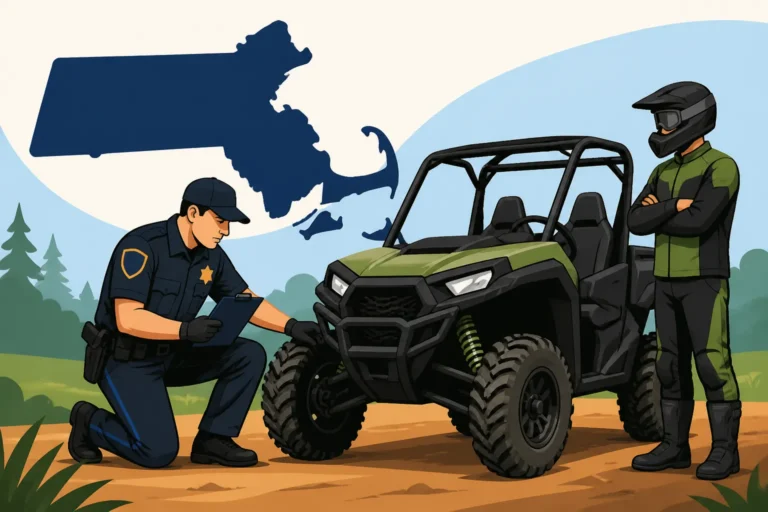
Why is this so important? Because an environmental police officer, or even a concerned citizen or the landowner themselves, might approach you at any time. They don't know your story or your arrangement. All they see is an OHV operating on private property, and without proof of permission, you're presumed to be in violation of the law.
You should carry the original signed document if possible, or at the very least, a clear, legible photocopy. A digital photo on your phone can sometimes suffice, but an actual physical copy is always preferable, especially if your phone battery dies or reception is poor. Consider laminating it or keeping it in a waterproof baggie to protect it from the elements while you're riding. Stash it in a designated pocket, a fanny pack, or a waterproof compartment on your machine, always accessible. Along with your permission, you should also always carry your [Massachusetts Registration Cards Carried on Board] for your machine.
Imagine an officer pulls up while you're enjoying a beautiful fall ride in October Mountain State Forest (if you had a permit for that, of course, but let's stick to private land for this example). You're having a great time, but if you have to say, "Oh, it's back in the truck," or "I left it at home," that could still lead to a citation. The point is to have it immediately available for inspection. This proactive step demonstrates your compliance and responsibility.
What to Do If Approached by an Officer or Landowner
Being approached by law enforcement or a landowner can be startling, but staying calm and cooperative is key. Knowing how to react appropriately can turn a tense situation into a quick, positive interaction.
- Stop Your Machine Safely: As soon as you realize you're being hailed, safely bring your OHV to a complete stop. Turn off the engine. This shows respect and allows for clear communication.
- Remain Calm and Courteous: Greet the officer or landowner politely. Keep your hands visible. Avoid any sudden movements.
- Present Your Documentation: State clearly that you have written permission. "Yes, officer, I have written permission right here," and then slowly and deliberately retrieve your document. Hand it over for inspection. This is also the time to present your [Massachusetts Registration Cards Carried on Board] and any other requested identification.
- Answer Questions Truthfully and Briefly: If asked questions, answer them honestly without being defensive or overly talkative. For example, if asked where you're riding, point to the area on the permission slip if it's detailed there.
- Don't Argue: If, for some reason, the officer or landowner has concerns even after seeing your permission, politely listen to their explanation. Do not argue or become confrontational. If you believe there's a misunderstanding, you can calmly explain your position, but ultimately, comply with their directives. You can always address disputes through appropriate channels later.
Remember, the goal is to demonstrate that you are a responsible and law-abiding rider. Having your permission ready, combined with a respectful demeanor, goes a long way in ensuring a smooth encounter. It underscores why the system works – the written permission serves as your shield, and your conduct serves as your diplomacy.
Maintaining Good Relationships for Future Access
Securing written permission is a privilege, not a right, and maintaining that privilege requires ongoing effort and responsible behavior. Good relationships with landowners are invaluable, especially in a state like Massachusetts where OHV riding opportunities can be limited.
- Leave No Trace: This is the golden rule of outdoor recreation. Whatever you bring in, take out. This includes trash, broken parts, and even tire marks where they shouldn't be. Pack it in, pack it out.
- Stick to the Agreement: Only ride in the areas you were given permission for. Don't venture off designated trails or into prohibited zones. If your permission is for an ATV, don't bring your UTV unless that's also specified. Respect any time restrictions or other rules the landowner set.
- Respect the Land: Avoid creating excessive noise, especially near dwellings. Don't damage vegetation, fences, or other property. If you encounter a situation where you might damage the trail (e.g., getting stuck in mud), use caution and responsible techniques. This is where high-quality recovery gear, like a reliable winch from SuperATV, can be a game-changer. Using a winch to extract your machine cleanly is far better for the land than spinning your tires and digging a deeper rut.
- Be a Good Steward: If you notice a fallen tree blocking a trail, and you have the means and the landowner's implicit blessing, consider clearing it. If you see illegal dumping or unauthorized activity, report it to the landowner. This shows you're invested in the well-being of their property.
- Express Gratitude: A simple "thank you" goes a long way. Consider sending a small thank-you note, especially if you had a particularly good experience. An occasional check-in to say hello and see if they have any concerns can also reinforce a positive relationship.
- Renew Permission Promptly: If your permission has an expiration date, reach out to the landowner before it expires to request a renewal. Don't just show up and expect it to be okay.
By consistently demonstrating respect, responsibility, and gratitude, you not only ensure your continued access to that specific property but also build a positive reputation for the entire OHV riding community. Word travels, and positive experiences can open doors for other riders, while negative ones can quickly lead to more "No Trespassing" signs.
Dos and Don'ts of Written Permission
To help solidify the key takeaways, here's a quick reference table for navigating written permission for ATV and UTV riding on private land in Massachusetts.
| DOs | DON'Ts |
|---|---|
| Carry physical written permission at all times. | Rely on verbal agreements or assumptions. |
| Include landowner and rider details. | Forget to get the landowner's signature. |
| Specify property address and map/lot number. | Ride outside the agreed-upon areas or dates. |
| List allowed machines and riding areas. | Damage property, create excessive noise, or litter. |
| Respect all landowner rules and requests. | Argue with authorities or landowners. |
| Be polite and cooperative if approached. | Leave your permission slip at home or in your truck. |
| Renew permission before it expires. | Think the 150-foot rule doesn't apply to you. |
| Consider liability concerns proactively. | Allow unauthorized friends to ride under your permission. |
| Leave no trace and be a good steward. | Take the privilege of access for granted. |
Always remember that laws and regulations can change, and it's always best to consult with relevant authorities like the Massachusetts Environmental Police or a legal professional if you have specific questions about your situation or property access.
Disclaimer
This article is for general informational purposes only and does not constitute professional advice. Laws, prices and regulations vary by location and change over time. Consult a qualified professional for guidance on your specific situation.