Verbal Communication on the Trail
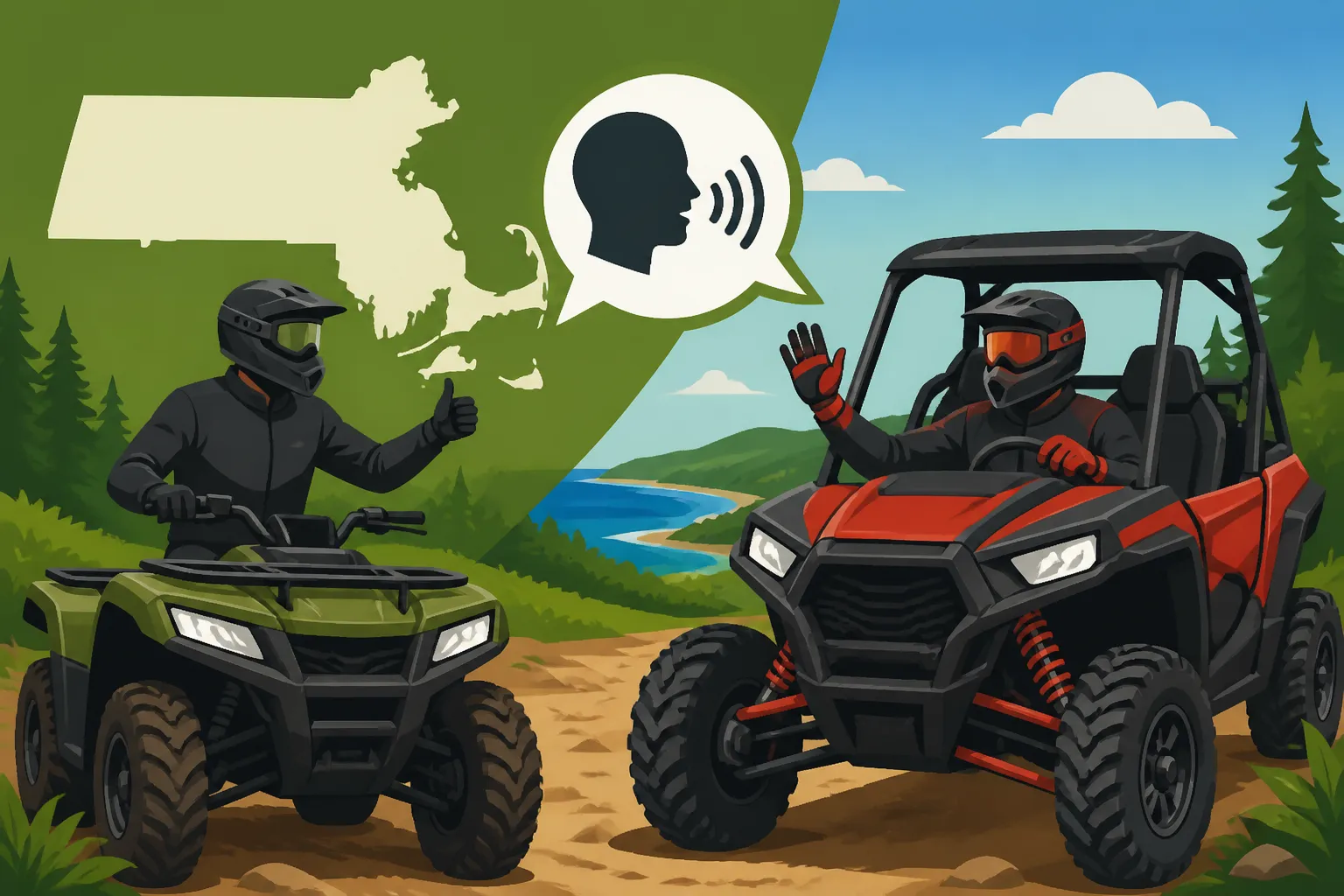
Hitting the trails in Massachusetts on your ATV or UTV is an incredible experience, but the roar of the engine, the wind in your face, and the sometimes rugged terrain can make it incredibly tough to communicate effectively with your riding buddies. This isn't just about yelling louder; it's about ensuring everyone stays safe, respects others, and genuinely enjoys the adventure. This guide will dive deep into the challenges of verbal communication on the trail and equip you with practical strategies to make sure your messages get through, loud and clear, every single time.
The Undeniable Importance of Clear Communication on Massachusetts Trails
When you're out exploring the scenic beauty of [October Mountain State Forest Riding in Massachusetts] or navigating the varied terrain of [Beartown State Forest Riding in Massachusetts], effective communication isn't just a nice-to-have – it's absolutely essential. It can be the difference between a smooth, enjoyable ride and a frustrating, or even dangerous, outing. Think about it: you're moving, often at speed, in an environment filled with natural obstacles and other trail users. A split-second decision or a critical piece of information can prevent an accident, keep your group together, and ensure everyone has a fantastic time.
Safety First: Avoiding Accidents and Misunderstandings
Let's be real, ATVs and UTVs are powerful machines, and the trails, while fun, can be unpredictable. One of the primary reasons for crystal-clear communication is safety. Imagine a rider in your group suddenly spotting a fallen tree across the trail just around a blind bend. If they can't quickly and effectively warn the riders behind them, what happens? Potentially, someone could hit that obstruction at speed, leading to serious injury or damage to their machine. Or perhaps a rider needs to stop unexpectedly due to a mechanical issue or to adjust their gear. If they can't signal this clearly, another rider might not realize until they're too close, leading to a rear-end collision.
Beyond immediate hazards, clear communication helps with navigation and decision-making, especially when you're exploring new areas. Misunderstandings about which way to turn, where to stop for a break, or even just whether everyone is still feeling good can lead to riders getting separated, lost, or pushing themselves past their comfort zone. A quick "Heads up, sharp turn ahead!" or "Stopping for a quick water break!" can prevent a whole cascade of potential problems and keep everyone on the same page, literally and figuratively.
Trail Etiquette: Sharing the Path Respectfully
Massachusetts trails aren't just for ATVs and UTVs. We often share these beautiful spaces with hikers, mountain bikers, and sometimes even horseback riders. Being a respectful trail user means being aware of others and communicating your presence and intentions. Imagine a serene moment for a family hiking, only for them to be startled by an ATV suddenly appearing without warning. Not only is this unsettling for them, but it also creates a negative impression of off-road enthusiasts. A simple verbal warning, like "ATV approaching!" or a friendly wave, can go a long way in fostering good relations and ensuring everyone feels safe and welcome.
When you're approaching other trail users, especially those moving at a slower pace or less accustomed to the sound of an engine, it's courteous to slow down significantly and give them plenty of space. A quick verbal "Good morning!" or "Just passing on your left!" can make a world of difference. It shows consideration and helps prevent any anxiety or resentment. Learning proper [Massachusetts Trail Etiquette Locals Expect] is about more than just staying on the designated path; it's about respectful interactions.
Enhanced Group Experience: Staying Connected and Coordinated
Riding with a group is one of the best parts of the ATV/UTV lifestyle. It's about camaraderie, shared adventure, and making memories. But a fragmented group experience, where riders are constantly wondering where everyone is or what the plan is, isn't much fun. Effective verbal communication keeps everyone connected, making the ride smoother and more enjoyable for all. Think about [Massachusetts Group Ride Planning] and how communication plays into that.
Imagine planning a stop at a scenic overlook. If the lead rider communicates this clearly and ensures everyone acknowledges, no one misses out, and the group stays cohesive. If someone in the middle of the pack needs to adjust something, they can communicate that they need to pull over, and the group can adjust accordingly. It fosters a sense of teamwork and ensures that everyone's needs are being met. From simple "How's everyone doing?" check-ins to calling out upcoming trail features ("Big mud puddle coming up!"), staying in constant verbal contact, even if brief, makes the group feel like a unit, not just a collection of individuals riding in the same direction.
Overcoming the Obstacles to Verbal Communication
Let's face it, trying to have a conversation while riding an ATV or UTV is usually like trying to chat in the middle of a rock concert. There are some serious hurdles that make simple verbal exchanges incredibly challenging. Understanding these obstacles is the first step toward developing strategies to overcome them.
The Roar of the Machine: Engine Noise Challenges
This is probably the biggest culprit when it comes to muffling your voice. Modern ATVs and UTVs, while designed to be quieter than older models, still produce a significant amount of engine and exhaust noise, especially when accelerating or climbing. This constant drone can easily drown out even a shouted command, particularly if you're not riding directly next to the person you're trying to talk to. Add in the vibrations of the machine and the general ambient noise of the trail—wind through trees, gravel crunching under tires—and it's a soundscape specifically designed to make normal conversation impossible.
The problem is compounded if your machine has aftermarket exhaust systems that enhance the sound, or if you're riding a utility vehicle with a larger engine. For many riders, the engine noise is part of the experience, the thrilling soundtrack to their adventure. However, when you absolutely need to convey something important, that very soundtrack becomes an impediment. This is why shouting louder often doesn't work; your voice simply gets lost in the cacophony.
Helmet Hurdles: Muffled Voices and Peripheral Vision
Every rider in Massachusetts needs to wear a helmet; it's the law, and it's smart safety. [Massachusetts Helmet Law for Every Rider] is there to protect us. But while essential for head protection, helmets, especially full-face models, can seriously impede verbal communication. They create a physical barrier between your mouth and the outside world, muffling your voice before it even leaves the helmet. The padding around your ears, while comfortable, also reduces your ability to hear others, making it a two-way communication problem.
Beyond the sound issue, helmets can also restrict peripheral vision, meaning you might not even see a hand signal from a buddy if it's not directly in your line of sight. This makes relying solely on visual cues challenging, especially in dynamic trail environments. The very gear designed to keep you safe also isolates you audibly and visually to some extent, forcing riders to be more intentional about how they convey information. For side-by-side riders, who might have a windshield and roof, the enclosed cabin can trap some sound, but it also creates its own set of acoustic challenges, sometimes creating an echo chamber that still makes clear speech difficult. [Massachusetts Rules for a Side-by-Side Driver] cover various aspects of operating these machines, and communication is key among them.
Distance and Terrain: When Voices Just Don't Reach
Trails aren't flat, open plains. They twist, turn, go up and down hills, and wind through dense woods. These variations in terrain and distance severely limit the range of effective verbal communication. If your group spreads out a bit, even a short distance can make it impossible for a shouted message to reach the person behind or in front of you. A small hill, a clump of trees, or even just a particularly noisy section of trail can completely block a voice.
When you're riding single file, which is common in many Massachusetts state forests, the lead rider might be hundreds of feet ahead of the last rider. Yelling is simply not an option over such distances. Furthermore, if you're navigating complex terrain, such as rocky climbs or tight turns, your focus is entirely on controlling your machine. You're less likely to turn your head, take your hands off the handlebars, or even pay attention to a faint shout from a distant rider. The dynamic nature of trail riding means that the opportunity for a clear, unobstructed verbal exchange is often fleeting.
Practical Strategies for Effective Verbal Communication
Okay, so we know it's tough to talk on the trails. But it's not impossible! With a little planning and some smart techniques, you can ensure your group stays connected and safe. It's about being proactive and using a combination of methods to get your message across.
The Power of the Pause: Stopping to Talk
This might sound overly simple, but sometimes the best way to have a verbal conversation on the trail is to stop riding. If there's something genuinely important that needs to be communicated, whether it's a change in the route, a safety briefing before a tricky section, or just a detailed check-in, pulling over to a safe spot and turning off engines is the most effective method. This eliminates the engine noise, allows everyone to take off their helmets if they wish, and ensures everyone can hear and understand without shouting or guessing.
This strategy is especially crucial before entering new, unknown, or potentially hazardous sections of a trail, such as a deep water crossing, a steep climb, or an area where you know other trail users might be present. A quick huddle lets everyone voice concerns, understand the plan, and get on the same page. It slows the pace down for a moment, but that brief pause can save a lot of time and trouble later. It’s also invaluable for [Massachusetts Group Ride Planning] to gather everyone for a quick huddle at key points.
Mastering Hand Signals: The Universal Language of the Trail
Since verbal cues are often difficult, hand signals become your best friend on the trail. These are a universally recognized set of visual commands that can convey critical information quickly and silently. Before every ride, especially with new group members, it's a great idea to do a quick review of common hand signals. This pre-ride briefing ensures everyone is familiar with the system and knows what each signal means.
Here are some essential hand signals that every rider should know:
| Signal Action | Meaning | Description |
|---|---|---|
| Stop | Immediate stop required. | Left arm extended straight out, palm open and facing backward. Hold still until the signal is acknowledged. |
| Slow Down | Reduce speed cautiously. | Left arm extended out and down, moving up and down in a patting motion. |
| Turn Left | Intention to turn left. | Left arm extended straight out to the left. |
| Turn Right | Intention to turn right. | Left arm bent at the elbow, pointing straight up (like a right turn signal in a car). Note: Some riders use the right arm for this, but consistent use of the left arm is safer as it keeps the right hand on the throttle. |
| Hazard Ahead / Caution | Warning of an obstacle, rut, hole, or other danger. | Left arm extended overhead, pointing with an open hand or waving it in a circle. Or point directly at the hazard with a finger. |
| Follow Me | Indicates the lead rider is taking point. | Left arm extended overhead, swinging forward and backward. |
| Go This Way / Turn Here | Directing riders to follow a specific path or turn. | Left arm extended, pointing clearly in the desired direction. |
| Rider Behind You | Alerting the group that there's a rider coming up from the rear. | Left arm extended back, palm open and facing backward, waving forward and backward. |
| Single File | Instructing riders to form a single line. | Left arm extended overhead, with one finger pointing upwards. |
| Double File | Instructing riders to ride side-by-side (if safe and permissible). | Left arm extended overhead, with two fingers pointing upwards. |
| Fuel / Low Fuel | Signal to indicate low fuel or suggest a fuel stop. | Point to the fuel tank with the thumb. |
| Pull Over / Stopping | Intention to pull off the trail and stop. | Left arm extended straight out, with fingers pointed down towards the ground. |
| Mechanical Problem / Trouble | Indicates a problem with the machine or rider. | Left arm raised, with the hand formed into a fist. This is a serious signal. |
| OK / All Clear | Everything is fine, or the path is clear. | Thumbs up. Often used by the last rider to confirm everyone made it through a section. |
Consistency is key. Make sure everyone knows these signals and uses them properly. When you signal, do it clearly and hold the position long enough for others to see and react. Remember that a lot of [Massachusetts Equipment Requirements] are about safety, and proper communication should be considered part of that safety system.
Leveraging Technology: Beyond Just Yelling
While old-school methods are great, technology has come a long way in assisting verbal communication on the trails. Modern communication systems, often Bluetooth-enabled, can be integrated directly into helmets. These systems allow riders in a group to talk to each other as if they were having a normal conversation, even at speed. Some systems offer rider-to-rider intercoms, while others allow for group communication, much like a conference call.
These devices typically consist of small speakers that fit into the helmet's ear pockets and a microphone that positions near your mouth. They connect wirelessly, providing clear, hands-free communication. While there's an initial investment, the safety and convenience they offer are invaluable, especially for larger groups or longer rides. They negate the effects of engine noise and wind, making real-time verbal communication entirely possible. Many aftermarket accessory companies, like SuperATV, offer various windshields, roofs, and other cab enclosures that, while not directly communication devices, can reduce ambient noise inside a UTV cabin, making it easier for occupants to talk to each other or use helmet-mounted systems more effectively. When you’re looking at your next set of [Tires for Berkshire Rock], consider what other accessories might enhance your overall riding experience, including communication.
Walkie-talkies are another, often more affordable, option, though they require pressing a button to talk. They work well for line-of-sight communication over a decent range. Some models are ruggedized and water-resistant, perfect for trail conditions. The key with any communication tech is to test it before you hit the trail to ensure everyone knows how to use it and that it's functioning correctly.
Pre-Ride Briefings: Setting Expectations Before You Start
Never underestimate the power of a good pre-ride briefing. Before you even fire up your engines, gather your group and go over the day's plan. This is the perfect time to discuss the route, anticipated challenges, planned stops, and most importantly, the communication protocols you'll be using. This is where you clarify hand signals, decide on a lead and sweep rider, and establish check-in points.
This briefing is also where you can talk about the pace of the ride, expectations for waiting at turns, and what to do if someone gets separated. Discussing things like "What happens if someone has a mechanical issue?" or "How do we handle encountering other trail users?" beforehand means that when those situations arise, everyone already knows the procedure. It eliminates confusion and ensures everyone starts the ride feeling confident and informed. It’s a crucial component of effective [Massachusetts Group Ride Planning].
Real-World Scenarios: Applying Communication Skills on Massachusetts Trails
Knowing the methods is one thing; putting them into practice in the dynamic environment of the trail is another. Let's look at some common scenarios where verbal communication, combined with other strategies, really shines.
Approaching Other Trail Users: Hikers, Bikers, and Horses
This is a scenario where courtesy and clear, timely communication are paramount. Encountering hikers, mountain bikers, or even horseback riders requires a distinct approach. Remember, they likely aren't expecting a motorized vehicle, and the sudden appearance of your ATV or UTV can be startling.
When you spot other trail users ahead:
- Slow Down Immediately: As soon as you see them, significantly reduce your speed. This lowers your machine's noise and shows respect.
- Signal Your Presence (if needed): A quick, short tap of the horn (if appropriate and not too jarring) can serve as an alert. More effectively, make eye contact and give a friendly wave.
- Verbal Courtesy: Once within earshot, a simple, clear "Good morning/afternoon!" or "How's it going?" often works best. For hikers or bikers, a polite "Just passing on your left/right!" lets them know your intentions. For horseback riders, it's even more crucial: ask them what they'd prefer. Sometimes they'll ask you to stop your engine until they've passed, other times they'll want you to maintain a slow, steady pace. Always respect their request, as horses can be easily spooked.
- Wait for Acknowledgement: Don't just blast past. Wait for them to acknowledge you and make space. Patience is a virtue here.
- Pass Slowly and Wide: Give them a wide berth as you pass, keeping dust to a minimum.
Communicating these actions within your own group is also important. The lead rider should signal "hazard ahead" (pointing to the users) and "slow down," then verbally confirm the plan with the group before proceeding. This unified approach projects respect and control. Many [Massachusetts Rules for Riding Private Land] also emphasize landowner and local resident courtesy, which extends to all trail users.
Navigating Road Crossings and Blind Corners
Road crossings are common on Massachusetts trails, often connecting one section of riding land to another. [Massachusetts Crossings Require a Full Stop] is a non-negotiable rule. These are high-risk areas where miscommunication can have severe consequences.
When approaching a road crossing:
- Lead Rider Slows and Signals: The lead rider should slow down, signal "stop," and pull off to the side of the trail before the road.
- Group Stops and Waits: All other riders should stop behind the lead, keeping their distance.
- Verbal Plan: The lead rider, and potentially the second rider, dismounts or stops very close to the edge of the road, looks both ways, and verbally confirms "Clear left, clear right" or "Traffic coming!"
- Cross One by One: Once clear, the lead rider signals "go" and crosses, waiting on the other side. The next rider then repeats the visual and verbal check before crossing, and so on. This methodical, communicative approach minimizes risk significantly.
Blind corners and crests of hills present similar challenges. You can't see what's coming, and neither can the riders behind you.
- Reduced Speed: Always approach blind corners and hill crests at a reduced, controlled speed.
- Verbal Warnings (if using comms): If you have helmet-to-helmet communicators, the lead rider can call out "Blind left turn," "Up and over a crest," or "Watch for oncoming traffic" as they navigate it.
- Hand Signals for Hazards: If the lead rider encounters an unexpected hazard immediately after the blind spot, they should signal "hazard ahead" as quickly as possible. This is where a company like SuperATV might offer sturdy grab handles for passengers, ensuring they can brace themselves if the driver needs to make an abrupt maneuver based on a verbal or hand signal.
Emergency Situations: When Every Word Counts
In an emergency – a crash, a medical issue, a major mechanical breakdown – clear, calm, and concise communication is absolutely vital. Panic or unclear messages can waste precious time.
- Immediate Stop Signal: The first person to spot an emergency should immediately signal "stop" (left arm out, palm back) and point towards the emergency.
- Rider Check: The group should stop, and the closest riders should make their way to the scene. The lead rider might verbally delegate tasks: "You call 911, you check the rider, I'll secure the machines."
- Concise Information: If someone needs to make a call for help (whether 911 or a contact person), they need to be able to verbally relay critical information clearly:
- Location: "We are approximately [X] miles into [Pittsfield State Forest Riding in Massachusetts] on Trail [Y], near [identifiable landmark]." If you have a GPS coordinate, that's even better.
- Nature of Emergency: "Rider has a suspected broken leg," or "Machine is stuck and leaking fuel."
- Number of People Involved: "One rider injured, three others uninjured."
- Conditions: "Weather is clear," "It's getting dark quickly."
- Confirm Understanding: Always ask for confirmation that your message was understood, especially if you're using helmet communicators or walkie-talkies where clarity can sometimes be an issue. "Did you copy that? Confirm you heard the location." This is where [Massachusetts First Aid on a Remote Berkshire Loop] really requires effective communication.
By being prepared, practicing signals, and knowing when to pause and talk, you can transform your Massachusetts ATV and UTV rides into safer, more enjoyable, and truly connected adventures for everyone in your group.
Disclaimer
This article is for general informational purposes only and does not constitute professional advice. Laws, prices and regulations vary by location and change over time. Consult a qualified professional for guidance on your specific situation.