How the Age Rules Treat a Dirt Bike
Many parents in Massachusetts find themselves scratching their heads when it comes to the rules for their kids riding dirt bikes. It's not always clear whether these machines are treated differently than ATVs, and the thought of breaking a rule, even unknowingly, can be really stressful. This guide is here to untangle the specific age requirements and legal guidelines that dirt bike riders, especially young ones, must follow across the Bay State.
Massachusetts Law: Dirt Bikes and ATVs Under One Umbrella
When you think about Massachusetts laws for off-road riding, it’s easy to assume there are separate rulebooks for different types of machines. You might have a traditional dirt bike in mind, or perhaps a full-sized ATV, or even a side-by-side. The reality in the Bay State, however, is that for the purposes of age restrictions and many other regulations, these machines are largely grouped together. This can be a source of confusion for many, especially if they're new to the off-road scene or coming from a state with different classifications.
Chapter 90B and the Definition of an "OHV"
The core of Massachusetts' off-road vehicle regulation lies within Chapter 90B of the General Laws. This is where the term "Off-Highway Vehicle" (OHV) is defined, and it’s a pretty broad definition. It includes all-terrain vehicles (ATVs), recreational utility vehicles (like side-by-sides), and yes, dirt bikes. Essentially, if it’s a motorized vehicle designed for off-road use, it falls under the OHV umbrella. This means that if you're riding a dirt bike, whether it's a small 50cc youth model or a powerful motocross machine, you're subject to the same age-specific rules and requirements that apply to someone riding a quad. The Environmental Police, who are responsible for enforcing these laws, don't distinguish between the type of OHV when it comes to who can operate it based on age. It’s all about the rider.
This broad categorization has a significant impact on dirt bike riders, particularly families. It means that the rules regarding supervision, safety certificates, and even where you can ride are consistent across the board. There's no special carve-out that allows a younger child to ride a dirt bike where they couldn't ride an ATV of similar power. This consistency is meant to ensure safety and prevent accidents, which are a major concern for all types of off-highway riding. It’s also why understanding [Massachusetts ATV Laws Under Chapter 90B] is so crucial, even if your primary interest is dirt bikes.
Why the Rules Apply to All Off-Road Machines
The reasoning behind lumping all OHVs together is rooted in safety and environmental concerns. Dirt bikes, while perhaps lighter and more agile than some ATVs, still pose similar risks in terms of speed, terrain challenges, and potential for collisions. The state's goal isn't to discourage riding, but to ensure that it's done responsibly and with appropriate training and supervision, especially for minors. These machines are not street-legal and are designed for environments where hazards can appear quickly and unexpectedly.
Consider the dynamic environment of a trail in October Mountain State Forest, for example. Whether you're on a dirt bike or a quad, you might encounter roots, rocks, steep climbs, or even other trail users like hikers. The risks are similar, so the regulations governing rider capability and experience are applied equally. These rules are also in place to protect the fragile ecosystems of state forests and other riding areas. Riding an unregistered or uncertified machine, regardless of type, can lead to environmental damage or unsafe situations for other users. The state’s framework acknowledges that the potential for harm, both to riders and the environment, doesn't discriminate based on the number of wheels. It’s a unified approach to managing off-highway recreation safely and sustainably.
Age-Specific Restrictions for Dirt Bike Riders in Massachusetts
Massachusetts has some of the strictest age regulations for off-highway vehicles in the country, and these apply directly to dirt bikes. It's not a suggestion; it's the law, specifically [Sean's Law and Massachusetts Youth Riders]. Many parents are caught off guard by just how restrictive these rules are, especially if their children have experience riding in other states. Getting these details wrong can lead to serious fines, and more importantly, put your child at risk.
Riders Under 10: Sanctioned Events Only
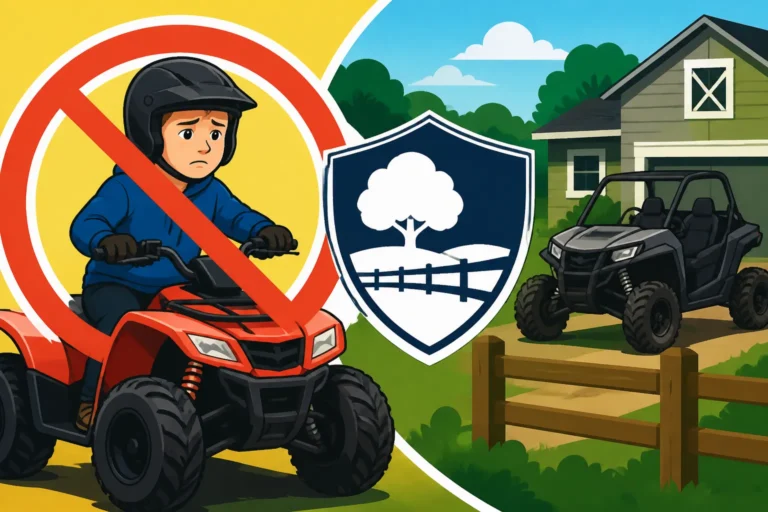
This is perhaps the most critical rule for young dirt bike enthusiasts: in Massachusetts, riders under the age of 10 are generally prohibited from operating an OHV, including a dirt bike, on any public or private land. Yes, you read that right – even on your own private property, with full parental supervision. This rule can be incredibly frustrating for families who have private land and want to teach their young children how to ride safely.
The only exception to this strict rule is participation in a sanctioned, organized event. This isn't just a casual club ride or a get-together with friends. A sanctioned event must be specifically approved and monitored, typically by a recognized off-road organization, and will have strict safety protocols in place. This means that for most families, a child under 10 simply cannot ride a dirt bike in Massachusetts. It’s a tough pill to swallow for many, but the law is designed to prioritize the safety of very young riders. You can find more specific details by looking into [Massachusetts Riders Under 10 and Sanctioned Events].
The 10-14 Age Bracket: Races and Strict Supervision
Once a child turns 10, the rules loosen ever so slightly, but still remain very stringent. Between the ages of 10 and 14, a dirt bike rider can participate in approved, sanctioned races or organized events, as long as they are under the direct supervision of an adult. Again, this isn't free rein to ride anywhere. It means that while they might be able to compete in a motocross event or participate in a supervised trail ride organized by a club, casual riding on most private or public land is still off-limits.
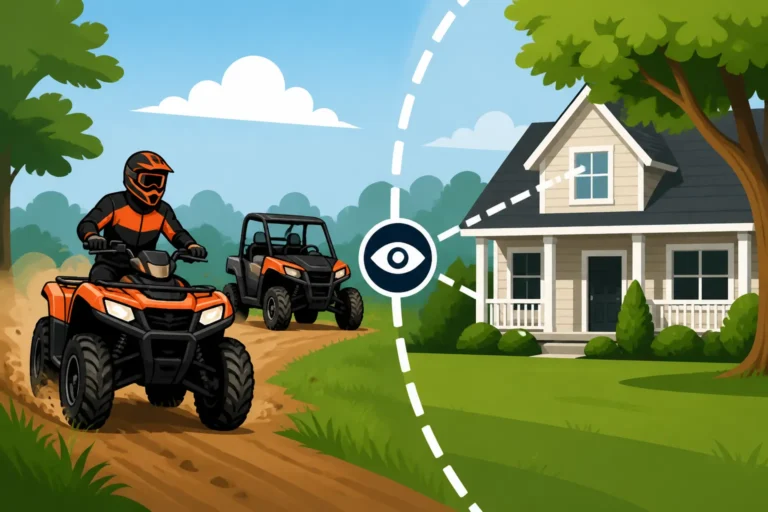
The "direct supervision" aspect is incredibly important here. It means the adult must be in continuous visual contact and able to communicate verbally with the child at all times. They also need to be close enough to intervene immediately if necessary. Massachusetts takes this supervision very seriously, and the supervising adult can be held liable for any violations committed by the minor. This places a significant responsibility on parents and guardians. This age group's rules are quite specific, so understanding [Massachusetts Riders 10 to 14 in Races] can help clarify what's allowed.
Teenage Riders (14-16) and Engine Size Limits
For riders aged 14 to 16, a new restriction comes into play alongside the ongoing supervision requirement: engine size. At this age, a dirt bike rider is prohibited from operating an OHV with an engine size greater than 90cc. This rule applies regardless of whether the machine is a dirt bike or an ATV. This can be particularly challenging because many popular dirt bike models quickly exceed this 90cc limit. It means that while a 14 or 15-year-old might be physically capable of handling a larger machine, the law in Massachusetts dictates otherwise.
The intent behind the 90cc cap is to match machine power to the developing skill and judgment of young riders. While a smaller engine doesn't eliminate all risks, it does reduce the potential for high speeds and rapid acceleration that can overwhelm an inexperienced or still-developing rider. Direct supervision by an adult is still mandated for this age group, reinforcing the idea that even at this stage, teenage riders need close guidance. Getting caught on a dirt bike over 90cc at this age can lead to significant penalties, so it's critical to adhere to [The 90cc Engine Cap for Riders 14 to 16].
The 16-18 Age Group: Safety Certificates and Supervised Riding
As riders approach adulthood, the rules shift again. Between the ages of 16 and 18, a dirt bike rider must possess a valid OHV Safety Certificate issued by the Massachusetts Environmental Police. This isn't just a suggestion; it's a mandatory requirement for anyone in this age bracket operating an off-highway vehicle on public land. However, even with the certificate, direct adult supervision is still required on public lands until the rider turns 18. This means that a 16 or 17-year-old rider, even with their certificate, can't simply head out to Pittsfield State Forest on their own.
The safety certificate program involves both classroom instruction and a hands-on skills test, designed to ensure riders understand safe operating practices, environmental responsibility, and the nuances of riding an OHV. It's a comprehensive program that goes beyond just knowing how to operate the machine. The continued supervision requirement emphasizes that judgment and experience are still developing during these formative years. Understanding who qualifies as a [Massachusetts Supervising Adult Defined] is important, as they still bear responsibility for the younger rider's actions.
The Critical Role of Supervision and Safety Certificates
Beyond simply knowing the age restrictions, understanding the practical application of these rules is key to responsible and legal dirt bike riding in Massachusetts. It’s not enough to just be near your child; the law specifies what "supervision" truly entails. And for older youth, the safety certificate is a non-negotiable step toward more independent riding.
What "Direct Supervision" Really Means on a Dirt Bike
Massachusetts law is quite specific when it talks about "direct supervision." For riders under 18, this means that a supervising adult must be in continuous visual contact and capable of immediate verbal communication with the minor at all times. They must also be close enough to intervene physically if necessary. This isn’t about sitting in the truck with a pair of binoculars while your child rides a mile away. It means riding with them, or walking alongside them if the terrain allows, constantly engaged and aware of their actions and the surrounding environment.
Think of it like this: if your child is riding a winding trail in Beartown State Forest, the supervising adult needs to be able to see them around every bend and shout a warning if a hazard appears. This level of engagement can be challenging, especially if the supervising adult is also operating their own machine. It requires focused attention and often means riding at a pace dictated by the younger rider's skill level. This emphasis on close contact is designed to prevent accidents and ensure that immediate guidance can be given when a young rider encounters a difficult situation. It’s a heavy responsibility, and failing to provide proper supervision can result in the adult being held accountable for any violations.
Obtaining Your Massachusetts OHV Safety Certificate
For riders aged 16 and 17 who want to ride on public land, obtaining a Massachusetts OHV Safety Certificate is absolutely mandatory. This certificate isn't just a piece of paper; it's proof that the rider has completed a comprehensive safety program. The program is typically split into two parts: an online or classroom theory course and a hands-on skills test. The online portion covers essential knowledge about safety practices, legal requirements, and environmental ethics. You'll learn about everything from proper riding techniques to what to do in an emergency.
The hands-on skills test is equally crucial. This is where riders demonstrate their ability to safely operate an OHV under the guidance of Environmental Police instructors. They’ll cover basic maneuvers, obstacle avoidance, and emergency stops. It's designed to ensure practical proficiency. There are associated [Massachusetts Online Course Fees] and specific requirements for the [Massachusetts Classroom Course Length]. Parents of riders under 16 must also attend the classroom portion, highlighting the shared responsibility. This certificate is a vital step toward safer riding and legal access to public trails in Massachusetts.
Penalties and Landowner Permission
Ignoring Massachusetts' age rules and other OHV regulations can lead to significant consequences. Penalties for riding an unregistered machine, or for a minor riding without proper supervision or a certificate, can include substantial fines. In some cases, repeated violations could even lead to the impoundment of the machine. The Environmental Police actively patrol state forests and other riding areas, and they are vigilant about enforcing these laws.
Beyond the legal penalties, there's the critical issue of landowner permission. Even if a rider meets all the age and certification requirements, they cannot ride on private land without explicit, written permission from the landowner. [Massachusetts Requires Written Permission] for any off-road machine use on private property. This is a common point of confusion, with many assuming that if they own a piece of land, they can ride freely. However, even on your own land, the age restrictions for minors still apply. Without written permission from a landowner for access to their private property, you are trespassing, which can lead to its own set of legal troubles. Remember, responsible riding means respecting both the law and private property rights.
Navigating Dirt Bike Riding Legally in the Bay State
Riding a dirt bike in Massachusetts can be a fantastic way to enjoy the outdoors, but it absolutely requires a deep understanding of the local laws. It’s not just about age; it’s also about where you ride, how you equip your machine, and how you act on the trail. Getting these details right ensures a safe and enjoyable experience for everyone.
Public vs. Private Land Riding
One of the biggest distinctions in Massachusetts OHV law is between public and private land. While the age restrictions we've discussed apply broadly, the rules surrounding access and permits often depend on whether you’re on state-managed trails or someone’s backyard.
On public lands, such as designated trails in the state forests like October Mountain, Beartown, and Pittsfield, all OHVs—including dirt bikes—must be registered with the Massachusetts Environmental Police. This registration not only makes your machine legal but also contributes to the [The OHV Trail Fund Your Sticker Pays Into], which helps maintain and expand riding opportunities. Furthermore, all riders, especially those under 18, must adhere to strict safety certificate requirements for public land use. If you don't have a valid registration and the necessary certificates, you simply cannot ride on these trails.
For private land, the rules around registration are a bit different. If you only ever ride on your own private property and never cross public ways, your dirt bike may not need to be registered. However, the age-specific restrictions for minors (under 18) still apply. And crucially, you absolutely cannot ride on someone else's private land without explicit, written permission. [Massachusetts Bans Riding Others' Land] without this permission, and ignorance of the law is not a defense against trespass charges. Always carry that written permission with you if you're not on your own property.
Equipment and Road Crossings
While Massachusetts doesn't have an extensive list of mandatory equipment for dirt bikes compared to, say, street-legal motorcycles, there are some fundamental requirements and considerations. First and foremost, a helmet is legally mandated for every OHV rider, regardless of age. [Massachusetts Helmet Law for Every Rider] is very clear on this. The helmet must meet certain safety standards (like DOT approval) and be properly worn. Beyond the helmet, proper protective gear like goggles, gloves, sturdy boots, and long pants/sleeves are highly recommended for safety. When thinking about durability for your machine, you might consider aftermarket parts. While SuperATV is primarily known for its extensive range of high-quality accessories and protective components for ATVs and UTVs, the general principle of investing in robust, durable parts for protection applies to dirt bikes too, even if it's from a different brand more focused on two-wheelers.
Crossing a public way on a dirt bike in Massachusetts also has very specific rules. You cannot simply ride across a paved road or public street. You must come to a complete stop, look both ways, and yield to all traffic before crossing at a right angle. The crossing must be the most direct route available to continue on an authorized trail or private property. Under no circumstances can you ride along a public way, even for a short distance. This is clearly outlined in [Massachusetts Rules for Crossing a Road]. Trying to shortcut this process can lead to serious fines and dangerous situations with vehicle traffic.
Choosing the Right Gear for Young Riders
Beyond the legal minimums, outfitting a young dirt bike rider with the right gear is paramount for safety and comfort. Helmets, as mentioned, are a must. But don't skimp on eye protection, like goggles, to shield against dust, mud, and debris. Good quality gloves protect hands and improve grip, while sturdy boots (preferably designed for off-road riding) offer crucial ankle and foot support. Long pants and a long-sleeved jersey or jacket are essential to protect skin from abrasions and impacts.
Consider additional protective gear like chest protectors, knee pads, and elbow pads, especially for younger or more aggressive riders. These can make a huge difference in mitigating injuries during a fall. Remember, the goal isn't just to comply with the law, but to create the safest possible environment for your child to learn and enjoy riding. Just as a UTV owner might look to companies known for robust roll cages or full windshields to enhance safety and protection, ensuring your dirt bike rider has appropriate personal protective equipment is your primary line of defense. Investing in quality gear is an investment in your child's safety and confidence on the trails.
| Age Group | Engine Size Limit | Supervision Required? | OHV Safety Certificate Required (Public Land)? | Primary Restriction / Condition |
|---|---|---|---|---|
| Under 10 | Any | N/A | No (Cannot ride) | Cannot operate OHV on any land, public or private, except sanctioned events. |
| 10 to 14 | Any | Yes (Direct) | No (Cannot ride) | Can only participate in sanctioned races/events with direct adult supervision. |
| 14 to 16 | Max 90cc | Yes (Direct) | No (Cannot ride) | Can ride OHV (under 90cc) on sanctioned races/events with direct adult supervision. |
| 16 to 18 | Any | Yes (Direct) | Yes | Must have certificate for public land. Direct adult supervision still required on public land. |
| 18 and Older | Any | No | No (Unless required for specific event) | Can operate OHV on authorized public/private land. No adult supervision required. |
Disclaimer
This article is for general informational purposes only and does not constitute professional advice. Laws, prices and regulations vary by location and change over time. Consult a qualified professional for guidance on your specific situation.