Massachusetts Rules for a Side-by-Side Driver
It’s incredibly frustrating trying to figure out the rules for driving a side-by-side in Massachusetts, especially when you hear different things from different people or states. Are they like ATVs? Can you take them on that old dirt road? What about crossing the street to get to a new trail? The confusion is real, and it can quickly turn a fun day out into a stressful one filled with worries about breaking the law. This guide is here to untangle all that, giving you a clear, realistic understanding of what a side-by-side driver needs to know to legally and safely enjoy their machine in the Bay State.
General Registration and Operation Requirements for Side-by-Sides in Massachusetts
Navigating the legal landscape for off-highway vehicles (OHVs) in Massachusetts can feel like trying to find your way through a dense forest without a map. Side-by-sides, also known as UTVs or Utility Task Vehicles, fall squarely under the OHV umbrella in Massachusetts, meaning they are subject to many of the same regulations as ATVs. The key takeaway here is that these aren't just toys; they are registered motor vehicles with specific requirements that need to be met before you even think about hitting a trail. Ignoring these fundamental steps can lead to hefty fines and a quick end to your riding season.
Registering Your Side-by-Side: The First Step
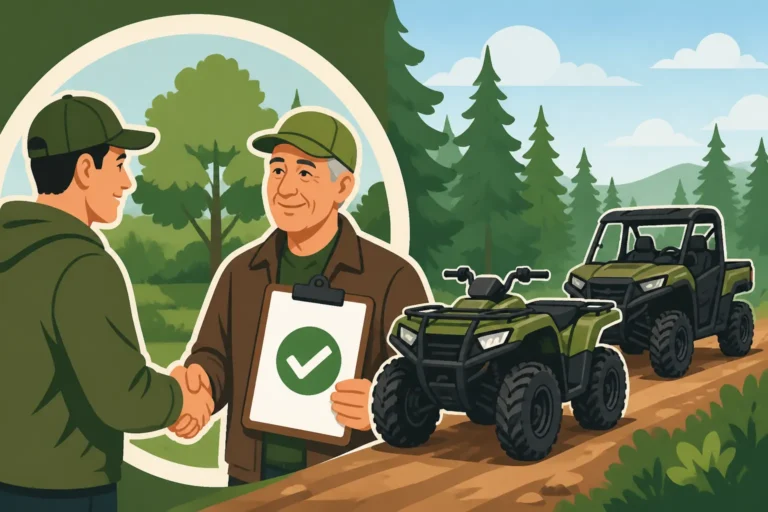
Before your side-by-side ever sees dirt, it needs to be properly registered with the Massachusetts Environmental Police. Unlike your car, which you register with the Registry of Motor Vehicles (RMV), all off-highway vehicles, including side-by-sides, are handled by the Environmental Police, often referred to as the DCR (Department of Conservation and Recreation) OHV Program. This process ensures your machine is recognized by the state and contributes to the [Massachusetts Registration Fees Fund Trails] that maintain the limited riding areas we do have.
For Massachusetts residents, this registration is typically valid for two years, giving you some peace of mind for a good stretch of time. If you’re a non-resident visiting our beautiful state, you’ll need to secure a one-year registration to legally operate your machine here. You can find more specific details on how to get your [Massachusetts Two-Year OHV Registration] or a [Massachusetts Non-Resident OHV Registration]. Whether you bought your side-by-side new from a dealer or used from a private seller, the paperwork requirements will differ slightly. A new machine will require a Manufacturer's Certificate of Origin (MCO) to prove its new status, while a used machine will need a Bill of Sale. [Massachusetts Requires an MCO for a New Machine] and [Massachusetts Requires a Bill of Sale for a Used One] are crucial documents, so make sure you have them in order. Don't forget, you'll also need to account for sales tax on your purchase, which is often handled during the registration process. [Massachusetts Sales Tax on an ATV Purchase] applies to side-by-sides just like any other vehicle.
Essential Equipment and Documentation for Your Machine
Once your side-by-side is registered, there are still crucial operational requirements to consider. The state has specific rules about the physical condition and equipment of your machine to ensure safety and compliance. For instance, your side-by-side must have functional brakes, a working muffler to keep noise levels in check, and a spark arrester to prevent trail fires. If you plan on riding after sunset, proper lighting, including a headlight and taillight, is absolutely mandatory. For a full rundown, check out the [Massachusetts Equipment Requirements].
Beyond the physical machine, documentation is key. You absolutely must carry your registration card with you whenever you're operating your side-by-side. It's not enough to have it at home in a file cabinet; an Environmental Police officer could ask to see it at any time, especially at trailheads or during random checks. [Massachusetts Registration Cards Carried on Board] is a non-negotiable rule. Additionally, your registration decals, which indicate your registration number and expiration, need to be prominently displayed on both sides of your side-by-side, on the forward half of the machine. [Massachusetts Decal Placement Rules] exist for a reason – they help law enforcement quickly identify registered vehicles. Many riders like to customize their machines with accessories from brands like SuperATV, but always ensure that any modifications, from lift kits to light bars, don't interfere with required decal placement or violate other state equipment mandates, especially concerning noise levels or vehicle dimensions for trail width.
Age, Supervision, and Safety Equipment for Side-by-Side Drivers and Passengers
Massachusetts has some of the strictest OHV laws in the country, particularly when it comes to youth riders and safety. These rules apply equally to side-by-sides as they do to ATVs, and they’re designed to protect everyone on the trails. It's not just about the driver; passengers also fall under these important safety provisions, making it essential for anyone planning a group ride to be fully informed. Ignoring these age and safety requirements can lead to serious consequences, not only legally but also in terms of rider well-being.
Who Can Drive a Side-by-Side in Massachusetts?
The question of who can legally drive a side-by-side in Massachusetts is often a source of confusion. The state's OHV laws, heavily influenced by "Sean's Law," establish clear age restrictions and require safety certification for younger riders. In most scenarios, you need to be at least 14 years old to operate a side-by-side, and even then, riders between 14 and 16 years old are subject to significant restrictions. They must hold a valid OHV safety certificate and be under the direct supervision of an adult who is at least 18 years old. This adult supervisor must maintain continuous visual contact and be able to provide verbal instructions.
Once a rider turns 16, they still need that safety certificate, but the direct supervision requirement is relaxed slightly, allowing them more independence. For anyone 18 years or older, while a safety certificate isn't strictly mandated for all riding scenarios (especially on private land), it's highly recommended for anyone operating an OHV. It provides invaluable knowledge about safe operation and trail etiquette. You can learn more about the specifics of [Massachusetts Safety Certificates Under 18] and what constitutes a [Massachusetts Supervising Adult Defined] to ensure you're compliant. It’s important to remember that these rules are in place for safety, reflecting the significant power and weight of side-by-sides.
Helmet Laws and Passenger Rules
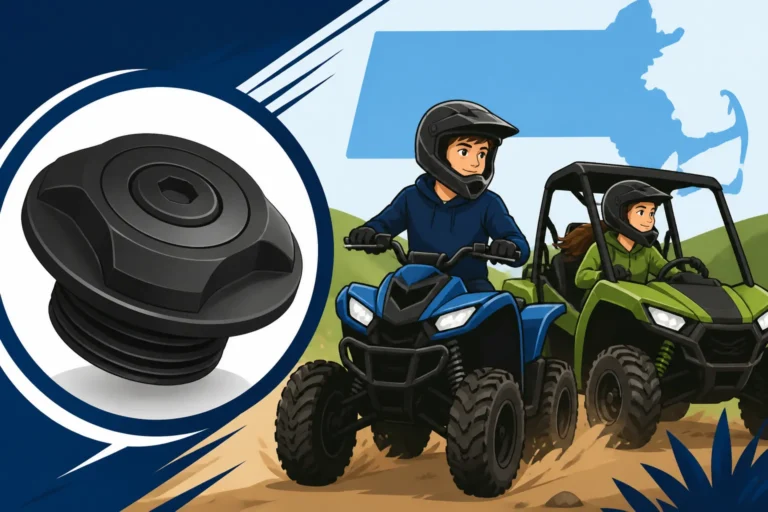
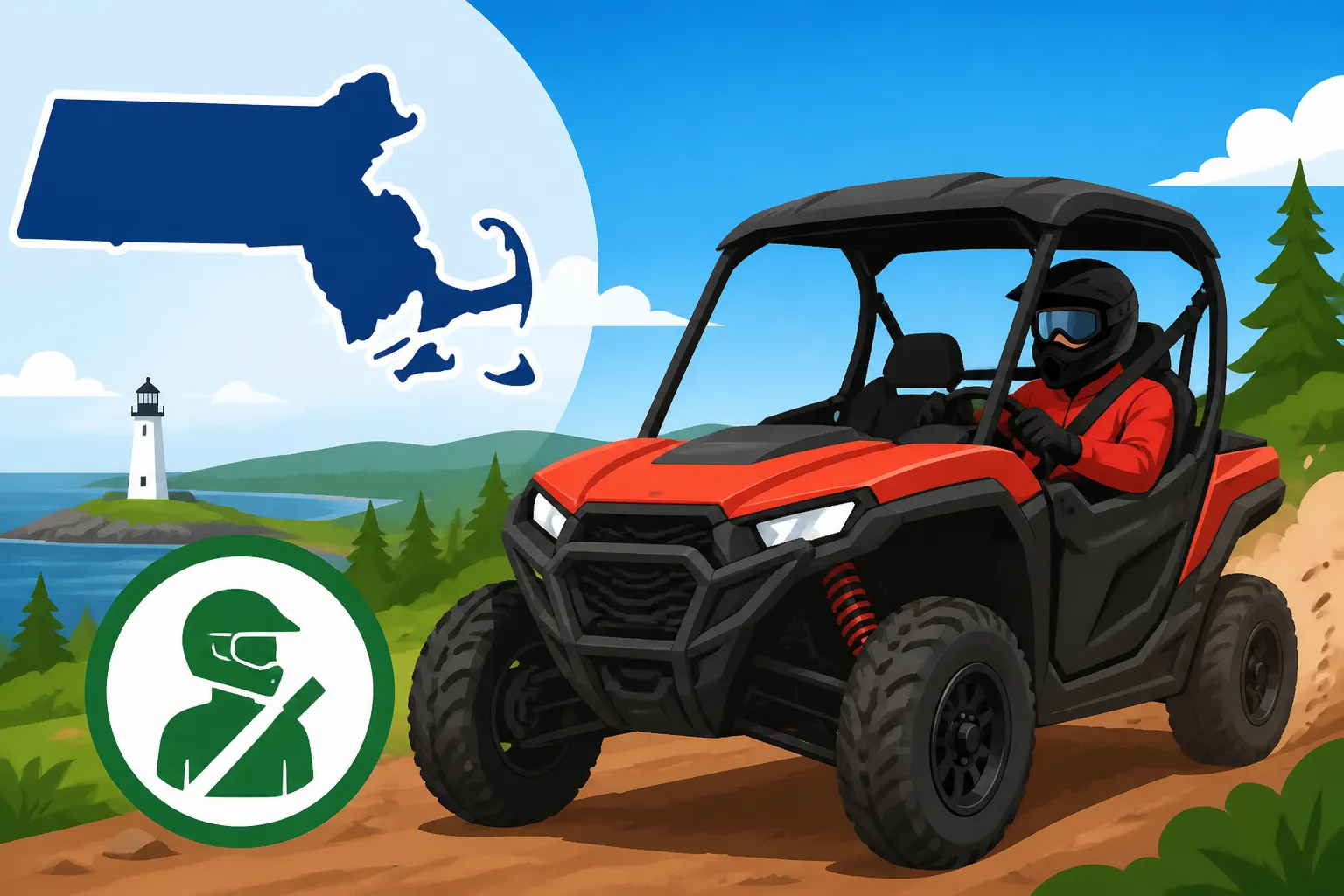
Massachusetts has a universal helmet law for all OHV riders, which includes both drivers and passengers on a side-by-side, regardless of age. This means that even though most side-by-sides come equipped with seatbelts and a sturdy Roll-Over Protection Structure (ROPS), a helmet is still legally required. This isn't just a suggestion; it's the law, and Environmental Police officers will enforce it. For detailed information, review the [Massachusetts ATV Helmet Law], as it applies directly to side-by-sides too.
When it comes to passengers, side-by-sides are generally designed to carry more than one person, which is one of their major appeals. However, you must adhere to the manufacturer's stated seating capacity for your specific machine. Overloading your side-by-side is not only dangerous but also illegal. Additionally, there are specific guidelines for child passengers. Younger children must be able to reach the footrests and properly use the seatbelts provided. It’s always best to err on the side of caution and ensure that any passenger, especially a child, is securely seated, properly restrained, and wearing an approved helmet. Investing in good quality helmets and ensuring your machine's safety features are in top condition, possibly with robust aftermarket upgrades from companies like SuperATV, provides an extra layer of protection for everyone on board.
Where You Can and Cannot Ride Your Side-by-Side in Massachusetts
This is often the most confusing and frustrating aspect of side-by-side ownership in Massachusetts. Many owners dream of exploring vast open spaces or traversing old logging roads, but the reality in the Bay State is far more restrictive. Understanding where you can legally ride, and perhaps more importantly, where you absolutely cannot, is crucial to avoiding citations and preserving the limited access we currently have. It’s a delicate balance, and knowing the specifics can make all the difference.
Public Lands, Private Lands, and the 150-Foot Rule
Massachusetts offers very limited public lands for OHV use, including side-by-sides. Currently, your primary options for state-managed trails are found in the western part of the state, specifically at Beartown State Forest, October Mountain State Forest, and Pittsfield State Forest. These designated areas offer specific trails for registered OHVs, and it's essential to stay on marked trails. Exploring [Massachusetts ATV Trails: Three Berkshire Forests] will give you an idea of what's available. Remember, many other state forests and conservation areas explicitly prohibit OHVs, so always check the regulations for a specific location before you load up your machine.
Riding on private land offers more flexibility, but it comes with a critical caveat: you must have express, written permission from the landowner. A verbal "yeah, sure" from a friend or neighbor won't cut it if an Environmental Police officer asks to see it. [Massachusetts Requires Written Permission] isn't just a good idea; it's the law. This permission should ideally be dated, specify the duration, and clearly state what type of activity is allowed. Another significant restriction is the "150-foot dwelling rule." This law prohibits operating a side-by-side within 150 feet of a dwelling, whether it's occupied or not, without the written permission of the owner of that dwelling. [Massachusetts's 150-Foot Dwelling Rule] is designed to prevent noise disturbances and protect residents' peace and quiet.
Crossing Public Ways and the Strict "No Roads" Rule
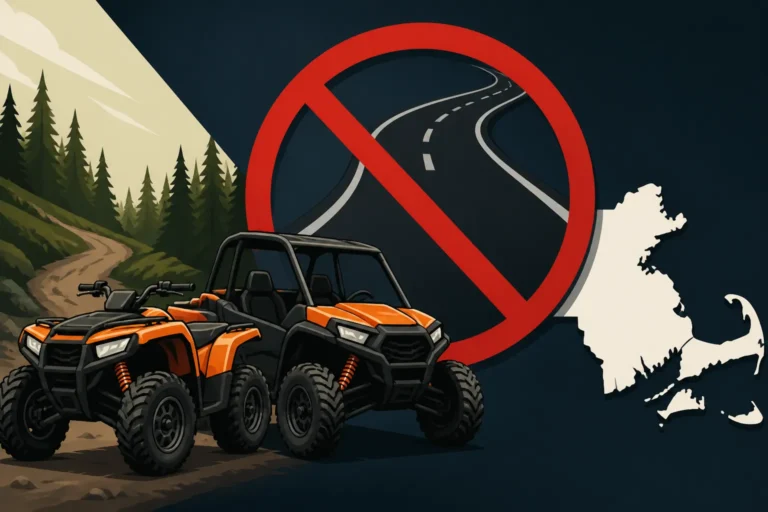
This is perhaps the single biggest point of confusion and violation for side-by-side drivers in Massachusetts: the general ban on operating OHVs on public roads, streets, and highways. Let me be unequivocally clear: [Massachusetts Bans Riding on Public Ways]. This means no cruising down a scenic back road, no running to the corner store, and absolutely no driving on paved highways. Your side-by-side is strictly an off-highway vehicle, and there is no legal path to make it "street legal" in Massachusetts, even with aftermarket conversion kits. While companies like SuperATV offer components that might be part of a street-legal conversion in other states, these modifications do not confer street-legal status in Massachusetts.
However, the law does provide for specific, limited circumstances where you can cross a public way. This is not "riding on" the road; it's a direct, perpendicular crossing from one authorized riding area to another. To do so, you must first come to a complete stop, yield to all vehicular and pedestrian traffic, and then proceed directly across the roadway without traveling along it. Additionally, if the side-by-side operator is under 16 and a half years old, they must be supervised by an adult at least 18 years of age. Understanding [Massachusetts Crossings Require a Full Stop] is paramount. Any deviation from these strict rules can quickly lead to a citation for illegal road use, which carries significant penalties. This strict rule exists to ensure public safety and prevent conflicts between OHVs and conventional traffic.
Penalties and What Happens If You Break the Rules
Breaking the rules, whether intentionally or out of ignorance, can lead to a host of unpleasant consequences for side-by-side drivers in Massachusetts. The state's enforcement agencies, primarily the Environmental Police, take OHV violations seriously, and the penalties can range from fines to impoundment of your machine. It's not just about a minor slap on the wrist; these infractions can be costly and can even impact your ability to ride in the future.
Common Violations and Their Consequences
Operating your side-by-side without a current and valid registration is one of the most common and easily avoidable violations. [Massachusetts Penalties for Riding Unregistered] can include significant fines, and repeated offenses can lead to your machine being impounded. Similarly, if you are a younger rider who is required to have a safety certificate and you're caught without it on public land, you could face penalties. [Massachusetts Penalties for No Certificate] highlights the importance of completing the required training and carrying your documentation.
Beyond registration and certification, riding on unauthorized land—whether it's someone's private property without written permission, a conservation area that bans OHVs, or, most commonly, a public road—will result in fines and potential charges of trespassing or illegal operation. Driving a side-by-side under the influence of alcohol or drugs is treated with the same severity as operating a motor vehicle on a public road while impaired. [Massachusetts DUI Law and Off-Road Machines] ensures that intoxicated operation is met with stiff penalties, including license suspension and potential jail time. You can face significant [Massachusetts Ticket Costs for Riders], and these fines are meant to be a deterrent, emphasizing the state's commitment to safety and responsible OHV use.
Parental Liability and Enforcement
A unique aspect of Massachusetts OHV law, particularly Sean's Law, is the clear emphasis on parental responsibility for young riders. If a minor (under 18) operates a side-by-side in violation of the law, their parent or legal guardian can be held legally liable for the infraction. This means that if your 15-year-old child is caught riding without a helmet, on a public road, or without the necessary supervision, you, as the parent, could receive the fine or face other legal repercussions. [Massachusetts Parent Liability for a Young Rider] is a serious aspect of the law, designed to encourage vigilant supervision and ensure compliance with safety rules.
The primary enforcement agency for OHV laws in Massachusetts is the Environmental Police. These officers are trained in OHV operation and regulations and are frequently found patrolling state forests, trailheads, and areas known for illegal riding. They have the authority to stop, question, and cite OHV operators, and they can impound machines for serious or repeated violations. Understanding [What an Environmental Police Officer Can Ask] can help you respond appropriately during a stop. The intent of [Sean's Law and Massachusetts Youth Riders] is to prevent accidents and fatalities, which tragically occurred before its enactment. While these laws may seem strict, they stem from a place of public safety and a desire to manage recreational access responsibly.
Key Rules for Side-by-Side Drivers in Massachusetts
To help you keep track of the most important regulations, here's a quick summary of what every side-by-side driver in Massachusetts needs to know:
| Rule Category | Massachusetts Requirement for Side-by-Sides |
|---|---|
| Registration | Required, with the Environmental Police (DCR). Two-year term for residents, one-year for non-residents. |
| Driver Age | 14+ with safety certificate and direct adult supervision (under 16). 16+ with certificate, 18+ unrestricted. |
| Helmet | Required for ALL riders (driver and passengers), regardless of age or ROPS. |
| Trail Access | Limited to designated state forest trails (e.g., October Mountain, Beartown, Pittsfield) and private land with written permission. |
| Road Use | Generally BANNED on all public roads, streets, and highways. Road crossings allowed under strict conditions. |
| Safety Certificate | Required for riders under 18 on public land; highly recommended for all. |
| Equipment | Brakes, muffler, spark arrester, lights (if riding after dark), registration decals, and card carried on board. |
It's clear that driving a side-by-side in Massachusetts requires a thorough understanding of the regulations. While the rules can feel restrictive, they are designed to promote safety and preserve the limited riding opportunities available in the state. By adhering to registration requirements, ensuring proper safety equipment for all riders, respecting age and supervision mandates, and strictly observing where you can and cannot ride, you can enjoy your side-by-side responsibly and avoid legal trouble. Always double-check current regulations before you head out, and ride safely.
Disclaimer
This article is for general informational purposes only and does not constitute professional advice. Laws, prices and regulations vary by location and change over time. Consult a qualified professional for guidance on your specific situation.