Massachusetts Parent Liability for a Young Rider
Navigating the world of ATVs and UTVs in Massachusetts can feel like walking through a legal minefield, especially when you have a young rider eager to hit the trails. Many parents grapple with the fear of unknowingly breaking a law or, worse, being held responsible if their child gets into an accident. This guide is here to untangle the complexities of parent liability in Massachusetts, ensuring you understand the rules, the risks, and the proactive steps you can take to protect your family and enjoy the ride responsibly.
Understanding Massachusetts' Strict Youth ATV Laws
Let's be honest, Massachusetts has some of the strictest ATV laws for young riders in the country, and it can feel incredibly overwhelming for parents just trying to figure out what's allowed and what's not. It’s not simply a matter of getting on a quad and going; there are specific age, engine size, and supervision requirements that carry significant legal weight. Many states have a more relaxed approach, but here in the Bay State, the focus is heavily on safety and preventing tragic accidents involving youth. This isn't about stifling fun, but rather about ensuring every rider, especially the youngest, is as safe as possible on an off-road machine.
The Core of Sean's Law
At the heart of Massachusetts' youth ATV regulations is a piece of legislation known as Sean's Law, enacted in 2010. This law was a direct response to a tragic accident and fundamentally changed how young people can operate off-highway vehicles in the Commonwealth. Before Sean's Law, the rules were far less stringent, leading to devastating consequences. The intent behind the law is clear: to drastically reduce injuries and fatalities among underage riders. This means that, for the most part, riders under the age of 14 are outright banned from operating ATVs, even on private land. This is a crucial point that often catches parents by surprise, as they might assume private property means private rules. That's simply not the case here.
However, there are very specific, narrow exceptions. For instance, a 12-year-old who just got a new quad for their birthday might be absolutely thrilled to ride it, but under Sean's Law, they can only do so legally within a sanctioned, organized event like a race or practice day, which has specific approvals and strict supervision. Even then, there are engine size limitations that come into play. It's a tough pill for many families to swallow, especially if they've moved here from a state with more lenient laws. It requires a complete re-evaluation of when and where your child can ride. If you're looking for more background, you can delve deeper into [The Death That Led to Sean's Law].
Age and Engine Size Ladder Specifics
It’s not a one-size-fits-all rule once riders get a bit older. Massachusetts employs a tiered system that links age to engine displacement and supervision requirements. For riders between the ages of 10 and 14, their participation is severely restricted to specific scenarios. As mentioned, this age group can only legally operate an OHV in a sanctioned event. This isn't just a casual ride with friends; these events are typically held at approved facilities and come with their own set of rules and often require specific event permits. If your child is in this age bracket and expresses interest, you'll need to explore organized clubs and race tracks that host such events. You can find more specific details on [Massachusetts Riders 10 to 14 in Races].
Moving up the ladder, riders aged 14 to 16 face another set of restrictions. While they can ride outside of sanctioned events, they are strictly limited to machines with an engine displacement of 90cc or less. This is a critical point. Many popular youth ATVs easily exceed this limit, so simply being 14 doesn't mean they can ride any youth model. Parents must meticulously check the machine's specifications. Imagine a situation where a 15-year-old is gifted a 125cc youth quad, thinking they're old enough to ride it. Under Massachusetts law, this machine is too powerful for their age, making any ride illegal and putting the parents at risk of liability.
Finally, for riders aged 16 to 18, the engine size restriction is lifted, but a crucial requirement comes into play: they must possess a valid OHV safety certificate. This certificate demonstrates that they have completed a state-approved safety course, covering everything from safe operation to environmental responsibility. This isn't an optional suggestion; it's a mandatory document that must be carried with them when riding on public lands. Understanding these specific age and engine limits, and the corresponding certificate requirements, is paramount for any parent. You'll find more information on the requirements for [Massachusetts Riders 16 to 18 and Certificates].
The Critical Role of Supervising Adults
One of the most defining aspects of Massachusetts law regarding young riders is the stringent requirement for adult supervision. For any rider under the age of 16, a supervising adult must be present and actively involved. This isn't a passive role; the law defines a supervising adult as someone who is at least 18 years old and is maintaining continuous visual contact and verbal communication with the young rider. This means you can't just drop your child off at a trailhead and expect to pick them up later. You can't even be riding your own machine several hundred yards ahead, out of sight.
Consider a scenario: you and your 15-year-old, who meets the 90cc engine size requirement, are out on the trails at October Mountain State Forest. If you're on a separate machine, you must remain close enough to see and talk to your child at all times. This often means riding at a pace dictated by the youngest or least experienced rider, ensuring you can intervene immediately if something goes wrong. This level of supervision is a legal obligation, and failure to meet it can quickly escalate any incident into a violation with parental liability. The definition of a [Massachusetts Supervising Adult Defined] is very clear, and understanding [What Continuous Visual Contact Means in Massachusetts] is crucial for compliance. It’s about being an active participant in their ride, not just a distant overseer.
When Parents Are Held Liable: Understanding the Consequences
The legal framework in Massachusetts isn't just about handing out tickets to kids; it places significant responsibility and potential liability squarely on the shoulders of parents or guardians. It’s easy to dismiss a minor infraction as just a "slap on the wrist," but when it comes to OHVs, the consequences for parents can be far-reaching, impacting both their finances and their legal standing. This isn't to scare anyone, but to underscore the serious nature of these laws and the need for parental vigilance.
Direct Violations and Penalties
If a young rider commits a violation of Chapter 90B, the Massachusetts law governing OHVs, it's not just the child who faces the music. Parents can be held directly liable for fines and other penalties. Imagine a 13-year-old caught riding an unregistered ATV on state forest land. Not only is the child operating illegally due to their age, but the machine itself could be unregistered, leading to additional fines. The vehicle might even be subject to seizure by the Environmental Police. These fines can quickly add up, and they're typically assessed against the parent or legal guardian.
Beyond monetary fines, there could be other implications. Repeated violations could lead to more severe penalties or even impact future recreational privileges. The system is designed to encourage parental oversight and responsibility. It's not uncommon for an Environmental Police officer encountering an underage rider to focus their interaction with the supervising adult, or the parent if no adult is present, because ultimately, they are the ones legally responsible. For a full breakdown of the financial implications, you might look into [Massachusetts Penalties for Illegal Riding] and [Massachusetts Penalties Under Sean's Law]. It's a direct reflection of the state's commitment to enforce these youth safety laws.
Civil Liability for Accidents and Damages
Beyond direct fines for violations, parents in Massachusetts can also face significant civil liability if their child causes an accident or property damage while operating an ATV or UTV. This is where things can get incredibly expensive and legally complex. Let's say your child, riding unsupervised, swerves off a trail and crashes into a stone wall on private property, or worse, collides with another person, causing injury. The property owner or the injured party could pursue a civil lawsuit against you, the parent, for damages. This isn't just theoretical; these situations unfortunately do happen.
One of the key legal concepts here is "negligent entrustment." This means that if you, as a parent, provide an ATV to a child who you know or should have known was unqualified, underage, or likely to use the machine in an unsafe manner, you can be held directly responsible for any harm or damage they cause. For example, allowing your 12-year-old to ride a powerful sport quad alone on local trails, despite knowing they are under the legal age and lack the necessary experience, could open you up to substantial liability if an accident occurs. This liability isn't limited to physical injuries; it can cover property damage, medical bills, lost wages for an injured party, and even pain and suffering. This is why understanding Massachusetts Parent Liability for a Young Rider is so critical, and why considering [Who Pays When a Rider Hits a Stone Wall] isn't just a hypothetical question for many families.
The Importance of Written Permission and Private Land
Another critical aspect that directly impacts parental liability is the requirement for written permission when riding on private land. Many parents assume that if they own the land, or have a verbal agreement with a neighbor, it's perfectly fine for their child to ride. However, Massachusetts law is clear: you must have written permission from the landowner to operate an OHV on private property. This applies regardless of the rider's age, but it becomes even more significant when a minor is involved.
If your child is riding on private land without this crucial written permission and an incident occurs – perhaps they damage a fence, scare livestock, or even simply upset a neighbor who then calls the authorities – the lack of written permission immediately puts you in a legally precarious position. It can escalate a minor trespassing issue into a more serious matter, potentially adding to civil liability if damages are incurred. It's a foundational element of responsible riding in Massachusetts, and overlooking it can have serious consequences for parents. Always ensure you have [Massachusetts Requires Written Permission] in hand, and understand what constitutes [Massachusetts Landowner Permission in Writing]. It's a small administrative step that offers a huge layer of protection.
Protecting Your Family: Steps to Mitigate Liability
Given the stringent laws and the potential for significant liability, it's natural for parents to feel a bit daunted. However, there are very clear, actionable steps you can take to mitigate risks, protect your family, and still allow your young rider to enjoy the thrill of off-road adventures within the bounds of the law. This isn't about avoiding fun; it's about embracing responsible and safe participation.
Strict Adherence to Age and Safety Rules
The absolute best way to protect yourself and your child is to meticulously follow every aspect of Massachusetts' OHV laws for youth riders. This means no exceptions, no bending the rules, and no assuming "it'll be fine." If your child is under 14, they can only ride in sanctioned events. If they are 14 or 15, ensure their machine is 90cc or less. If they are 16 or 17, make sure they have their safety certificate. Ignoring these foundational rules is the quickest way to invite trouble and expose yourself to liability.
Beyond the age and engine size, safety equipment is non-negotiable. Massachusetts law mandates helmet use for every rider, regardless of age or experience level. This isn't just a recommendation; it's a legal requirement designed to prevent severe head injuries. Ensure your child wears an approved helmet that fits correctly every single time they ride. Additionally, consider other protective gear like goggles, gloves, sturdy boots, and long pants/sleeves. Many parents also invest in additional safety features for their machines, like robust skid plates or brush guards, some of which can be found through brands like SuperATV, to further protect the rider and the machine from trail hazards. Making sure your child completes a state-approved safety course, as required for older teens, is also paramount. You can find more details on [Massachusetts Safety Certificates Under 18] and the [Massachusetts ATV Helmet Law].
Proper Machine Registration and Maintenance
Another crucial step in mitigating parental liability is ensuring that any OHV operated by your child (or anyone in your family, for that matter) is properly registered with the Massachusetts Environmental Police. An unregistered machine, even if operated by an adult, is a violation, and when a minor is involved, it can add to the severity of any incident. Massachusetts residents need a [Massachusetts Two-Year OHV Registration], and this decal must be displayed correctly on the machine. It's a simple administrative task that prevents a common source of fines and legal headaches.
Beyond registration, regular and thorough maintenance of the ATV or UTV is paramount. A machine that is in poor mechanical condition – with faulty brakes, worn tires, or steering issues – is a hazard waiting to happen. If an accident occurs due to mechanical failure, and it can be proven that the parent neglected maintenance, it could be used as evidence of negligence, further increasing liability. Think of it this way: a well-maintained machine is a safer machine. Regularly inspect brakes, tires, lights, and steering components. Using quality replacement parts, perhaps even performance-enhancing ones from SuperATV, ensures that your machine is not only safe but reliable on the trails. Keep a log of maintenance, just like you would for a family car.
Insurance and Legal Counsel
While Massachusetts does not mandate insurance for ATVs and UTVs, purchasing an optional policy is arguably one of the most proactive steps a parent can take to protect against civil liability. This might seem counterintuitive since it's not legally required, but considering the potential for property damage or personal injury lawsuits, it's a wise investment. An ATV insurance policy can offer liability coverage, which would help cover costs if your child causes damage to property or injures another person. It can also include medical payments coverage for injuries to your child, and sometimes even comprehensive and collision coverage for the machine itself.
Imagine an accident where your child, despite your best efforts, causes significant damage to someone's fence or injures another rider. Without insurance, you could be personally responsible for thousands, if not tens of thousands, of dollars in damages, legal fees, and medical bills. An insurance policy acts as a financial buffer against these catastrophic costs. It's worth sitting down with an insurance agent to discuss your options and understand the various levels of coverage available. Don't assume your homeowner's policy will cover an ATV accident; often, off-road vehicles are specifically excluded. For more information on this critical topic, explore [Does Massachusetts Require Insurance on a Registered ATV?] and [Massachusetts Insurance Worth Buying Anyway]. In the unfortunate event of a serious incident, consulting with legal counsel knowledgeable in OHV law is also advisable to understand your rights and obligations.
Educating Your Young Rider: Beyond the Letter of the Law
Simply enforcing rules and handing out tickets isn’t the ultimate goal here. As parents, our primary responsibility is to nurture responsible, safe, and respectful riders. This goes beyond just knowing the letter of the law; it involves instilling a deeper understanding of why these rules exist and the impact their actions can have on themselves, others, and the environment.
Instilling Responsibility and Trail Etiquette
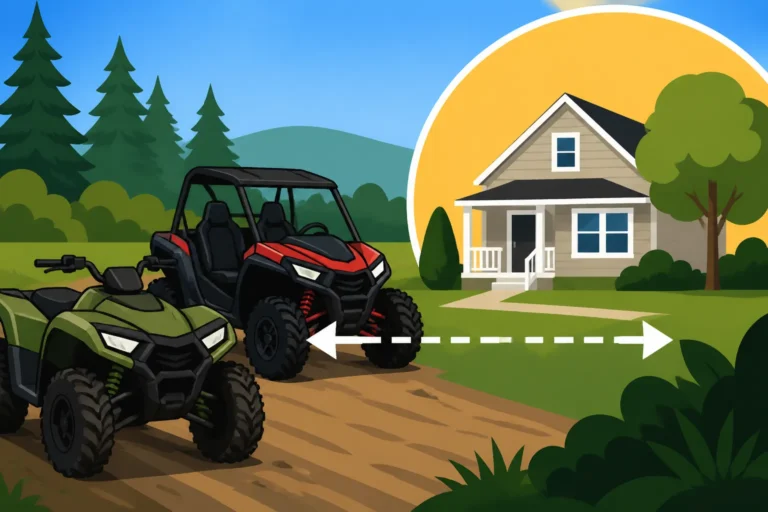
One of the most valuable lessons you can teach your child is the importance of responsibility and proper trail etiquette. This means understanding that not all land is open for riding, respecting private property boundaries, and recognizing that they are often sharing trails with hikers, mountain bikers, and even horseback riders. Teach them to slow down, be courteous, and yield to others. Explain the reasoning behind rules like the 150-foot dwelling rule, which prohibits riding within that distance of any dwelling without written permission. This isn't about arbitrary restrictions; it's about minimizing noise, dust, and disturbance to residents. You can dive deeper into [Massachusetts's 150-Foot Dwelling Rule] to fully grasp its implications.
Discuss the impact of their riding on the environment. Emphasize staying on marked trails, avoiding sensitive areas like wetlands, and understanding how irresponsible riding can lead to trail closures. Consider adding accessories to your machine from SuperATV that enhance visibility or provide warning signals, helping your child be a more considerate and safer rider on shared trails. This holistic approach to education helps young riders develop a sense of stewardship for the trails and respect for their fellow outdoor enthusiasts.
Understanding Consequences
It’s crucial to have open and honest conversations with your child about the real-world consequences of illegal or unsafe riding. This isn't about fear-mongering, but about fostering a realistic understanding of potential outcomes. Talk about the possibility of fines, the confiscation of their machine, or even serious injuries to themselves or others. Explain how a moment of carelessness can lead to long-lasting physical pain, emotional distress, and significant financial burdens.
Encourage them to always communicate their riding plans – where they're going, who they're with, and when they expect to be back. This creates an environment of trust and ensures you always know their whereabouts. By discussing these consequences in a constructive, rather than accusatory, way, you empower them to make smarter, safer choices when they're out on their own.
The Role of Parental Example
Perhaps the most powerful teaching tool you have as a parent is your own example. If you consistently model safe and responsible riding behavior, your child is far more likely to emulate it. This means always wearing your helmet, adhering to speed limits, staying on marked trails, obtaining all necessary permissions, and ensuring your own machine is properly registered and maintained.
When you ride together, point out situations where you make a safe choice, explain why you're doing it, and discuss potential hazards. Let them see you being respectful of other trail users and the environment. By demonstrating that safety and responsibility are integral parts of the riding experience, not burdens, you reinforce the values that will keep them safe and out of legal trouble for years to come. Remember, these laws are in place for safety, and understanding and adhering to them is the best way to ensure everyone can enjoy Massachusetts' beautiful outdoors.
Massachusetts Youth ATV Laws at a Glance
| Rider Age Group | Engine Size Restriction | Supervision Requirement | Safety Certificate | Common Riding Locations | Potential Parental Liability |
|---|---|---|---|---|---|
| Under 10 | N/A | N/A | N/A | Sanctioned events only | Direct fines, civil damages |
| 10 – 13 | N/A | Supervising Adult (18+) | No | Sanctioned events only | Direct fines, civil damages |
| 14 – 15 | 90cc or less | Supervising Adult (18+) | No | Approved trails/private land with permission | Direct fines, civil damages |
| 16 – 17 | None (any size) | Supervising Adult (18+)* | Yes, required | Approved trails/private land with permission | Direct fines, civil damages |
| 18+ | None (any size) | None | No (unless new rider)* | Approved trails/private land with permission | Indirect, civil damages |
Note: For riders 16-17, if they possess a valid driver's license, the adult supervision requirement is often waived for road crossings, but general supervision on trails is still highly recommended by many safety advocates. All riders should consider a safety course for their own benefit, even if not legally mandated.
Disclaimer
This article is for general informational purposes only and does not constitute professional advice. Laws, prices and regulations vary by location and change over time. Consult a qualified professional for guidance on your specific situation.