Replacing a Lost OHV Decal Costs $5.50
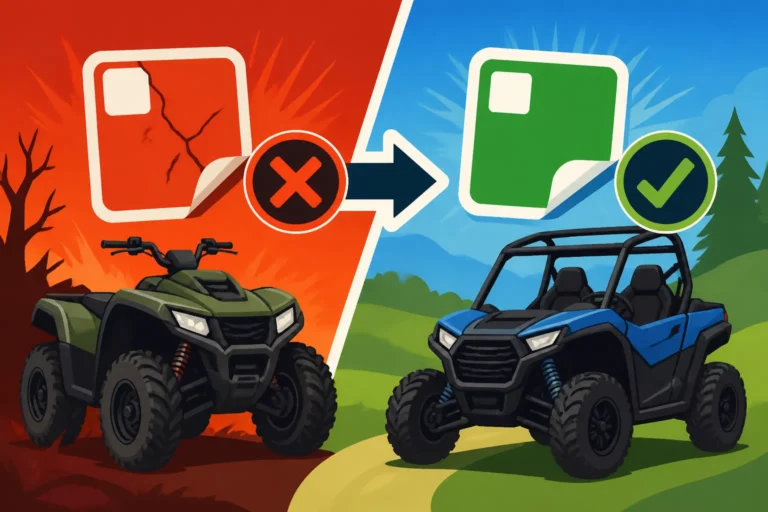
Oh, the sheer frustration of looking at your beloved ATV or UTV, ready for a fantastic ride through the Berkshire trails, only to notice that a crucial piece of its identity has gone missing: the registration decal! It’s not just a sticker; it's your machine's official badge, telling every Environmental Police Officer (EPO) that you're legal and ready to roll. When that little piece of adhesive goes rogue, it can feel like a major roadblock to your weekend plans. But don't you worry, because getting a replacement for a lost, stolen, or damaged OHV decal in Massachusetts is a straightforward process, and this guide is here to walk you through every step, ensuring you’re back on the trails legally and safely.
The Frustration of a Missing OHV Decal
Let's be real, nobody wants to deal with missing paperwork or damaged decals. It’s an irritating interruption to your plans, a small but mighty hurdle that can derail a perfectly good riding day. You've invested in your machine, you've paid your registration fees, and now this? It feels unfair, especially when you know you're doing everything right. But the reality is, these things happen, and knowing how to swiftly correct the situation is key to minimizing downtime and avoiding potential headaches on the trail.
Why Decals Matter on Massachusetts Trails
That small decal might seem insignificant, but it’s a big deal in the eyes of Massachusetts law enforcement. It's the visual proof that your off-highway vehicle (OHV) is properly registered with the Massachusetts Environmental Police. When an EPO encounters you on state land, whether it’s checking permits at the trailhead or during a routine patrol deep in October Mountain State Forest, the first thing they’ll look for is that valid, clearly displayed decal. It's their quick verification that your machine isn't unregistered, which is a significant violation. Think of it as your machine's license plate for the woods; without it, you're operating outside the legal framework, even if you paid your fees. [Massachusetts Decal Placement Rules] are very specific for a reason – they make it easy for officers to spot and verify your compliance.
Without a current decal, you’re essentially operating an unregistered vehicle in Massachusetts, which can lead to citations, fines, and even having your machine impounded. Nobody wants that kind of trouble, especially when you're just trying to enjoy the great outdoors. It's not about being difficult; it's about ensuring safety, maintaining public lands, and proving that all riders are contributing to the system that supports these trails. These fees, for example, often go into the [The OHV Trail Fund Your Sticker Pays Into], which helps maintain the very trails we all love to ride.
Common Ways Decals Go Missing
You might wonder how a decal, which is designed to stick firmly, can just vanish. Well, our machines lead tough lives out there! There are several common culprits:
- Environmental Wear and Tear: Sun, rain, mud, and extreme temperatures can take their toll. Over time, the adhesive can degrade, and the edges of the decal might start to peel. A branch scrape, a splash through a deep puddle, or even just the constant vibration of the engine can exacerbate this. We’ve all seen those faded, peeling stickers on older machines, and sometimes they just decide to fly off mid-ride.
- Accidental Damage: A minor fender bender, a clumsy loading onto a trailer, or even just bumping into something in your garage can snag and rip a decal right off. Sometimes it’s not completely gone, but so torn or obscured that it’s no longer legible, which is just as bad as having it missing entirely.
- Theft or Vandalism: While less common, it’s not unheard of for decals to be stolen, especially if your machine is parked in an unsecured location. Sometimes it's just mischief, other times it might be someone trying to illegally re-register a stolen machine using your decal, though that's far more complicated than it sounds.
- Machine Sale or Transfer: If you bought a used machine that was previously registered in Massachusetts, the previous owner might have removed the decal, or it might have been missing already. When you register it in your name after a private sale, you'll get a new decal, but until then, that "missing" period can be tricky. Similarly, if you’ve recently done a [Massachusetts Registration Transfer to a New Machine], you'll need the new decal to match your new registration.
- Improper Application: Sometimes, the initial application wasn't perfect. If the surface wasn't clean and dry, or if there were air bubbles trapped underneath, the decal might not have adhered properly from the start, making it more susceptible to peeling off prematurely. It's a small detail that can have big consequences down the line.
No matter the reason, the outcome is the same: you have a machine that needs a valid decal to legally hit the trails. And the good news is, getting a replacement is fairly simple.
How to Get a Replacement OHV Decal in Massachusetts
Alright, so your decal has gone AWOL. Deep breaths! The process for replacing it is designed to be straightforward. The Massachusetts Environmental Police, who handle all OHV registrations, understand that life happens, and decals sometimes disappear.
Step-by-Step: The Application Process
Getting a new decal is pretty much like asking for a duplicate of something you already have. You'll need to provide your existing registration information so they can verify your machine's status.
Here's how you can go about it:
- Gather Your Information: You'll primarily need your current OHV registration number, which you can find on your registration card. It’s a good practice to keep your [Massachusetts Registration Cards Carried on Board] with you or easily accessible. You'll also need the Vehicle Identification Number (VIN) for your ATV or UTV. This ensures they issue the decal for the correct machine.
- Choose Your Method: The Massachusetts Environmental Police offer a few ways to request a duplicate decal:
- Online: This is often the quickest and most convenient option. Head over to the [Massachusetts Online Registration System] website. There should be a section specifically for requesting duplicate decals or registration cards. You'll input your information, and the system will guide you through the payment process.
- By Phone: If you prefer to speak with someone or have specific questions, you can usually call the Massachusetts Environmental Police registration office. They can walk you through the process over the phone and take your payment. [Massachusetts Registration by Phone] is a good option if you're not comfortable with online forms or have a unique situation.
- By Mail: You can also print out a form from their website (or request one by mail) and send it in with a check or money order. This method tends to be the slowest due to mailing times both ways, so it's generally recommended only if the other options aren't feasible for you.
- Complete the Request: Fill out all the required fields accurately. Double-check your registration number, VIN, and mailing address to ensure your new decal gets to the right place. An error here could delay the process further.
- Pay the Fee: As the title of this article states, a duplicate sticker comes with a specific, modest fee. We'll get into that in more detail next.
- Confirmation and Waiting: Once your request is submitted and payment is processed, you'll typically receive a confirmation. Then, it's a matter of waiting for the new decal to arrive in the mail. Be prepared for a short waiting period; it's not an instant print-and-go situation. You might want to check the [Massachusetts Registration Processing Time] page on the state's website to get an idea of current turnaround times.
This process is straightforward, but it requires attention to detail. Taking your time to ensure all information is correct will save you potential headaches down the line.
The Fee for a New Sticker
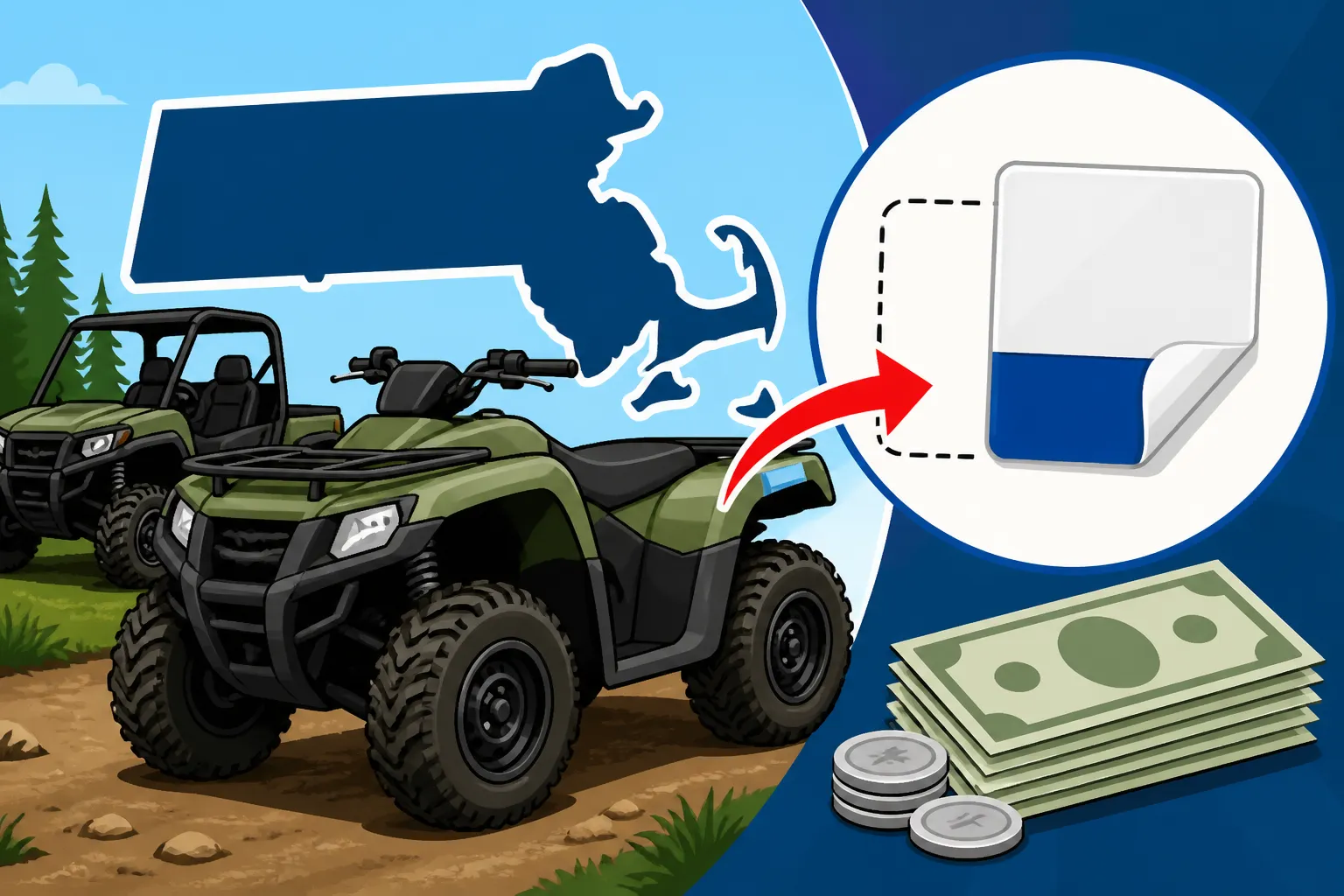
Let's talk money, but don't worry, it's not a budget-buster! The good news is that replacing a lost or damaged OHV decal in Massachusetts is surprisingly affordable. The state charges a nominal fee to cover the administrative costs of printing and mailing you a new one.
As you already know, the fee for a duplicate sticker is $5.50.
This small fee helps ensure that the system can continue to operate efficiently, providing these essential services to riders. While nobody likes unexpected costs, this amount is very reasonable for getting you back on the right side of the law. You’ll typically pay this fee using a credit card if you’re applying online or by phone, or with a check or money order if you’re mailing in your request. Always check the official Environmental Police website for the most current information, as fees can occasionally be subject to change, though this specific fee has been quite stable. This is distinct from a [Massachusetts Transfer Fee of $16.50] which applies when you transfer a registration to a different machine, or the full cost of a new registration like [Massachusetts Charges $44 for Residents].
What to Do While You Wait for Your New Decal
So you've submitted your request and paid your $5.50. Great! Now comes the hardest part for an eager rider: waiting. This raises a crucial question: can you still ride your ATV or UTV while you're waiting for the replacement decal to arrive in the mail?
Riding Legally Without the Physical Decal
This is where it gets a little tricky, and I need to be completely realistic with you. In almost all cases, you should NOT ride your OHV on public land without the physical, properly affixed registration decal. Massachusetts law is quite clear that the decal must be displayed. Even if you have proof that you've applied for a replacement, it's not the same as having the physical decal on your machine.
An Environmental Police Officer is looking for that visible decal. While having a printout of your online application confirmation or a receipt for your duplicate request might show good faith, it doesn't automatically grant you permission to ride without the actual decal. They are within their rights to issue a citation for an unregistered vehicle if the decal isn't present.
Think of it this way: if your car's inspection sticker fell off, even if you had the receipt for the recent inspection, you could still be pulled over and cited for not having the sticker displayed. OHV regulations operate similarly.
Therefore, the most responsible and legally sound advice is to wait until your new decal arrives and is properly affixed to your machine before riding on any public trails or land where registration is required. It's a bummer, I know, especially if the weather is perfect, but it's far better than facing fines or having your machine towed.
Avoiding Penalties and Explaining the Situation
If, by some slim chance, you absolutely must transport your machine (not ride it) or find yourself in a situation where an officer questions your lack of a decal before the replacement arrives, here's how to handle it:
- Be Honest and Polite: If an EPO stops you (perhaps you're trailering the machine and they do a random check), be completely transparent about the situation. Explain that your decal was lost or damaged, and you've already applied for a replacement.
- Provide Proof of Application: Have any documentation you received from the Environmental Police readily available. This could be an email confirmation, a receipt for your payment, or a printout of your application submission. The more proof you have that you've initiated the process, the better.
- Show Your Registration Card: Your physical [Massachusetts Registration Cards Carried on Board] is vital. This card proves your machine is registered, even if the decal is temporarily missing. The decal is just the visual proof; the card is the actual document.
- Understand Officer Discretion: While you should always be prepared for a citation, sometimes an officer may exercise discretion if you can clearly demonstrate you've done your due diligence and are simply waiting for the mail. However, this is not a guarantee, and you should not rely on it as a reason to ride without the decal. The law is the law, and the decal needs to be present.
The best way to avoid any penalties related to a missing decal is to simply be patient and adhere to the law. Once your new decal arrives, you'll be able to ride with complete peace of mind, knowing you're fully compliant. It’s always better to be safe than sorry when it comes to interacting with law enforcement on the trails.
Preventing Future Decal Loss and Damage
Once you get that shiny new replacement decal, you'll want to do everything you can to ensure it stays put and remains legible for its full two-year term (or one year for non-residents). A little preventative care goes a long way in avoiding this hassle again.
Proper Decal Application Techniques
Applying the decal correctly from the start is critical for its longevity. Don’t just slap it on; take a few minutes to do it right.
- Clean the Surface Thoroughly: This is arguably the most important step. Use rubbing alcohol or a good degreaser to clean the area where the decal will go. Mud, dirt, dust, and especially any greasy residue will prevent the adhesive from bonding properly. Let the surface dry completely. A clean, smooth surface is the decal's best friend.
- Warm the Surface (If Cold): If you're applying the decal in cold weather, gently warm the surface with a hairdryer or by bringing the machine into a heated garage for a while. Cold surfaces can reduce the adhesive's effectiveness.
- Position Carefully: Before peeling off the backing, hold the decal up to the desired spot to ensure proper placement. Remember, [Massachusetts Decal Placement Rules] require it to be on both sides of the forward half of the machine. For a side-by-side, [Massachusetts Decal Placement on a Side-by-Side] typically involves placing it on the front fenders or side panels where it's clearly visible.
- Peel Slowly, Apply Firmly: Peel off only a small section of the backing at first, align the decal, and then slowly press it down, working from one side to the other. Use a squeegee, a credit card, or even your thumb wrapped in a soft cloth to apply firm, even pressure. This helps to squeeze out any air bubbles and ensure maximum contact.
- Remove Air Bubbles: If you spot any small air bubbles, you can often push them out to the edge with your finger or a squeegee. For stubborn tiny bubbles, a pinprick might help, but be gentle!
- Allow Time to Cure: After application, avoid washing the machine or exposing the decal to harsh conditions for at least 24-48 hours. This allows the adhesive to fully cure and bond with the surface.
Following these steps will significantly increase the chances of your decal staying put for its entire lifespan.
Protecting Your Decals from the Elements
Beyond proper application, ongoing care can extend your decal's life and appearance.
- Consider a Clear Protective Film: Some riders apply a clear, adhesive protective film over their decals. This acts as a sacrificial layer, shielding the decal from scratches, UV rays, and general wear. You can find these at auto parts stores or online.
- Store in a Garage or Covered Area: Sunlight is a decal's enemy. UV rays can fade the colors and degrade the adhesive over time. Whenever possible, store your ATV or UTV in a garage, shed, or under a protective cover. This protects not only your decals but the entire machine from the elements.
- Gentle Washing: When washing your machine, be mindful of the decals. Avoid directing high-pressure washer nozzles directly at the edges of the decals, as this can lift them. Use a soft sponge or cloth and gentle cleaners. If you encounter a decal that is already starting to peel, be extra careful around it; sometimes, a little clear super glue on a very clean, dry edge can temporarily save it, but this is a last resort.
- Regular Inspections: Make it a habit to quickly check your decals before and after each ride. Look for any signs of peeling, fading, or damage. Catching a small lift or tear early can prevent the entire decal from going missing later. If you notice it's starting to peel, you might be able to press it back down, or at least be prepared to order a replacement before it vanishes completely, like what happens when [What to Do When a Decal Peels Off].
By taking these proactive steps, you can significantly reduce the likelihood of having to deal with a lost or damaged decal again, keeping your machine trail-ready and legal for many adventures to come!
Decal Replacement at a Glance
| Factor | Details |
|---|---|
| Reason for Replacement | Lost, stolen, damaged, unreadable, peeling off |
| Cost | $5.50 (for a duplicate sticker) |
| Required Info | Current OHV Registration Number, VIN |
| Application Methods | Online (preferred), Phone, Mail |
| Processing Time | Varies (allow time for mail delivery) |
| Riding While Waiting | Not recommended; generally illegal without the physical decal on display |
| Prevention | Proper application, protective film, covered storage, gentle washing |
Disclaimer
This article is for general informational purposes only and does not constitute professional advice. Laws, prices and regulations vary by location and change over time. Consult a qualified professional for guidance on your specific situation.