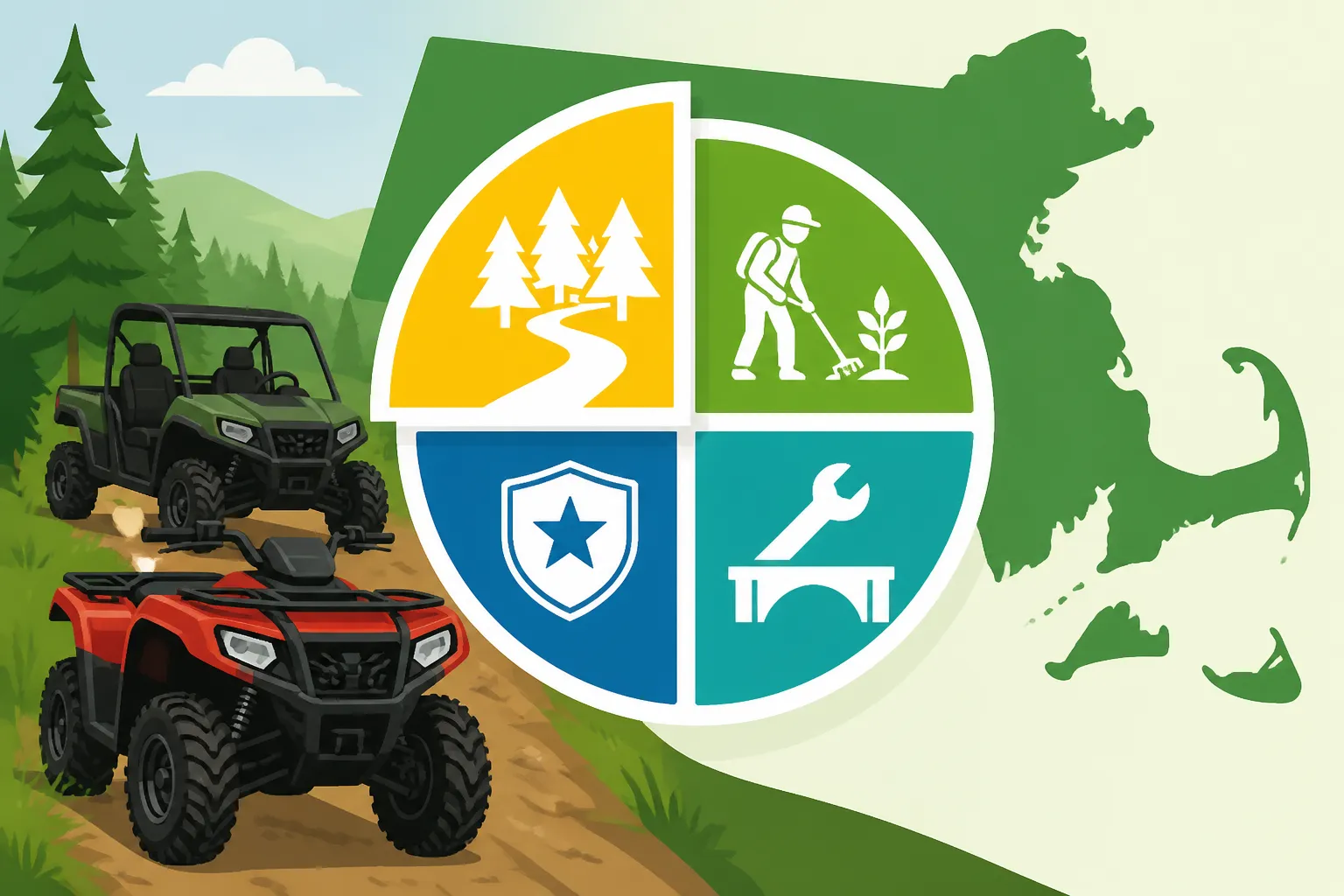
Where 25 Percent of Your OHV Registration Fee Goes
It's a common feeling, isn't it? You hand over money for a registration or a permit, and while you know it's a necessary step to enjoy your passion, a little part of you wonders, "Where does this actually go?" For off-highway vehicle (OHV) riders in Massachusetts, understanding the breakdown of your registration fee is more than just curiosity; it's about seeing the direct impact your dollars have on the trails you love. This guide will walk you through precisely what happens to a significant portion of your Massachusetts OHV registration fee, specifically the 25 percent that's earmarked for the crucial OHV Trail Fund.
Understanding Your Massachusetts OHV Registration Fee
When you register your ATV, side-by-side, or dirt bike in Massachusetts, you're not just getting a sticker and a card; you're contributing to the infrastructure that supports the very activity you enjoy. Many riders might simply see the total amount due and pay it without a second thought, eager to hit the trails. However, taking a moment to understand the financial mechanics behind it can really highlight the value of that fee. It’s not just a bureaucratic hurdle; it’s an investment.
The Initial Sticker Shock: Why it Costs What it Does
For many first-time registrants, or even seasoned riders new to Massachusetts, the initial fee might seem like another expense in a hobby that already has its fair share of costs. But these fees are carefully structured to cover administrative costs and, more importantly, to fund the preservation and expansion of riding opportunities across the state. It’s about more than just the piece of paper; it’s about the whole ecosystem of OHV use in the Commonwealth.
Breaking Down the Fee for Residents
If you're a proud Bay Stater, registering your machine is a two-year commitment, and the fee reflects that longer term. For Massachusetts residents, the current fee is set to cover the administrative process, the issuance of your decals and registration card, and the various programs that support OHV recreation. This includes everything from the staff who process your application at the Environmental Police to the environmental initiatives that keep trails viable. [Massachusetts Charges $44 for Residents] outlines this resident fee structure. It's designed to be a straightforward charge that, once paid, provides access and peace of mind for an extended period, allowing you to focus on riding.
The Non-Resident Perspective
For those of us visiting Massachusetts with our machines, perhaps from neighboring states like New Hampshire or Vermont, the registration process is slightly different. Non-residents pay a fee that grants them a one-year registration. This acknowledges that while visitors contribute to the local economy and enjoy the state's trails, their primary residence is elsewhere. The fee helps ensure that all machines using Massachusetts' public lands are accounted for and contributing to their upkeep, regardless of where their owner calls home. [Massachusetts Charges $33 for Visitors] details the specifics for out-of-state riders. It’s an essential step for anyone planning to experience Massachusetts's unique riding landscape, even if only for a season.
Beyond the Sticker: What the Fee Enables
It’s easy to think of a registration fee as simply buying permission. While that's part of it, the funds generated by OHV registrations do so much more. They are the financial backbone for keeping trails open, safe, and enjoyable for everyone. Without these fees, the trails we often take for granted would quickly fall into disrepair or even be closed due to lack of resources for management and maintenance.
The Core Purpose of Registration
At its heart, OHV registration serves several vital purposes. It creates a record of ownership, which is crucial for identifying stolen machines and ensuring accountability. It also helps the state understand the number of OHVs operating within its borders, which is critical for planning and resource allocation for trails. Beyond that, the act of registration signifies a commitment from the rider to abide by state laws and contribute to the responsible enjoyment of the sport. It's a fundamental step that allows riders to legally access designated public lands. [Massachusetts Registration Cards Carried on Board] is a good reminder of the importance of this official documentation.
Why the Environmental Police Handle It
Many folks are often surprised to learn that it's the Massachusetts Environmental Police, not the Registry of Motor Vehicles (RMV), that handles OHV registration. This isn't just a quirk of state bureaucracy; it's a deliberate choice that reflects the nature of off-highway vehicle use. The Environmental Police are uniquely positioned to oversee OHVs because their mission directly relates to protecting the state's natural resources and enforcing laws within these environments. They are the ones patrolling the trails, responding to incidents, and ensuring that riders are operating responsibly and safely. This specialized focus means that the registration process is tied directly to the environmental stewardship and recreational management goals of the state. [Why the Environmental Police Register ATVs, Not the RMV] offers a deeper dive into this specific arrangement.
The OHV Trail Fund: The Destination for 25 Percent
Now, let's get to the heart of the matter: that specific 25 percent portion of your registration fee. This isn't just tossed into a general state fund; it's meticulously directed into something called the Off-Highway Vehicle Trail Fund. This fund is absolutely critical for the health and future of OHV riding in Massachusetts, and understanding its role empowers riders to see the direct return on their investment.
What Exactly is the OHV Trail Fund?
Imagine a dedicated savings account specifically for maintaining, improving, and expanding the places you love to ride. That's essentially what the OHV Trail Fund is. It's a vital resource, separate from general state coffers, ensuring that money generated by OHV users goes directly back into supporting their recreational needs and the environmental health of the trails.
Its Creation and Purpose
The OHV Trail Fund wasn't just created on a whim. It came about as a recognition that off-highway vehicle recreation, while popular, also requires significant resources to manage responsibly. The purpose is crystal clear: to fund the administration, maintenance, and expansion of the state's OHV trail system, as well as to support safety and education programs. This ensures that as more people embrace ATV and UTV riding, there are adequate, safe, and legal places for them to do so, all while protecting the natural environment. It’s a dedicated financial stream, much like how some states might have specific funds for fishing or hunting licenses. [The OHV Trail Fund Your Sticker Pays Into] explains the specifics of this fund.
How It's Sustained
The primary way the OHV Trail Fund is sustained is through those registration fees. That 25 percent from every resident and non-resident OHV registration goes directly into this fund. It's a continuous cycle: riders pay their fees, a portion goes into the fund, and the fund then disperses money for trail-related projects. This direct funding mechanism is crucial because it ensures a steady, predictable income source that isn't subject to the whims of broader state budget battles. It creates a self-sustaining model where the users directly fund the resources they consume. Occasionally, other grants or donations might supplement the fund, but the consistent stream from registrations is its lifeblood.
Who Benefits from the Fund?
When money is allocated from the OHV Trail Fund, it casts a wide net, benefiting not just the immediate riders, but also the broader community and the environment itself. It's a far-reaching impact that touches several key stakeholders, ensuring a more harmonious coexistence between recreation and conservation.
Riders and the Riding Community
This is perhaps the most obvious beneficiary. Riders directly experience the results of the fund's work through better-maintained trails, clearer signage, and potentially new riding areas. When a trail system is well-funded, it means less erosion, fewer hazardous obstacles, and a generally safer, more enjoyable experience. The riding community also benefits from enhanced educational programs, which promote responsible riding habits and minimize conflicts with other trail users. A strong trail fund helps clubs organize events and maintain existing trails, fostering a vibrant and engaged OHV community across the state.
Landowners and Environmental Protection
While riders get the direct thrill of better trails, landowners and environmental protection efforts also see significant advantages. Proper trail maintenance, funded by the OHV Trail Fund, minimizes environmental impact. This means preventing erosion that could harm waterways, controlling invasive species, and ensuring designated trails keep riders away from sensitive habitats. Additionally, a portion of the fund might go towards acquiring land for new trails, which can sometimes come with easements or agreements that protect specific natural areas. For private landowners who might consider allowing trail access, the fund can support programs that provide resources for managing that access, and for formalizing agreements, a structured document from a service like LawDepot could provide clarity and protection for both parties. This helps build trust and promotes sustainable land use.
How the Trail Fund Supports Massachusetts Trails
Understanding the existence of the OHV Trail Fund is one thing, but seeing exactly how that money translates into tangible benefits on the ground is where the magic truly happens. Your 25 percent contribution isn't sitting idle; it's being put to work in very specific, impactful ways to enhance the Massachusetts OHV experience.
Maintaining and Improving Existing Trails
One of the most critical functions of the OHV Trail Fund is the ongoing care and improvement of the trails we already have. Just like any road or path, OHV trails endure constant wear and tear from weather, use, and natural processes. Without dedicated funds for maintenance, even the best trails can quickly deteriorate.
Addressing Erosion and Wear
Anyone who has ridden a trail after a heavy rain knows how quickly ruts can form and how erosion can turn a pleasant path into a challenging, and potentially damaging, obstacle course. Funds from the OHV Trail Fund are essential for addressing these issues. This can involve bringing in heavy equipment to grade trails, installing water bars to divert runoff, or repairing culverts to prevent washouts. When you see a section of trail that's been recently re-graveled or smoothed out, it’s a direct result of these funds being put to work. This kind of proactive maintenance not only makes the trails safer and more enjoyable but also protects the surrounding environment from the negative impacts of uncontrolled erosion.
Signage and Safety Enhancements
Imagine hitting a fork in the trail in a dense forest, unsure which way to go, or worse, coming across an unexpected hazard. Clear, consistent signage is paramount for rider safety and navigation, especially in larger areas like Beartown State Forest or October Mountain. The Trail Fund contributes to the cost of manufacturing, installing, and maintaining these signs. This includes directional markers, warnings for dangerous sections, and informational signs about trail rules or sensitive areas. Beyond signage, funds can also be allocated for safety enhancements like proper trail clearings, removing downed trees, or even maintaining emergency access points. These small but crucial details ensure a safer and more confident riding experience for everyone on the trail. [Massachusetts Registration Cards Carried on Board] is a good reminder to always have your documentation, but good signage is equally critical for a smooth ride.
Expanding Riding Opportunities
Beyond maintaining what's already there, a truly forward-thinking trail fund also looks to the future. Growth is essential to accommodate new riders and machines, and to ensure the longevity of the sport in Massachusetts. This is where the Trail Fund plays a crucial role in creating new places to ride.
Acquiring New Land for Trails
Finding new land suitable for OHV trails is a monumental task, often involving complex negotiations, environmental assessments, and significant capital. The OHV Trail Fund can be a critical source of funding for these land acquisition efforts. This doesn't necessarily mean buying vast tracts of land outright, but it can involve purchasing easements, negotiating access agreements with private landowners, or contributing to larger conservation efforts that include trail development. Such strategic acquisitions are vital for expanding the limited riding opportunities currently available in the state, offering new terrain and experiences to the riding community.
Developing New Trail Systems
Once land is acquired or access secured, the work isn't over. New trail systems need to be designed, cleared, and built to proper specifications. This involves everything from surveying and mapping to actual construction, ensuring sustainability and minimizing environmental impact. Funds from the OHV Trail Fund can be allocated to these development projects, covering costs for machinery, materials, and skilled labor. Without this dedicated funding, even ideal plots of land might remain undeveloped and inaccessible to riders. This proactive development ensures that the sport has room to grow and that riders have diverse options for their adventures.
Supporting Local Clubs and Initiatives
The backbone of the OHV community in Massachusetts is often its local clubs and dedicated volunteers. These groups pour countless hours into trail work, advocacy, and promoting responsible riding. The OHV Trail Fund recognizes this invaluable contribution by often providing support to these grassroots efforts.
Grants for Volunteer Efforts
Many local clubs organize trail workdays, clearing brush, repairing damage, and performing general maintenance. While the volunteers donate their time and sweat, there are still costs involved: tools, fuel for equipment, safety gear, and sometimes even materials. The OHV Trail Fund can offer grants or direct funding to these clubs, reimbursing them for expenses or providing resources upfront. This financial support empowers volunteers to do more, stretching the impact of every dollar and fostering a stronger sense of community ownership over the trails. It's a testament to how the state partners with its citizens to maintain shared resources.
Partnerships for Trail Work
Beyond direct grants, the Trail Fund can also facilitate larger partnerships between state agencies, land managers, and local clubs for more extensive trail projects. For instance, if a major section of trail needs rebuilding or a new bridge needs to be installed, the fund can help bring together the necessary resources, expertise, and labor. These collaborative efforts ensure that complex projects are completed efficiently and effectively, benefiting from both state oversight and the invaluable on-the-ground knowledge of local riders. When buying a used machine through a private sale, ensuring you have the proper [Massachusetts Registration Paperwork Checklist] is important, just as having proper agreements from LawDepot could be for clubs forming partnerships.
The Impact of Your Contribution on the Massachusetts Riding Experience
It's one thing to know where your money goes, but it's another to truly grasp the profound impact it has on your personal riding experience and the broader OHV landscape in Massachusetts. That 25 percent isn't just a number; it's an investment that directly shapes the quality and availability of your recreation.
Direct Benefits to Riders
Ultimately, the goal of the OHV Trail Fund is to enhance the experience for the people who pay into it: the riders themselves. The benefits are often immediately noticeable and contribute significantly to the enjoyment and safety of every outing.
Better Maintained, Safer Trails
Imagine setting out for a day of riding only to find trails riddled with deep ruts, overgrown brush, and dangerous obstacles. It’s not just frustrating; it’s a safety hazard. Your contribution to the Trail Fund helps prevent this scenario. By funding regular maintenance, such as grading, clearing, and repairing damage, the trails remain smoother, more predictable, and significantly safer. This means fewer breakdowns from hidden obstacles, a reduced risk of accidents, and a more comfortable ride overall. When you're cruising through a state forest like October Mountain and find the trails in excellent shape, that's your dollar at work.
More Places to Ride
Massachusetts, while beautiful, has a limited number of designated OHV trails. Expanding these opportunities is crucial for the growth and sustainability of the sport. The funds allocated for land acquisition and new trail development directly contribute to increasing the mileage and variety of available riding areas. This means that over time, riders might have new destinations to explore, reducing pressure on existing trails and offering fresh challenges. It's about ensuring that the passion for OHV riding has room to thrive and grow within the Commonwealth, giving you more options for your next adventure.
Fostering a Responsible Riding Community
Beyond the physical trails, the OHV Trail Fund also plays a critical role in shaping the culture of OHV riding in Massachusetts. It promotes responsible behavior, environmental stewardship, and harmonious coexistence with other land users.
Funding for Education and Outreach
A responsible rider is a safe rider, and a safe rider protects both themselves and the environment. The Trail Fund often supports educational programs, safety courses, and outreach initiatives designed to inform riders about proper trail etiquette, safety protocols, and environmental best practices. This can include producing informational materials, sponsoring training events, and supporting organizations that teach the [Massachusetts Two-Part Safety Course] required for young riders. By investing in education, the fund helps cultivate a community of knowledgeable and respectful riders, which is vital for the long-term health of the sport.
Promoting Sustainable Practices
The longevity of OHV riding depends heavily on its sustainability. This means minimizing environmental impact, respecting private property, and avoiding conflicts with other recreational users. The OHV Trail Fund can support projects that specifically promote these sustainable practices, such as funding studies on trail impact, developing best management practices for trail construction, or creating programs that encourage "Leave No Trace" principles among riders. This ensures that the trails remain healthy and accessible for future generations, preventing damage that could lead to closures. Many riders find that having their own LawDepot documents for permission to ride on private land helps promote these practices, ensuring a clear understanding between parties.
Ensuring the Future of OHV Riding in the Bay State
The impact of the Trail Fund isn't just about today or tomorrow; it's about securing the future of OHV recreation in Massachusetts for decades to come. This involves looking at the bigger picture and making strategic decisions.
Advocacy and Long-Term Planning
Having a dedicated fund for OHV trails provides a strong foundation for advocacy efforts. It demonstrates to lawmakers, environmental groups, and the public that the OHV community is serious about responsible recreation and is willing to fund its own infrastructure. This financial commitment strengthens the argument for maintaining and expanding access. The fund also supports long-term planning initiatives, such as comprehensive trail master plans that map out future development, identify potential new riding areas, and address future challenges like climate change or population growth.
Protecting Access for Generations
Ultimately, every dollar that goes into the OHV Trail Fund is an investment in protecting access. It ensures that the current generation of riders can enjoy the sport, and that their children and grandchildren will have the same opportunities. By funding maintenance, expansion, and education, the fund helps to mitigate issues that could lead to trail closures or restrictions. It's about demonstrating a commitment to responsible land use and proving that OHV recreation can coexist harmoniously with environmental conservation and other outdoor activities.
Tracking Your OHV Dollars: Transparency and Accountability
As riders, it’s only natural to want to know that your hard-earned money is being put to good use. Transparency and accountability are crucial for maintaining trust in the OHV Trail Fund. Fortunately, there are avenues for riders to understand how these funds are being spent and even to get involved in the process.
Where to Find Information on Fund Expenditures
The state understands the importance of public oversight, and there are mechanisms in place to report on the activities and expenditures of the OHV Trail Fund. It’s not always spoon-fed, but the information is there for those who seek it out.
State Reports and Public Meetings
Government agencies, particularly those overseeing recreational funds, typically publish annual reports detailing their financial activities. The Massachusetts Environmental Police, or the Department of Conservation and Recreation (DCR) which often manages the land, would likely make information available regarding the OHV Trail Fund's income and expenditures. These reports might be found on their official websites. Additionally, public meetings related to DCR land use or recreational planning often provide opportunities for citizens to hear updates and ask questions about trail funding. Keeping an eye on these public notices, often posted online or in local newspapers, can be a great way to stay informed.
Club Involvement and Updates
Local ATV/UTV clubs are often at the forefront of trail maintenance and advocacy, and they frequently work in direct partnership with state agencies that utilize the OHV Trail Fund. As such, these clubs can be an excellent source of information. Many clubs will share updates with their members about grants received, projects completed, and how state funds are being allocated. Attending club meetings or subscribing to their newsletters can provide direct, grassroots insights into how your registration dollars are translating into real-world improvements on the trails. They might even organize specific volunteer days where you can see the results firsthand, as described in [How the Berkshire Trails Council Works With Rangers].
Advocating for the Trail Fund
Understanding where your money goes is the first step; the next is recognizing your power to influence its impact. Riders are not just consumers of trails; they are stakeholders who can actively advocate for the continued health and growth of the OHV Trail Fund.
Joining Local ATV/UTV Clubs
Hands down, one of the most effective ways to advocate for the OHV Trail Fund is to join a local ATV or UTV club. These clubs act as organized voices for riders, collectively representing their interests to state agencies and lawmakers. By becoming a member, you add to their numbers, strengthening their negotiating position when discussing funding priorities, trail access, or future development plans. Clubs also provide a platform for sharing information, organizing volunteer efforts, and identifying specific needs that the Trail Fund can address. When considering buying a machine with two owners, checking with a local club might offer insights into communal riding practices, and [Two Names on One Registration Card] details the process for multi-owner registration.
Contacting Your Representatives
Never underestimate the power of direct communication with your elected officials. State representatives and senators need to hear from their constituents about issues that matter to them. A well-written letter or email, or even a phone call, expressing your support for the OHV Trail Fund and highlighting the importance of OHV recreation in your district, can make a difference. These officials often respond to organized, well-reasoned requests, and your personal story about how trails enhance your quality of life can be very compelling. Collective action, perhaps organized by local clubs using structured communications, can have an even greater impact on legislative decisions affecting the fund.
Here is a summary of how your OHV registration fee is allocated:
| Component | Percentage | Description |
|---|---|---|
| OHV Trail Fund | 25% | Dedicated to the administration, maintenance, and expansion of OHV trails, as well as safety and education programs. |
| Massachusetts General Fund | 75% | Covers administrative costs of registration, issuance of decals/cards, and broader state services related to the Environmental Police and DCR operations, but not directly earmarked for trails. |
Disclaimer
This article is for general informational purposes only and does not constitute professional advice. Laws, prices and regulations vary by location and change over time. Consult a qualified professional for guidance on your specific situation.