When Your Headlight Has to Be On
It’s a scenario many of us riders have faced: you’re out on the trails in Massachusetts, enjoying a fantastic day of ATV or UTV riding, and suddenly the sky starts to change. Maybe a storm rolls in, the sun dips behind a ridge earlier than expected, or you find yourself deeper in the woods than anticipated. That quick thought pops into your head – "Do I need my headlights on now?" This guide is here to cut through the confusion and lay out exactly when your off-road machine's lights need to be shining bright according to Massachusetts law, helping you stay safe and compliant on our beautiful trails.
Understanding Massachusetts Law on OHV Lighting
When it comes to operating an off-highway vehicle (OHV) like an ATV or UTV in Massachusetts, the rules aren't always as simple as "day means no lights, night means lights." Our state's laws, primarily found in Massachusetts General Law Chapter 90B, are designed to ensure safety for riders and others who might be sharing or encountering trails, especially when visibility isn't at its best. It’s not just about avoiding a ticket; it’s genuinely about preventing accidents.
The core of the lighting requirement revolves around natural light conditions. The law is quite clear that your headlights (and taillights, which we’ll get to) must be on during specific periods. This isn't just a suggestion; it's a mandatory safety measure. Ignoring it can put you in a dangerous situation and attract unwanted attention from the Environmental Police, who are the primary enforcers of OHV laws here. They are well-versed in the specifics of [Massachusetts Lighting After Sunset] and are diligent about ensuring compliance.
The "After Sunset and Before Sunrise" Mandate
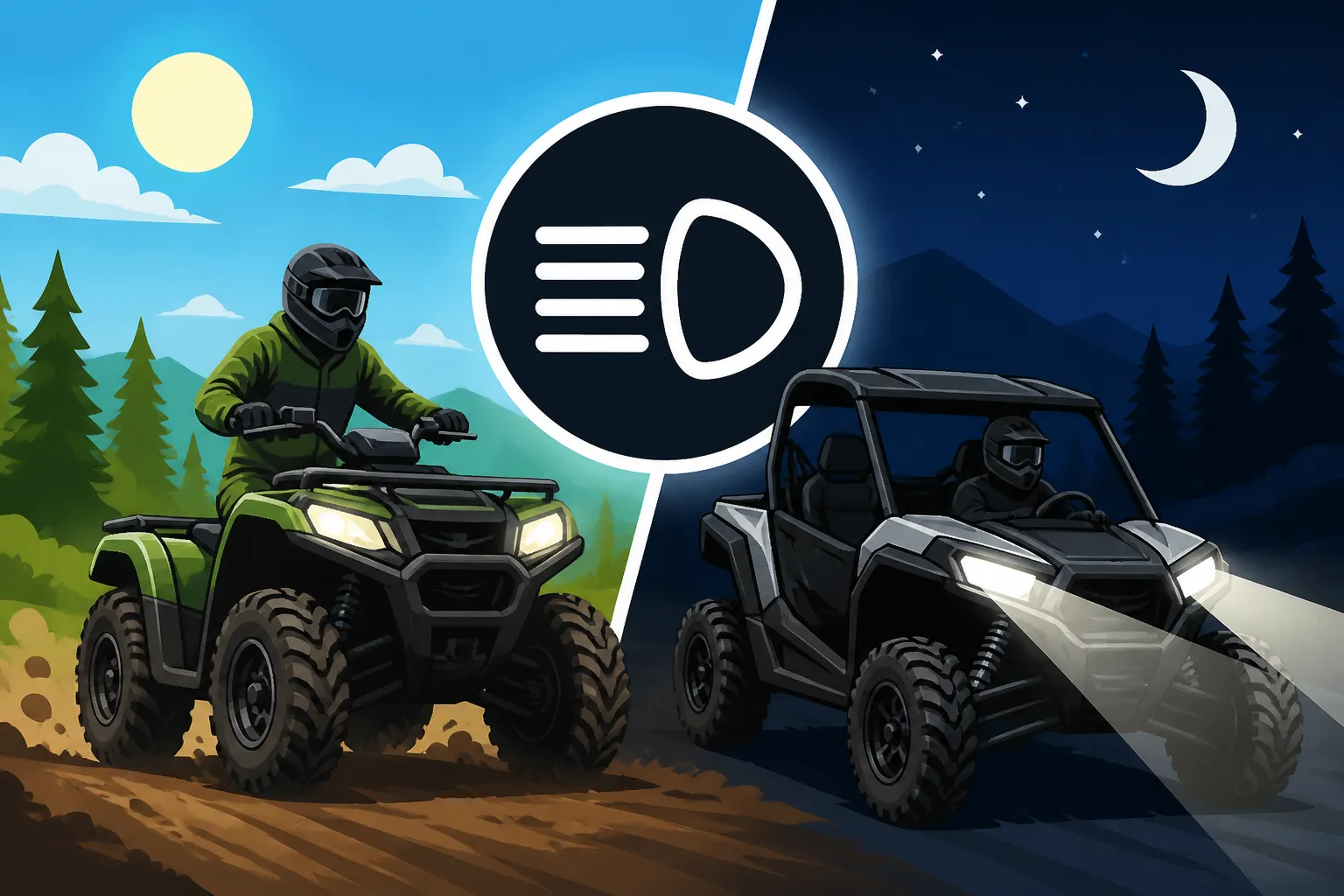
The most straightforward rule is that your ATV or UTV must have its headlights and taillights illuminated from 30 minutes after sunset to 30 minutes before sunrise. This is the foundational period for requiring lights, and it's pretty universal across vehicle types. Think about it: that twilight hour, both in the evening and morning, is often when visibility is most challenging. The natural light fades or is just beginning to appear, making it harder for you to see obstacles and, critically, harder for others to see you.
But it’s not just headlights. Your machine needs to have a working taillight that emits a red light visible from at least 500 feet behind the vehicle. Additionally, your ATV or UTV must be equipped with a red reflector on the rear. This combination ensures that anyone approaching from behind, whether another rider, a hiker, or even a wildlife observer, can clearly identify your machine. Proper visibility in these low-light conditions is paramount. So, before you head out, always give your lights a quick check. If you notice any dimness or flickering, it might be time for a bulb replacement or an electrical system check. Ensuring your lights are up to par is a key component of [Massachusetts Equipment Requirements].
Beyond Sunset: When Visibility is Poor
While the 30-minutes-after-sunset rule is a cornerstone, Massachusetts law extends the requirement for lights to any time when atmospheric conditions or insufficient light make it impossible to clearly discern persons or vehicles on the trail at a distance of 500 feet ahead. This is where personal judgment and a good understanding of your riding environment come into play.
Consider these scenarios:
- Heavy Fog or Rain: A thick fog bank rolling into October Mountain State Forest can drastically reduce visibility, even in the middle of the day. The same goes for a torrential downpour on the trails of Beartown State Forest. In these situations, your lights aren't just for night riding; they're essential for daytime safety.
- Deep Woods or Canopied Trails: Even on a sunny afternoon, riding through a dense section of Pittsfield State Forest with a thick tree canopy can create conditions akin to twilight. Sunlight might struggle to penetrate, making the trail dim and increasing the risk of not seeing a fallen branch or an approaching rider.
- Blizzard Conditions: While the OHV season typically runs from May to November, if you're out late in the season and an unexpected snowfall hits, especially a heavy one, your lights become absolutely vital. Snow can obscure vision just as much as fog.
In all these cases, the spirit of the law is clear: if you can't see clearly, and you can't be seen clearly, turn your lights on. It’s a proactive measure that could prevent a serious incident. Many riders even opt for aftermarket lighting upgrades, like powerful LED light bars or auxiliary spot lights, to enhance their visibility in challenging conditions. Companies like SuperATV offer a wide range of robust lighting solutions that go beyond factory standards, providing an extra layer of safety and confidence when you're navigating dim or challenging trails.
Practical Scenarios: When "After Sunset" Really Means "Lights On"
Knowing the letter of the law is one thing, but applying it to the dynamic and often unpredictable environment of Massachusetts trails is another. It requires a bit of common sense and a commitment to safety. You're not always going to have a clock handy to know exactly when 30 minutes past sunset has arrived, especially when you're deep in the woods or cresting a hill.
Dusk and Dawn Riding
The periods around dusk and dawn are notorious for accidents, not just for ATVs but for all vehicles. The human eye struggles to adjust rapidly to changing light levels, and shadows can play tricks, obscuring hazards or making it difficult to judge distances. If you're planning a ride that will start before the sun is fully up or end as it's beginning to set, make it a habit to turn on your lights.
Imagine an early morning ride in the Berkshires, crisp air, and the promise of a beautiful day. You leave camp at 6:00 AM, and the sun technically rises at 6:30 AM. Even though the horizon is brightening, those first 30 minutes are still legally "before sunrise." Your lights should be on. Similarly, if you're wrapping up a late afternoon ride, and the sun dips below the western horizon at 7:00 PM, your lights should remain on until at least 7:30 PM. Err on the side of caution. It's much better to be seen than to hope you are. [Massachusetts Rules for Riding After Dark] provides further guidance on these specific situations.
Riding in Inclement Weather
Massachusetts weather can be fickle, especially in spring and fall. A clear morning can quickly turn into a cloudy, rainy, or even snowy afternoon. When these conditions set in, particularly if they reduce visibility significantly, your lights are a must, regardless of the time of day. This isn't just for your benefit; it's also crucial for other trail users, including hikers, mountain bikers, or even wildlife, who might be less visible in poor weather.
A downpour can turn a well-defined trail into a muddy, challenging path, and the spray from your tires can further reduce visibility for those behind you. Your taillight becomes a critical beacon. If your stock lights struggle in heavy rain or fog, consider upgrading. Many riders find that LED replacement headlights or auxiliary fog lights from brands like SuperATV can dramatically improve their ability to see and be seen in truly nasty weather, ensuring you're compliant and safe.
Dense Forest and Shaded Areas
Some of the most enjoyable riding in Massachusetts takes you through dense forest land. The tall pines and thick canopies, while beautiful, can create perpetual twilight conditions, even on the brightest sunny day. It’s not uncommon to enter a section of trail where the light drops dramatically.
This is a prime example of "insufficient light" where your headlights and taillights should be on. If you're continuously moving in and out of deeply shaded areas, it's often easiest and safest to just keep your lights on for the duration of your ride. This proactive approach ensures you're always prepared for sudden changes in trail conditions or light. An Environmental Police Officer conducting a [Massachusetts Equipment Checks by Officers] might question why your lights aren't on in such an area, even if it's technically midday.
Essential Lighting Equipment and Maintenance
Having lights is one thing; having working and effective lights is another. Massachusetts law requires functional lighting, and regular maintenance is key to meeting this standard.
Beyond the Headlight: Taillights and Reflectors
While headlights often get the most attention, your taillight and rear reflector are equally crucial. A red taillight, visible from at least 500 feet, alerts anyone behind you to your presence. This is especially important on multi-use trails where you might encounter faster-moving vehicles or those approaching from different directions. The red reflector acts as a passive safety device, reflecting light even if your taillight fails or is turned off.
Always check your taillight's functionality before each ride. A quick walk around your machine, engaging the brakes to ensure your brake light also works, can save you a lot of trouble. If you find your taillight is dim or out, replace the bulb immediately. For those looking for more robust and brighter options, many aftermarket taillight assemblies are available, offering increased visibility and durability, sometimes using more efficient LED technology.
Keeping Your Lights Clear and Functional
It doesn’t matter how bright your lights are if they're caked in mud, dust, or snow. A routine pre-ride check should always include wiping down your headlights, taillights, and reflectors. Muddy conditions in the spring or dusty trails in the summer can quickly obscure your lights, rendering them ineffective.
Beyond cleaning, consider these maintenance tips:
- Check Bulbs: Periodically inspect your bulbs for signs of dimness, flickering, or burnout. Carry spare bulbs if your machine uses common types.
- Inspect Wiring: Off-road riding is tough on electrical systems. Check visible wiring for fraying, corrosion, or loose connections. Secure any dangling wires to prevent damage.
- Battery Health: A weak battery can lead to dim lights. Ensure your battery is properly charged and in good condition, especially if you have added accessories that draw power.
- Lens Condition: Over time, plastic headlight lenses can become cloudy or scratched, reducing light output. Polishing kits or replacement lenses can restore clarity.
For those who frequently ride in challenging conditions or simply want the best visibility possible, aftermarket lighting from companies like SuperATV offers superior performance and durability. Their LED lights, for example, are often more resistant to vibration and moisture than traditional halogen bulbs, and they provide a much brighter, clearer beam pattern, helping you meet or exceed [Massachusetts Lighting Requirements for an OHV].
Consequences of Riding Without Proper Lighting
Riding without proper lighting in Massachusetts isn't just a minor oversight; it's a violation of state law with tangible consequences. The Environmental Police take OHV safety very seriously, and a lapse in required lighting can quickly lead to a citation.
Legal Penalties
If an Environmental Police Officer observes you operating your ATV or UTV without the required lights during the mandated times or in conditions of poor visibility, you could face fines. These penalties are designed to deter unsafe operation and reinforce the importance of adherence to safety regulations. While specific fine amounts can vary, they are certainly an unwelcome expense that could have been avoided with a simple flip of a switch. You can learn more about general enforcement in [Massachusetts Penalties for Riding Unregistered].
Beyond the immediate financial penalty, repeated violations or involvement in an incident related to improper lighting could lead to more significant consequences, including the possibility of having your machine impounded in certain situations. It's always best to be a responsible rider and ensure your machine is equipped and operated legally.
Safety Risks for You and Others
The legal penalties, while inconvenient, pale in comparison to the safety risks associated with riding without proper lighting.
- Reduced Visibility for the Rider: Without adequate headlights, you simply cannot see obstacles, terrain changes, or hazards on the trail as effectively. This increases your risk of hitting rocks, stumps, or falling into ruts, leading to crashes and potential injuries.
- Reduced Visibility for Others: Your lights are also about being seen. Other riders, hikers, and even wildlife might not see you approaching until it's too late, especially in low light. This is particularly critical on shared trails or when crossing public ways.
- Emergency Situations: In the event of a breakdown or an injury on the trail, having working lights can be crucial for signaling for help or illuminating your immediate area while you wait for assistance.
Always prioritize safety. When in doubt, turn your lights on. It’s a small action that can have a profound impact on your safety and the safety of everyone else enjoying Massachusetts' beautiful outdoor spaces. Being prepared, including having a fully functional lighting system, is just part of being a responsible OHV enthusiast. [What an Environmental Police Officer Can Ask] often includes checking for proper lighting, so be ready.
| Lighting Scenario | Time of Day | Legal Requirement | Safety Recommendation |
|---|---|---|---|
| Normal Daylight | Between 30 min before sunrise and 30 min after sunset | Not legally required, unless visibility is less than 500 feet. | Consider running lights for better visibility, especially on busy trails. |
| Dusk/Dawn | 30 min before sunrise OR 30 min after sunset | Required. Headlight (white/amber) and taillight (red) visible from 500 ft; rear red reflector. | Turn lights on proactively as light changes. |
| Night (Darkness) | Between 30 min after sunset and 30 min before sunrise | Required. Headlight (white/amber) and taillight (red) visible from 500 ft; rear red reflector. | Ensure all lights are clean and fully functional before every night ride. |
| Fog, Heavy Rain, Snow | Any time of day | Required if visibility is less than 500 feet. Headlight (white/amber) and taillight (red) visible from 500 ft; rear red reflector. | Always turn lights on in inclement weather to enhance visibility. |
| Dense Forest/Shade | Any time of day | Required if natural light is insufficient to clearly discern persons or vehicles at 500 feet. Headlight (white/amber) and taillight (red) visible from 500 ft; rear red reflector. | Keep lights on continuously when riding in heavily canopied areas. |
Disclaimer
This article is for general informational purposes only and does not constitute professional advice. Laws, prices and regulations vary by location and change over time. Consult a qualified professional for guidance on your specific situation.