Massachusetts Trail Fund Share of Fees
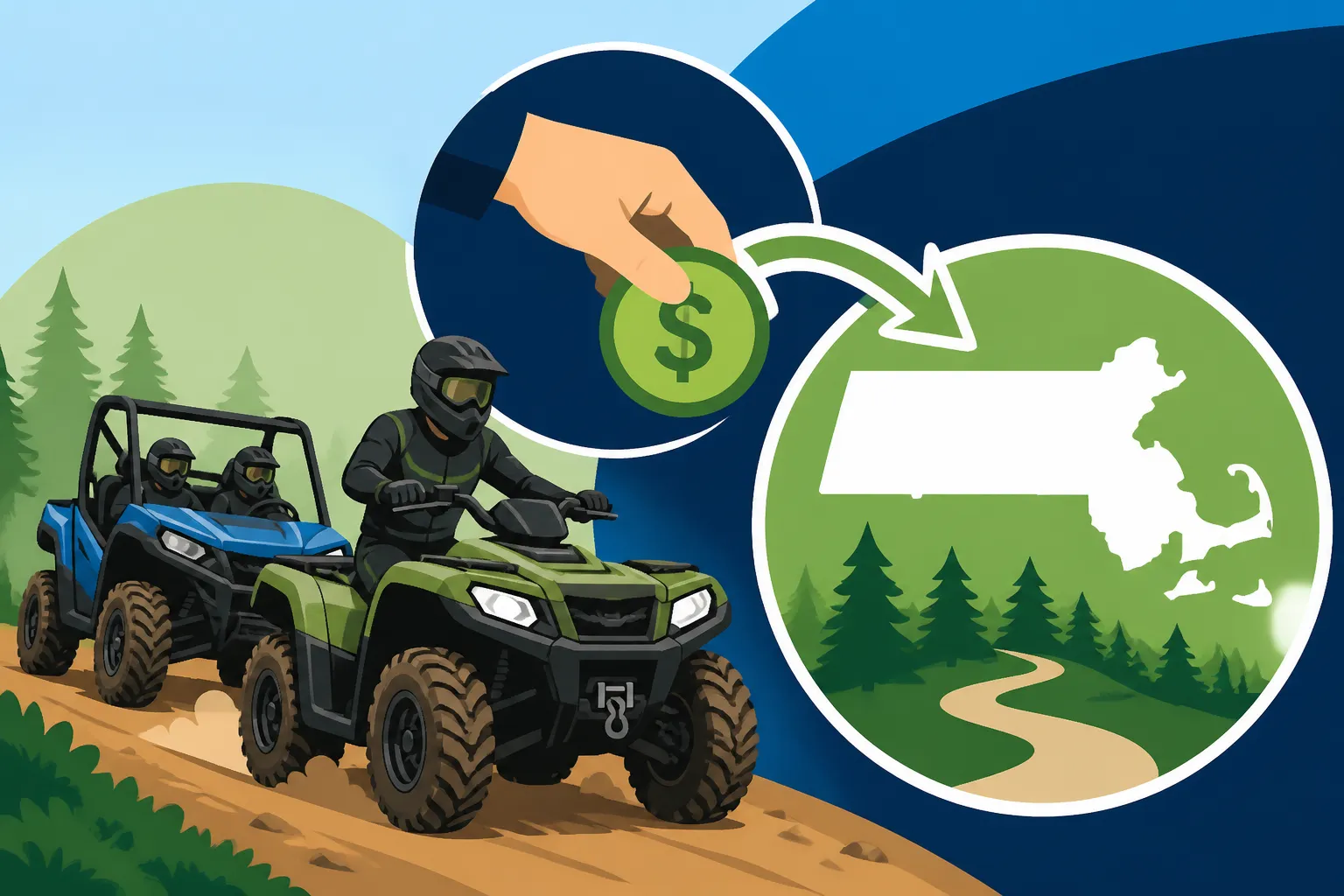
It's easy to look at the registration fees for your ATV or UTV in Massachusetts as just another expense, a line item on a budget that feels like money disappearing into a black hole. Many riders are frustrated by paying fees without a clear understanding of where that money goes or how it actually benefits them and their passion. The good news is that a significant portion of your registration payment is earmarked specifically for the Massachusetts Off-Highway Vehicle Trail Fund, a vital resource that directly supports the development, maintenance, and expansion of the very trails you ride. This comprehensive guide will shed light on the intricacies of this fund, explaining its purpose, how your contributions are utilized, and how it actively shapes the future of off-highway vehicle recreation across the Bay State.
What is the Massachusetts OHV Trail Fund?
For any rider hitting the trails in Massachusetts, understanding the Off-Highway Vehicle (OHV) Trail Fund is key to appreciating the value behind your registration sticker. This isn't just a generic state account; it's a dedicated fund designed with a very specific purpose: to support the sport you love. The fund acts as the financial backbone for much of the state's efforts to create and maintain a sustainable network of trails for ATVs, UTVs, and other off-highway vehicles, ensuring that there are places for you to ride legally and safely.
The Fund's Purpose and History
The Massachusetts OHV Trail Fund was established to ensure that off-highway vehicle recreation could thrive responsibly within the Commonwealth. Its primary purpose is to receive and manage funds generated primarily through OHV registration fees, but also from other sources like fines for violations. This money is then strategically invested back into the riding community. Think about it: without a dedicated funding mechanism, the resources for trail upkeep, land acquisition, and crucial safety programs would be scarce, leaving riders with fewer options and potentially less safe environments. The creation of this fund recognized the growing popularity of OHV riding and the need for a structured approach to manage its impact and ensure its future. It's a testament to the state's commitment to supporting this outdoor activity, even if sometimes it feels like navigating a maze of regulations to get your machine registered.
Historically, before such funds were formalized, trail maintenance and expansion often relied on sporadic government appropriations or volunteer efforts alone, which simply weren't enough to meet the demand. The fund represents a more stable and predictable revenue stream, allowing for long-term planning and investment that benefits all registered riders. It’s a mechanism to ensure that the impact of OHV use is mitigated, and that opportunities for responsible riding are enhanced, rather than diminished. This means that when you pay your [Massachusetts Two-Year OHV Registration], you're not just getting a sticker; you're investing in the future of the sport.
Who Manages the Fund?
The Massachusetts Department of Conservation and Recreation (DCR) plays a central role in managing the OHV Trail Fund. While the Massachusetts Environmental Police handle the actual registration process—you'll find yourself dealing with them rather than the RMV, which often surprises new riders because [Why the Environmental Police Register ATVs, Not the RMV]—it's the DCR that typically oversees the allocation and expenditure of the fund's resources. This division of labor ensures that the registration collection, enforcement, and direct management of the trails and funds are handled by agencies with specific expertise.
The DCR, with its mandate to manage state parks, forests, and other recreational lands, is uniquely positioned to identify areas needing trail development, maintenance, or land acquisition. They work closely with various stakeholders, including local OHV clubs, environmental groups, and communities, to prioritize projects that align with the fund's goals. This collaborative approach is critical; it ensures that decisions are not made in a vacuum but reflect the needs and input of the riding community and other land users. The DCR's oversight means that there's a governmental body directly accountable for how your registration dollars are put to use, striving for transparency and effectiveness in every project undertaken with fund monies.
What Constitutes an Off-Highway Vehicle (OHV) in Massachusetts?
Before we dive deeper into where the money goes, it's helpful to clarify what Massachusetts considers an "Off-Highway Vehicle" for the purposes of registration and the trail fund. The Commonwealth has specific definitions that determine whether your machine needs to be registered and, therefore, contributes to the fund. Generally, this includes ATVs (All-Terrain Vehicles), UTVs (Utility Terrain Vehicles or side-by-sides), and dirt bikes. Snowmobiles also fall under a similar registration and funding structure, though they often have their own specific trail networks and management considerations.
What sets these vehicles apart in the eyes of Massachusetts law is their intended use: off-road operation. Unlike passenger cars or motorcycles, OHVs are not designed or permitted for general use on public roads and highways, except for very specific, permitted crossings or in limited emergencies. This distinction is crucial because it's why a separate registration system exists and why a dedicated fund is necessary to support their unique recreational needs. If you're unsure whether your particular machine fits the definition, it's always best to consult the Environmental Police or the DCR's official guidelines to ensure you're in compliance. Getting it right from the start ensures your contributions make it to the right place and that you can enjoy the trails without worry.
Where Do Your Registration Fees Go?
It's natural to wonder, after shelling out your registration fee, exactly how that money is broken down and distributed. It's not just dumped into a general state fund. The fees you pay for your OHV registration are specifically directed to support the OHV Trail Fund, but understanding the percentage split can help clarify how critical your contribution truly is. This transparency is important for riders who want to see their money put to good use.
Breaking Down the Fee Distribution
When you register your ATV or UTV in Massachusetts, a significant portion of that fee directly feeds into the OHV Trail Fund. While specific percentages can fluctuate or be adjusted by legislation, the core principle remains: a substantial share of every dollar goes towards improving and expanding the state's trail system. For instance, when the state [Massachusetts Charges $44 for Residents] for a two-year sticker, a considerable portion of that amount is dedicated to the fund. This isn't just a small sliver; it's a foundational contribution to the fund's overall budget.
This direct allocation is designed to ensure that the costs of managing OHV recreation are primarily borne by the users who benefit from it. It's a user-pays, user-benefits model that is common in outdoor recreation funding across many states. This means that clubs undertaking maintenance, DCR planning new trail sections, or even educational programs for new riders are all potentially funded by the collective contributions of registered OHV owners. Without this dedicated revenue stream, these vital activities would struggle to receive consistent and adequate funding, potentially leading to fewer riding opportunities and a decline in trail quality.
Resident vs. Non-Resident Contributions
Massachusetts recognizes that both its residents and visitors contribute to the demand for OHV trails, and its fee structure reflects this. While residents typically pay for a two-year registration, non-residents purchase a one-year sticker. Crucially, the contributions from both resident and non-resident fees feed into the same OHV Trail Fund. This ensures that every rider, regardless of their home state, is helping to support the trails they use.
The Environmental Police aim to make the process straightforward for everyone, whether you're a long-time Bay Stater or just visiting for a riding weekend. For non-residents, the fee structure is designed to be equitable, acknowledging that while they enjoy the trails, they don't contribute to other state taxes that might indirectly support recreational infrastructure. The fact that all these fees pool into one fund simplifies management and ensures that resources can be allocated where they are most needed across the state's trail network. So, whether you're paying [Massachusetts Charges $33 for Visitors] or the resident rate, you're directly investing in the future of Massachusetts OHV riding.
Other Sources of Funding for Trails
While registration fees form the bedrock of the OHV Trail Fund, they aren't the sole source of its revenue. The fund can also receive money from other avenues, strengthening its ability to support comprehensive trail programs. One such source can be fines collected from violations of OHV laws and regulations. When an Environmental Police officer issues a citation for unregistered operation, illegal riding, or other infractions, a portion of that fine can sometimes be directed back into the fund, creating an incentive for compliance while also generating revenue for improvements.
Beyond fines, the DCR or affiliated organizations might also seek grants from federal programs, such as those administered by the Recreational Trails Program (RTP), which provides funding to states for developing and maintaining recreational trails. Donations from private individuals, corporations, or even proceeds from specific fundraising events organized by OHV clubs can also supplement the fund. This diversified funding approach helps to ensure the longevity and robustness of the OHV Trail Fund, allowing it to undertake more ambitious projects than registration fees alone might permit. It means that while your personal registration is vital, there's a broader ecosystem of support working to keep the trails open and enjoyable.
| Fee Type | Term | Portion to OHV Trail Fund | Examples of Use |
|---|---|---|---|
| Resident Registration | Two Years | Significant | Trail maintenance, signage, land acquisition, safety programs, DCR administration |
| Non-Resident Registration | One Year | Significant | Trail maintenance, signage, land acquisition, safety programs, DCR administration |
| Transfer Fees | N/A | Varies | Administrative costs, minor fund contributions |
| Duplicate Fees | N/A | Varies | Administrative costs, minor fund contributions |
| Violation Fines | N/A | Some portion | Enforcement, trail restoration, educational initiatives |
| Federal Grants (e.g., RTP) | Varies | Varies | Major trail projects, inter-state trail connections, infrastructure development (e.g., parking areas) |
| Private Donations | N/A | As contributed | Specific projects, club initiatives, unforeseen needs |
How the Trail Fund Supports Riders and Trails
The money flowing into the Massachusetts OHV Trail Fund doesn't just sit in an account; it's actively put to work, creating tangible benefits for every rider. Understanding these impacts can shift your perspective from simply paying a fee to truly investing in your passion. The fund's reach extends from the physical trails themselves to the safety and educational aspects that protect riders and the environment.
Trail Development and Maintenance
This is arguably the most direct and visible impact of the OHV Trail Fund. The fund is critical for financing the ongoing maintenance of existing trails, which, as any rider knows, is a continuous and demanding task. Trails are constantly subjected to wear and tear from machines, erosion from weather, and natural events like fallen trees. Without consistent funding, trails would quickly become impassable, unsafe, or even closed down. This maintenance includes things like clearing brush, repairing drainage systems to prevent erosion, rebuilding damaged sections, and updating signage. The Environmental Police and DCR depend on these funds to deploy crews, acquire necessary equipment, and purchase materials.
Beyond just maintaining what's already there, the fund also plays a crucial role in the development of new riding opportunities. This can involve scouting and planning new trail routes, obtaining necessary permits, and even constructing new trailheads or parking areas. For instance, the limited but cherished [Massachusetts ATV Trails: Three Berkshire Forests] benefit immensely from this funding for their upkeep and any potential expansion. These projects often require significant capital, and the consistent flow of money into the OHV Trail Fund makes such ambitious undertakings possible. It means more miles to explore and better facilities to support your riding adventures.
Safety and Education Programs
Riding an ATV or UTV carries inherent risks, and responsible recreation is paramount. The OHV Trail Fund isn't just about dirt and trees; it's also heavily invested in rider safety and education. A portion of the funds goes towards developing and implementing safety courses, particularly for younger or inexperienced riders. These courses cover critical topics like proper riding techniques, understanding state laws, trail etiquette, and environmental awareness. For example, understanding [Massachusetts Age and Engine Size Ladder] or the [Massachusetts Helmet Law for Every Rider] is crucial for all riders, and these programs help disseminate that vital information.
These educational initiatives are essential for reducing accidents and ensuring that all riders have the knowledge and skills to enjoy the trails safely. The fund might also support outreach efforts, print safety brochures, or help fund specialized training for DCR staff and Environmental Police officers who interact with the riding community. By fostering a culture of safety and responsibility, the fund helps protect riders, preserve the environment, and secure the long-term viability of OHV recreation in Massachusetts. It’s an investment in people as much as it is in trails.
Acquisition of New Riding Areas
One of the biggest challenges for OHV riders in a densely populated state like Massachusetts is finding adequate, legal places to ride. Private land access is often difficult and requires specific permission, as covered in topics like [Massachusetts Rules for Riding Private Land] and [Massachusetts Landowner Permission in Writing]. This is where the OHV Trail Fund truly shines in its potential. A significant, though often long-term, goal of the fund is to facilitate the acquisition of new land that can be designated for OHV use or to secure easements on existing land for trail development.
Imagine the excitement of a new state forest or a previously restricted area opening up for riding. These expansions are rarely cheap or simple. Land acquisition involves complex negotiations, legal processes, and substantial financial investment. The cumulative funds from registrations provide the capital necessary for the state to pursue these opportunities. While it might take years for a new parcel to become rideable, the consistent contributions from the fund are what make these long-term visions a reality, slowly but surely expanding the footprint of legal OHV recreation in the Commonwealth.
Transparency and Oversight of the Fund
For any system involving public funds, transparency and accountability are non-negotiable. Riders contribute their hard-earned money to the OHV Trail Fund, and they have every right to know how that money is managed and where it's being spent. Massachusetts has established mechanisms to ensure oversight and to involve stakeholders in the decision-making process, aiming to build trust within the riding community.
Annual Reporting and Public Access
The DCR, as the primary manager of the OHV Trail Fund, typically publishes annual reports or provides public access to information regarding the fund's income and expenditures. This documentation details how much revenue was collected from registration fees, fines, and other sources, as well as how those funds were allocated across various projects. This could include line items for trail maintenance, land acquisition, educational programs, and administrative costs.
Providing this information publicly is crucial for accountability. It allows riders, clubs, and interested citizens to review the financial health of the fund and to see tangible evidence of how their contributions are being used. While navigating state financial reports can sometimes feel like trying to find a specific stone in a vast riverbed, the intent is there to make the information available. This transparency helps to assure the riding community that the fund is being managed responsibly and in accordance with its stated goals of supporting OHV recreation.
Advisory Board and Stakeholder Input
Effective management of a fund like the OHV Trail Fund often benefits from direct input from the community it serves. To facilitate this, the DCR or a similar state agency might establish an advisory board or committee composed of various stakeholders. These stakeholders often include representatives from active Massachusetts OHV clubs, environmental organizations, local land managers, and other interested parties.
The role of such a board is to provide advice and recommendations to the DCR on funding priorities, specific project proposals, and long-term strategic planning for OHV recreation. This direct line of communication ensures that the voice of the riding community is heard at a high level. For example, a club might propose a specific trail renovation project, or an environmental group might suggest best practices for minimizing ecological impact. This collaborative approach helps ensure that the fund's expenditures are not only financially sound but also align with the practical needs and values of the people who ride the trails and the communities they pass through. It's a way for riders to actively shape the future of their sport beyond just paying their fees.
Challenges and Future Planning
Managing a dedicated fund like the OHV Trail Fund is not without its challenges. Economic fluctuations can impact the number of registrations, thus affecting revenue. Environmental factors, like severe weather events, can cause extensive trail damage, leading to unexpected and costly repairs. Land acquisition is always competitive and expensive, especially in Massachusetts. These factors mean that careful planning and strategic decision-making are constantly required to ensure the fund remains robust and effective.
Future planning involves looking at trends in OHV participation, identifying potential new riding areas, and anticipating challenges related to land use, environmental protection, and community relations. The DCR, in conjunction with advisory groups, works on long-range plans to ensure that the fund can meet both immediate needs and future aspirations. This might involve exploring new funding sources, optimizing existing programs, or adapting to changing recreational demands. The goal is always to provide a sustainable and expanding network of trails for Massachusetts OHV enthusiasts, ensuring that the legacy of responsible riding continues for generations to come.
How Riders Can Get Involved
Beyond simply paying your registration fees, there are numerous ways that riders can actively contribute to the health and growth of the Massachusetts OHV trail system. Your involvement, whether through volunteering, advocacy, or community participation, amplifies the impact of the OHV Trail Fund and helps ensure a vibrant future for the sport.
Joining Local ATV/UTV Clubs
One of the most effective ways for riders to get involved is by joining a local ATV or UTV club. These clubs are the backbone of the riding community, often working directly with the DCR and other landowners to maintain trails, organize events, and advocate for rider interests. Clubs often have a deep understanding of local trails, land access issues, and the specific needs of their riding areas. Many clubs partner with state agencies on projects funded by the OHV Trail Fund, providing invaluable volunteer labor and local expertise.
Being part of a club offers more than just camaraderie; it gives you a collective voice. When clubs speak to legislators or land managers, they carry more weight than individual riders. They can help identify areas needing maintenance, propose new trail sections, and even assist with legal agreements for trail access. For club operations, tools like LawDepot can be incredibly useful for drafting essential documents such as club bylaws, liability waivers for organized rides, or even agreements for temporary trail access with private landowners. This formal documentation ensures smooth operations and protects both the club and its members. These clubs are often on the front lines of making sure the money from the trail fund is effectively spent on the ground.
Volunteering for Trail Work
If you're looking for a hands-on way to give back, volunteering for trail work is an incredibly rewarding experience. Many OHV clubs and the DCR regularly organize trail maintenance days, where volunteers help clear brush, repair washouts, install signage, and generally keep the trails in top condition. This work is absolutely essential; it ensures that the trails remain safe, accessible, and enjoyable for everyone. It also helps stretch the dollars from the OHV Trail Fund further, as volunteer labor reduces the need for paid contractors.
Imagine spending a Saturday with fellow riders, not just riding, but actively shaping the trails you love. You'll gain a deeper appreciation for the effort that goes into maintaining these recreational assets, and you'll see firsthand how your registration fees, combined with volunteer efforts, translate into better riding experiences. These volunteer days are not just about physical labor; they build community, foster a sense of ownership, and demonstrate to land managers the dedication and responsibility of the OHV community. Plus, who doesn't love the satisfaction of seeing a section of trail you personally helped improve?
Advocating for OHV Access
Beyond physical labor, advocating for OHV access is another critical way to support the future of riding in Massachusetts. This can take many forms, from simply staying informed about proposed land use changes to contacting your local representatives or participating in public meetings about trail planning. The continuous discussion around issues like [Massachusetts Machines Used Only on Private Land] versus public access highlights the ongoing need for rider voices to be heard.
Active advocacy involves educating non-riders about the benefits of OHV recreation, emphasizing responsible riding practices, and countering misinformation. It means standing up for your right to ride and working constructively with land managers and other user groups to find common ground. Sometimes, advocacy might involve formal processes, like submitting comments on environmental impact statements or helping a local club draft official requests. Organizations sometimes use platforms like LawDepot to create formal petitions or letters of support for trail initiatives, giving their advocacy efforts a professional legal backing. Your voice, combined with the collective voice of the riding community, is incredibly powerful in ensuring that decision-makers understand the value and importance of the OHV Trail Fund and the recreational opportunities it provides.
Disclaimer
This article is for general informational purposes only and does not constitute professional advice. Laws, prices and regulations vary by location and change over time. Consult a qualified professional for guidance on your specific situation.