How OHV Sticker Money Buys New Riding Land
It's a familiar frustration for many off-highway vehicle (OHV) enthusiasts across Massachusetts: finding enough legal and accessible land to ride. We all cherish those moments tearing through a forest, exploring new trails, or simply enjoying the outdoors on our ATVs and UTVs. But maintaining and expanding these opportunities isn't free, and sometimes it feels like the available land is shrinking, not growing. This guide is here to shed light on a crucial, often overlooked aspect of your riding experience: how the money from your OHV registration sticker directly contributes to acquiring new riding land and ensuring the future of our beloved sport in the Bay State.
Understanding Your Massachusetts OHV Registration Fee
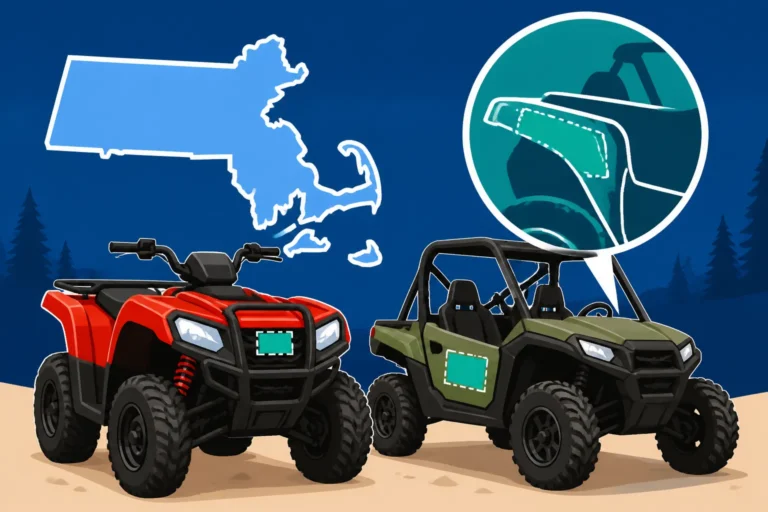
When you register your ATV or UTV in Massachusetts, you're not just getting a sticker and a card; you're investing in the very trails you ride and the future availability of new ones. It’s easy to look at that fee and just see a mandatory cost, another line item in the budget for your machine. But what many riders don't realize is that a significant portion of that money is earmarked specifically for improving and expanding the OHV trail system throughout the Commonwealth. This isn't just about administrative overhead; it's a direct contribution to the growth of our sport.
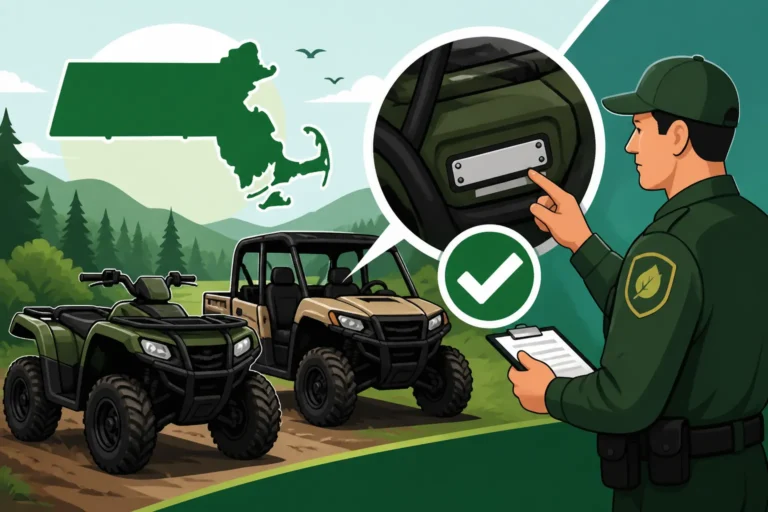
The Massachusetts Environmental Police, who handle all OHV registrations, collect these fees. For residents, the fee covers a two-year registration period, and for non-residents, it's typically for one year. [Massachusetts Charges $44 for Residents] covers your machine for two years, offering a bit of a longer term, which is nice for budgeting. On the other hand, [Massachusetts Charges $33 for Visitors] means those coming from out of state get a one-year sticker. This difference in term length highlights that residents are making a longer-term commitment to the state's trail infrastructure.
The fees are structured to cover various aspects of OHV management, from the administrative costs of processing thousands of registrations each year to enforcement efforts that keep trails safe and legal. However, a substantial part of every dollar collected goes directly into a dedicated fund. This fund is the lifeblood of trail development and acquisition, making it possible for the state to identify, purchase, and develop new areas for us to ride. Without this mechanism, the prospect of new trails would be far dimmer, relying solely on sporadic grants or general state funds that might not prioritize OHV recreation.
| Residency Type | Registration Term | Current Fee | Portion to OHV Trail Fund |
|---|---|---|---|
| Resident | Two Years | Check state for current fees | Substantial Percentage |
| Non-Resident | One Year | Check state for current fees | Substantial Percentage |
Note: Specific fee amounts and percentages are subject to change. Always check the official Massachusetts Environmental Police website for the most current figures.
The OHV Trail Fund: More Than Just a Number
The OHV Trail Fund isn't some abstract government account; it's a critical resource specifically designed to benefit the OHV community. This fund is where your registration dollars truly make a difference beyond just putting a sticker on your machine. When you see the breakdown of what your registration fee supports, you begin to understand the real impact. A certain percentage of every single OHV registration fee, whether you're a resident or a non-resident, is channeled directly into this fund. [Massachusetts Registration Fees Fund Trails] are designed to ensure that a sustainable revenue stream exists for the ongoing development and maintenance of riding areas.
Think of it this way: every time you register your ATV or UTV, you're essentially buying a share in the future of Massachusetts OHV recreation. This fund is legally mandated to support off-highway vehicle activities, which includes everything from maintaining existing trails to, crucially, acquiring new land. It's not just about patching potholes on a trail; it's about making sure there are more trails in the first place. This dedicated funding mechanism prevents OHV needs from being overlooked or competing directly with other, often larger, recreational interests for general state budget allocations. It gives our community a dedicated voice and a dedicated resource.
The primary goals of the fund are multifaceted: land acquisition, which means buying up parcels of land to create new trails or expand existing ones; trail maintenance, ensuring that current trails are safe, well-marked, and sustainable; and even safety programs that educate riders and promote responsible use. Without this fund, the volunteer efforts of dedicated clubs and individuals, while invaluable, would simply not be enough to sustain and grow the network of trails we enjoy. It provides the financial backbone for large-scale projects that individual clubs might struggle to fund on their own.
How Funds Are Allocated and Prioritized
So, how does this money actually get spent? It's not a free-for-all. There’s a structured process, often involving state agencies like the Department of Conservation and Recreation (DCR) and input from advisory committees that include OHV enthusiasts. These groups work together to identify the most pressing needs and promising opportunities. For instance, a common use for the funds is purchasing strategic land parcels that can connect disparate trail networks, creating longer, more engaging rides. Imagine being able to link two state forests that were previously separated by private land, opening up miles of new terrain. This kind of expansion is precisely what the fund aims to achieve.
Another significant priority is the ongoing maintenance of existing trails. Our trails endure a lot of wear and tear from weather, erosion, and consistent use. The fund helps pay for things like gravel for muddy sections, lumber for bridges and culverts, and heavy equipment to clear fallen trees or grade rough sections. These aren't glamorous expenses, but they are absolutely vital for keeping trails rideable and safe. Furthermore, the fund supports initiatives like installing clear signage, which is crucial for rider safety and for minimizing trespassing onto private property. [Where 25 Percent of Your OHV Registration Fee Goes] is directly into this operational and expansion pot, demonstrating the state's commitment.
Sometimes, the fund might also be used to acquire easements or long-term leases on private land, rather than outright purchases. This can be a more cost-effective way to open up new trail access, especially in areas where full land acquisition is either too expensive or simply not feasible. The process often involves working with landowners, sometimes facilitated by legal documents prepared with tools like those found on LawDepot, to establish clear agreements regarding access and liability. These agreements are essential for protecting both the landowner and the riders, ensuring sustainable access for years to come.
The Impact on Riders and the Environment
The impact of the OHV Trail Fund is profound, touching both the riding community and the broader environment. For riders, the most obvious benefit is more places to ride. When new land is acquired or existing trails are significantly improved, it translates directly into better, safer, and more diverse riding experiences. This can mean new challenging climbs, scenic overlooks, or simply longer loops that prevent trails from feeling overused. Increased access helps reduce pressure on existing trails, promoting a more spread-out and enjoyable experience for everyone.
Beyond just the quantity of trails, the fund also contributes to the quality. Well-maintained trails are safer, reducing the risk of accidents caused by poor conditions. They also provide a better aesthetic experience, making your time in nature more enjoyable. Furthermore, the fund supports environmental sustainability initiatives. This includes funding for erosion control measures, trail reroutes to protect sensitive habitats, and educational programs that teach riders about minimizing their environmental footprint. The goal isn't just to ride; it's to ride responsibly and preserve these natural spaces for future generations.
From an environmental perspective, the fund helps ensure that OHV recreation is managed in an ecologically sound manner. When new lands are considered for acquisition, environmental impact assessments are often part of the process. This ensures that new trails are developed in areas that can sustain OHV use without causing undue harm to local ecosystems. It’s about balance: providing exciting recreational opportunities while acting as good stewards of the land.
Expanding Riding Opportunities Through Land Acquisition
The core mission of a significant portion of your registration fee is to expand the footprint of legal OHV riding in Massachusetts. This means actively seeking out and acquiring new land. It's not enough to just maintain what we have; to truly grow the sport and meet the demand of a passionate riding community, we need more ground. This process of land acquisition is complex, involving multiple steps and considerable planning, but it's where our sticker money truly shines in creating lasting benefits.
The first step in acquiring new land often involves identifying suitable parcels. This isn't just about finding empty acreage; it requires evaluating land for its topographical features, its potential to connect with existing trail systems, its environmental sensitivity, and its accessibility for trailheads and parking. State agencies, often in conjunction with local OHV clubs, will scout potential areas, looking for properties that offer good riding terrain and minimize conflicts with other land uses or residential areas. This initial scouting phase is critical, as a poor choice of land can lead to future problems.
Once a suitable parcel is identified, the next phase involves negotiation and purchase. This can be a lengthy process, as land transactions always are, but the OHV Trail Fund provides the financial means to make these purchases possible. Without this dedicated funding, the state would be hard-pressed to compete in the real estate market for desirable parcels. The fund allows for proactive land acquisition, rather than waiting for opportunities that might never materialize through other funding sources. The ultimate goal is to create permanent public access for OHV recreation, securing the future of riding areas for all of us.
Case Studies and Examples of Land Acquisitions
While specific recent acquisitions might not be widely publicized due to ongoing negotiations or property sensitivities, we can look at hypothetical scenarios or general types of acquisitions that have historically benefited the OHV community. Imagine a large, forested parcel that borders an existing state forest where OHVs are already permitted. Acquiring this adjacent land could mean adding dozens of miles of new trails, creating loops that weren't possible before, or even establishing an entirely new trailhead with improved parking and facilities. This kind of expansion directly leverages existing infrastructure and provides immediate, tangible benefits to riders.
Another common scenario involves acquiring smaller, strategic parcels that bridge gaps between fragmented public lands. For example, if two sections of a state forest are separated by a narrow strip of private land, purchasing that strip could open up a crucial connector trail. This not only increases the mileage but also improves the overall flow and navigability of the trail system. These strategic acquisitions can dramatically enhance the riding experience, turning isolated pockets of trails into a cohesive, expansive network. [Massachusetts ATV Trails: Three Berkshire Forests] are prime examples of extensive riding areas that can always benefit from strategic additions.
However, land acquisition isn't without its challenges. Rising land prices, particularly in scenic areas, can make purchasing large parcels difficult. There can also be community resistance or environmental concerns that need to be addressed. This is where careful planning, public outreach, and sometimes, the assistance of legal professionals familiar with land use and property rights (perhaps utilizing resources like LawDepot for drafting agreements or easements) become absolutely vital. The state must navigate these complexities to ensure that new acquisitions are not only suitable for OHV use but also beneficial to the broader community and ecosystem.
How Riders Can Support Land Acquisition Efforts
While your registration fee is the primary financial engine for land acquisition, there's more that individual riders and clubs can do to support these efforts. One of the most impactful ways is through active participation in local OHV clubs. These clubs often work directly with state agencies, identifying potential land parcels, advocating for their acquisition, and even assisting with negotiations. Their local knowledge and grassroots support can be invaluable in moving acquisition projects forward. [Massachusetts Trail Planning and Closures] often involve input from these very clubs.
Beyond financial contributions through registration, volunteering your time is incredibly powerful. Trail maintenance work, such as clearing brush, repairing erosion, or building bridges, helps preserve the value of existing lands and makes new acquisitions more appealing to managers. When state agencies see an active, engaged OHV community that cares for its trails, they are more likely to prioritize funding and resources for expansion. Showing responsible use and good stewardship reinforces the argument for more riding opportunities.
Finally, advocacy plays a crucial role. Attending public meetings, writing to your local representatives, and simply spreading awareness about the positive economic and recreational impact of OHV riding can influence decision-makers. When legislators and land managers hear directly from passionate, responsible riders, it helps them understand the importance of allocating resources to the OHV Trail Fund. It’s about being a vocal, positive force for the sport, ensuring that our collective desire for more riding land is heard loud and clear. [Massachusetts Trail Master Plan Pilot] programs are excellent opportunities for riders to provide direct input and influence future development.
Transparency and Accountability of Your Fee
It’s natural to wonder how your hard-earned money is being managed, especially when it goes into a state fund. Rest assured, the Massachusetts OHV Trail Fund operates with a level of transparency and accountability designed to ensure your registration fees are used effectively and as intended. This isn't a black hole where money disappears; there are mechanisms in place to track expenditures and report on progress. Understanding these mechanisms can give you confidence that your contributions are indeed making a tangible difference.
State agencies involved in managing the fund are typically required to report on its activities. This includes detailing how much money was collected, how it was spent on land acquisition, trail maintenance, and other programs, and what specific projects were completed. This reporting ensures that the fund stays true to its mission of supporting OHV recreation. Without such oversight, there would be no guarantee that the money was actually benefiting the riding community. This accountability is a cornerstone of public trust and essential for the continued success of the fund.
Furthermore, advisory committees, often comprising representatives from OHV clubs and environmental groups, provide an additional layer of oversight and guidance. These committees ensure that the needs and concerns of the riding community are considered in funding decisions. Their role is to review proposals, offer recommendations, and hold the managing agencies accountable for how the funds are disbursed. This collaborative approach means that your registration money is not just managed by bureaucrats but also influenced by people who understand the sport and its needs firsthand.
Where to Find Information About the Fund's Use
For curious riders who want to dig deeper, information about the OHV Trail Fund's activities and expenditures is usually available through official state channels. The Massachusetts Environmental Police (MEP) or the Department of Conservation and Recreation (DCR) websites are often the best starting points. These sites typically host annual reports, financial summaries, or dedicated sections detailing the use of specific recreational funds. Looking through these documents can provide a clear picture of how your registration dollars are being put to work.
If you can't find specific details online, don't hesitate to reach out directly to the relevant state agencies. The Environmental Police, for instance, are the primary point of contact for registration matters and can often direct you to the right department or publication. [Who to Call About a Massachusetts OHV Registration] is always a good resource for these kinds of inquiries. Their staff are there to help the public understand the processes and impacts of OHV regulations and funding. Remember, transparency is a key part of public administration, and agencies are generally willing to share information with taxpayers about how their money is being used.
Attending public meetings or workshops related to trail planning and recreation can also be an excellent way to get direct updates and ask questions. These forums provide opportunities to hear firsthand about proposed projects, land acquisition efforts, and budget allocations. It's a chance to engage with state officials and other riders, share your perspectives, and learn more about the future of OHV riding in Massachusetts. Your active participation reinforces the need for continued transparency and ensures that rider interests remain at the forefront of funding decisions.
The Role of Advocacy and Rider Involvement
The success and growth of the OHV Trail Fund, and by extension, the expansion of riding land, relies heavily on the ongoing advocacy and involvement of the riding community. It's not enough for the money to be collected; there needs to be a consistent voice pushing for its effective and strategic use. OHV clubs, such as those associated with the Berkshire Trails Council, are critical in this regard. They actively monitor how funds are being spent, propose new projects, and advocate for land acquisitions that truly benefit riders.
These organized groups often have established relationships with state officials, allowing them to present compelling cases for specific land purchases or trail development projects. They can highlight areas where new access is desperately needed or where strategic acquisitions could prevent future trail closures. By presenting well-researched proposals and demonstrating strong community support, advocacy groups can significantly influence how the OHV Trail Fund's resources are prioritized and allocated. Their collective voice carries much more weight than individual pleas.
Ultimately, every rider who registers their machine in Massachusetts is a stakeholder in this fund. By supporting advocacy groups, volunteering, staying informed, and riding responsibly, we all contribute to a stronger, more sustainable future for OHV recreation in the state. Our registration fees are not just a payment; they are an investment, and by engaging with the process, we help ensure that investment yields the best possible return in the form of new, exciting, and accessible riding lands.
Disclaimer
This article is for general informational purposes only and does not constitute professional advice. Laws, prices and regulations vary by location and change over time. Consult a qualified professional for guidance on your specific situation.