Can a Quad Be Registered in a Child’s Name?
It’s a scenario many parents across Massachusetts face: your child has fallen in love with ATVs or UTVs, you’ve decided to get them one, and now you’re wondering about the nitty-gritty of legalities. Specifically, you might be asking, "Can a quad actually be registered in my child's name?" The short answer, which can be a real head-scratcher for new off-road families, is generally no, not directly. This guide will walk you through why that's the case, how you can legally get an ATV registered for your young rider, and crucial considerations for keeping everyone safe and legal on the trails.
Understanding Legal Age for Vehicle Ownership in Massachusetts
The idea of ownership, especially when it comes to something as significant as a motor vehicle, carries a lot of legal weight. When we talk about minors owning property, especially property that can be ridden on trails or public ways, there are specific rules and implications that come into play. It’s not just about who rides the machine, but who is legally responsible for it.
Why Minors Cannot Hold Vehicle Titles Directly
In Massachusetts, and indeed in most states, a minor—anyone under the age of 18—is generally not considered legally competent to enter into contracts. This fundamental legal principle has widespread implications, including for vehicle ownership. When you buy a vehicle, new or used, you're essentially entering into a contract: a purchase agreement, financing agreement, and often, an insurance contract. Minors lack the legal capacity to be bound by these agreements in the same way an adult would be.
Think about it from a seller's perspective: if a minor buys an ATV and later decides they don't want it, they might have the legal right to void the contract, leaving the seller in a difficult position. This is why dealerships and private sellers typically require an adult to be the primary party on any sale of a vehicle. For registration purposes, the state needs a legally recognized owner who can be held accountable for the machine's use, maintenance, and any liabilities that might arise. This isn't unique to ATVs; it applies to cars, motorcycles, and most other registered vehicles too. It's a protection for both the minor and other parties involved.
The Role of a Parent or Guardian in Ownership
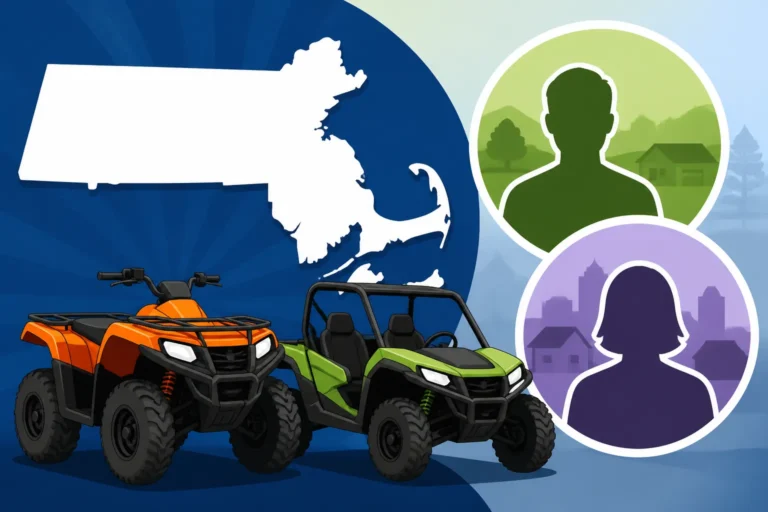
Given that a minor cannot directly own or register an ATV, the path forward involves an adult—typically a parent or legal guardian—taking on the role of the registered owner. This means that while the ATV might be intended exclusively for your child, and they might even have picked it out themselves, your name (or another responsible adult's name) will appear on all the official paperwork.
When an adult registers an ATV for a minor, they are essentially taking legal responsibility for that machine. This includes ensuring it is properly maintained, safely operated, and that all state laws regarding its use are followed. It's a significant commitment that goes beyond just signing a piece of paper. This adult oversight ensures that a legally responsible party is always identifiable, which is crucial for enforcement, liability, and safety. You, as the parent or guardian, become the legal proxy, managing the ownership aspects until your child comes of age and can potentially take over the registration themselves.
Registering an ATV for a Minor in Massachusetts: Practical Steps
So, while your child can't be the legal owner, you absolutely can get an ATV registered for their use. It just means the registration process will follow the standard procedure, with you, the adult, as the official registrant. This is where many parents find themselves navigating the specifics of Bay State law to ensure their child can legally hit the trails.
Who Appears on the Registration Card
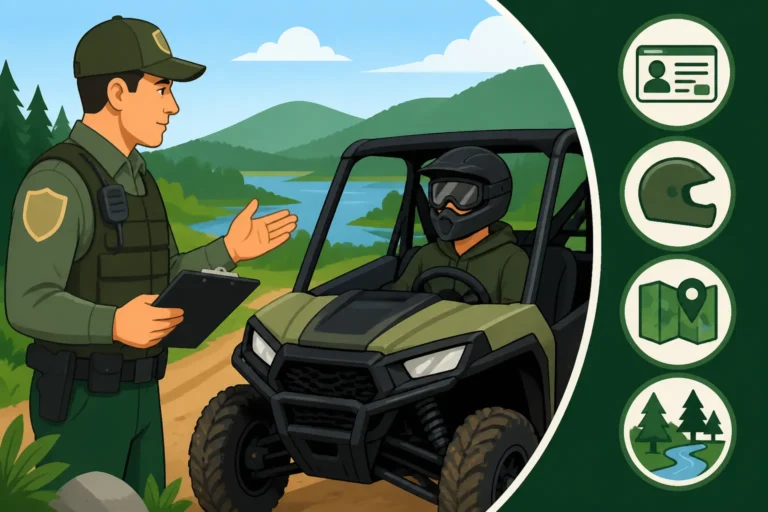
When you register an ATV or UTV in Massachusetts that's intended for a minor, your name, as the parent or legal guardian, will be listed as the registrant on the official registration card. The Massachusetts Environmental Police, who handle OHV registrations, will issue the card with your details. This means that for all intents and purposes, the state recognizes you as the legal owner and the responsible party for that machine. Even if it's "Johnny's quad" to the family, the state's paperwork will show "Jane Smith" as the owner.
It's vital that this [Massachusetts Registration Cards Carried on Board] is always with the machine or the operator when it's being ridden. This applies whether it's you or your child riding. If two parents are sharing ownership, it's possible for [Massachusetts Registration With Two Owners] to be listed, provided both parties sign the necessary forms and meet the requirements. In these cases, both adults would share the legal responsibilities associated with the machine. This setup clarifies to authorities exactly who is accountable for the vehicle.
Necessary Paperwork and Proof of Ownership
Getting that registration card in your name involves gathering the right documents. This process is the same whether the ATV is for a child or an adult, as the legal owner is still an adult.
First, if you're purchasing a brand-new machine from a dealer, you'll need the Manufacturer's Certificate of Origin (MCO). This document is essentially the "birth certificate" for the ATV and is crucial for its first registration. You can learn more about this by checking out [Why a New Quad Needs a Certificate of Origin]. The dealer should provide this to you at the time of purchase.
If you're buying a used ATV from a private seller, you'll need a comprehensive bill of sale. This isn't just a scribble on a napkin; the Massachusetts Environmental Police have specific requirements for what this document must contain. It needs to clearly show the buyer (you), the seller, the date of sale, the purchase price, and a detailed description of the ATV, including its Vehicle Identification Number (VIN). To understand the specific details needed, refer to [What a Bill of Sale Must Show to Register]. If you're creating a bill of sale, or need a solid template to ensure all legal bases are covered, resources like LawDepot can be incredibly helpful for generating legally sound documents that meet these requirements. Having a well-prepared bill of sale prevents headaches down the line.
Speaking of the VIN, [Massachusetts Requires a VIN on the Application] for registration, so make sure you locate it on the machine and confirm it matches your paperwork. Finally, you'll also need to consider sales tax. Unless specifically exempt (such as for a gift on [Massachusetts Exemption Form ST-6E]), you'll owe 6.25% Massachusetts sales tax on the purchase price. Information on this can be found in resources like [Massachusetts Sales Tax Forms at Registration]. All of these documents together prove that you are the rightful owner, allowing the state to issue your registration.
Here's a quick overview of key documents and who needs to be listed:
| Document Type | Required for Registration | Who is Listed as Buyer/Owner | Key Information Needed |
|---|---|---|---|
| Manufacturer's Cert. of Origin | New ATVs/UTVs | Parent/Guardian | VIN, Make, Model, Year, MSRP |
| Bill of Sale | Used ATVs/UTVs | Parent/Guardian | Buyer/Seller names, date, price, VIN, vehicle description |
| Registration Application | All ATVs/UTVs | Parent/Guardian | VIN, Owner info, machine details |
| Sales Tax Form (ST-6) | Most purchases | Parent/Guardian | Purchase price, tax calculation |
Important Considerations Beyond Registration for Youth Riders
Registering an ATV in your name for your child is a crucial first step, but the journey doesn't end there. Massachusetts has some of the strictest laws in the country regarding youth ATV riders, and understanding these is paramount for ensuring safety and avoiding costly penalties. It’s not just about getting the sticker; it’s about responsible riding.
Age and Engine Size Restrictions
Massachusetts takes youth ATV safety incredibly seriously, and for good reason. The state has specific regulations that dictate not just who can ride, but what they can ride, and where. For instance, [Massachusetts ATV Age Requirements] are among the strictest. Riders under the age of 14 are strictly prohibited from operating ATVs, even on private land, unless it's within the confines of a sanctioned, organized event. This is a critical rule to remember, as violating it can lead to significant fines and penalties for the supervising adult. To learn more about this, you can check out [Massachusetts Bans Riders Under 14].
Once a child reaches the age of 14, they enter a new tier of regulations. For riders aged 14 to 16, there are strict [Massachusetts Engine Size Limits by Age]. They are generally restricted to operating ATVs with an engine displacement of 90cc or less. This limitation is in place to match the machine's power and weight to the rider's developing physical capabilities and judgment. Additionally, riders under 18 years old who wish to operate an ATV on public land (like state forests that allow OHV access) are required to obtain a [Massachusetts Safety Certificates Under 18]. This involves completing an approved safety course, which includes both classroom instruction and a hands-on skills test. Failing to carry this certificate while riding on public land can result in a citation. These rules are designed to gradually introduce young riders to the sport in a controlled and safe manner, minimizing risks.
Liability and Insurance for an Adult Owner
As the registered adult owner of an ATV intended for a minor, you automatically assume significant liability. This means that if your child is involved in an accident, whether they are at fault or not, your assets could be at risk. This is a sobering but essential reality for any parent providing an ATV for a minor. Even if you've done everything right with safety gear and supervision, accidents can happen.
While Massachusetts does not legally mandate ATV insurance, it is highly, highly recommended for any ATV owner, especially one whose machine will be operated by a minor. You can look into options for [Massachusetts ATV Insurance Is Optional], but remember, "optional" doesn't mean "unnecessary." An insurance policy can provide crucial financial protection against property damage, medical expenses, and legal fees should an incident occur. Liability coverage is particularly important. Furthermore, the state has clear guidelines on [Massachusetts Parent Liability for a Young Rider]. If your child violates any of the state's ATV laws, you, as the supervising adult and owner, can be held financially and legally responsible. This underscores the importance of not only having insurance but also actively supervising your child. You should familiarize yourself with what it means to be a [Massachusetts Supervising Adult Defined] to ensure you meet the legal requirements for oversight.
Future Transfer of Ownership
Looking ahead, there might come a time when your child reaches the age of 18 and you wish to formally transfer the ATV registration into their name. This is a straightforward process, much like any other vehicle transfer. Once your child is a legal adult, they can then become the direct registered owner.
To do this, you would essentially perform a transfer of ownership, similar to a private sale between two adults. You would sign over the existing registration, and your now-adult child would then re-register the machine in their own name with the Massachusetts Environmental Police. Be aware that there will likely be a [Massachusetts Transfer Fee of $16.50] associated with this process, and your child would need to complete the necessary paperwork, including providing proof of their identity and residency. This formal transfer ensures that they are fully recognized as the owner, and all legal responsibilities shift from you to them at that point.
Disclaimer
This article is for general informational purposes only and does not constitute professional advice. Laws, prices and regulations vary by location and change over time. Consult a qualified professional for guidance on your specific situation.