What Happens to Your Insurance After a Collision
Experiencing a collision with your ATV or UTV in Massachusetts can be an incredibly stressful and confusing ordeal, especially when you're trying to figure out what happens next with your insurance. Unlike road vehicles, off-highway vehicles (OHVs) operate under a different set of rules when it comes to coverage, and knowing the steps to take and what your options are can make a world of difference in the aftermath. This guide will walk you through the entire process, from the immediate steps after an incident to navigating claims and understanding the long-term implications for your finances and your machine.
Understanding Massachusetts's Stance on OHV Insurance
It's easy to assume that if you own any kind of motorized vehicle, insurance is a mandatory requirement. However, when it comes to ATVs and UTVs in the Bay State, the landscape is a bit different, and this often catches riders by surprise when an accident occurs.
Is OHV Insurance Mandatory in Massachusetts?
Here's the crucial detail: Massachusetts law does not mandate liability insurance for ATVs and UTVs solely for registration purposes. You can register your off-highway vehicle with the Massachusetts Environmental Police without providing proof of insurance, which is a stark contrast to how cars, trucks, and motorcycles are handled by the Registry of Motor Vehicles. This legal loophole often leads riders to forgo insurance entirely, thinking they're fully compliant with the law and saving money.
However, just because it's not legally required doesn't mean it's not a good idea. Many experienced riders will tell you that skipping insurance for an OHV is a gamble that rarely pays off in the long run. The absence of mandatory insurance means that if you're involved in a collision and deemed at fault, any damages to property or injuries to other individuals fall directly on your shoulders. This personal liability can be financially devastating, turning a fun day out on the trails into a nightmare of medical bills and repair costs. So while the state may not force your hand, common sense and financial prudence often strongly suggest considering coverage.
The Different Types of Optional OHV Coverage
Even though it's optional, there are several types of insurance coverage available for your ATV or UTV, mirroring many of the options you’d find for your car. Understanding these can help you build a policy that truly protects you and your machine, especially given the inherent risks of off-road riding.
First, there's Liability Coverage. This is arguably the most important, even if not legally required. It protects you financially if you're at fault in an accident that causes bodily injury to another person or damage to someone else's property. Imagine accidentally striking another rider on a busy trail or veering off-course and damaging a landowner's fence. Without liability coverage, you'd be personally responsible for all those costs. This type of coverage is crucial for peace of mind, allowing you to ride knowing that an unfortunate mishap won't drain your savings.
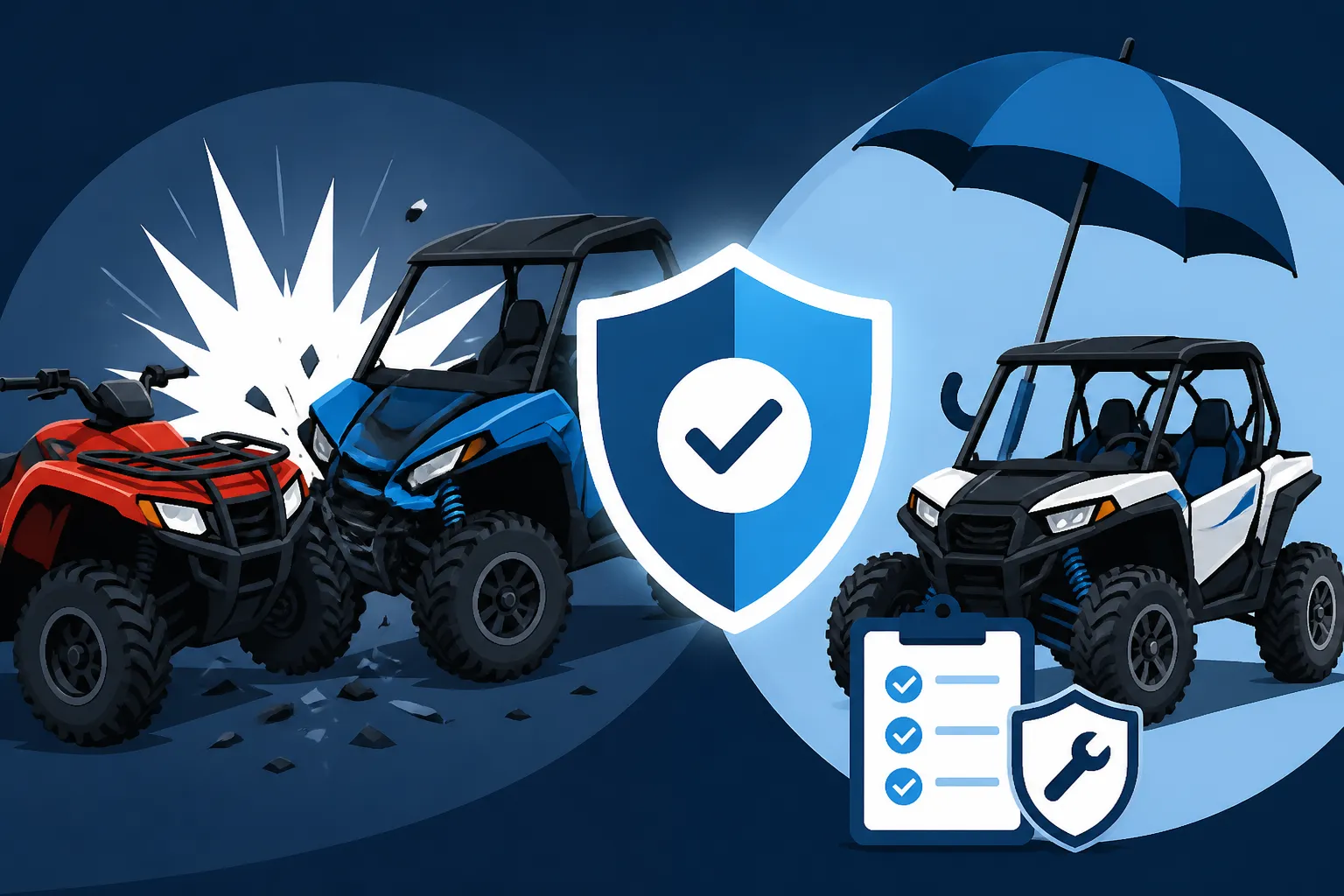
Next up is Collision Coverage. This specifically pays for damages to your own ATV or UTV if it's involved in a collision with another vehicle or object, regardless of who is at fault. Whether you hit a tree, roll your machine on a tricky descent, or collide with another rider, collision coverage helps cover the repair or replacement costs for your quad. Given the rough and tumble nature of off-road riding, damage to your machine is a very real possibility, and having this coverage can prevent a significant out-of-pocket expense. After all, parts from reputable brands like SuperATV can add up quickly.
Then there's Comprehensive Coverage. This protects your machine from non-collision events, such as theft, vandalism, fire, or damage from natural disasters like floods or fallen trees. If your ATV is stolen from your garage or vandalized while parked at a trailhead, comprehensive coverage would step in. This is especially valuable for newer, more expensive machines or those kept in areas prone to theft. You certainly don't want to find yourself without a machine and no way to replace it, especially if you've invested heavily in aftermarket upgrades.
Finally, Uninsured/Underinsured Motorist Coverage is another smart option. While Massachusetts doesn't require OHV liability insurance, not everyone makes the responsible choice to get it. This coverage protects you if you're involved in an accident with another OHV operator who either doesn't have insurance or doesn't have enough insurance to cover your damages and injuries. It essentially acts as a safety net, ensuring you're not left high and dry due to someone else's lack of coverage. Considering the lack of mandatory insurance, this particular option offers valuable protection against the unknown.
Steps to Take Immediately After an OHV Collision
When a collision happens, adrenaline can take over, making it difficult to think clearly. Having a mental checklist or even a physical one in your [Massachusetts Registration Cards Carried on Board] kit can help you manage the situation effectively and ensure you gather all necessary information for a potential insurance claim.
Prioritizing Safety and Assessing Injuries
Your immediate priority after any collision, whether on a highway or a remote trail, is always safety. First, assess yourself and any passengers for injuries. Even minor aches can develop into serious problems later, so take stock of your physical condition. If anyone is seriously injured, or if there's any doubt about their well-being, call for emergency medical services immediately. Getting help can be challenging in remote off-road areas, so be prepared to provide precise location details if you can, perhaps using a GPS device or mapping app on your phone.
Once any immediate medical needs are addressed, ensure the scene is as safe as possible. If your machine is blocking a trail or in a dangerous position, try to move it to a safer spot if it's operational and safe to do so. If not, make sure it's visible to other riders to prevent further accidents. Remember, even in the woods, other riders might be coming around a blind corner. Always wear your helmet, as required by [Massachusetts Helmet Law for Every Rider], as head injuries are among the most serious consequences of OHV accidents.
Documenting the Scene and Gathering Information
After ensuring safety and addressing injuries, your next crucial step is to gather as much information and evidence as possible. This documentation will be invaluable if you decide to file an insurance claim or if there are any legal disputes later on. Start by taking numerous photos and videos of the scene. Capture the position of all machines involved, any damage to vehicles, property damage, skid marks, trail conditions, and any relevant surroundings like terrain features or signage. The more visual evidence you have, the better.
If other parties are involved, exchange contact and insurance information. This includes names, phone numbers, addresses, and details of their OHV registration if they have it. Don't forget to look for witnesses. People who saw the collision can provide crucial unbiased accounts. Get their names and contact information. Even if they initially say they "didn't see much," their perspective might become important later. This thorough approach to information gathering is essential because unlike a fender bender on the street, there aren't always police reports for every off-road incident that provide a complete, third-party record. For more on what to record, see [Massachusetts Accident Reporting Rules].
Reporting to the Environmental Police
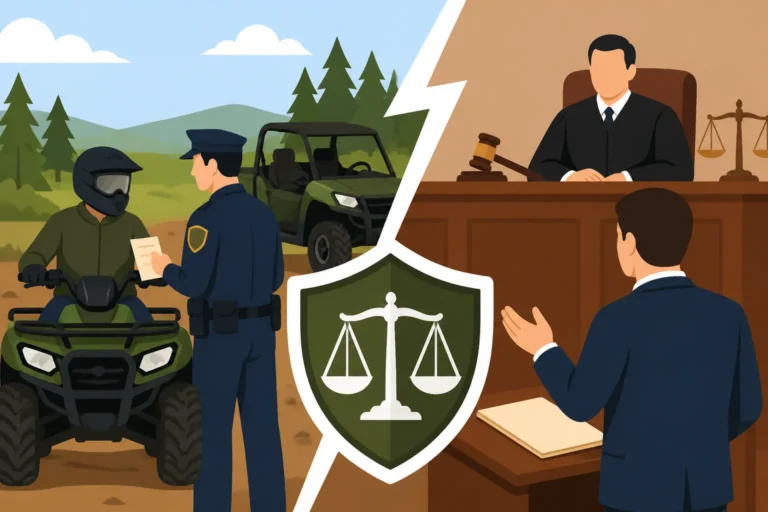
While local police typically handle road accidents, OHV collisions in Massachusetts fall under the jurisdiction of the Massachusetts Environmental Police (MEP). It's important to understand when and why you should report an incident to them, as their involvement can significantly impact subsequent insurance claims or legal proceedings.
You should always report a collision to the MEP if there are serious injuries, significant property damage, or if the collision involves another party where liability is disputed. Even if you think it's minor, it's often better to err on the side of caution. The MEP can investigate the incident, determine contributing factors, and create an official accident report. This report is a critical piece of evidence that your insurance company will likely request during the claims process. It lends an air of official verification to your account, which can be invaluable, especially if the other party's story differs from yours.
Contacting the MEP as soon as reasonably possible after the incident is key. They will ask for details about the collision, including the date, time, location, parties involved, and a description of what happened. Be prepared to provide accurate and factual information. While the MEP does not issue vehicle titles for ATVs and UTVs—instead, they issue a registration card and decals—their role in accident investigation is still very much like that of a conventional police force for OHV incidents. For more details on this, you can read [Why the Environmental Police Issue a Card, Not a Title].
Navigating Your Insurance Claim After an OHV Collision
Once the immediate aftermath is handled and you've reported the incident, the next phase is dealing with your insurance company. This process can be daunting, but understanding the steps can help you successfully file a claim and get your machine repaired or replaced.
Notifying Your Insurance Provider
As soon as you're able, you need to contact your insurance provider to notify them of the collision. This is a critical step, and most policies have specific timelines within which you must report an incident. Delaying notification could jeopardize your claim. When you call, be prepared to provide all the information you gathered at the scene: date, time, location, description of the accident, details of other parties involved, and any witness information.
Your insurer will assign a claim number and likely connect you with an adjuster. They will guide you through the initial steps, which often include explaining your policy coverage and what documentation they require. This might include photos, the MEP accident report, and estimates for repairs. Be honest and thorough in your communication. Remember, even if you’re unsure if you’ll file a claim, it’s always best to notify them, especially if another party was involved and might file against you. This proactive approach ensures that your insurance company is aware of the situation from the outset and can begin to protect your interests.
The Investigation Process and Adjuster's Role
After you notify your insurer, an insurance adjuster will take over. Their job is to investigate the claim, assess the damages, and determine liability based on the information provided and their own findings. This can involve reviewing photos, talking to witnesses, examining the accident report, and inspecting your damaged OHV. They might also consult with repair shops to get estimates. This process can take some time, especially if the circumstances of the collision are complex or if there are injuries involved.
The adjuster will ultimately determine how much your insurance company is responsible for paying out, based on your policy terms and the extent of the damages. They will also factor in your deductible – the amount you're responsible for paying out of pocket before your insurance coverage kicks in. Understanding your deductible is key to knowing your immediate financial responsibility. For instance, if your deductible is $500 and the repairs cost $2,000, you'd pay $500, and your insurance would cover the remaining $1,500. This is where having [Massachusetts Insurance Worth Buying Anyway] truly pays off, as without it, the entire $2,000 would come directly from your wallet. Sometimes, the adjuster might also assess whether specific aftermarket parts, such as heavy-duty axles from SuperATV, are covered by your policy or if you need additional endorsement for them.
What Happens If You Don't Have Insurance?
This is where the rubber truly meets the road, or rather, where the trail dirt hits your wallet. If you don't have optional OHV insurance and you're involved in a collision, especially one where you're at fault, the consequences can be severe. Without liability coverage, you are personally responsible for all damages and injuries you cause to others. This means paying out of pocket for medical bills, property repairs (like another rider's damaged machine or a broken fence), and potentially lost wages if someone else's injuries prevent them from working. These costs can quickly escalate into thousands or even tens of thousands of dollars, far exceeding the annual cost of an insurance premium.
Furthermore, if you are injured or your machine is damaged and the other party is also uninsured, you will bear the full financial burden of your own recovery and repairs. This is precisely why uninsured/underinsured motorist coverage is such a valuable, albeit optional, addition to a policy. Without any form of coverage, you're entirely exposed to financial risk. This personal liability can lead to lawsuits, wage garnishments, and liens against your assets, turning an unfortunate accident into a prolonged financial nightmare. Considering the relatively modest cost of [Massachusetts ATV Insurance Cost Per Year], this risk often far outweighs the perceived savings of going without coverage.
Long-Term Consequences and Future Considerations
A collision, even a minor one, can have ripple effects that extend far beyond the immediate repairs or medical bills. Understanding these long-term implications is crucial for making informed decisions about your OHV use and insurance going forward.
Impact on Your Insurance Premiums and Renewals
Just like with auto insurance, filing a claim on your OHV policy can impact your future premiums. If you're deemed at fault for a collision, or if you file multiple claims within a short period, your insurer might view you as a higher risk. This can lead to an increase in your annual insurance costs or, in some extreme cases, your policy might not be renewed. The extent of the increase depends on several factors, including the severity of the claim, your driving history (even off-road), and the specific policies of your insurance provider.
It's a delicate balance: you buy insurance to use it when needed, but using it too often or for significant claims can make it more expensive. This is why many riders weigh the cost of minor repairs against their deductible and the potential impact on their premiums before filing a claim. Sometimes, paying out-of-pocket for a small repair might be more cost-effective in the long run than having a claim on your record. Always discuss these potential impacts with your insurance agent when considering filing a claim to understand the full picture.
Legal Ramifications and Liability
Beyond insurance claims, a collision can open the door to legal action, particularly if there are serious injuries or significant property damage. If you're found to be at fault, the injured party or property owner could file a personal injury lawsuit against you to recover damages not fully covered by insurance or if you were uninsured. These lawsuits can be lengthy, emotionally draining, and financially ruinous, potentially leading to court-ordered judgments against you.
Massachusetts also has specific laws regarding ATV and UTV use, especially concerning youth riders. If a minor is involved in a collision while operating an OHV, their parents or guardians can be held liable for the child's actions and any resulting damages or injuries. This concept, often referred to as negligent entrustment, means that parents could be held responsible for allowing a child to operate an OHV if they knew or should have known the child was not capable or was operating it illegally. This is an important consideration under [Massachusetts Parent Liability for a Young Rider] and highlights why understanding age and supervision laws is critical. Even if you aren't riding, your liability as a parent can be significant.
Repairing or Replacing Your Machine
After a collision, a key decision involves whether to repair your damaged OHV or replace it. If the machine is repairable, you'll typically work with your insurance adjuster and a trusted repair shop to get estimates. Ensure the repair shop is experienced with ATVs and UTVs and uses quality parts. Sometimes, parts might be backordered, extending the repair timeline. If your machine is "totaled" – meaning the cost of repairs exceeds its actual cash value – your insurance company will usually offer you a payout for the vehicle's depreciated value, minus your deductible. This amount might not always be enough to purchase a brand-new replacement, especially if you had an older model.
This is where understanding the true [Massachusetts Cost of Ownership Year One] comes into play, as the initial purchase price is just one part of the equation. Depreciation, maintenance, and potential collision damage all contribute to the actual cost over time. If you decide to replace your machine, you'll be back in the market, potentially looking at new models or used options, and considering any upgrades you might want, perhaps from a brand like SuperATV. The experience of a collision can also lead some riders to invest in additional safety features or even a different type of machine entirely, one they feel is better suited to their riding style and local trail conditions.
| Scenario | With Optional OHV Insurance | Without Optional OHV Insurance |
|---|---|---|
| Damage to Your OHV | Collision/Comprehensive covers repairs/replacement (minus deductible) | You pay 100% of repair/replacement costs. |
| Damage to Others' Property | Liability coverage pays for repairs. | You pay 100% of costs, personally liable. |
| Injury to Other People | Liability coverage pays for medical bills/settlements. | You pay 100% of medical bills/settlements, personally liable. |
| Your Own Injuries | Medical Payments/PIP (if part of policy) covers some costs. | You pay 100% of your medical bills. |
| Collision with Uninsured Rider | Uninsured Motorist coverage helps cover your damages. | You pay 100% of your damages and injuries. |
| Legal Costs (Lawsuits) | Liability coverage may cover legal defense costs. | You pay 100% of legal fees and judgments. |
| Peace of Mind | Significantly higher | Non-existent |
In conclusion, while Massachusetts takes a unique stance by not mandating insurance for ATVs and UTVs for registration, the financial and legal repercussions of a collision without it can be severe. Understanding what steps to take after an accident, how insurance claims work, and the potential long-term impacts is essential for every OHV owner in the Bay State. Investing in appropriate optional coverage can provide invaluable protection and ensure that a moment of misfortune doesn't turn into a lasting financial burden. Always ride safely, but also ride smart and covered.
Disclaimer
This article is for general informational purposes only and does not constitute professional advice. Laws, prices and regulations vary by location and change over time. Consult a qualified professional for guidance on your specific situation.