Massachusetts Rules for Riding a Gravel Pit
It's a common sight when you're driving through rural Massachusetts: an old, seemingly abandoned gravel pit, looking like an open invitation for some off-road adventure. For many ATV and UTV enthusiasts, these wide-open, unpaved areas can feel like a tempting playground, especially if official trails feel too restrictive or are a long drive away. However, before you even think about unloading your machine, it’s crucial to understand that riding in a gravel pit in Massachusetts comes with a complex web of legalities and significant risks that can quickly turn a fun outing into a serious problem. This guide will clarify the rules, the potential pitfalls, and the absolute necessities for anyone considering riding their ATV or UTV in what appears to be an open gravel pit.
Understanding What "Gravel Pit" Means for Riders
When we talk about a "gravel pit," we're usually picturing an area that has been mined for aggregates like sand, gravel, or stone. These can range from active commercial operations with heavy machinery and ongoing excavation to long-abandoned sites where nature is slowly reclaiming the land. The key distinction from a legal standpoint, and this is where many riders get into trouble, is that very few, if any, gravel pits in Massachusetts are designated public riding areas. They are almost universally private property.
Active vs. Abandoned Gravel Pits: The Ownership Remains
Whether a gravel pit is currently bustling with dump trucks and excavators or quietly sitting overgrown, it almost certainly has an owner. This owner could be a large construction company, a private individual, or even a municipality. The fact that it looks "abandoned" or "unused" does not mean it's fair game for riding. That's a huge misconception many people have. Think of it like an empty field—just because no one is actively farming it, doesn't mean you can drive your ATV across it. The same principle applies to gravel pits. Often, these sites are still subject to environmental regulations, potential future development, or simply maintained by the owner as a private resource. [Massachusetts Machines Used Only on Private Land] still require proper registration and adherence to other state laws.
Why Gravel Pits Aren't Like Designated OHV Trails
Designated off-highway vehicle (OHV) trails, like those found in state forests such as October Mountain or Beartown, are specifically managed, permitted, and maintained for recreational riding. They have clear entry points, marked trails, and rules designed to ensure safety and minimize environmental impact. Gravel pits, on the other hand, are commercial or private industrial sites, not recreational ones. They lack safety signage, trail maintenance, and any form of oversight for recreational users. The terrain might be incredibly unstable, with steep drops, loose soil, hidden debris like rebar or old equipment, and unexpected hazards. Relying on aftermarket upgrades, even heavy-duty components from companies like SuperATV, is no substitute for safe, managed trails.
The Legal Landscape: Why Gravel Pits Aren't Always Open Territory
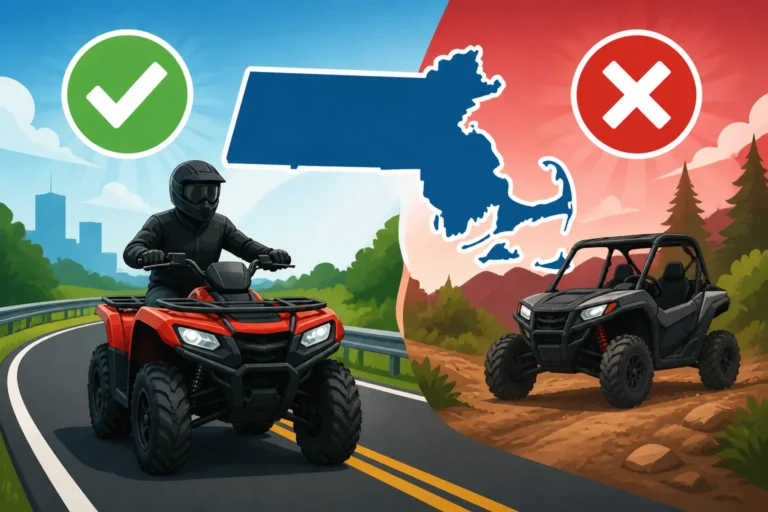
Massachusetts law is quite clear when it comes to riding off-highway vehicles, and it doesn't make special allowances for gravel pits. The fundamental principle is that if it's not a designated OHV trail on public land, or private land where you have explicit permission, you simply cannot ride there. This falls under trespass laws, which carry significant penalties.
Trespass Laws and Private Property Rights
Riding an ATV or UTV in a gravel pit without the express permission of the landowner is considered trespassing. In Massachusetts, trespass can lead to fines, your vehicle being impounded, and even potential legal action from the landowner. It’s not just a minor infraction; it’s a direct violation of property rights. Landowners have a right to control who accesses their property, and they can prosecute individuals who ignore that right. They might also view you as a liability risk, which is a big concern for them. [Massachusetts Trespass Law for Riders] is strictly enforced, and ignorance of who owns the land is rarely an acceptable excuse.
Registration and Safety Requirements Still Apply
Even if, by some stroke of luck, you did manage to secure permission to ride in a private gravel pit, all of Massachusetts's standard OHV laws would still apply. This means your ATV or UTV must be properly registered with the Massachusetts Environmental Police. You'll need an active decal displayed correctly and the registration card carried on board. Riders must also abide by age restrictions, helmet laws, and equipment requirements. For instance, if you're riding a powerful utility vehicle and have accessorized it with a SuperATV lift kit or aftermarket tires, it still needs to meet noise and safety standards. There's no exemption for private land when it comes to fundamental safety and identification. [Massachusetts Registration Paperwork Checklist] can help you ensure you have everything in order before you even leave your driveway.
Environmental Concerns and Local Ordinances
Gravel pits are often sensitive environments, sometimes home to fragile ecosystems or located near waterways. Illegal riding can contribute to erosion, disturb wildlife, and pollute water sources, leading to further environmental damage. Beyond state laws, many towns and cities in Massachusetts have their own local ordinances regarding noise, off-road vehicle use, and environmental protection. What might be allowed in one town could be strictly prohibited in another. Ignoring these local rules can lead to additional fines and community backlash against off-road riding in general.
Seeking Permission: The ONLY Way to Ride Legally in a Gravel Pit
Given the legal and safety complexities, the only truly legitimate way to ride an ATV or UTV in a gravel pit is with explicit, written permission from the landowner. This isn't just a polite request; it's a legal necessity.
Identifying the Landowner
The first, and often most challenging, step is identifying who actually owns the gravel pit. This typically involves using town assessor's maps, which are often available online through the town's official website or at the assessor's office. You'll need to locate the specific parcel of land and find the owner's name and contact information. Be prepared for this to be a complex process, as land records can sometimes be outdated or difficult to navigate. Sometimes, a large corporation might own the land, making direct contact with a decision-maker challenging.
Crafting a Professional Request
Once you've identified the landowner, you'll need to approach them professionally. Simply showing up or calling without a plan is unlikely to yield positive results. Consider writing a formal letter or email that includes:
- Your Purpose: Clearly state that you are an ATV/UTV rider seeking permission to use their gravel pit for recreational riding.
- Your Understanding of Responsibility: Emphasize that you understand it is private property and you will adhere to all safety rules, state laws, and any specific conditions they set.
- Proof of Preparedness: Mention that your machine is properly registered and that you, and any accompanying riders, have appropriate safety gear like helmets and any required [Massachusetts Safety Certificates Under 18].
- Liability Concerns: Address their potential liability concerns. While Massachusetts doesn't have specific recreational use statutes that broadly protect landowners, demonstrating a commitment to safety and offering to sign a liability waiver might help.
- Specifics of Your Request: How often do you want to ride? What times? How many people? The more specific you are, the more seriously they might consider your request.
Remember, many landowners are hesitant due to liability, property damage concerns, and noise. Be respectful if they decline your request. [Massachusetts Landowner Permission in Writing] is a critical step that should never be skipped.
The Importance of Written Permission
Oral permission, while better than nothing, is notoriously difficult to prove in court. Always insist on written permission that clearly outlines:
- The Specific Property: The exact parcel(s) of land where you are permitted to ride.
- The Permitted Activities: What you are allowed to do (e.g., ATV riding, UTV riding, specific hours).
- The Duration: How long the permission is valid (e.g., one day, one season, ongoing until revoked).
- Any Conditions: Are there areas off-limits? Speed limits? Noise restrictions?
- Signatures: Both your signature and the landowner's signature, along with the date.
Keep a copy of this written permission with you whenever you are riding in the gravel pit. An environmental police officer will want to see it if they encounter you on the property.
Safety and Responsibility in a Gravel Pit Environment
Even with permission, riding in a gravel pit carries inherent risks that are often far greater than those on a managed trail system. These are not recreational facilities; they are industrial sites with dynamic, unpredictable terrain.
Identifying and Mitigating Hazards
Gravel pits present unique dangers:
- Unstable Surfaces: Loose gravel, sand, and steep slopes can shift unexpectedly, leading to rollovers or loss of control. Cliffs, sudden drops, and hidden sinkholes are common.
- Hidden Obstacles: Old rebar, discarded equipment, large rocks, and other industrial debris can cause punctures, serious damage to your machine, or even injury if you hit them. Some riders install SuperATV skid plates to protect the underside of their UTVs and ATVs, which is a smart move for any off-road machine, but especially crucial in such environments.
- Heavy Machinery: In active pits, heavy equipment like excavators, loaders, and dump trucks operate with blind spots and can be incredibly dangerous. Stay far away from any active operations.
- Water Hazards: Pits often collect water, forming ponds that can conceal deep mud, uneven bottoms, or toxic industrial runoff. Never assume a water crossing is safe without thoroughly inspecting it first.
- Lack of Emergency Services: Gravel pits are often remote, and cell service can be spotty. If an accident occurs, it might take a long time for emergency responders to reach you. Always ride with a fully charged phone, a first-aid kit, and ideally, a satellite communication device if you're venturing deep into an isolated pit.
Required Safety Gear and Best Practices
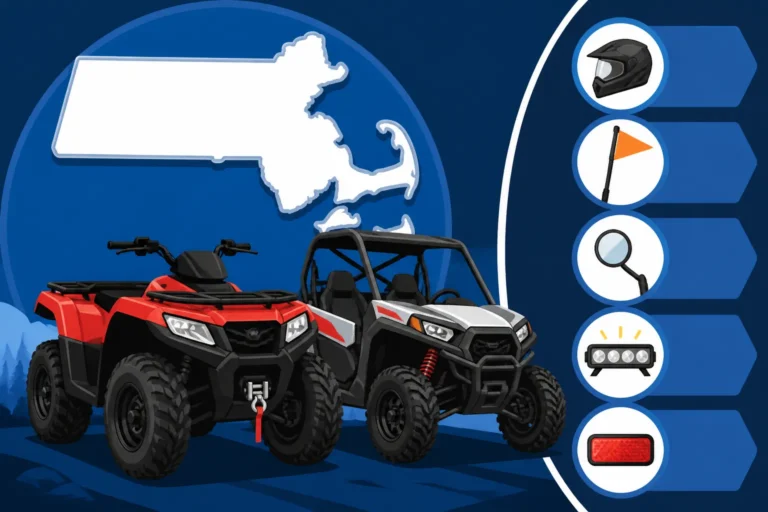
Always wear a DOT-approved helmet, eye protection, gloves, long pants, and sturdy over-the-ankle boots. This is legally required in Massachusetts, but it's also common sense, especially in a hazardous environment like a gravel pit. [Massachusetts Helmet Law for Every Rider] applies universally.
| Safety Item | Why It's Crucial in a Gravel Pit |
|---|---|
| DOT-Approved Helmet | Protects against head injuries from falls or impacts. |
| Eye Protection | Shields eyes from dust, debris, and flying rocks. |
| Gloves | Improves grip, protects hands from scrapes and blisters. |
| Long Pants & Sleeves | Guards against abrasions, cuts, and sun exposure. |
| Sturdy Boots | Protects ankles and feet, provides good traction on uneven ground. |
| First-Aid Kit | For immediate treatment of minor injuries. |
| Communication Device | Essential for emergencies, especially where cell service is limited. |
| Riding Buddy | Never ride alone, especially in unpredictable terrain. |
Beyond gear, ride defensively. Don't push your limits or take unnecessary risks. Scout new areas on foot before riding them. Communicate constantly with your riding partners. Respect the environment and the landowner's property.
Consequences of Illegal Riding in a Gravel Pit
The temptation to ride in an open, seemingly unmonitored gravel pit can be strong, but the consequences of doing so illegally far outweigh any temporary thrill. Massachusetts law is designed to protect both landowners and the environment, and it comes with real teeth.
Fines, Vehicle Impoundment, and Court Appearances
If you are caught riding your ATV or UTV in a gravel pit without permission, you can face substantial fines for trespassing. These fines can quickly add up, especially if local ordinances also apply. Beyond the monetary penalty, your vehicle could be impounded, meaning you'd have to pay towing and storage fees to get it back, in addition to the trespass fine. You might also be required to appear in court, which means lost time from work or other commitments. [Massachusetts Penalties for Riding Unregistered] are just one aspect; combining that with trespass charges can create a very expensive day.
Damage Liability and Civil Lawsuits
If you cause any damage to the private property, whether it's fences, gates, plants, or even just leaving deep ruts, the landowner can pursue civil legal action against you. This means you could be sued for the cost of repairs and restoration. The financial burden could be far greater than any fine. Moreover, if you or a member of your riding party gets injured on their property, even if you were trespassing, the landowner might still face legal complications, leading them to be even more aggressive in prosecuting trespassers to discourage future incidents.
Impact on the Wider Riding Community
Every time someone illegally rides an ATV or UTV in a gravel pit or other unauthorized private land, it reflects poorly on the entire riding community. It fuels negative stereotypes about off-road enthusiasts being irresponsible and disrespectful. This can lead to tighter restrictions, increased enforcement, and even the closure of legal riding areas as landowners and communities become more wary of OHV recreation. By respecting property rights and seeking legal avenues for riding, we help maintain a positive image for our sport and ensure future access to trails. It reinforces why organizations and clubs work so hard to develop and maintain legal [Massachusetts ATV Trails: Three Berkshire Forests] and other sanctioned areas.
Riding in a gravel pit in Massachusetts is almost universally a bad idea unless you have gone through the diligent process of obtaining explicit, written permission from the landowner. The risks of trespass charges, fines, vehicle impoundment, civil liability, and serious injury far outweigh the perceived thrill. Instead of taking a chance, focus your energy on finding and utilizing the wonderful, legal OHV trails available, or explore legitimate private land opportunities with proper permission. Stay safe, stay legal, and enjoy the trails Massachusetts has to offer responsibly.
Disclaimer
This article is for general informational purposes only and does not constitute professional advice. Laws, prices and regulations vary by location and change over time. Consult a qualified professional for guidance on your specific situation.