Can You Ride an ATV on the Road in Massachusetts?
It's a question that nearly every ATV and UTV owner in Massachusetts has asked, often with a mix of hope and frustration: can you just hop on your quad or side-by-side and take it down the street to a friend's house, or maybe even to a nearby gas station? The simple truth is, the Bay State has some very specific and quite strict rules when it comes to off-highway vehicles (OHVs) and public roads. This guide is here to untangle those rules, explain why they exist, and help you understand exactly where you can and cannot ride your ATV or UTV in Massachusetts.
The Straightforward Answer: No, Not Really
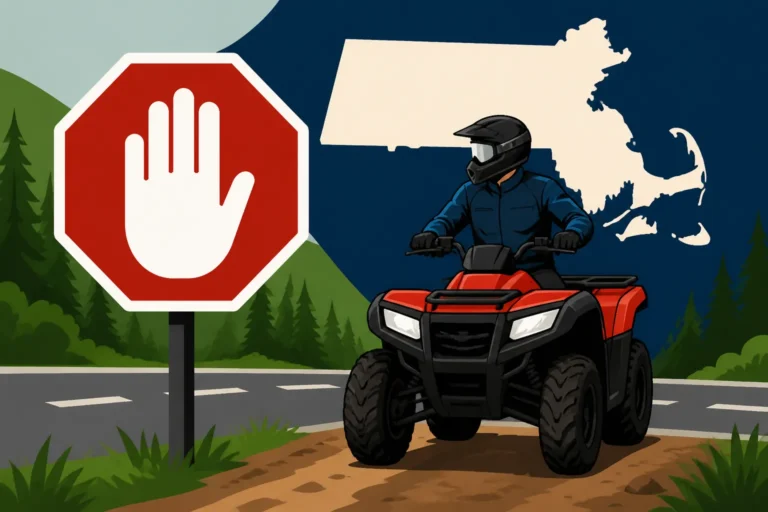
Let's cut right to the chase because it’s the most common misunderstanding out there. For the vast majority of ATV and UTV owners, the answer is a resounding no. You cannot legally ride your off-highway vehicle on public roads, streets, or highways in Massachusetts. This isn't just a suggestion; it's a clear legal directive with very few, highly specific exceptions. It’s a reality that can be tough for riders to accept, especially if they’ve moved from states with more lenient regulations, but understanding this fundamental rule is the first step to staying safe and legal.
Massachusetts Law Chapter 90B
The core of this prohibition lies within [Massachusetts ATV Laws Under Chapter 90B]. This chapter of Massachusetts General Laws explicitly defines off-highway vehicles and outlines where they can and cannot be operated. The legislative intent behind these laws is multi-faceted, focusing heavily on public safety and the preservation of infrastructure. Lawmakers recognized early on that ATVs and UTVs are designed for rough, unpaved terrain, not for the smooth, high-speed, and often congested environment of public roads. Their design – from tires and suspension to braking and steering – is simply not suited for road use, which inherently creates a significant safety hazard for both the OHV operator and other motorists. Beyond safety, there's also the practical consideration of preventing damage to paved road surfaces from knobby tires, as well as minimizing noise and exhaust in residential areas. These vehicles offer incredible freedom off-road, but that freedom doesn't extend to our public roadways.
Defining a "Public Way"
So, what exactly counts as a "public way" under Massachusetts law? It’s broader than you might think. A public way generally includes any road, street, or highway open to the public for vehicular travel. This means paved roads, gravel roads, and even unpaved dirt roads that are maintained by a city or town all fall under this definition. It’s not just the bustling state highways or major thoroughfares; it includes those quiet back roads in your local community. If the public has a right to travel on it, and it's maintained by a public entity, it's very likely considered a public way.
This distinction is crucial because riders sometimes assume that if a road is unpaved or less traveled, it somehow becomes fair game. Unfortunately, that's not the case here. Even a seemingly innocuous dirt path that's part of the town's road network is off-limits for general ATV or UTV use. The law doesn't differentiate based on the material of the road surface, but rather on its designation as a public right-of-way. Understanding this broad definition is key to avoiding accidental violations. The rules exist to define specific zones for different types of vehicles, ensuring that the vehicles best suited for particular conditions are the ones operating there, thus enhancing overall safety and order.
Exceptions and Nuances to the Rule
While the general rule is strict, like many laws, there are a few very specific and limited exceptions. These aren't loopholes for casual road use but carefully defined situations where an OHV might briefly interact with a public way under highly controlled conditions. It's vital not to misinterpret these exceptions as an invitation to treat public roads as an extension of your off-road trail.
Crossing a Public Way: Limited and Specific Conditions
The most common "exception" you'll encounter is the ability to cross a public way. However, this is not a free pass to drive along a road; it's strictly for traversing from one side to the other. And even then, the conditions are stringent. According to Massachusetts law, when you need to cross a public way to get from one legal riding area to another, you must:
- Come to a complete stop before entering the public way. This means a full stop, checking for traffic in both directions, just as if you were in a car at a stop sign.
- Yield to all oncoming traffic. You must ensure the way is clear and safe before proceeding.
- Cross at approximately a ninety-degree angle to the road. You can't angle down the road for a short distance; the crossing must be as direct as possible.
- Cross the public way by the most direct route practical. This reinforces the idea that you should minimize your time on the road surface.
- If you're under 16 and a half years old, you must possess a valid motor vehicle operator's license or be under the direct supervision of an adult who is at least 18 years old and has a valid license. This age requirement for road crossings is a specific detail you don't want to overlook. For more on this, check out [Crossing a Public Way in Massachusetts].
These conditions are in place for safety, ensuring that the brief interaction with road traffic is as predictable and low-risk as possible. It's a momentary necessary evil, not a privilege. An Environmental Police officer can cite you if you deviate from these rules, so being absolutely precise and cautious is paramount.
Emergency or Utility Use: When Rules Bend
Another set of exceptions applies to official uses. In situations of emergency or for certain utility work, an ATV or UTV might be authorized to operate on a public way. Think about local police or fire departments using specialized off-road vehicles to access remote areas during a search and rescue operation, or utility crews needing to reach a downed power line in a difficult-to-access location.
These uses are almost always by officially designated vehicles, operated by trained personnel, and under specific authorization. They are not for private individuals, even if you feel your situation is an "emergency" (like running out of gas miles from home). The vehicles involved might also be equipped with lights, sirens, or other modifications that make them more visible and identifiable on a public way, distinguishing them from recreational OHVs. This exception is about fulfilling critical public services, not about recreational riding. It’s a testament to the versatility of these machines in appropriate contexts, but it does not open the door for general public use.
Special Events or Parades: Permits Required
Occasionally, you might see an ATV or UTV participating in a local parade, fair, or a sanctioned special event. These instances are also exceptions, but they require explicit, written permission from the local municipality or organizing body. A town might issue a permit for a parade that includes specific vehicles, or for a temporary event that has a designated route on a public way.
These are rare occurrences, highly controlled, and temporary. They are not an indication that the rules for everyday riding have changed. If you're involved with a club or organization considering such an event, be prepared for a thorough application process and strict adherence to any conditions set by the permitting authority. You can’t just decide to join a Memorial Day parade on your quad without prior approval and proper planning. These types of events are carefully planned to ensure spectator and participant safety, with OHVs often escorted or operating at very low speeds.
Why Massachusetts is So Strict on Road Use
It can feel incredibly frustrating to be told you can't ride your machine where you want, especially if you see OHVs on roads in other states. However, Massachusetts's strict stance isn't arbitrary. It's rooted in several very practical and well-documented concerns that focus on safety, infrastructure, and community well-being. Understanding these underlying reasons can help shed light on why the rules are so unyielding.
Safety Concerns and Accident Risk
The primary reason Massachusetts maintains such a firm stance against ATVs and UTVs on public roads is safety. Off-highway vehicles, by their very design, are fundamentally different from street-legal vehicles like cars, trucks, or motorcycles. They are built for stability on uneven terrain, not for high-speed cornering or sudden braking on pavement. Consider these points:
- Tire Design: ATVs and UTVs typically have aggressive, knobby tires designed for traction in mud, dirt, and loose gravel. These tires have very little surface contact on pavement, which severely compromises grip, especially when turning or braking. This can lead to skidding, loss of control, and rollovers. Compare this to the smooth, wide contact patch of a street tire, and the difference in intended use becomes immediately apparent.
- Suspension and Stability: The suspension on an OHV is designed to absorb impacts from rough terrain. On smooth pavement, this can make the vehicle feel "spongy" and unstable, particularly at speed. The high center of gravity on many ATVs and UTVs, combined with their short wheelbase, makes them more prone to rollovers on hard, even surfaces, especially during evasive maneuvers.
- Lack of Safety Features: Unlike street-legal vehicles, most ATVs and UTVs lack essential safety features mandated for road use. We're talking about things like turn signals, rearview mirrors, horns, proper headlights and taillights for night visibility, and crash-absorbing structures. Even with accessories from companies like SuperATV that enhance off-road performance, these vehicles are not equipped with the full suite of features needed for safe road interaction. While SuperATV provides incredible utility and performance for trail riding, their products are designed to excel in the wilderness, not on Main Street.
- Operator Exposure: ATV and UTV riders are far more exposed than occupants in a car, similar to motorcycle riders, but without the specific handling characteristics built for roads. Any collision with a larger, heavier road vehicle can result in severe, often fatal, injuries for the OHV operator. [Massachusetts Helmet Law for Every Rider] is a testament to the state's focus on rider safety, but even a helmet doesn't mitigate the fundamental risks of operating an OHV on a road.
These design disparities mean that placing an ATV or UTV on a public road creates an immediate and unacceptable risk for both the OHV operator and other drivers, which is precisely why the law is so clear.
Protecting Public Infrastructure and Resources
Beyond immediate safety, Massachusetts also has a vested interest in protecting its public infrastructure. Paved roads are expensive to build and maintain, and they are designed to withstand specific types of wear from standard road vehicles.
- Road Damage: The aggressive, knobby tires of an ATV or UTV, while excellent for digging into dirt, can cause significant wear and tear on paved surfaces. They can prematurely degrade asphalt, chip away at road markings, and even damage unpaved shoulders not designed for such traffic. This damage costs taxpayer money to repair and shortens the lifespan of roads.
- Noise and Emissions: OHVs are generally louder than passenger cars, and their exhaust systems are not always designed to meet the same stringent noise and emission standards as street-legal vehicles. Allowing them on residential streets could lead to a surge in noise complaints from communities, disrupting peace and quiet, and potentially contributing to localized air quality issues.
- Environmental Impact: While this mostly applies to off-road use, allowing unmanaged OHV access to unauthorized public lands (which roads effectively are, from an OHV perspective) could lead to environmental degradation if not strictly controlled. The existing laws are designed to channel OHV activity to designated areas where impacts can be managed.
These concerns collectively contribute to the state's policy to keep OHVs off public roads, preserving both the physical infrastructure and the quality of life for its residents.
Enforcement and Penalties for Violations
Massachusetts takes its OHV laws seriously, and there are real consequences for non-compliance. The primary enforcement agency for OHV laws in Massachusetts is the Environmental Police. These officers are specifically trained in OHV regulations and frequently patrol areas where illegal riding is a concern, including public roads near known trails or residential areas.
- Fines and Citations: If caught operating an ATV or UTV illegally on a public way, you can expect to receive a significant fine. These aren't minor tickets; they can be substantial and can accumulate quickly if multiple violations are observed.
- Vehicle Impoundment: In more serious or repeat offense cases, your ATV or UTV could be impounded. Getting a vehicle out of impoundment is a costly and time-consuming process involving impound fees, storage charges, and potentially legal hurdles.
- Impact on Driver's License: While an ATV doesn't require a driver's license for off-road operation, violations committed on a public way can still impact your standard motor vehicle operator's license. Points can be assessed, and in severe cases, your license could even be suspended or revoked, affecting your ability to drive a car or truck.
- Criminal Charges: Depending on the nature of the violation (e.g., reckless operation, operating under the influence, fleeing from an officer), more severe criminal charges could be brought, leading to court appearances, larger fines, and potentially jail time.
Ignorance of the law is not considered a valid defense. The state expects riders to know and abide by these regulations. Understanding the [Massachusetts Penalties for Riding Unregistered] gives you a sense of the seriousness with which the state treats OHV regulations, and riding on public roads carries similar, if not greater, consequences. It's always better to know the rules and stick to designated legal riding areas than to face the repercussions of breaking the law.
What You Can Do: Responsible Off-Road Riding
While riding on public roads is largely off-limits, Massachusetts absolutely offers opportunities for thrilling and responsible off-road adventures. The key is knowing where to go, what to bring, and how to stay legal while enjoying your machine. Focusing on these legal avenues ensures a safe and enjoyable experience for everyone.
Designated Trails and Private Property
The good news is that Massachusetts does have designated areas where ATVs and UTVs are welcome. These are primarily found within certain state forests and on private land with express permission.
- State Forests: The Department of Conservation and Recreation (DCR) manages a limited number of state forests that have specific trails designated for OHV use. These trails are generally in the western part of the state, such as Beartown State Forest, October Mountain State Forest, and Pittsfield State Forest. These are often multi-use trails, meaning you might share them with hikers, mountain bikers, or equestrians, so courtesy and awareness are paramount. Before heading out, it's always a good idea to check the DCR website for current trail conditions, opening dates, and any closures. These trails are specifically designed and maintained to handle the unique demands of OHVs, providing a safe and legal environment for riding. You can learn more about which trails permit these vehicles in [Massachusetts Trails That Allow Side-by-Sides].
- Private Land with Permission: If you own land, you can certainly ride your ATV or UTV on it. However, if you plan to ride on someone else's private property, you must obtain explicit [Massachusetts Landowner Permission in Writing]. Verbal permission is not enough and can lead to misunderstandings or trespass charges. Having written permission protects both you and the landowner. Many riders form relationships with landowners who allow access, provided riders respect the property, stay on designated paths, and adhere to any specific rules the owner might have. Remember, even on private land, you still need to follow general safety rules like wearing a helmet and respecting noise ordinances.
Essential Off-Road Gear and Modifications
For safe and enjoyable off-road riding, proper gear is non-negotiable. While some companies, like SuperATV, make fantastic aftermarket parts to enhance your vehicle's performance and durability on trails, these modifications are for off-road prowess, not for street legality.
- Safety Gear: A DOT-approved helmet is legally required for all riders in Massachusetts, regardless of age or where you're riding. Beyond that, sturdy over-the-ankle boots, long pants, a long-sleeved shirt or jacket, gloves, and eye protection are highly recommended. This gear protects you from branches, debris, and provides crucial impact absorption in case of a fall.
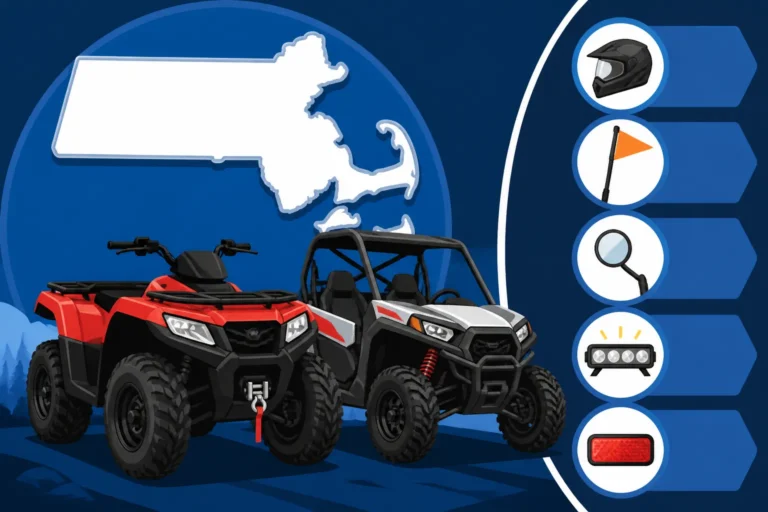
- Vehicle Condition and Basic Equipment: Ensure your ATV or UTV is in good working order. This includes checking tires, brakes, lights, and fluids before each ride. [Massachusetts Equipment Requirements] specify things like spark arrestors, functional brakes, and mufflers to keep noise within limits. These aren't just suggestions; they're part of responsible riding.
- Trail-Specific Modifications: If you're looking to enhance your off-road experience, this is where specialized parts from companies like SuperATV shine. Adding a winch can be a lifesaver if you get stuck, especially if you ride solo. Lift kits can increase ground clearance, allowing you to navigate rougher terrain more easily. Skid plates protect critical underbody components from rocks and logs. These modifications are all about making your machine more capable and resilient on the trail, reinforcing its purpose as an off-highway vehicle, and further distinguishing it from street-legal vehicles. They are designed to conquer challenging trails, not city streets.
The Importance of Registration and Safety Courses
To ride legally on any public land (like state forest trails) or even on private land with permission in Massachusetts, your ATV or UTV must be properly registered with the state's Environmental Police. This isn't just a bureaucratic hurdle; it funds trail maintenance and ensures a basic level of accountability.
- OHV Registration: All ATVs and UTVs operated in Massachusetts, whether by residents or non-residents, must be registered. This involves a fee and provides you with a registration card and decals that must be properly displayed on your machine. The funds from these registrations contribute directly to the OHV Trail Fund, which helps pay for the development and maintenance of legal riding areas. For residents, this is typically a [Massachusetts Two-Year OHV Registration]. It's crucial to carry your [Massachusetts Registration Cards Carried on Board] whenever you ride.
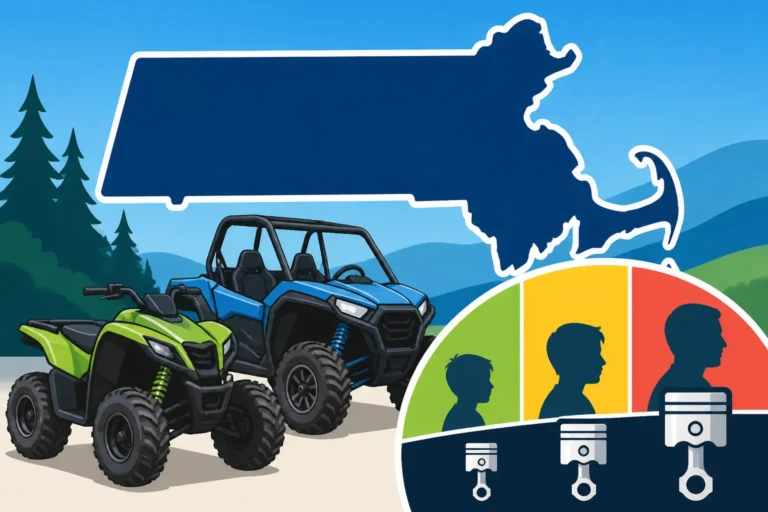
- Safety Certificates: For young riders, Massachusetts has some of the strictest laws in the country. Riders under the age of 18 are generally required to complete an approved OHV safety course and carry the certificate while riding on public lands. There are specific age and engine size restrictions too, as detailed in the [Massachusetts Age and Engine Size Ladder]. This course teaches essential safety practices, environmental awareness, and the rules of the road (or rather, the rules off the road). Even if not legally required for adults, taking a safety course is always a good idea to sharpen your skills and reinforce safe riding habits. [Massachusetts Safety Certificates Under 18] is a critical detail for families with young riders.
By adhering to these rules and embracing responsible riding practices, you can fully enjoy the thrill of your ATV or UTV in Massachusetts without the worry of legal repercussions.
Street-Legal Vehicle Requirements vs. ATV Characteristics
To truly understand why ATVs and UTVs aren't permitted on Massachusetts roads, it's helpful to compare their design and legal requirements against those of vehicles specifically manufactured and regulated for street use.
| Feature | Street-Legal Vehicle (Car/Truck/Motorcycle) | ATV/UTV (Off-Highway Vehicle) | Why It Matters for Road Use |
|---|---|---|---|
| Tires | Smooth, high-traction, low rolling resistance | Knobby, aggressive tread for off-road grip | Poor grip on pavement, damages roads, unstable for turns/braking. |
| Suspension | Firm, designed for predictable handling/comfort | Long travel, soft for absorbing rough terrain impacts | "Spongy" on pavement, unpredictable handling at speed. |
| Braking System | ABS, balanced braking for high speeds/pavement | Designed for varied terrain, often less precise on pavement | Longer stopping distances, reduced control on hard surfaces. |
| Lighting | Headlights (high/low beam), taillights, brake lights, turn signals, reflective markings | Basic headlights, taillights (often non-DOT compliant), no turn signals | Critical for visibility to other drivers, signaling intentions. |
| Mirrors | Required rearview & side mirrors | Often none, or small, non-DOT compliant mirrors | Essential for situational awareness in traffic. |
| Horn | Standard, audible horn | Often none, or a simple "beep" horn | Alerting other drivers/pedestrians to your presence. |
| Emissions/Noise | Strict EPA/DOT standards | Less stringent standards, often louder | Environmental impact, noise pollution in residential areas. |
| Seating/Safety | Seatbelts, airbags, roll cages (cars/trucks), specific chassis design | Seatbelts (UTV), no airbags, roll cages (UTV) not crash-rated for road speeds | Protection in collisions, proper restraint in high-speed crashes. |
| Registration/Title | State title, vehicle registration for road use | OHV registration for off-road use, no state title | Proves ownership, road legality, and compliance with standards. |
| Insurance | Mandatory liability insurance | Optional in MA (except for some rental/business use) | Financial protection in case of an accident on public roads. |
This table clearly illustrates the fundamental differences. ATVs and UTVs are simply not built, equipped, or regulated to operate safely and legally on the same roads as conventional vehicles. The state's laws reflect this reality, prioritizing public safety and the integrity of its transportation network.
Conclusion
The allure of riding your ATV or UTV from your driveway directly to a trail, or even just down the street, is understandable. However, Massachusetts law is unequivocal: operating these powerful machines on public roads, streets, or highways is generally prohibited. This isn't about stifling your fun; it's about protecting both you and other road users from the significant safety risks that arise when off-highway vehicles, designed for rugged terrain, are introduced into a paved, trafficked environment.
By understanding [The ATV Law Lives in Chapter 90B] and recognizing the limited exceptions for crossings or official use, you can avoid costly fines, impoundment, and potential injury. Instead, focus your passion on the designated off-road trails in state forests or on private land with explicit written permission. Equip your machine and yourself with appropriate safety gear, like that offered by SuperATV for genuine trail enhancement, and always ensure your vehicle is properly registered. By embracing responsible off-road riding, you'll find plenty of adventure and enjoyment within the legal boundaries of the Bay State.
Disclaimer
This article is for general informational purposes only and does not constitute professional advice. Laws, prices and regulations vary by location and change over time. Consult a qualified professional for guidance on your specific situation.