Selling to a Buyer in New Hampshire
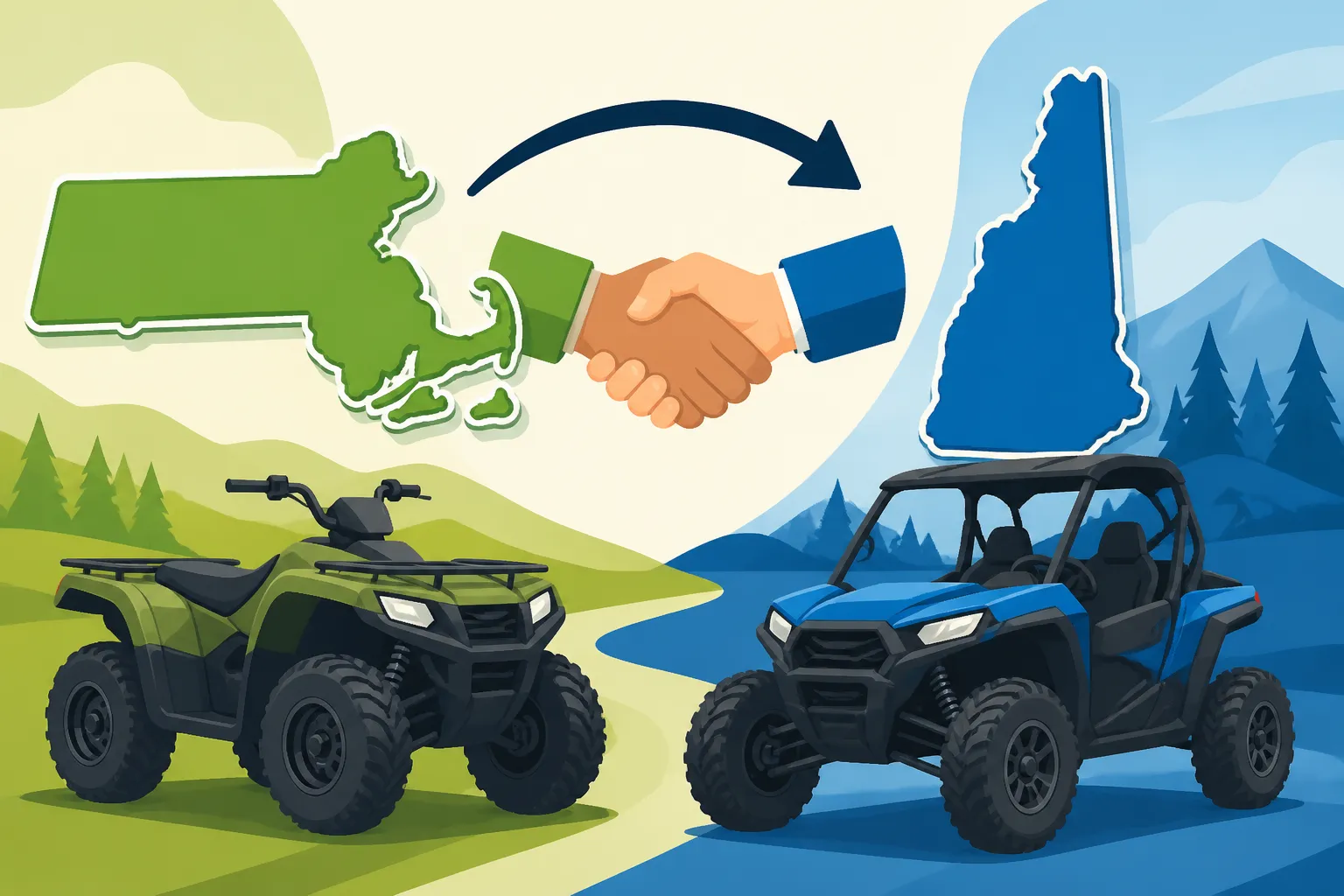
Selling an ATV or UTV can be a straightforward process within Massachusetts, but when your buyer is from across state lines, say, New Hampshire, suddenly a few extra layers of questions and concerns pop up. You might be wondering about sales tax, what paperwork is truly essential, and how to make sure the transaction is legally sound and protects both parties. This guide aims to clear up that confusion, giving you a clear roadmap for what to expect and how to handle the sale of your Massachusetts-registered off-highway vehicle to a New Hampshire resident.
The Massachusetts Seller's Primary Responsibilities When Selling to New Hampshire
When you’re selling your beloved quad or side-by-side, especially to someone out of state, your primary goal is to ensure a smooth, legal transfer of ownership and to protect yourself from any future liabilities. It’s easy to think of it as just handing over the keys and getting cash, but there are specific steps you need to take to properly close out your ownership in Massachusetts and facilitate the buyer's new ownership in New Hampshire.
Your Registered Machine: What Changes After the Sale
In Massachusetts, your ATV or UTV will have a registration card and decals issued by the Environmental Police. This isn't like a car title; Massachusetts doesn't issue titles for OHVs. What you have is proof of registration. Once you sell your machine, that registration becomes null and void for you as the seller. It’s important to understand that your [Massachusetts Registration Cards Carried on Board] are for your use of the machine, and they don't transfer with the sale. The buyer will need to register the machine in their home state, which, in this case, is New Hampshire.
You aren't required to physically return your old registration card or decals to the Massachusetts Environmental Police, but you do need to make sure you keep good records of the sale. This documentation proves that the machine is no longer under your responsibility. If anything were to happen with the machine after the sale, having a solid paper trail protects you from any potential issues down the road. Some sellers even choose to remove the Massachusetts registration decals from the machine before the buyer takes possession, just to make it absolutely clear that the Massachusetts registration is no longer valid. This is a small but often overlooked detail that can save you a headache later.
Essential Documents to Prepare for the Buyer
Even though Massachusetts doesn't title ATVs and UTVs, you still need to provide the New Hampshire buyer with crucial documentation that proves you were the owner and that the machine is now theirs. The most important document is a well-drafted bill of sale. For a new machine, you would typically have a Manufacturer's Certificate of Origin (MCO) which is like a birth certificate for the vehicle. For a used machine, which is what most private sales involve, the bill of sale is paramount. It serves as proof of purchase for the buyer and will be essential for them to register the machine in New Hampshire.
Beyond the bill of sale, if you have any maintenance records, owner’s manuals, or even a previous registration card (though it won't transfer), these can be valuable to the buyer. While not legally required for the transfer, they add legitimacy and value to the sale. Imagine buying a used machine yourself – wouldn't you appreciate knowing its history and having all the available paperwork? Providing these extra items fosters trust and demonstrates that you're an honest seller. Always make sure to note the VIN (Vehicle Identification Number) accurately on all documents. This is the machine's unique identifier and critical for tracking ownership. You can learn more about [What a Bill of Sale Must Show to Register] to ensure you cover all your bases.
Crafting a Comprehensive Bill of Sale
A simple handwritten note saying "Sold ATV to John Doe" just won't cut it, especially when dealing with an out-of-state buyer who needs to present robust proof of ownership to their own DMV or registration authority. A comprehensive bill of sale should include:
- The full names and addresses of both the seller and the buyer.
- A detailed description of the ATV or UTV, including make, model, year, and crucially, the Vehicle Identification Number (VIN). You should also list the odometer reading if applicable.
- The agreed-upon purchase price.
- The date of the sale.
- A statement that the machine is being sold "as-is, where-is" with no warranties, unless you explicitly agree otherwise. This protects you from claims about mechanical issues after the sale.
- Signatures of both the seller and the buyer. It's often a good idea to have these signatures notarized, although it's not always legally required by Massachusetts or New Hampshire for private OHV sales. However, notarization can add a layer of legal formality and peace of mind for both parties.
- Space for witness signatures, if you choose to have them.
Don't underestimate the importance of this document. It's not just a receipt; it's the legal backbone of your private sale. You can find comprehensive templates for these agreements on platforms like LawDepot, which can add a layer of professionalism and clarity to your private transaction. Having a clear, typed document makes the process much smoother for the New Hampshire buyer when they go to register their new machine in their home state. A detailed [Massachusetts Requires a Bill of Sale for a Used One] document is your best friend here.
Sales Tax Nuances: What Massachusetts Sellers and New Hampshire Buyers Need to Know
Sales tax is often one of the most confusing aspects of a private vehicle sale, especially when state lines are involved. Massachusetts has a sales tax, and New Hampshire famously does not. This difference can lead to questions for both the seller and the buyer, and it's important to understand where each state's rules apply.
Massachusetts Sales Tax on Out-of-State Sales
As a Massachusetts seller, you might be thinking about the [Massachusetts Sales Tax on an ATV Purchase]. The good news is that if you are a private individual selling your personal ATV or UTV to an out-of-state buyer who will be removing the machine from Massachusetts, you generally do not need to collect sales tax. Massachusetts sales tax is typically collected by dealers or by the buyer themselves when they register the vehicle in Massachusetts if it's a private sale within the state. Since the New Hampshire buyer will not be registering the machine in Massachusetts and will instead take it back to New Hampshire, you, the private seller, are not responsible for collecting Massachusetts sales tax from them.
Your responsibility ends with completing the sale and providing the necessary paperwork. It’s up to the buyer to comply with their home state's regulations regarding sales or use tax, which, in the case of New Hampshire, is usually straightforward because they don't have a general sales tax on vehicles. This simplifies things considerably for you compared to selling to another Massachusetts resident who would then owe [Massachusetts's 6.25 Percent Sales Tax] to the state. Just make sure your bill of sale clearly states the purchase price, as this is the figure the buyer would use if their state did have a use tax.
New Hampshire's Approach to ATV/UTV Purchases
New Hampshire is one of a handful of states that does not impose a general sales tax. This means that when your New Hampshire buyer purchases your ATV or UTV and brings it back to their home state, they typically will not owe any sales tax or use tax to the state of New Hampshire on that purchase. This is a significant advantage for New Hampshire residents and often why people from that state might seek out private sales in neighboring states like Massachusetts.
However, it's crucial for the New Hampshire buyer to understand their own state's registration requirements. While they won't pay sales tax, they will still need to register the ATV or UTV with the New Hampshire Department of Fish and Game to legally ride it on public lands and trails in New Hampshire. The bill of sale you provide will be essential for that registration process, proving ownership and purchase price. While you, as the Massachusetts seller, aren't directly involved in their registration, understanding this difference can help you answer any questions the buyer might have about the financial side beyond the purchase price. It makes the transaction much smoother if both parties are aware of their respective state's regulations.
| Document / Tax Type | Massachusetts Seller's Action | New Hampshire Buyer's Action (Post-Sale) |
|---|---|---|
| Massachusetts Reg. | Keep records, remove decals (optional). | Irrelevant to buyer's registration in NH. |
| Bill of Sale | Provide a comprehensive, signed document (LawDepot useful). | Present to NH authorities for registration. |
| MCO (New Machines) | Provide to buyer. | Present to NH authorities for registration. |
| Proof of VIN | Ensure VIN is on bill of sale and legible on machine. | Verify VIN matches bill of sale. |
| MA Sales Tax (Seller) | Do not collect sales tax from out-of-state buyer. | Not applicable for purchase. |
| NH Sales/Use Tax | Not applicable to seller. | Generally no sales/use tax due in New Hampshire. |
| NH OHV Registration | Not applicable to seller. | Register machine with NH Fish & Game (fees apply). |
| Notarization | Recommended for clarity and legal formality. | Beneficial for proving legitimacy of sale. |
Ensuring a Seamless Transaction and Protecting Yourself
Beyond the paperwork and tax implications, the actual exchange of money and the handover of the machine require careful consideration. This is where your protection as a seller comes into play, and it’s critical to handle these steps correctly to avoid any future disputes or problems.
Payment Methods and Verification
When selling privately, especially a high-value item like an ATV or UTV, the payment method is paramount. Cash is king for many private transactions because it’s instant and irreversible, but it comes with the risk of counterfeit money and personal safety concerns, particularly for large sums. If you accept cash, always meet in a safe, public place, and consider going to your bank to verify large bills immediately.
Other secure options include a cashier's check or a wire transfer. A cashier's check, drawn directly from a bank, is generally more secure than a personal check, but it's still wise to verify its authenticity with the issuing bank before releasing the machine. Fraudulent cashier's checks are unfortunately a common scam. A wire transfer, especially an ACH transfer between banks, can be a secure way to receive funds directly into your account. However, these transfers are not always instantaneous, so ensure the funds have cleared and are officially in your account before handing over the keys and paperwork. Avoid payment methods like personal checks, money orders from unknown sources, or third-party payment apps that don't offer buyer/seller protection, as these carry higher risks of fraud. Trust your gut; if a payment method feels too good to be true or complicated, it probably is.
Finalizing the Handover and Records
Once you have secured payment and provided the buyer with the complete bill of sale (and any other relevant documents like the MCO), the transaction is essentially complete. Before the buyer drives off with their new machine, take a moment to double-check that you've removed all your personal items from the ATV/UTV. This might seem obvious, but it's easy to forget a tool, a spare part, or even a pair of gloves tucked into a storage compartment.
It's also a smart practice to take a photograph of the buyer with the machine, perhaps even holding the signed bill of sale, if they are comfortable with it. This creates an additional visual record of the transfer. Crucially, make sure you retain a copy of the signed bill of sale for your own records. This is your definitive proof that you no longer own the machine and have transferred responsibility. You'll want to keep this document safe for several years, as it protects you in case of any future inquiries related to the vehicle. For more on protecting yourself in a private sale, consider how to handle [Selling a Registered Machine in Massachusetts] effectively. Remember, proper documentation and a careful handover are your best defenses against potential issues after the sale.
Disclaimer
This article is for general informational purposes only and does not constitute professional advice. Laws, prices and regulations vary by location and change over time. Consult a qualified professional for guidance on your specific situation.