Moving to the Bay State With a Machine
Moving to a new state is a huge undertaking, and when you bring your beloved ATV or UTV with you, it adds another layer of questions and sometimes, outright confusion. You've got enough on your plate with unpacking boxes and learning new routes, so figuring out how to get your off-road machine legal in Massachusetts shouldn't be a frustrating puzzle. This guide is here to walk you through everything you need to know about registering your out-of-state ATV or UTV when you make the Bay State your new home, helping you navigate the process smoothly and get back on the trails.
Understanding Massachusetts's Unique OHV Landscape
Let's be real: Massachusetts has some quirks when it comes to off-highway vehicles (OHVs) that can really throw a newcomer for a loop. If you're used to registering your ATV at the Department of Motor Vehicles or having a title in hand, prepare for a bit of a paradigm shift. This isn't just a simple address change on your old paperwork; it's a whole new system you'll need to understand.
Why Massachusetts Is Different for OHVs
One of the biggest surprises for people moving here is that the Massachusetts Registry of Motor Vehicles (RMV) has absolutely nothing to do with ATV or UTV registrations. You read that right. Instead, it's the Massachusetts Environmental Police that handles all OHV registrations. This often leads to initial confusion, as most states centralize vehicle registration under one agency. But here in Massachusetts, the focus is squarely on responsible off-road recreation and land management, which falls under the Environmental Police's purview. It's a system designed to ensure compliance with land-use laws and support trail maintenance, but it definitely takes some getting used to.
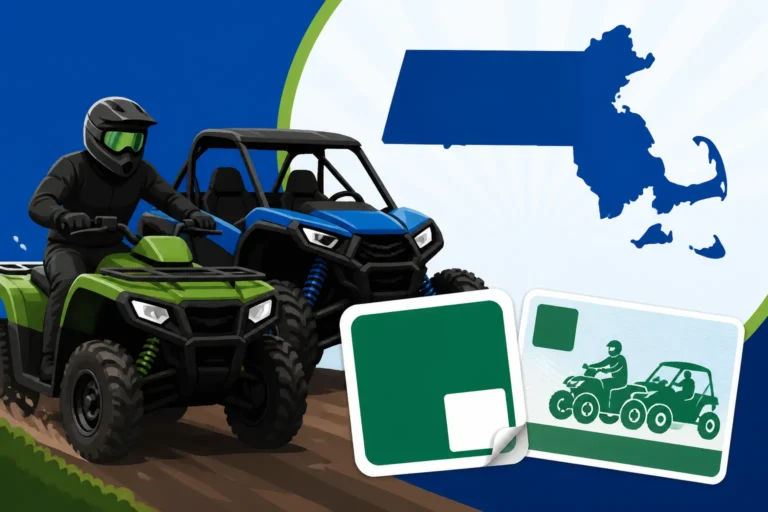
Another key difference is the concept of a title. Many states issue a title for an ATV or UTV, much like a car, which serves as definitive proof of ownership. In Massachusetts, however, there is [Why the Environmental Police Issue a Card, Not a Title]. You'll receive a registration card and decals for your machine, which serve as your proof of legal operation on public lands, but not a separate title document. This can sometimes make documenting your ownership a bit different, especially if you're coming from a state that relied heavily on titles for transfers. It means that other documents, like a bill of sale or previous registration, become even more critical in proving you're the rightful owner.
Resident vs. Non-Resident: Why It Matters Now
When you first arrived, you might have looked into non-resident registration if you were just visiting. Massachusetts charges a different fee and term for visitors compared to residents. For instance, [Massachusetts Charges $33 for Visitors] for a one-year sticker, while [Massachusetts Charges $44 for Residents] for a two-year period. The crucial distinction now is that once you establish residency in Massachusetts, you are no longer eligible for the non-resident registration. You'll need to go through the process as a Bay State resident, which means your registration will be for a two-year term. It's important to make this switch as soon as possible after moving, as operating on an expired non-resident registration while living here could lead to unnecessary trouble if an Environmental Police officer checks your paperwork. This resident status will impact not only the fees you pay but also the duration of your registration, aligning you with the vast majority of local riders.
Getting Your Out-of-State Machine Ready for Bay State Trails
So, you've moved to Massachusetts, your boxes are (mostly) unpacked, and you're itching to hit the trails in Beartown State Forest or October Mountain. Before you can do that, you'll need to ensure your ATV or UTV is properly registered for use within the Commonwealth. This isn't just a formality; it's a legal requirement that helps fund the very trails you want to ride and ensures everyone is operating within state guidelines.
Documentation: The Foundation of Your Registration
When you bring an out-of-state machine into Massachusetts, the Environmental Police need to be sure you're the rightful owner. This means digging up all your previous ownership documents. The most straightforward scenario is if you have a clear bill of sale from your original purchase, especially if you bought it new, or a clean title from your previous state.
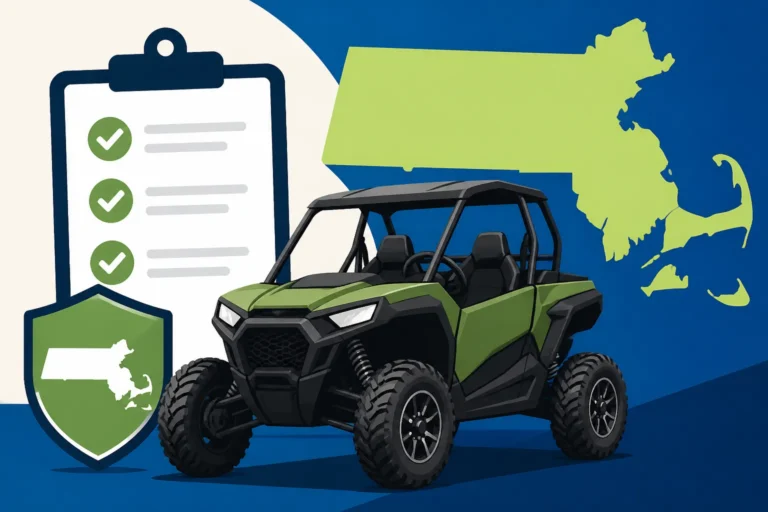
If your machine is brand new and has never been registered anywhere, you'll need the Manufacturer's Certificate of Origin (MCO), sometimes called an MSO. This document is proof that the machine is indeed new and hasn't been previously owned. [Massachusetts Requires an MCO for a New Machine], so hold onto that precious piece of paper. If you bought your machine used, the game changes slightly. [Massachusetts Requires a Bill of Sale for a Used One], so if you have the original bill of sale from when you acquired it, that's your golden ticket. This bill of sale should clearly identify the machine, the buyer, the seller, the date, and the purchase price.
What if you've owned your machine for years, moved multiple times, and the original bill of sale is long gone? Or maybe your previous state didn't require much paperwork for private sales? This is where it gets a little trickier, but it's not impossible. You might need to provide a sworn affidavit of ownership, or perhaps a declaration of gift if the machine was given to you. Resources like LawDepot can be useful here, offering templates for a legally sound bill of sale or affidavit if you need to create one to properly document your ownership for Massachusetts. These documents provide the necessary legal backing when original paperwork is missing.
Sales Tax: The Bay State Wants Its Share
Ah, taxes. They follow us everywhere, don't they? Even if you've owned your ATV or UTV for years, Massachusetts has a use tax that applies when you bring a vehicle into the state for the first time. The sales tax rate in Massachusetts is 6.25 percent, and it applies to the purchase price of your machine. [Massachusetts's 6.25 Percent Sales Tax] is something every new resident needs to be aware of.
If you purchased your machine from a dealer in Massachusetts, they would have collected the sales tax at the time of purchase. However, since you're bringing it from out of state, it falls under the "use tax" umbrella. You'll generally owe use tax if you purchased the machine less than six months before bringing it into Massachusetts and did not pay sales tax to your previous state at a rate equal to or greater than Massachusetts's 6.25 percent. If you paid sales tax in another state, you might get a credit for that amount, preventing you from being taxed twice on the same sale.
You'll need to file [Massachusetts Sales Tax Forms at Registration] (specifically Form ST-6) with the Environmental Police when you register your machine. Even if you believe you don't owe any tax (for example, if you've owned the machine for several years and it's considered personal property, or if it was a genuine gift and you can claim an exemption using [Massachusetts Exemption Form ST-6E]), you still have to complete the form and declare your situation. Failing to address the sales/use tax forms can halt your registration in its tracks. The Environmental Police aren't tax collectors, but they do ensure this paperwork is properly addressed before issuing your sticker.
The Registration Process for Your New Massachusetts Home
Once you have your documentation in order and understand the tax implications, the actual registration process with the Massachusetts Environmental Police is fairly straightforward. You have a few options for submitting your application, but no matter which you choose, preparation is key.
Step-by-Step: Applying for Your Massachusetts OHV Registration
The most common way to register your ATV or UTV is through the Environmental Police's online system. This is generally the fastest and most convenient method.
Here's a general outline of the steps you'll follow:
- Gather Your Documents: As discussed, you'll need your bill of sale or MCO, proof of prior registration (if applicable), and your Massachusetts driver's license or other proof of residency. Have digital copies ready if you're applying online.
- Locate Your VIN: [Massachusetts Requires a VIN on the Application], so make sure you know exactly where to find the Vehicle Identification Number on your machine and have it clearly legible. This is crucial for accurate registration.
- Complete the Application: You can access the application through the [Massachusetts Online Registration System] via the Environmental Police website. You'll input your personal information, machine details, and upload any required documents.
- Address Sales/Use Tax: As part of the online process, you'll be directed to complete the necessary sales/use tax forms (ST-6 or ST-6E) and pay any applicable taxes through the Massachusetts Department of Revenue's MassTaxConnect system. This is a critical step that must be completed before your registration can be finalized.
- Pay Registration Fees: Once the tax situation is handled, you'll pay the appropriate resident registration fee. Remember, as a resident, you'll be getting a [Massachusetts Two-Year OHV Registration] sticker.
- Receive Your Decals and Card: After your application is processed and approved, the Environmental Police will mail you your official registration card and decals. This can take a little time, so plan ahead if you have a specific date in mind for your first ride. While you wait, keep an eye out for updates via email from the Environmental Police.
If you're less comfortable with online systems, or if you have a particularly complex situation (like missing paperwork that requires a detailed explanation), you may still be able to register [Massachusetts Registration by Phone] or in person at certain Environmental Police offices. However, the online system is heavily encouraged for efficiency.
What to Do When Your Paperwork is Tricky
Sometimes, things aren't as simple as having a pristine bill of sale. What if your previous state didn't issue titles, and your only proof of ownership is an old registration card and a handshake deal from years ago? Or perhaps your machine was an inheritance. [Massachusetts Registration for an Inherited Machine] has specific requirements, often involving probate documents or an affidavit from the executor of the estate.
In these situations, the Environmental Police are generally understanding, but they need enough information to be confident in your ownership. Don't be afraid to call their office and explain your unique circumstances before you submit your application. They can often guide you on what additional documentation or affidavits might be accepted. This is another area where resources like LawDepot might come in handy; you could use their templates to create a formal affidavit of ownership or a statement of gift that clearly outlines the machine's history and your claim to it, giving the Environmental Police the necessary legal documentation they need. Having these documents ready, even if they're supplementary, can significantly smooth out the process for an unusual case.
Understanding the Fees and What They Cover
The fee you pay for your Massachusetts OHV registration isn't just a charge; it's an investment in the trails you love to ride. As a Massachusetts resident, you'll pay for a two-year sticker, which covers your machine for legal operation on designated public lands within the Commonwealth. A significant portion of these fees goes directly into the OHV Trail Fund. [Massachusetts Registration Fees Fund Trails] is not just a nice slogan; it's how the state maintains, develops, and secures new riding opportunities for ATV and UTV enthusiasts. So, when you pay your registration fee, you're directly contributing to the future of off-roading in Massachusetts. This includes everything from trail maintenance and signage to purchasing new land for recreational access, ensuring that the next generation of riders has places to explore.
| Document Type | Required For New Machine | Required For Used Machine | Notes |
|---|---|---|---|
| Manufacturer's Cert. of Origin (MCO) | Yes | No | Primary proof of ownership for a new machine. |
| Bill of Sale | No | Yes | Must include VIN, buyer/seller info, date, price. Essential for used machines. |
| Previous State Registration | No | Highly Recommended | Helps establish ownership history if a title/bill of sale is missing or for verification. |
| Massachusetts Sales Tax Form ST-6 | Yes | Yes | Must be filed for all machines, even if claiming exemption or paid out-of-state. |
| Massachusetts Sales Tax Exemption Form ST-6E | Only if claiming exemption | Only if claiming exemption | Use for gifts or other exemptions. |
| Proof of Residency | Yes | Yes | MA Driver's License or other state-approved ID showing your new Bay State address. |
| VIN | Yes | Yes | Crucial for identifying your machine on the application. |
| Affidavit of Ownership | No | Sometimes | For special cases like inherited machines or lost/insufficient original paperwork. LawDepot can assist. |
Beyond Registration: What to Know Before Your First Ride
Getting your machine registered is a huge step, but it's just the beginning of your journey as a Massachusetts OHV rider. The Bay State has specific laws and regulations that govern how and where you can ride, and being aware of these will help ensure you have safe, enjoyable, and legal adventures.
Massachusetts Riding Laws and Requirements
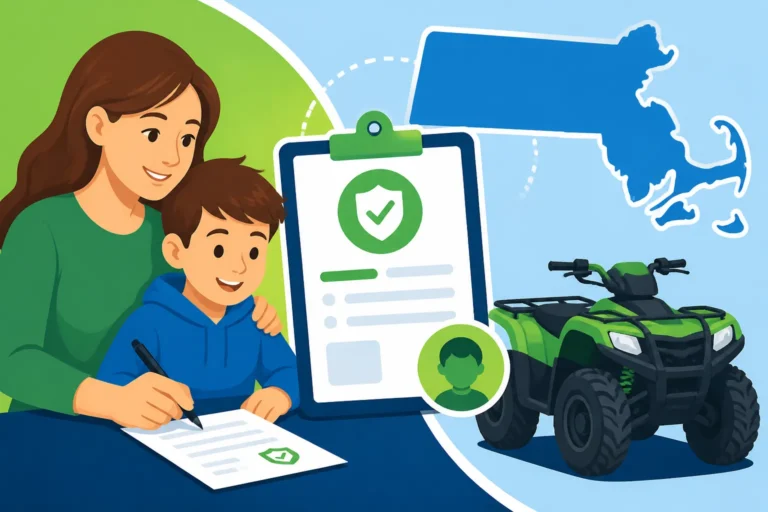
First and foremost, Massachusetts has stringent age restrictions for ATV riders, particularly for youth. [Massachusetts ATV Age Requirements] are among the strictest in the nation, with a complete ban on riders under the age of 14, even on private land. This is largely due to "Sean's Law," enacted after a tragic accident. Riders between 14 and 16 have engine size limitations (under 90cc) and must carry a safety certificate. Anyone under 18 needs to complete a safety course and carry their [Massachusetts Safety Certificates Under 18] when riding on public lands. [Massachusetts Helmet Law for Every Rider] means everyone, regardless of age, must wear an approved helmet when operating an OHV. This is non-negotiable and strictly enforced for your safety.
Another critical rule to remember is the 150-foot dwelling rule. [Massachusetts's 150-Foot Dwelling Rule] states that you generally cannot operate an OHV within 150 feet of a dwelling or building without specific written permission from the owner. This is designed to reduce noise complaints and maintain peace for residents. So, even if you're on a public trail, be mindful of nearby homes.
Where You Can (and Can't) Ride
Massachusetts is not an open-riding state. You cannot just ride anywhere you please. [Massachusetts Bans Riding on Public Ways], meaning roads, streets, and even many unpaved logging roads are off-limits unless specifically designated. The majority of legal riding happens in specific state forests. Currently, the primary OHV-friendly state forests are concentrated in the western part of the state: Beartown State Forest, October Mountain State Forest, and Pittsfield State Forest. [Massachusetts ATV Trails: Three Berkshire Forests] offer miles of designated trails.
Always check with the Department of Conservation and Recreation (DCR) or the specific state forest office before heading out, as trail conditions can change, and closures can occur. [Massachusetts Trail Planning and Closures] are common, especially during mud season or after heavy rains. Also, [Massachusetts Requires Written Permission] from private landowners if you plan to ride on their property. Don't assume implied permission; always get it in writing. This protects both you and the landowner.
Trail Etiquette and Staying Safe
Once you're legally registered and know where to ride, remember to practice good trail etiquette. [Massachusetts Trail Etiquette Locals Expect] includes yielding to hikers and horses, staying on marked trails, keeping your speed appropriate for conditions, and leaving no trace. Pack out everything you pack in.
Consider joining a local ATV or UTV club. [Massachusetts ATV Clubs Worth Joining] often help maintain trails, organize rides, and are a fantastic resource for learning about new areas and local regulations. They're also a great way to meet fellow enthusiasts and make new friends in your new state. Remember to carry your [Massachusetts Registration Cards Carried on Board] (or on your person) at all times while riding, along with your safety certificate if you're under 18. An Environmental Police officer may ask to see them at any time.
Making the move to Massachusetts is exciting, and bringing your OHV with you means you get to continue exploring your passion in a beautiful new landscape. By understanding the unique registration process and state laws, you'll be well on your way to enjoying the Bay State's trails responsibly. Welcome to Massachusetts, and happy riding!
Disclaimer
This article is for general informational purposes only and does not constitute professional advice. Laws, prices and regulations vary by location and change over time. Consult a qualified professional for guidance on your specific situation.