Photographing the VIN Before a Massachusetts Private Sale
Selling or buying a used ATV or UTV in Massachusetts through a private sale can feel like navigating a winding trail blindfolded. One of the biggest potential potholes, for both the seller trying to protect themselves and the buyer trying to ensure they're getting a legitimate machine, revolves around the Vehicle Identification Number, or VIN. This guide is all about why meticulously photographing that VIN before a private sale is a crucial step that can save you a world of trouble and ensure a smoother transaction for everyone involved.
Why Documenting the VIN is Non-Negotiable for Sellers
As a seller, you might be thinking, "Just sell the quad and move on!" But trust me, taking a few extra minutes to thoroughly document the VIN with clear photographs is one of the smartest things you can do. It's not about distrust; it's about good practice and protecting your interests long after the cash has changed hands. In Massachusetts, our off-highway vehicle (OHV) laws are pretty specific, and you want to make sure you've covered all your bases.
Protecting Yourself from Post-Sale Headaches
Imagine this scenario: you've sold your trusty side-by-side, happy with the deal, and then a few weeks later, you get a call. The buyer is claiming the VIN on the machine is somehow different from what was on the bill of sale, or even worse, that it looks tampered with. Without photographic evidence, it's your word against theirs. This kind of dispute can quickly escalate, causing stress, wasted time, and potentially legal fees.
By taking comprehensive photos of the VIN before the sale, you create an undeniable record of the machine's condition and identity at the time of transfer. This visual proof can be a lifesaver if any questions arise later about the specific vehicle you sold. It proves the VIN was clear, legible, and matched the paperwork when it left your possession. This documentation becomes your shield against any accusations of fraud or misrepresentation. You want to make sure you've properly transferred all responsibility, and having solid proof of the machine's identity at the point of sale is a big piece of that puzzle. It's an often-overlooked step that can give you immense peace of mind.
Streamlining the Bill of Sale Process
A clear, accurate VIN is the cornerstone of any legitimate private sale. In Massachusetts, you absolutely need a detailed bill of sale for a used machine when you go to register it. The Environmental Police, who handle all ATV and UTV registrations in the Commonwealth, will be looking for that VIN to match perfectly across all your documents. A photographic record of the VIN makes filling out the bill of sale a breeze.
Instead of squinting at a hard-to-reach VIN plate or writing down numbers incorrectly, you'll have a crystal-clear image to reference. This minimizes errors, which can be a huge hassle down the road when the buyer tries to get their machine registered. Imagine the frustration for both of you if the buyer shows up at the Environmental Police office with a bill of sale that has a typo in the VIN! They'd have to track you down for a corrected form, delaying their riding plans. A reliable online resource like LawDepot can provide excellent templates for a Massachusetts-specific bill of sale. With your clear VIN photo, you can confidently and accurately populate all the necessary fields, ensuring that the document reflects the exact machine being sold. Remember, [What a Bill of Sale Must Show to Register] is crucial, and the VIN is at the top of that list. This attention to detail on your end helps the buyer tremendously, and happy buyers are less likely to come back with problems.
The Buyer's Perspective: Verifying the Machine's Identity
While the seller protects themselves, a buyer uses the VIN documentation for entirely different, but equally vital, reasons. When you're looking at a used ATV or UTV, especially from a private seller, you want to be sure you're buying exactly what's advertised and that it's a legitimate machine. The VIN is your first line of defense against potential scams or unknowingly purchasing a problematic vehicle.
Ensuring the Machine is Legit Before You Buy
Think of the VIN as the off-road machine's fingerprint – no two are exactly alike. Before you hand over your hard-earned cash, you need to verify that the VIN on the machine matches the one on any paperwork provided (like previous registrations or service records), and crucially, that the machine itself isn't stolen. While I can't provide real-time lookups, the importance of checking if a used quad was reported stolen cannot be overstated. A clear photograph of the VIN from the seller allows you to begin this verification process even before you see the machine in person.
If a seller is reluctant to provide clear VIN photos, that should raise a red flag. A transparent seller will understand your need for this information. Once you have the photos, you can cross-reference the numbers with any online databases available or even call your local Environmental Police to see if they can offer any guidance on verifying its status. Don't rush this step. Getting this right prevents the heartache and financial loss of buying a machine that legally isn't the seller's to sell, or one that has a murky history. When you're ready to proceed with the purchase, knowing you've done your due diligence on the VIN provides immense peace of mind.
What to Look for in a VIN Photo (and in person)
When a seller sends you VIN photos, or when you're taking them yourself during an inspection, you're looking for clarity and consistency. The VIN is typically a 17-character code on modern machines, though older models might have fewer. It's usually stamped into the frame of the ATV or UTV, often near the steering head, under the seat, or on the lower frame rail. For some side-by-sides, it might be inside the glove compartment or on a door jamb. [Where to Find the VIN on an ATV or Side-by-Side] can give you more specific locations.
A good VIN photo should be well-lit, in focus, and show all the characters clearly. Look for any signs of tampering – scratches, grinding marks, or numbers that appear to be re-stamped or crudely altered. If the photo is blurry, dark, or only shows part of the VIN, ask the seller for better ones. You want to see the VIN in context, meaning a photo that shows the surrounding area of the frame, not just an extreme close-up that obscures whether it's been messed with. When you inspect the machine in person, compare the VIN on the photos to the physical VIN on the machine. If there's any discrepancy or anything looks suspicious, it's best to walk away. This simple check can save you from a huge headache and ensure that when you eventually register your machine with the Environmental Police, the VIN on your application aligns perfectly with the machine itself.
How to Photograph the VIN Like a Pro (For Sellers)
Now that we understand why VIN documentation is so critical, let's talk about the how. As a seller, your goal is to provide clear, irrefutable evidence of the VIN. This isn't just a casual snap; it's a deliberate act of documentation that protects you and helps your buyer.
Best Practices for Capturing the VIN
Capturing a clear VIN photo often requires a bit more effort than a quick selfie. Here's how to do it right:
- Clean the Area: Before you even think about taking out your phone, make sure the VIN plate or stamping area is clean. Dirt, mud, grease, and rust can obscure the characters. Use a brush or rag to gently clean it. For really stubborn grime, a little WD-40 or a similar cleaner can help, but be careful not to damage any paint or decals.
- Excellent Lighting: Natural daylight is almost always best. Position the ATV or UTV so the VIN area is well-lit, ideally without harsh shadows. If you're indoors, use strong, direct artificial light (like a flashlight) to illuminate the numbers. Avoid glare that can wash out the characters.
- Multiple Angles and Distances:
- Wide Shot: Start with a wider shot that shows the VIN's location on the machine (e.g., the whole front frame or the entire area under the seat). This provides context.
- Medium Shot: Move closer to clearly show the VIN plate itself and the immediate surroundings. This helps prove it's the original location.
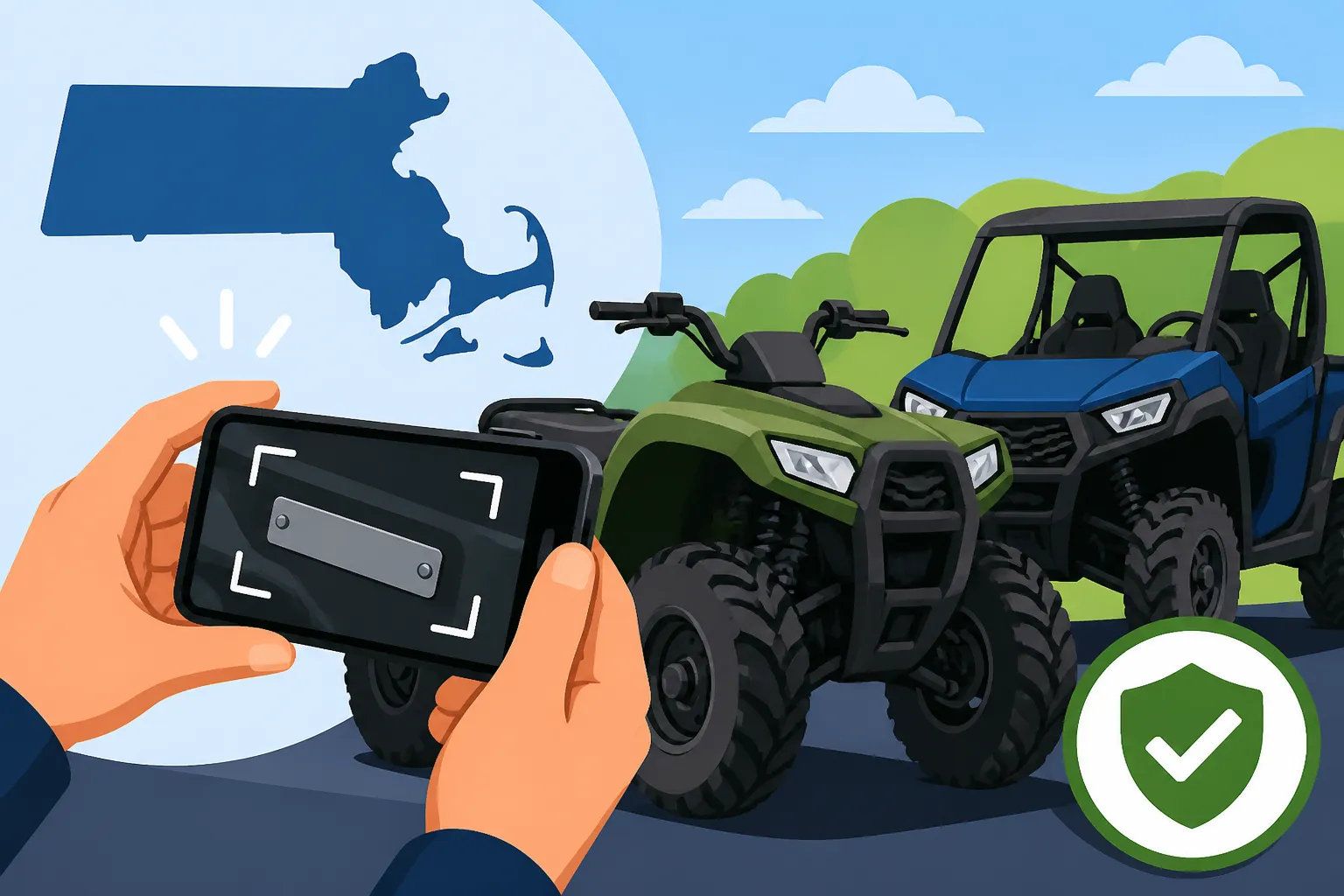
- Close-Up: Get a tight close-up that makes every single character of the VIN perfectly legible. Take several of these, slightly adjusting the angle and focus to ensure at least one is crystal clear.
- Stability: Hold your phone or camera steady. If your hands are shaky, prop your elbow on the machine or a stable surface, or even use a small tripod. Blurry photos are useless.
- Check Your Photos: Immediately after taking the pictures, zoom in on them on your device. Can you read every single character clearly? Are there any shadows or glares obscuring parts of the number? If not, retake them until you get perfect shots. Remember, [Massachusetts Requires a VIN on the Application] and accuracy is paramount.
Here's a quick checklist to help you ensure you've got everything covered:
| Check Item | Seller Action | Why It Matters |
|---|---|---|
| Clean Area | Brush off dirt, wipe away grease. | Ensures VIN characters are visible. |
| Good Lighting | Use natural light or strong artificial light; avoid shadows. | Prevents characters from being obscured or washed out. |
| Multiple Photos | Wide shot (context), medium shot (location), close-up (detail). | Provides comprehensive proof and clarifies exact position. |
| Focus & Clarity | Ensure every character is sharp and legible. | Prevents disputes over illegible or missing characters. |
| No Glare | Adjust angle to eliminate reflections from the VIN. | Ensures all parts of the VIN are readable. |
| Review Immediately | Zoom in on photos to confirm legibility before packing up. | Catches issues on the spot, avoids needing to retake later. |
Storing and Sharing Your VIN Documentation
Once you have those perfect VIN photos, don't just leave them buried on your phone. They're valuable documentation!
- Digital Storage: Save these photos to a secure cloud storage service (like Google Drive, Dropbox, or iCloud) or a dedicated folder on your computer. This protects them from accidental deletion and makes them easy to access if needed later.
- Attach to Bill of Sale: When you complete the bill of sale (which, by the way, you can easily create using a template from a service like LawDepot), make sure you either print out a small copy of the clear VIN photo and staple it to the physical document or, if sending digitally, embed the photo directly into the digital document. This ensures the visual proof is intrinsically linked to the transaction record.
- Sharing with Buyers: Be proactive and share these photos with serious potential buyers before they come to see the machine. This builds trust and allows them to perform their own pre-checks, speeding up the decision-making process. It also answers a fundamental question they have: "Is this machine legitimate?" Being transparent upfront streamlines the entire process, from initial inquiry to when the buyer is finally ready to complete their [Massachusetts Registration After a Private Sale]. It's all about making the transaction as smooth and hassle-free as possible for both parties.
Disclaimer
This article is for general informational purposes only and does not constitute professional advice. Laws, prices and regulations vary by location and change over time. Consult a qualified professional for guidance on your specific situation.