Massachusetts Riding in Summer
Summer riding in Massachusetts can mean warm weather, longer daylight, and a full trailer for the Berkshires—but it can also mean crowded trailheads, sudden storms, ticks, and confusion about which routes actually allow your machine. This guide explains where to plan, how to check access, and what to pack so a day on the trails is safer and less stressful.
Where to ride an ATV or UTV in Massachusetts during summer
Start with designated riding areas in the Berkshires
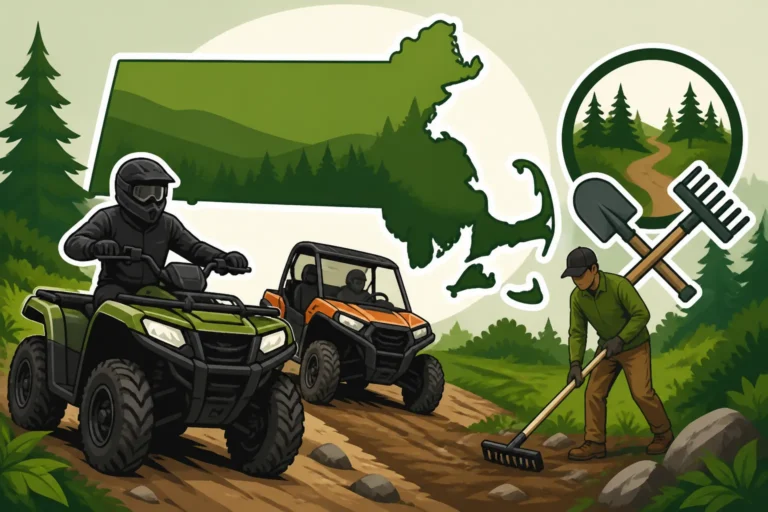
For state forest OHV riding, the Berkshires are the main place many riders look first. Beartown State Forest, October Mountain State Forest, and Pittsfield State Forest are known for designated OHV trail networks. They are not interchangeable, though: trail layouts, access conditions, parking arrangements, and the types of machines allowed can differ. Check the rules for the specific forest and trail system you plan to visit rather than assuming that an open forest road is open to ATVs or UTVs.
Summer is a popular time to visit these areas, particularly on weekends and around holidays. A practical plan starts with confirming that the trails are open, identifying the proper trailhead, and checking whether your machine fits the route’s restrictions. Some narrow or technical trails are not suitable for side-by-sides, even when they are open to certain off-highway vehicles. The guide to [Massachusetts ATV Trails: Three Berkshire Forests] can help you compare the best-known state forest areas before choosing a destination.
Also distinguish OHV trails from roads and paths intended for other uses. A trail that looks rideable on a map may be a hiking route, a bike trail, a closed woods road, or land where motorized use is not authorized. Stick to marked, designated routes and obey signs at the trailhead and along the way. Don’t treat an unmarked spur as an invitation to explore; it may cross private land or a protected area.
Check seasonal access and trail conditions before loading up
Summer does not automatically mean every route is open or in good condition. Trails can close temporarily because of storm damage, maintenance, erosion, fire risk, or other management decisions. Conditions can also change between a planning session at home and your arrival at the forest. Before you hitch up, check current access information through the appropriate land manager and look for any posted notices at the site. [Massachusetts DCR Riding Season] offers useful background on seasonal access, but a general season window is not a guarantee that a particular trail is open on a particular day.
A mapping app such as onX Offroad can help you orient yourself, plan a route, and keep track of where you are, especially when you’re unfamiliar with the area. Treat it as a navigation aid rather than permission to ride. Confirm trail legality and closures with official information and on-site signs; map lines can be incomplete, outdated, or difficult to interpret at boundaries. Download or save what you need before leaving home, because cell service can be unreliable in the hills.
If heavy rain has passed through, reassess the trip rather than assuming the trails will be fine by the next morning. Water can expose rocks, deepen ruts, wash out sections, and make a familiar climb much more difficult. Riding around a muddy or damaged patch can widen the trail and create lasting harm. The advice in [Massachusetts Trail Conditions Before You Tow] and [Massachusetts Trail Riding After Heavy Rain] is especially relevant when summer storms have rolled through.
Plan for summer weather, heat, and trail conditions
Prepare for heat without underestimating the Berkshires
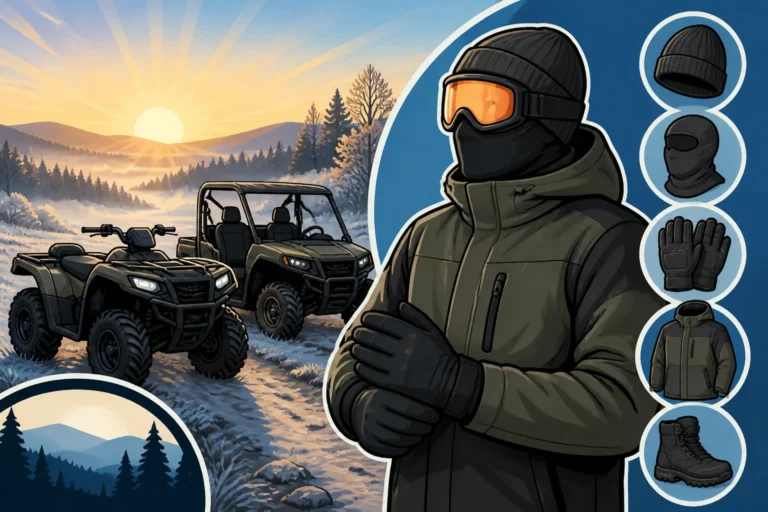
A hot forecast in the valley doesn’t necessarily describe the conditions you’ll feel on a shaded, higher-elevation trail. You may start the day in warm sun, then encounter cooler air, wind, or a sudden shower. Wear protective riding gear that suits the forecast, but avoid dressing as though you’ll spend the entire day standing in direct sun. A breathable base layer, gloves, eye protection, and a light rain layer can make changing conditions easier to manage.
Hydration needs attention before you feel thirsty. Bring more water than you expect to use, and make drinking part of your regular stops instead of waiting until everyone feels worn out. Heat, vibration, concentration, and protective clothing can make a rider tire faster than expected. Plan breaks in a safe place off the trail, and shorten the ride if someone is developing a headache, nausea, unusual fatigue, dizziness, or confusion. Those symptoms warrant stopping and getting appropriate help rather than pushing on to finish the loop.
Keep the machine in mind, too. Slow technical riding, steep climbs, and warm weather can put extra stress on an ATV or UTV. Before leaving, check the basics your owner’s manual recommends, including fluids, tires, brakes, cooling components, and any protective equipment you rely on. If you stop for a longer break, park well clear of the trail so other riders can pass safely.
Treat thunderstorms and wet trails as real hazards
Summer storms can form quickly, and the Berkshires’ wooded terrain can make it harder to see weather moving in. Check the forecast before leaving, but don’t rely on a morning forecast as your only decision point. Keep an eye on darkening skies, distant thunder, sudden gusts, and heavy rain. If a storm is approaching, get off exposed ridges and away from isolated tall trees; follow local emergency guidance and choose a safe place to wait.
Wet roots, slick rock, and leaf litter can change a trail’s difficulty in minutes. Reduce speed, leave room between machines, and avoid sharp steering or sudden braking on slippery ground. A route that feels comfortable in dry weather may be unsuitable for a newer rider after rain. If you’re leading a group, agree in advance that anyone can call for a slower pace or a turnaround without having to justify it.
Avoid riding through deep or fast-moving water, and don’t use a water crossing as a test of how capable your machine is. You may not be able to see the bottom, the current can be stronger than it looks, and water can conceal a drop or washed-out edge. If you can’t assess the crossing safely, turn around. Protecting the machine matters, but protecting the rider and keeping the trail from being damaged matter more.
Pack for a comfortable and responsible ride
Bring the essentials for a full day outdoors
A useful summer packing list is not just tools and snacks. Bring drinking water, food, a first-aid kit, rain protection, a charged phone, and any machine-specific repair items you know how to use. Consider bringing a paper map or another backup navigation option in case your phone battery runs low or service disappears. Let someone at home know where you plan to ride and when you expect to return, especially if your route takes you into an area with limited coverage.
Navigation is easiest when you decide on a simple plan before the ride. Mark your intended starting point, turnaround point, and any places where the group might split or regroup. onX Offroad may help you review a route and record your location, but don’t depend on an app as your only safety tool. Keep a downloaded map, pay attention to trail signs, and make sure each rider knows the basic plan. For a closer look at coverage limitations and preparation, see [Cell Dead Zones in the Berkshire Hills].
If you’re riding with others, match the day’s route to the least experienced rider and the least capable machine in the group. Agree on hand signals or another way to communicate, establish a comfortable following distance, and stop somewhere safe if a rider falls behind. A group that plans for a relaxed pace is less likely to turn a pleasant ride into a stressful scramble.
| Summer concern | What to do before or during the ride |
|---|---|
| Trail access | Confirm the specific route is open and designated for your machine |
| Heat | Carry water, schedule breaks, and watch for signs of heat illness |
| Thunderstorms | Check the forecast, watch the sky, and leave exposed areas if weather approaches |
| Mud or storm damage | Reassess after heavy rain and turn around rather than widening damaged trails |
| Navigation | Save maps ahead of time and use apps as aids, not as proof of legal access |
| Ticks | Use protective clothing, consider repellent, and check yourself after riding |
| Group safety | Set a pace, regrouping points, and a turnaround plan before starting |
Protect yourself from ticks, sun, and small trail problems
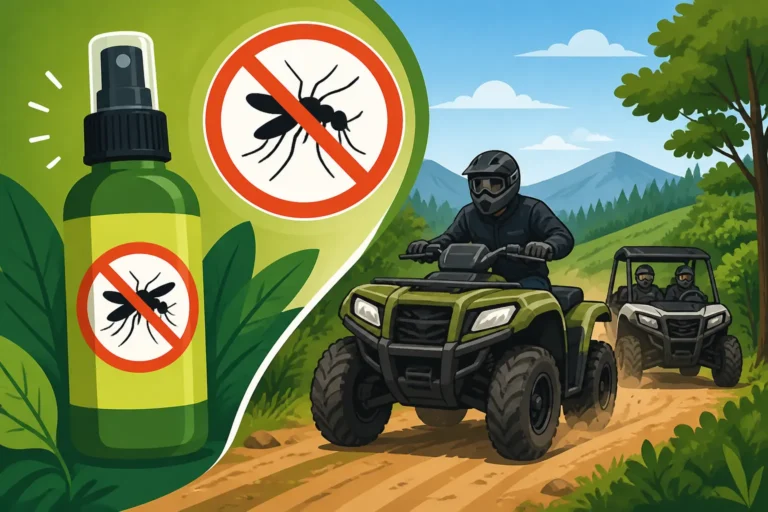
Ticks are a practical summer concern in Massachusetts, particularly when you walk through brush or stop beside vegetation. Wear clothing that covers exposed skin where reasonable, use an appropriate repellent according to its label, and check your clothing and body after the ride. A stop to adjust gear or take a break can put you in contact with plants along the trail edge, so make a tick check part of the end-of-day routine. [Massachusetts Tick Season and Riding Gear] has additional advice for planning around tick exposure.
Sun protection still matters under trees. Your face, ears, and hands may be exposed during a long ride, and reflected light can add to the exposure in open areas. Use sunscreen as directed, wear eye protection suited to the conditions, and reapply when needed. A light long-sleeved layer can offer coverage without making you feel as though you are wearing heavy winter gear.
Carry a small amount of litter home, including food wrappers, drink containers, and broken packaging. Keep noise down near campsites and homes, yield courteously when sharing routes, and don’t leave the marked trail to pass another rider. Local expectations are part of a good visit, not a bonus. [Massachusetts Trail Etiquette Locals Expect] covers the kind of considerate behavior that helps keep riding areas welcoming.
Check rules, registration, and access before the trip
Make sure the machine and paperwork are ready
Before you leave home, confirm that your ATV or UTV is properly registered for use in Massachusetts and that the required registration card is carried with the machine. Riders should also check the applicable rules for their machine, passengers, and route. A registration sticker does not grant permission to ride everywhere, and it does not replace a forest’s access rules or any separate parking or facility requirements. For an overview of the state’s designated riding locations and access considerations, see [Massachusetts Trail Access Without a Pass].
A quick pre-trip paperwork check can prevent an avoidable problem at the trailhead. Confirm that the registration details match the machine, make sure the card is on board, and review any safety-certificate requirements that apply to riders in your group. If you’re bringing a visiting rider, don’t assume a home-state sticker is enough for riding in Massachusetts. [Out-of-State OHV Stickers Are Not Valid in Massachusetts] explains why visiting riders should check the state’s own registration requirements before arriving.
Do a machine check before loading, then another once you reach the staging area. Look for loose gear, visible damage, and anything that could fall off or obstruct a light or number. Secure fuel and tools appropriately during transport, and make sure the trailer and tie-downs are ready for the drive home as well as the trip out.
Keep the ride legal and protect access for everyone
Ride only where motorized use is allowed. Massachusetts does not treat every woods road, trail, conservation area, or public parcel as an OHV route. Private land requires the landowner’s permission, and posted restrictions should be taken seriously. A route visible in a mapping app is not a substitute for permission or an official designation.
Stay on the marked route, respect closures, and avoid creating bypasses around obstacles or wet spots. A shortcut can damage vegetation, disturb wildlife, and make a trail harder to maintain. If a route is blocked or looks unsafe, turn around and report the issue through the appropriate land manager rather than making a new path. This is especially important during summer, when more riders may be using the same areas and fresh damage can quickly spread.
The best summer ride is one that leaves the trail usable for the next person. Check access before towing, carry what you need, ride within your group’s abilities, and be willing to change plans when weather or conditions call for it. A little preparation can spare you a wasted drive—and help protect the limited places where Massachusetts riders can legally enjoy an ATV or UTV.
Disclaimer
This article is for general informational purposes only and does not constitute professional advice. Laws, prices and regulations vary by location and change over time. Consult a qualified professional for guidance on your specific situation.