Massachusetts Registration for a Visiting Rider
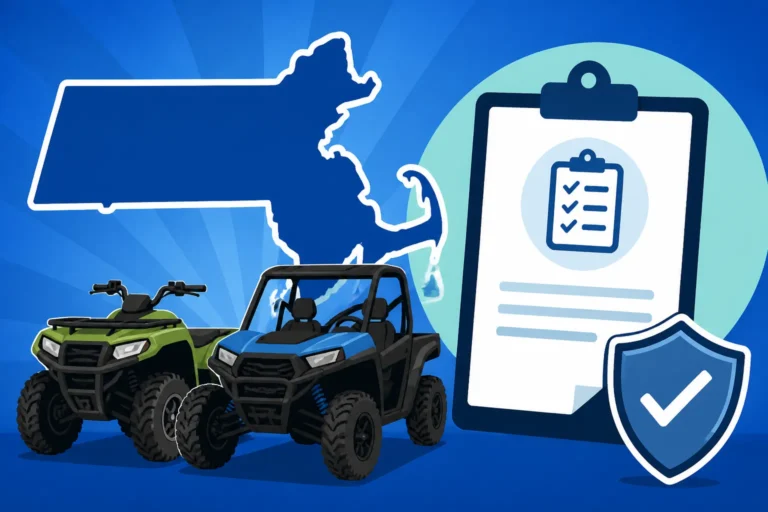
Planning a trip to Massachusetts with your ATV or UTV can be incredibly exciting, but nothing sours the anticipation faster than realizing your machine isn't properly registered for Bay State trails. Many riders mistakenly assume their home-state registration will cover them here, leading to frustration, potential fines, and missed riding opportunities. This comprehensive guide will walk visiting riders through the specific Massachusetts registration requirements, ensuring you can hit the trails with confidence and comply with local regulations.
Understanding Massachusetts's Approach to Visiting Riders
Massachusetts has a unique and sometimes confusing system for registering off-highway vehicles (OHVs), which includes ATVs and UTVs. While many states have reciprocity agreements, meaning they honor registrations from other states, Massachusetts takes a different path. This often catches out-of-state riders by surprise, but understanding the "why" behind it can help you prepare.
Why Your Home State Registration Isn't Enough
Imagine you've meticulously maintained your ATV, you've got your valid registration from New Hampshire, and you're ready to explore the stunning trails of October Mountain State Forest. You pull into the parking lot, excited, only to see signs mentioning Massachusetts OHV registration. Your heart sinks. It's a common scenario, and the core reason is that Massachusetts requires all OHVs operating on public land or certain private lands (unless specifically exempted, like farm use) to be registered within the Commonwealth. It doesn't matter if you're just visiting for a weekend; the law applies equally to residents and non-residents alike.
This isn't meant to be a roadblock, but rather a way for the state to manage and fund its trail systems and ensure all machines meet basic identification standards. Unlike some states where your existing tag might suffice for a short visit, Massachusetts wants every machine that touches its public lands to be part of its own system. This helps with enforcement, incident tracking, and most importantly, directs a portion of your registration fee directly into the [The OHV Trail Fund Your Sticker Pays Into], supporting the very trails you plan to ride. It's a key difference from many other states that riders often overlook, leading to unexpected complications.
The Massachusetts OHV Sticker: Your Gateway to Trails
So, what exactly does Massachusetts require? For visiting riders, you'll need to obtain a Massachusetts OHV registration sticker. This isn't a temporary permit; it's a full registration with its own unique decal and registration card. Think of it as purchasing a short-term passport for your machine to operate within Massachusetts. This sticker is your official proof that your ATV or UTV is legally recognized to be on state-managed trails and other permissible riding areas. The sticker itself is distinctive and carries a specific expiration.
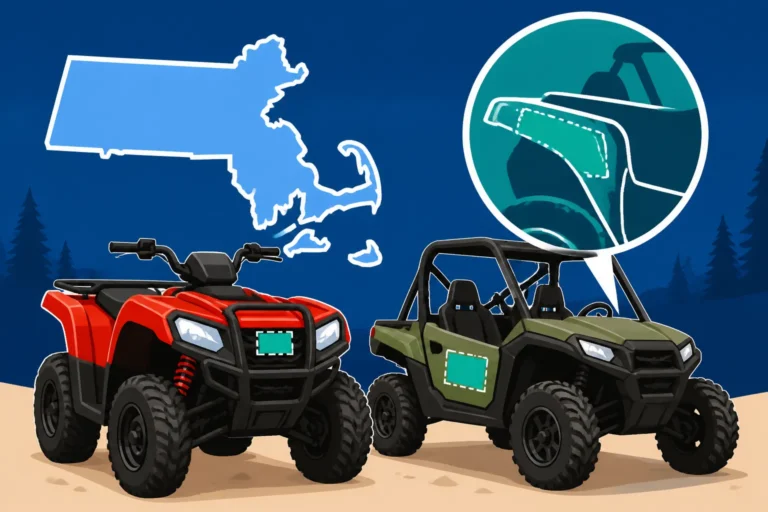
The process is managed by the Massachusetts Environmental Police (MEP), not the Registry of Motor Vehicles (RMV) as you might expect for a street-legal vehicle. This is another point of confusion for many. The MEP handles all OHV registrations, from ATVs and UTVs to dirt bikes and snowmobiles, because their primary focus is on recreational safety and environmental protection in the areas where these machines are operated. Your sticker will be affixed to your machine in a specific location, and you'll receive a registration card that you must carry with you while riding. [Massachusetts Issues Decals and a Card] makes it clear that having both elements correctly displayed and carried is non-negotiable for anyone hitting the trails.
Step-by-Step Guide to Registering as a Visiting Rider
The registration process for a visiting rider in Massachusetts isn't overly complicated, but it does require attention to detail and ensuring you have all the necessary documentation. It's best to handle this before you even load your machine onto the trailer for your trip.
Gathering Your Essential Paperwork
Before you even think about filling out forms, get all your ducks in a row. You'll need several key pieces of information and documentation, similar to what a resident would need. This usually includes proof of ownership, your personal identification, and details about your OHV.
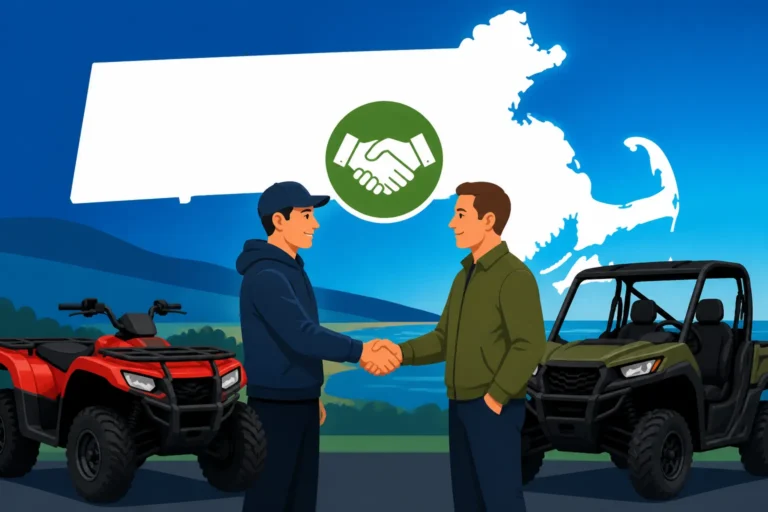
First and foremost, you'll need proof that you own the ATV or UTV. If your machine is new, this will typically be the Manufacturer's Certificate of Origin (MCO). If you purchased it used, you'll need a bill of sale. It's important that this document clearly shows the VIN (Vehicle Identification Number), the make, model, and year of the machine, and details of the seller and buyer. If you've ever needed a robust legal document for a private sale, you might know that services like LawDepot offer templates for bills of sale that can cover all the necessary information, ensuring you don't miss anything critical. Make sure the VIN on your paperwork matches the VIN physically stamped on your machine perfectly. The Environmental Police will be looking for this. You'll also need to provide your personal identification, such as a driver's license from your home state, and your current address.
Here's a quick checklist of common documents you'll need:
| Document Type | Description | Purpose |
|---|---|---|
| Proof of Ownership | Manufacturer's Certificate of Origin (New) or Bill of Sale (Used) | Establishes legal ownership of the OHV |
| Personal Identification | Valid driver's license from your home state | Verifies your identity and residency |
| OHV Details | Make, model, year, engine size, VIN, color | Identifies the machine being registered |
| Payment Method | Credit card (online) or check/money order (mail) | Covers the registration fee |
Remember, accuracy is paramount. Any discrepancies in names, addresses, or VINs can cause delays in your application. It’s always a good idea to have clear, legible copies of everything, even if you’re applying online, just in case they request them. For instance, if your bill of sale isn't perfectly clear, having a supplementary document, perhaps generated through a service like LawDepot, can provide additional clarity on the transaction details.
Navigating the Application Process
Massachusetts offers a couple of ways to register your OHV as a visiting rider. The most convenient method for out-of-state individuals is typically through their online system. This allows you to complete the application from the comfort of your home, reducing the need for an in-person visit.
To register online, you'll visit the Massachusetts Environmental Police's online registration portal. Here, you'll input all the information you gathered in the previous step, upload any required documents (like your bill of sale or MCO), and pay the applicable non-resident registration fee. [Massachusetts Online Registration System] provides the official portal for this. It's a fairly straightforward process, guiding you through each section. Be prepared to create an account if you don't already have one. If you prefer, you can also register by mail, though this process will naturally take longer due to mailing times. For mail-in applications, you'll download the necessary forms, fill them out, include copies of your supporting documents, and send them along with a check or money order. For a non-resident, the sticker is valid for one year, and there's a specific fee associated with it. [Why a Non-Resident OHV Sticker Costs $33] explains the cost difference compared to a resident sticker. This fee, along with all registration fees, contributes to the overall management and improvement of the state’s OHV trails.
What to Expect After You Apply
Once your application is submitted and payment is processed, there's a waiting period. The Environmental Police will review your submission, and if everything is in order, they will mail your registration decals and card to the address you provided. It’s important to factor in this processing and mailing time, especially if you have a specific riding trip planned. Don't wait until the week before your trip to apply!
It's common for out-of-state riders to worry about how long this takes. While specific turnaround times can vary, giving yourself ample lead time – at least a few weeks – is a smart move. Once you receive your decals, make sure to affix them according to Massachusetts regulations, which generally means on the forward half of both sides of your machine. Your registration card, which lists your machine's details and your registration number, must always be carried on board while you are riding. [Massachusetts Registration Cards Carried on Board] is a critical rule to remember for every ride.
On the Trail: What Visiting Riders Need to Know
Getting your OHV registered is a huge step, but it's just the beginning. Once you're actually in Massachusetts and heading to the trails, there are specific protocols and laws you need to be aware of to ensure a smooth, enjoyable, and legal riding experience.
Carrying Your Registration Card and Decals
You've got your shiny new Massachusetts OHV decals and your registration card in hand – excellent! Now, the crucial part is making sure they are correctly displayed and readily accessible. The decals must be placed on the forward half of both sides of your ATV or UTV. This ensures they are clearly visible to law enforcement and trail managers. There's usually a smaller expiration decal that goes on the left side of your machine, indicating when your registration will expire. Proper placement isn't just a suggestion; it's a legal requirement. [Massachusetts Decal Placement Rules] goes into more detail about where exactly these go, preventing any guesswork.
Your registration card, however, is not meant for display on the machine. Instead, it must be carried on your person or in a readily accessible compartment on the OHV whenever you are operating it. This means you should have it in your pocket, wallet, or a storage box that's easy to open if an Environmental Police officer requests to see it. It’s your proof of legal operation, much like your driver's license for a car. For instance, if you're riding in Pittsfield State Forest and an officer approaches you for a routine check, they'll expect to see this card. Many riders keep it in a Ziploc bag in their riding jacket pocket to protect it from the elements.
Understanding Massachusetts Riding Laws
Beyond registration, Massachusetts has a comprehensive set of laws governing OHV operation that all riders, residents and visitors alike, must adhere to. These laws cover everything from age and helmet requirements to where you can and cannot ride. It's often said that Massachusetts has some of the strictest OHV laws in the nation, particularly concerning youth riders, so it's vital to be informed.
For example, [Massachusetts ATV Age Requirements] details the strict age and engine size restrictions. Riders under 14 are generally prohibited from operating ATVs, even on private land, except in very specific sanctioned events. There are also limitations on engine size for riders between 14 and 16 years old. Everyone, regardless of age, is required to wear a helmet that meets specific safety standards while riding an OHV in Massachusetts. Additionally, written landowner permission is always required for riding on private property, and operating within 150 feet of a dwelling without consent is strictly forbidden. Familiarizing yourself with these rules, especially those found in [Massachusetts ATV Laws Under Chapter 90B], can prevent serious citations and ensure a safe trip. If you're planning on doing any kind of organized event, be sure to check specific rules and permit requirements, which might also involve documentation similar to what you’d find templates for on LawDepot for liability waivers or group agreements.
Planning Your Ride: Forests and Fees
Massachusetts boasts some fantastic natural beauty, and while there are public lands open to OHV use, the number of designated trail systems is somewhat limited compared to other states. Most OHV riding in Massachusetts occurs in the western part of the state, primarily in three state forests: Beartown State Forest, October Mountain State Forest, and Pittsfield State Forest. These forests offer miles of diverse terrain suitable for ATVs and UTVs.
However, access to these areas often comes with day-use parking fees. These fees are separate from your OHV registration and help maintain the facilities at the trailheads, such as parking lots and restrooms. The cost can vary, and sometimes there's a different rate for Massachusetts residents versus out-of-state visitors. For example, [Massachusetts Day Use Fees at a Forest] explains how these fees contribute to the overall experience. Always check the specific Department of Conservation and Recreation (DCR) website for the forest you plan to visit before you head out, as fees and even trail conditions or closures can change. It's also worth noting that the OHV riding season in Massachusetts typically runs from May 1st to November 30th, so plan your visit within those months to avoid disappointment. [Massachusetts DCR Riding Season] confirms these dates.
Common Questions and Tips for Out-of-State Riders
Even with a comprehensive guide, specific questions always pop up. Here are some answers to common inquiries and practical tips to make your Massachusetts OHV adventure as smooth as possible.
How Long Does the Visitor Registration Last?
The Massachusetts OHV registration for a visiting rider is valid for one year from the date of issuance. This is different from the two-year registration term offered to Massachusetts residents. So, if you register on June 15th, your sticker will be valid until June 14th of the following year. This annual renewal cycle means if you plan to visit Massachusetts regularly, you'll be going through this process each year. [Non-Resident ATV Registration Costs $33 for One Year] clarifies this specific term.
It’s crucial to keep track of your expiration date, especially if you intend to make annual trips. There's no grace period for an expired sticker, and riding with one can lead to fines. While the Environmental Police don't typically send renewal notices to out-of-state addresses, it's wise to set a reminder for yourself. When it's time to renew, the process is very similar to your initial registration: you'll use the online system again, provide updated information if necessary, and pay the non-resident fee.
Troubleshooting Common Issues
Sometimes, despite your best efforts, things can go awry. What if your decal peels off mid-ride? Or you lose your registration card? The Environmental Police understand that life happens. If a decal becomes lost or damaged, you can apply for a duplicate sticker. There's a small fee associated with this, and you'll typically need to contact the Environmental Police or use their online system to request a replacement. [Massachusetts Duplicate Sticker at $5.50] details this fee. Similarly, if your registration card is lost or destroyed, you can request a duplicate. Having legible copies of your original application and proof of ownership can expedite these processes.
Another common concern for out-of-state riders is navigating unexpected legal situations. Should you receive a citation, it's important to understand the process. Environmental Police officers enforce OHV laws, and citations are typically handled through the district court system. While most riders aim to avoid these situations, knowing the basics of [Disputing an OHV Citation in District Court] can be helpful.
Making the Most of Your Massachusetts Riding Experience
To truly enjoy your time on Massachusetts trails, a little extra preparation goes a long way. Beyond the legal requirements, think about practical aspects:
- Trail Conditions: Always check the DCR website or call the specific state forest ranger station before you travel. Trails can close due to weather, logging operations, or maintenance. [Massachusetts Trail Conditions Before You Tow] is a crucial step.
- Gear Up: Massachusetts weather can be unpredictable. Pack appropriate riding gear for various conditions, including rain gear, layers for temperature changes, and plenty of water. Also, don't forget bug spray, especially during warmer months.
- Safety First: Massachusetts has no insurance mandate for OHVs, but considering optional coverage is always a good idea, especially for theft or collision. [Massachusetts Insurance Worth Buying Anyway] can provide peace of mind. Familiarize yourself with trail etiquette, yield to hikers and horses, and always ride within your skill level.
- Local Resources: Join local Massachusetts OHV clubs if you plan to visit frequently. They often have the most up-to-date information on trail conditions, closures, and organized rides. These clubs also often work with landowners and state officials, making them an invaluable resource. Sometimes, they even have insights into getting necessary permissions or understanding specific local nuances, potentially even using templates from LawDepot for formal requests or club documents.
By being diligent with your registration, respecting the local laws, and preparing for your adventure, your visit to Massachusetts for ATV and UTV riding can be incredibly rewarding. The landscapes are beautiful, and the trails offer a unique experience.
Disclaimer
This article is for general informational purposes only and does not constitute professional advice. Laws, prices and regulations vary by location and change over time. Consult a qualified professional for guidance on your specific situation.