25 Miles in One Berkshire Forest
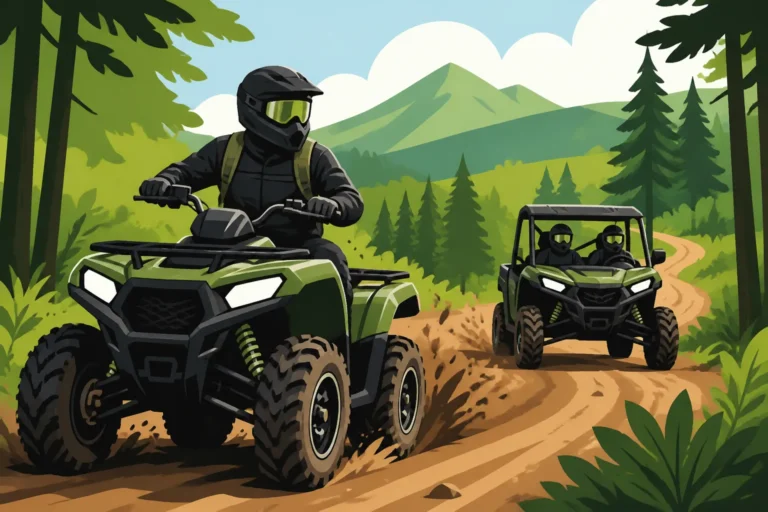
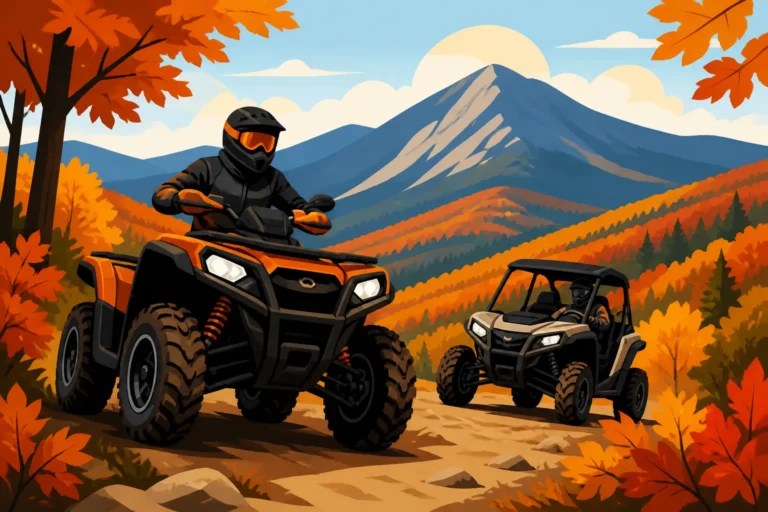
Beartown State Forest is often described as having about 25 miles of off-highway vehicle trails, but that number does not mean there is one simple 25-mile loop—or that every route is open on every visit. This guide explains what to expect, how to plan a ride, and what ATV and UTV riders should check before hauling a machine to the South Berkshires.
What the 25 miles at Beartown State Forest really means
A network of trails, not one continuous loop
Beartown State Forest’s roughly 25 miles of OHV trails are best thought of as a trail network. The mileage may include connected sections, branches, and routes that riders combine into a day’s outing. Your actual ride can be shorter or longer depending on which routes are open, where you start, and whether you retrace part of your path.
That distinction matters when you’re estimating time. A rider who sees “25 miles” and expects a straightforward loop may arrive to find a more complicated network, variable terrain, or a route that requires backtracking. Plan around the specific trail map and current access information, not just the headline mileage. For a broader look at the area’s designated riding options, see Massachusetts ATV Trails: Three Berkshire Forests.
Beartown is in the South Berkshires, with forest land around communities such as Monterey and Great Barrington. It is a large, wooded setting, not a developed riding park with a predictable circuit and services at every turn. Expect the ride to feel like a forest outing: you’ll need to manage your own pace, stay aware of changing conditions, and be ready for stretches where cell service may be unreliable.
Trail mileage does not guarantee access to every route
A forest can contain roads, paths, and recreational areas that are not open to ATVs or UTVs. The advertised OHV mileage refers to designated riding routes, not permission to explore every road or track you can see. Follow posted signs and official maps, and do not assume that an unmarked connector is legal to ride.
Access can also change because of maintenance, weather damage, seasonal restrictions, or temporary closures. A route shown on an older map may not be suitable or available when you arrive. That’s why Massachusetts Trail Conditions Before You Tow is useful planning reading, especially if you’re making a long drive with a trailer.
Keep the same caution in mind when using a digital map. onX Offroad can help you orient yourself and plan around a broader area, but an app view should not replace official trail information or signs on the ground. If map layers appear to disagree, use posted restrictions and the state’s current guidance as your authority.
Choosing a machine and planning a realistic ride
Check that your ATV or UTV is allowed
A trail system described as an ATV riding area is not automatically suitable for every side-by-side. UTVs can be wider than quads, and narrow turns, obstacles, or trail features may make a route impractical or prohibited for a particular machine. Before loading up, verify which types and sizes of off-highway vehicles are allowed on Beartown’s designated routes.
This is an easy detail to overlook when you’re focused on the drive, fuel, and gear. A group might have several quads and one side-by-side, for example, and assume the whole group can ride together because everyone is registered. Confirm the vehicle rules for the route rather than relying on what another rider remembers from a previous season. Massachusetts Trails That Allow Side-by-Sides can help explain why vehicle compatibility needs its own check.
Also consider your machine’s condition and setup. The Berkshires can be rocky and uneven, so inspect tires, brakes, steering, lights, and protective equipment before the trip. A basic trail repair kit, water, a charged phone, and a paper map can make a real difference if a ride takes longer than expected or a device loses signal.
Match the ride to the group’s experience
Beartown is not necessarily the best place to take a first-time rider simply because the forest has a published mileage figure. Berkshire OHV routes can be demanding, and a trail that feels manageable to an experienced rider may be stressful for someone learning throttle control, braking, or how to handle uneven ground. Review Massachusetts Trails Rated Intermediate and Up when deciding whether the riding suits your group.
Set expectations before you unload. Agree on a pace, a meeting point, and a simple way to regroup if riders become separated. Newer riders often do better when they follow an experienced lead rider and have another capable adult riding behind them, rather than being placed in the middle of a fast-moving group.
A useful plan is to choose a shorter outing first and leave room to extend it only if conditions and energy allow. That is especially sensible with children, mixed-experience groups, or riders who have not been to Beartown before. The goal is to finish with enough daylight, fuel, and patience—not to cover every possible mile.
| Planning question | Why it matters | What to do before leaving |
|---|---|---|
| Is the route open? | Closures and conditions can change | Check current forest information and posted notices |
| Is my machine permitted? | UTV width or vehicle rules may affect access | Confirm the rules for the specific OHV area |
| How much of the network will we ride? | The mileage is not necessarily one loop | Choose a route and estimate a conservative turnaround time |
| Will we have reliable navigation? | Cell service may be limited in wooded terrain | Carry an offline map and a paper backup |
| Does everyone have the required documents? | Registration and rider requirements still apply | Check registration, safety, and equipment rules before the trip |
Getting ready for a day at Beartown
Verify conditions before you tow
A quick check before departure can save a frustrating trip. Look for current notices about access, trail conditions, and seasonal riding rules. If the information you find is unclear, contact the forest office before loading the trailer; Calling Beartown State Forest Before You Tow covers why that extra step can be worthwhile.
Weather deserves attention even when the forecast looks manageable at home. Heavy rain can leave a route muddy or damaged, while a dry spell can make dust more of a nuisance for riders behind you. Recent storms may also bring down branches or change the condition of a trail. If conditions are questionable, be willing to shorten or postpone the ride rather than pushing through a route that feels unsafe.
Check the seasonal access rules as well. Massachusetts OHV riding is subject to a defined DCR season, and the opening and closing period is not a promise that every route will be usable throughout that window. Read Massachusetts DCR Riding Season and verify any location-specific restrictions close to your planned visit.
Pack for a wooded Berkshire outing
Bring more water than you think you’ll need, especially on a warm day or when your group plans to be out for several hours. Pack food, basic first aid supplies, a small tool kit, and any machine-specific items you may need for a minor repair. Make sure everyone knows where the supplies are rather than leaving all essentials in one person’s vehicle.
Navigation is worth planning in layers. Download or save the route information before you leave home, and carry a paper map as a backup. onX Offroad may be useful for checking your position and understanding nearby route options, but save the relevant map ahead of time and verify that your intended route is officially open. A phone with a map app is helpful; it is not a substitute for a plan if the battery dies or reception drops.
Finally, take a moment at the trailhead to review the day’s expectations. Keep noise down near other forest users, yield appropriately, and stay on designated routes. These small choices help protect access and make the ride more pleasant for everyone. Massachusetts Trail Etiquette Locals Expect offers more guidance on sharing trails responsibly.
Rules, access, and a safer ride
Registration and rider requirements still apply
A forest setting does not remove Massachusetts OHV requirements. Before riding, make sure the machine is properly registered for the situation and that the registration card and decal are handled as required. Riders should also check whether age-related safety certificate, supervision, helmet, and equipment rules apply to them. The state’s requirements are separate from any trail-specific conditions, so satisfying one does not automatically satisfy the other.
If you are bringing a visiting machine from another state, do not assume its home-state registration is enough for riding in Massachusetts. Review Massachusetts Rules for an Out-of-State Machine and The Registration Card You Must Carry in Massachusetts before the trip. Sorting out paperwork in advance is much easier than discovering a problem at the trailhead.
Ride with other forest users in mind
Beartown is a forest recreation area, not a private course reserved for one riding group. Keep to designated OHV routes, obey signs, and give other trail users room. Slow down when visibility is limited, around blind turns, and whenever you approach people on foot or other vehicles. Dust, noise, and speed can quickly turn a shared forest experience into an unpleasant one.
If you ride with a group, space riders out enough to see and react to trail conditions, but keep the group close enough to communicate. Agree that no one will pass a junction without confirming the group is together. A simple head count at stops can prevent the familiar problem of one rider turning onto the wrong branch while everyone else assumes they are still behind.
Good planning does not mean trying to control every detail. It means knowing what routes are allowed, choosing a ride that fits the group, and having a backup plan if the forest is closed or conditions are poor. For Beartown, that is the difference between treating “25 miles” as a promise and using it as a starting point for a thoughtful day on the trails.
Disclaimer
This article is for general informational purposes only and does not constitute professional advice. Laws, prices and regulations vary by location and change over time. Consult a qualified professional for guidance on your specific situation.