Calling Beartown State Forest Before You Tow
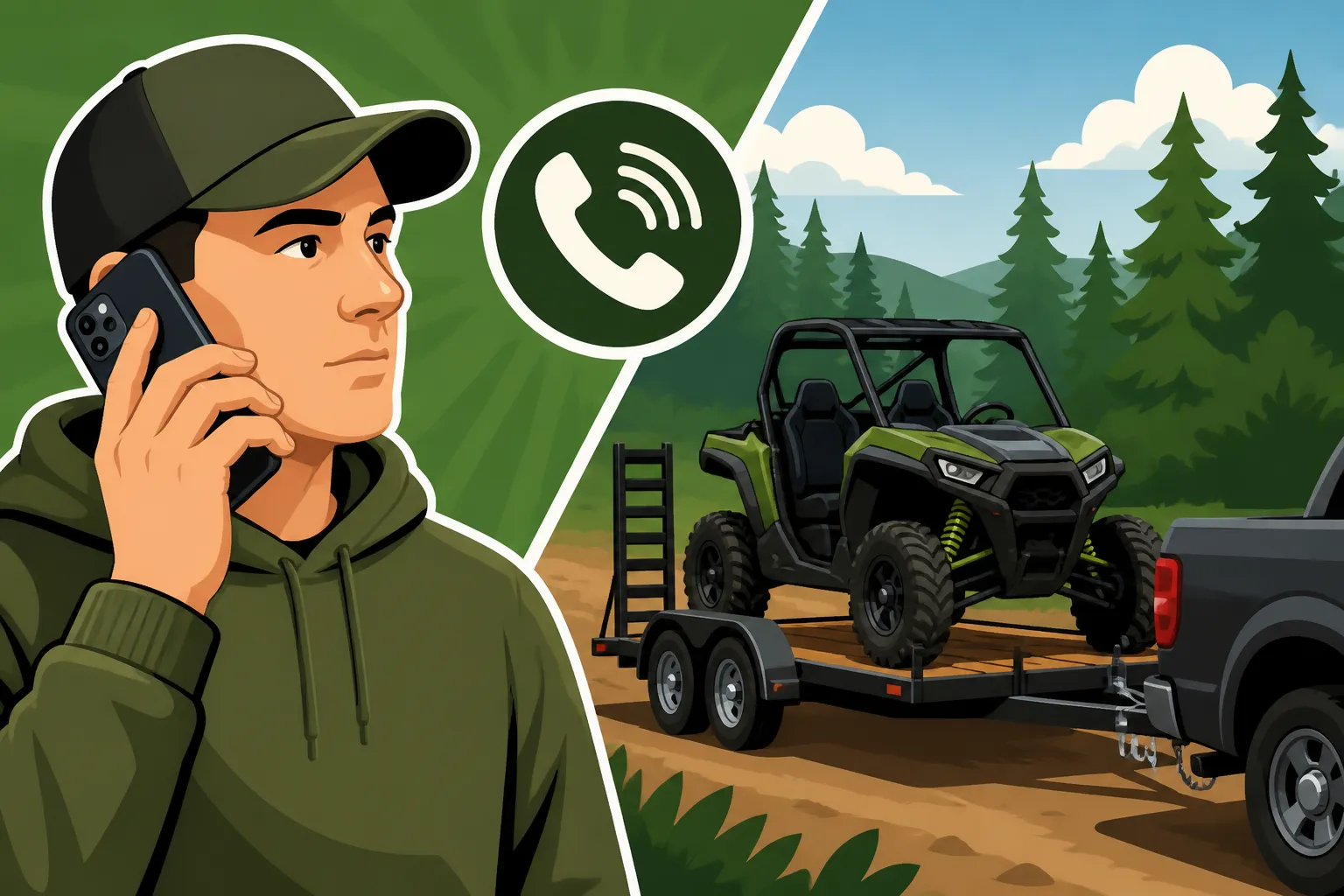
A long tow to Beartown State Forest can turn into a frustrating day if you arrive to find a closed trail, a full staging area, or rules that don’t fit your machine. Calling before you leave is a practical way to confirm the details that matter, plan a backup, and avoid hauling an ATV or UTV to a ride that isn’t available to you.
Why Call Beartown State Forest Before You Tow
Conditions and access can change
A trail that was open on your last visit may not be suitable or available on the day you plan to ride. Storm damage, fallen trees, muddy conditions, maintenance work, seasonal closures, or other management decisions can affect access. Even if the forest remains open to visitors, particular routes or facilities may not be.
That uncertainty matters more when you’re towing. A local rider can change plans at short notice; a visitor with a truck, trailer, passengers, and a full day set aside has more to lose. A brief call before departure can help you decide whether to go, delay the trip, or choose a different place to ride.
Treat trail conditions and opening information as trip-planning details to verify, not assumptions to make from an old post or a map. The forest office or the appropriate Massachusetts Department of Conservation and Recreation contact is the best starting point for questions about current site access. If you cannot reach anyone, don’t assume silence means the trails are open.
A forest visit is not automatically permission to ride
Beartown State Forest is a public recreation area, but that does not mean every road, trail, or open-looking track is available to ATVs and UTVs. Access can be limited by designated routes, vehicle type, seasonal rules, or closures. A route that appears on a map may not be an authorized motorized trail.
Before heading out, confirm that the riding area is open to the kind of machine you’re bringing and that you understand which routes are permitted. That distinction is especially important for side-by-sides, which may be wider than the trails or barriers allow. Don’t assume that a vehicle’s ability to fit down a route makes it legal to ride there.
If you’re still learning how registration and state-land access fit together, review [Massachusetts Registration and Trail Access] and [Massachusetts Trails That Allow Side-by-Sides]. A registration sticker is not a substitute for permission to ride a particular trail, and a general forest map is not necessarily a motorized-use map.
A call can save more than towing time
The most obvious reason to call is to avoid driving a trailer to a closed or unsuitable trail. But the conversation can also clarify where riders should enter, whether a specific parking area is used for OHV staging, and whether there are instructions you should know before arriving.
That can reduce stress for everyone in the group. If one person is towing two machines and another is following in a separate vehicle, a clear plan avoids last-minute texts from the trailhead. If children or less experienced riders are coming, knowing in advance that the planned area is unavailable gives you time to choose a safer alternative rather than improvising.
A call is not a guarantee that conditions will remain unchanged during your drive. It is one useful check in a larger plan: confirm with the forest, check any available official notices, and give yourself enough flexibility to turn around or ride elsewhere if circumstances change.
What to Confirm Before You Leave
Ask whether motorized riding is open
Start with the most important question: is the designated OHV riding area open for the day or period you plan to visit? Be specific that you’re asking about ATV or UTV riding, not just whether the forest is generally open to the public. A forest can welcome hikers and other visitors while motorized access is restricted.
Then ask whether any parts of the riding area are closed or affected by conditions. If the answer is vague, clarify whether the restriction applies to the whole motorized area, a particular route, or a parking or staging location. If staff cannot speak to a specific trail condition, ask what official channel they recommend checking before you start driving.
It also helps to give your expected arrival date and time. A general answer about the season may not answer a question about a closure that began recently or a facility that is unavailable on a particular day. Keep the conversation focused, polite, and practical: you’re trying to make sure your trip follows the rules and doesn’t add problems for staff or other visitors.
Check that your machine fits the permitted use
Tell the person you contact what you plan to bring: ATV, side-by-side, dirt bike, or another type of off-highway vehicle. If you’re bringing a UTV, mention its approximate width and whether it has multiple seats. A broad question like “Can I ride there?” may not reveal a restriction that applies to a particular vehicle class.
Ask whether machines of that type are permitted on the designated routes and whether there are any size or access limitations you should know about. If the answer is uncertain, don’t treat it as approval. Ask where you can find the applicable official rules, and be prepared to choose a different riding location if you can’t establish that your machine is allowed.
Before loading, check the vehicle itself too. A poorly secured ramp, a damaged tie-down, or a machine that won’t start reliably can turn a long drive into a different kind of bad day. For a broader pre-ride routine, [Massachusetts Registration Before Your First Ride] is a useful companion to this trip-specific check.
Confirm the correct arrival and staging plan
Ask which entrance or parking area riders should use, and whether trailers are permitted in the appropriate lot. Don’t assume the most obvious gate or pull-off is the correct staging point. Forest roads can have different uses, and a parking area that works for a passenger car may not be suitable for a truck and trailer.
If a particular lot is full, closed, or not intended for OHV staging, ask whether there is an alternative that riders are allowed to use. Avoid planning to park along a road shoulder or block a gate unless staff explicitly direct you to do so. An improvised parking choice can create a safety issue and may prevent emergency or maintenance vehicles from getting through.
Clarify any arrival instructions that might affect your timing, such as access limitations or a need to check in. Don’t ask staff to promise that a parking spot will be available unless they specifically manage reservations or capacity that way. Instead, ask what riders should do if the lot is full when they arrive.
A Useful Call Script and Trip Checklist
Keep the call focused
You don’t need a long conversation to get useful information. Have the date, vehicle type, and basic travel plan ready. If you’re bringing a group, say so, and explain whether you’re towing one machine or several. The more specific your question, the less likely you are to leave with a misleading general answer.
A straightforward script might sound like this:
“Hello, I’m planning to visit Beartown State Forest on [date] with an [ATV or UTV]. Could you tell me whether the designated motorized riding area is open, whether there are any current closures or access restrictions, and where riders with a trailer should park? Is there an official page or notice I should check again before leaving?”
If the answer raises another question, ask it plainly. For example: “Does that apply to side-by-sides too?” or “Is the closure limited to one section?” If the person who answers doesn’t know, ask whether there is another official contact or a posted update you can consult. Be courteous if staff are busy; a concise, respectful call is more likely to get you the details you need.
Write down the details that affect your decision
After the call, note what you learned and when you learned it. Record the contact channel, any restrictions mentioned, and the place staff identified for staging. This is not a replacement for posted rules or a permit, but it helps you remember the plan when you’re coordinating several people.
A quick checklist can keep the details straight:
| What to confirm | Why it matters | What to write down |
|---|---|---|
| Motorized area open on your planned date | General forest access may not mean OHV access | Status and date checked |
| ATV or UTV eligibility | Vehicle rules may differ by type or size | Machine type discussed |
| Current closures or conditions | Routes may be affected after weather or maintenance | Affected location and any official update |
| Parking and trailer staging | A suitable lot may not be obvious on arrival | Approved entrance and staging area |
| Additional official instructions | Rules may require another check or action | Contact or notice to consult |
| Backup plan | A closure or full lot can change the day | Alternate destination or return plan |
If you use a navigation app such as onX Offroad, use it as a planning aid rather than proof that a route is open or approved for motorized use. Confirm access through official forest information, and compare what you see on the screen with signs and barriers on the ground. A mapped line can be helpful for orientation, but it should not override a closure or posted restriction.
Make a go-or-no-go decision before hitching up
Once you have the information, decide whether the trip still makes sense. If the OHV area is open, your vehicle is eligible, and there’s a reasonable staging plan, you can move ahead with more confidence. If a key point remains unclear, it may be better to pause and confirm rather than gamble on a long tow.
A useful rule is to treat “I couldn’t confirm” differently from “it’s open.” If you can’t verify that your machine is allowed or that riders can access the area, don’t fill the gap with assumptions from an older trip report. Choose a location with clear, current motorized-use information or reschedule.
Share the decision with everyone traveling. Make sure the person driving the tow vehicle and anyone following knows the entrance, the parking plan, and what to do if the lot is unavailable. If you’re meeting friends at the forest, send the same details to them so nobody follows an outdated pin to a different gate.
Plan for the Tow and the Trailhead
Check your route and equipment separately from trail access
A confirmed riding area doesn’t guarantee an easy drive to the trailhead. Before leaving, check the tow route for restrictions that apply to your vehicle and trailer, and allow time for slower travel on narrow or winding roads. In the Berkshires, a route that looks short on a map may feel longer when you’re pulling a loaded trailer.
Inspect the trailer, hitch connection, lights, tires, and tie-downs before the trip. Confirm that the ATV or UTV is secure and that ramps or loose equipment cannot shift during transport. These checks don’t take long, and they’re far less frustrating in your driveway than on a roadside shoulder.
Plan fuel and food around the day rather than assuming that services will be close to the riding area. Keep your group together when possible, and agree on where to meet if vehicles get separated. For more detailed hauling considerations, see [Trailering Over the Berkshires] and [Massachusetts Trailheads With Trailer Parking].
Treat trail signs and barriers as the final word on site
When you arrive, read signs before unloading. Conditions may have changed since your call, and signs can provide the most immediate instruction at the entrance or along a route. If a barrier, closure notice, or staff direction conflicts with what you expected, follow the on-site instruction and don’t try to ride around it.
Do not interpret an open gate as permission to use every route beyond it. Stay on designated routes and respect closures, private property, and other visitors. If you’re unsure whether a track is part of the authorized motorized system, stop and check rather than following it because it looks well used.
Be mindful that a forest trail is shared space. Slow down near hikers, yield appropriately, keep noise under control, and avoid spinning tires or creating unnecessary damage. These habits protect the trail and help maintain a positive relationship between riders and other forest users. [Massachusetts Trail Etiquette Locals Expect] covers the kinds of practical courtesies that make a shared riding area work better.
Have a backup that is genuinely legal and suitable
A backup destination should be another place where your vehicle is allowed—not simply a nearby patch of woods or a road that appears quiet. Before choosing it, confirm that motorized riding is permitted, that the route is open, and that you understand any separate access or parking requirements. A state forest’s general public access does not automatically mean it allows ATVs or UTVs.
If the backup is farther away, consider whether the group has enough fuel, daylight, and time to make the change safely. It can be better to head home than to rush toward an unfamiliar area with a loaded trailer and no confirmed access. That may feel disappointing, particularly after planning the weekend, but it avoids turning one uncertain plan into a trespass or trail-damage problem.
Keep a map and a reliable way to check directions, but remember that navigation tools show geography, not necessarily current permission. onX Offroad can help you orient yourself and think through a route, while official land-management information and posted signs should guide the access decision. Before you tow to another forest, follow the same confirmation routine rather than assuming its rules match Beartown’s.
Common Mistakes Riders Can Avoid
Relying on old online information
A forum post, social media comment, saved map, or trip report may describe conditions that no longer apply. It might be accurate about a previous season but miss a newer closure, a route change, or a parking issue. Use informal posts to learn what questions to ask, not as the final authority on whether you can ride.
When you find conflicting information, look for an official forest or agency notice and contact the responsible office if needed. Write down the date of the information you find. If you’re checking several days before the trip, consider checking again closer to departure, especially when weather or maintenance could affect access.
If you’re using onX Offroad or another mapping tool, check what the map can and cannot tell you. A line on a map can help with orientation, but it does not independently confirm current access, vehicle eligibility, or trail status. Keep a paper or offline navigation backup for areas where reception may be limited, and follow signs once you arrive.
Assuming all vehicles and routes are treated alike
A friend’s successful ATV trip doesn’t necessarily answer whether a side-by-side is permitted. Nor does a route that works for one machine automatically work for a wider or heavier vehicle. Ask about your own machine and be honest about its type and size when you call.
Likewise, don’t assume that every forest road is a riding trail. Some roads serve management, emergency, or other visitor needs. A short detour around a closed section can still take you onto an unauthorized route, so don’t improvise one without clear permission.
Review the rules that apply to your machine and the land you plan to use. [Massachusetts Rules for an Out-of-State Machine] can help visiting riders think through the state-specific requirements, while [Massachusetts DCR Riding Season] is relevant when timing a trip around seasonal access. These are useful starting points, but confirm the specific details for your planned visit.
Forgetting the paperwork and rider requirements
A trailhead conversation won’t solve a missing registration card, an expired decal, or a safety requirement that applies to someone in your group. Check paperwork before loading, not when an officer or ranger asks for it. Riders should also understand which rules apply to youth participants and who is responsible for supervising them.
Make a simple pre-trip check for registration, required decals, the card that must be carried with the machine, and any applicable safety certificates. If the registration process is new to you, [Massachusetts Registration Paperwork Checklist] can help you organize the documents. For younger riders, review [Massachusetts Safety Certificates Under 18] and the rules that fit their age before planning the ride.
Finally, set expectations with the group. Everyone should know that a call is a planning check, not a special permit or a promise that conditions will remain unchanged. The goal is to arrive prepared, ride only where permitted, and be ready to change plans if the forest’s instructions or conditions require it.
Disclaimer
This article is for general informational purposes only and does not constitute professional advice. Laws, prices and regulations vary by location and change over time. Consult a qualified professional for guidance on your specific situation.