Massachusetts Rules for Riding Private Land
Navigating the world of ATV and UTV riding in Massachusetts can feel like a maze, especially when you're trying to figure out what's allowed on private land. Many riders mistakenly believe that once they're off public trails or roads, anything goes, or that owning the land grants absolute freedom. This simply isn't the case in the Bay State, where strict regulations apply even in your own backyard. This guide aims to clear up the confusion, providing a comprehensive look at the rules for riding off-road vehicles on private property in Massachusetts, helping you stay legal and neighborly.
The Basics of Riding on Private Land in Massachusetts
It’s easy to think that if you’re on private property, you’re free from the state’s stringent off-highway vehicle (OHV) rules. Unfortunately, that's not always true, and misunderstanding these nuances can lead to citations, fines, and even strained relationships with your neighbors. Massachusetts has specific laws that extend to private land, designed to ensure safety and prevent nuisances, and it’s critical for every rider to understand them.
The Golden Rule: Always Get Written Permission
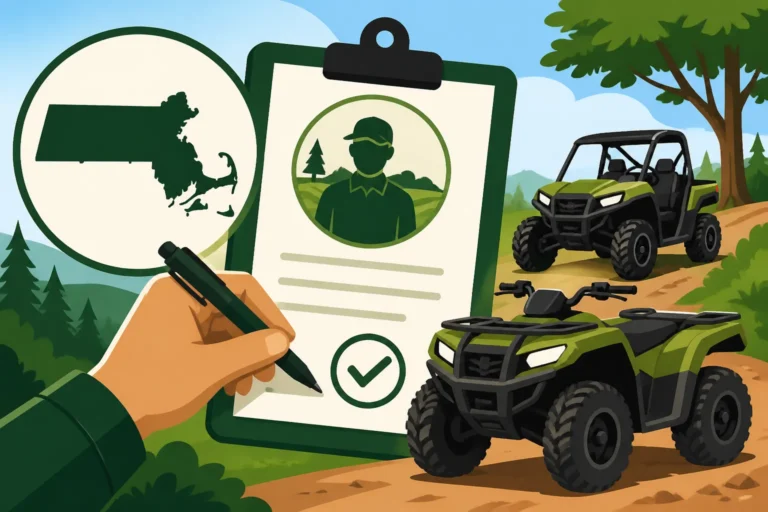
This is perhaps the most crucial piece of advice for anyone planning to ride an ATV or UTV on private land that isn't their own. While a verbal "sure, go ahead" might feel sufficient, it rarely stands up in the face of a complaint or a visit from the Environmental Police. The state of Massachusetts explicitly requires [Massachusetts Landowner Permission in Writing] if you intend to ride on someone else's property.
Imagine you've got a buddy who owns a sprawling woodlot in the Berkshires, perfect for some trail riding. You chat over coffee, and he says, "Yeah, absolutely, ride anytime!" You head out, having a blast, only for a neighbor to call the authorities about noise or trespass. When an Environmental Police officer arrives, your friend's verbal agreement, however sincere, won't cut it. A written permission slip, signed and dated by the landowner, clearly stating the dates, times, and perhaps even the specific areas you're allowed to ride, is your best defense. This not only protects you from potential trespass charges but also demonstrates your respect for the landowner and the law. Without it, you could face significant penalties, even if you truly believed you had permission.
Understanding the 150-Foot Dwelling Rule
Even on your own land, or land where you have ironclad written permission, there’s a critical state law you cannot ignore: the 150-foot dwelling rule. This regulation, often surprising to new OHV owners, stipulates that you cannot operate an off-highway vehicle within 150 feet of any dwelling, whether occupied or not, without the express written permission of the owner or occupant of that dwelling. This applies regardless of whether the dwelling is on your property or a neighbor’s.
Picture this: you've got a fantastic new side-by-side, maybe one you’ve outfitted with some robust SuperATV skid plates and a winch, and you're eager to try it out on your large rural property. Your house is a good distance from the property line, but your neighbor's cabin is tucked away closer to the woods. If your riding takes you within 150 feet of that cabin, even on your own land, and you don't have that neighbor's specific written permission, you're breaking the law. This rule is designed to prevent nuisance complaints related to noise, dust, and general disturbance. It's a tricky one because it requires you to consider your neighbors' property and peace, even when you're technically on your own turf. Understanding [Massachusetts's 150-Foot Dwelling Rule] is vital to avoid uncomfortable confrontations or legal issues.
Age and Safety Certificate Requirements Still Apply
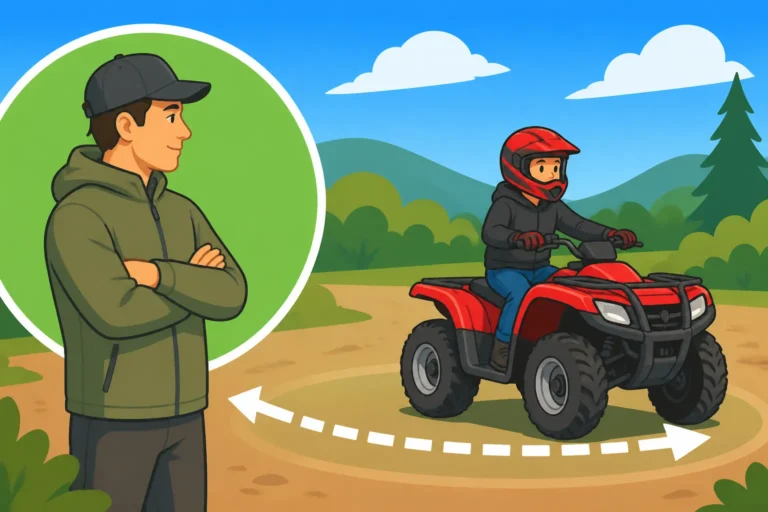
Many riders assume that once they are on private land, especially their own, the age and safety certificate rules for youth riders go out the window. This is a dangerous misconception. Massachusetts has some of the strictest youth OHV laws in the country, and these laws often apply even on private property. While specific exemptions might exist for sanctioned events or very limited scenarios, generally speaking, if a rider is under 18, they typically still need to adhere to the state’s age and engine size restrictions, and carry a valid safety certificate.
For example, a 12-year-old rider, even on private family land, is generally not permitted to operate an ATV in Massachusetts outside of sanctioned, supervised events. The general rule against riders under 14 years old applies broadly. If a rider is between 14 and 16, they are restricted to machines 90cc or less. And anyone under 18 operating an OHV on public or certain private lands (like those open to the public) must possess an OHV safety certificate. These rules are in place for the safety of the rider and others, and neglecting them, even on private land, could lead to significant fines for both the young rider and the supervising adult. It's crucial to understand [Massachusetts ATV Age Requirements] and [Massachusetts Safety Certificates Under 18] regardless of where you plan to ride, as these are foundational safety measures.
Equipment, Noise, and Environmental Considerations on Private Land
Riding an ATV or UTV isn't just about fun; it's also about responsibility. Even on private land, the way you equip and operate your machine can have a significant impact on your neighbors and the environment. Massachusetts takes these aspects seriously, and ignoring them can lead to problems that go beyond simple trespass.
Spark Arrestors and Mufflers: Keeping the Peace (and Staying Legal)
One of the most common complaints about OHV riding, even on private land, is excessive noise. While you might feel your property is secluded enough, sound travels, and what's thrilling for you can be a major disturbance for a neighbor trying to enjoy their peace and quiet. This is why Massachusetts has regulations regarding mufflers and spark arrestors that extend to private land use. All ATVs and UTVs operated in Massachusetts, whether on public trails or private property, must be equipped with a functional muffler system that keeps noise within reasonable limits. You don’t want to be the reason your neighbors call the Environmental Police due to a roaring engine.
Additionally, a spark arrestor is absolutely critical. This device prevents hot carbon particles from escaping your exhaust and potentially starting a brush fire. Especially during dry seasons, a single spark can devastate acres of land, not to mention homes. Forest fires pose a massive risk to property and lives, and operating a machine without a functioning spark arrestor is not only illegal but incredibly irresponsible. Many state forest access points include spark arrestor checks. You'll find specific details in [Massachusetts Muffler Requirements] and [Does a Massachusetts Trail Machine Need a Spark Arrester?], which are designed to protect both the environment and your relationships with adjacent landowners. Ensuring your machine is properly equipped is a simple step that shows respect and minimizes your footprint.
Environmental Stewardship and Damage Prevention
Even on private land, particularly large tracts or those with sensitive ecosystems like wetlands or steep slopes, environmental impact is a serious consideration. While you might not face the same direct enforcement as on state-managed trails, irresponsible riding can still lead to long-term damage, erosion, and even fines under broader environmental protection laws. Creating new trails that cut through wetlands, for example, could lead to issues with local conservation commissions or the Department of Environmental Protection, even if it's on your own property.
Thoughtless riding that churns up soil, causes significant erosion, or damages natural habitats can draw unwanted attention. Neighbors who value their natural surroundings may report such activity, leading to investigations. The state is very clear about its commitment to preserving natural resources, and while [Massachusetts Bans Beach and Dune Damage] is specific, the spirit of environmental protection extends to all landscapes. Being a good steward of the land means planning your riding routes carefully, avoiding sensitive areas, and riding in a manner that minimizes your impact. Consider the long-term health of the land, especially if you plan to enjoy it for years to come.
Your Machine's Setup for Private Land Riding
While Massachusetts doesn't dictate specific aftermarket modifications for private land use, the way you equip your ATV or UTV can significantly enhance your riding experience and even your safety. For those with extensive private property, preparing your machine for varying terrain is a smart move. For example, if your land has rocky sections or hidden stumps, investing in robust underbody protection like a full set of skid plates from a brand like SuperATV can prevent costly damage to your frame, engine, and drivetrain.
If you’re riding on land with mud holes or challenging inclines, a reliable winch can be an invaluable tool, ensuring you don't get stuck and can self-recover without having to call for outside help. Proper tires, suited for the specific soil and conditions of your private property, will also make a world of difference in traction and control. While these upgrades aren't legally mandated for private land, they are practical choices that contribute to a safer, more enjoyable, and less damaging riding experience. Many riders also add storage boxes or racks to carry tools, first-aid kits, or even a chainsaw if they're clearing downed trees, making their machine more versatile for property maintenance and recreation.
What Happens When Rules Are Broken on Private Land?
It's easy to assume that if you're on private land, the risk of getting caught for a violation is low. This is a dangerous assumption in Massachusetts. The Environmental Police and local authorities do respond to complaints, and the consequences for breaking OHV laws, even on private property, can be substantial and far-reaching.
Penalties for Trespassing and Other Violations
The most direct consequence of riding on private land without explicit written permission is a charge of trespass. In Massachusetts, trespassing with an OHV can result in significant fines and, in some cases, even impoundment of your machine. This isn't just a slap on the wrist; these penalties are designed to deter illegal riding and protect property owners' rights. Beyond trespass, violating the 150-foot dwelling rule can also lead to citations and fines. An Environmental Police officer, responding to a noise complaint from a neighbor, has the authority to issue a ticket if they observe you riding too close to a dwelling without proper permission.
Consider a scenario where you've been given verbal permission by a landowner, but a new officer is on patrol, or a disgruntled neighbor makes a call. Without that written document, you're vulnerable. The officer's job is to enforce the law as written. The fines for these types of violations can add up quickly, not to mention the stress and time involved in potentially going to court. It's far better to ensure you have all your ducks in a row with clear documentation. For a deeper dive into the legal repercussions, you can look into [Massachusetts Trespass Law for Riders] and [Massachusetts Penalties for Illegal Riding]. These laws are not just for public lands; they very much apply to how you conduct yourself on private property.
Landowner Liability and Responsibility
It’s not just the rider who faces consequences; landowners also carry significant responsibilities when allowing OHVs on their property. This is a major reason why many landowners are hesitant to grant permission without strict conditions or why they insist on written agreements. If a rider is injured on their property, or if the rider causes damage to other properties or the environment, the landowner could potentially be held liable. This fear of liability often drives landowners to be very cautious.
For instance, if a young rider, not properly supervised or certified, has an accident on private land where they were given permission to ride, the landowner could face legal challenges. This is why many landowners might ask for proof of insurance from riders, or might specify certain safety rules that must be followed on their property. The state's strict youth riding laws, including those often referred to under [Massachusetts Penalties Under Sean's Law], place a heavy burden on supervising adults and, by extension, can influence a landowner's willingness to allow riding. Understanding this perspective helps in securing permission; showing you’re aware of the risks and are committed to safe, legal riding can reassure a property owner.
Maintaining Good Neighbor Relations
While not strictly a legal penalty, damaging your relationship with neighbors is a significant consequence of irresponsible riding on private land. Constant noise, dust, or perceived incursions on their peace and quiet can lead to animosity, complaints to authorities, and even local ordinances being passed to restrict OHV use further. Massachusetts residents generally value their peace and quiet, and loud engines or careless riding can quickly turn friends into foes.
Imagine you have a great spot to ride, but your UTV, even with a legal muffler, is still quite loud. If you're constantly riding early in the morning or late at night, or if you're frequently doing high-speed passes near a neighbor's property line, you're inviting trouble. Being considerate means riding during reasonable hours, keeping a respectful distance from property lines, and minimizing dust. Sometimes, a simple conversation with neighbors about your riding plans, and offering assurances that you'll be mindful of their peace, can go a long way. Preventative communication is often more effective than trying to smooth things over after a complaint has been made.
Special Considerations for Private Land: Your Own Land vs. Others' Land
There are distinct differences in the legal landscape depending on whether you're riding on your own deeded property, leased land, or attending an organized event on private ground. Understanding these nuances is key to responsible OHV use.
Riding on Your Own Property
Riding an ATV or UTV on land you personally own offers the most freedom, but it's not a free-for-all. While you don't need "permission" from yourself, you are still bound by state and local laws concerning noise, environmental impact, and especially the 150-foot dwelling rule. If your property is small or abuts residential areas, the 150-foot rule will significantly impact where and how you can ride. You might own 20 acres, but if half of it is within 150 feet of a neighbor's house, that portion is off-limits for riding without that neighbor's [Written Permission From a Bay State Owner].
Even on your own land, being a good neighbor means being mindful of sound. Excessive noise can still lead to complaints to local law enforcement or health departments, potentially resulting in citations or restrictions, even if you’re technically on your property. However, on your own land, you have complete control over trail development and maintenance. You can install trails, obstacles, or riding areas tailored to your machine and skills. Equipping your machine with durable parts from SuperATV can be particularly beneficial for self-made trails, protecting your investment as you navigate your unique terrain. Always check with your town for any local bylaws that might further restrict OHV use, as some municipalities have additional restrictions beyond state law.
Riding on Leased Land or Club Property
Many riders access private land through leases or by joining an ATV/UTV club that maintains its own private riding areas. In these situations, the rules are typically a hybrid of state law and the specific terms of the lease agreement or club bylaws. The lease or club rules will often be more restrictive than state law, outlining specific operating hours, speed limits, trail etiquette, and even types of machines allowed.
For example, a club might require all members to have specific safety gear, or they might ban certain types of modifications to machines. They will almost certainly have their own rules regarding guest riders, often requiring them to sign waivers and adhere to all club guidelines. These agreements are legally binding, and violating them can lead to loss of riding privileges, fines, or even legal action by the club or landowner. Always read and understand any lease agreement or club bylaws before you ride. This is often the best way to access well-maintained private trails, as clubs often invest heavily in trail development and environmental protection.
Private Sanctioned Events and Practice Days
Massachusetts law provides specific allowances for OHV use during "sanctioned events" held on private land. These events, which might include races, charity rides, or organized practice days, often have different rules, especially regarding youth riders. For example, [Massachusetts Sanctioned Event Rules] allows riders under 14 to participate in approved events, under direct adult supervision, which would normally be prohibited. These events typically operate under strict safety guidelines, often with medical personnel on site, designated riding areas, and specific insurance requirements.
However, even with these allowances, the event must be officially sanctioned and meet certain criteria. You can't just call a casual group ride a "sanctioned event." Event organizers must typically obtain permits, notify local authorities, and ensure all participants are aware of and adhere to the event-specific rules. If you're planning to participate in such an event, always verify its official status and be sure you understand all the rules and requirements for that particular event. These events can be a fantastic way for youth riders to gain experience in a controlled environment, but the special rules apply only within the context of the official event.
| Rule Category | Your Own Private Land (with no neighbors within 150 ft) | Your Own Private Land (with neighbors within 150 ft) | Another's Private Land (with written permission) | Private Sanctioned Event Land |
|---|---|---|---|---|
| Written Permission | No (from self) | Yes (from neighbor within 150 ft) | Yes (from landowner) | Yes (from event organizer/landowner) |
| 150-Foot Dwelling | Applies | Applies (requires neighbor's permission) | Applies (requires dwelling owner's permission) | Often modified by event permit |
| Age Restrictions | Generally Apply | Generally Apply | Generally Apply | May be relaxed for sanctioned events |
| Safety Certificate | Generally Applies (for under 18) | Generally Applies (for under 18) | Generally Applies (for under 18) | Generally Applies (for under 18) |
| Muffler/Spark Arrestor | Required | Required | Required | Required |
| Noise & Dust | Be mindful of neighbors | Critical for neighbor relations | Critical for landowner/neighbor relations | Event-specific rules apply |
| Environmental Impact | Your responsibility | Your responsibility | Your responsibility (and landowner's) | Event organizer's responsibility |
Disclaimer
This article is for general informational purposes only and does not constitute professional advice. Laws, prices and regulations vary by location and change over time. Consult a qualified professional for guidance on your specific situation.