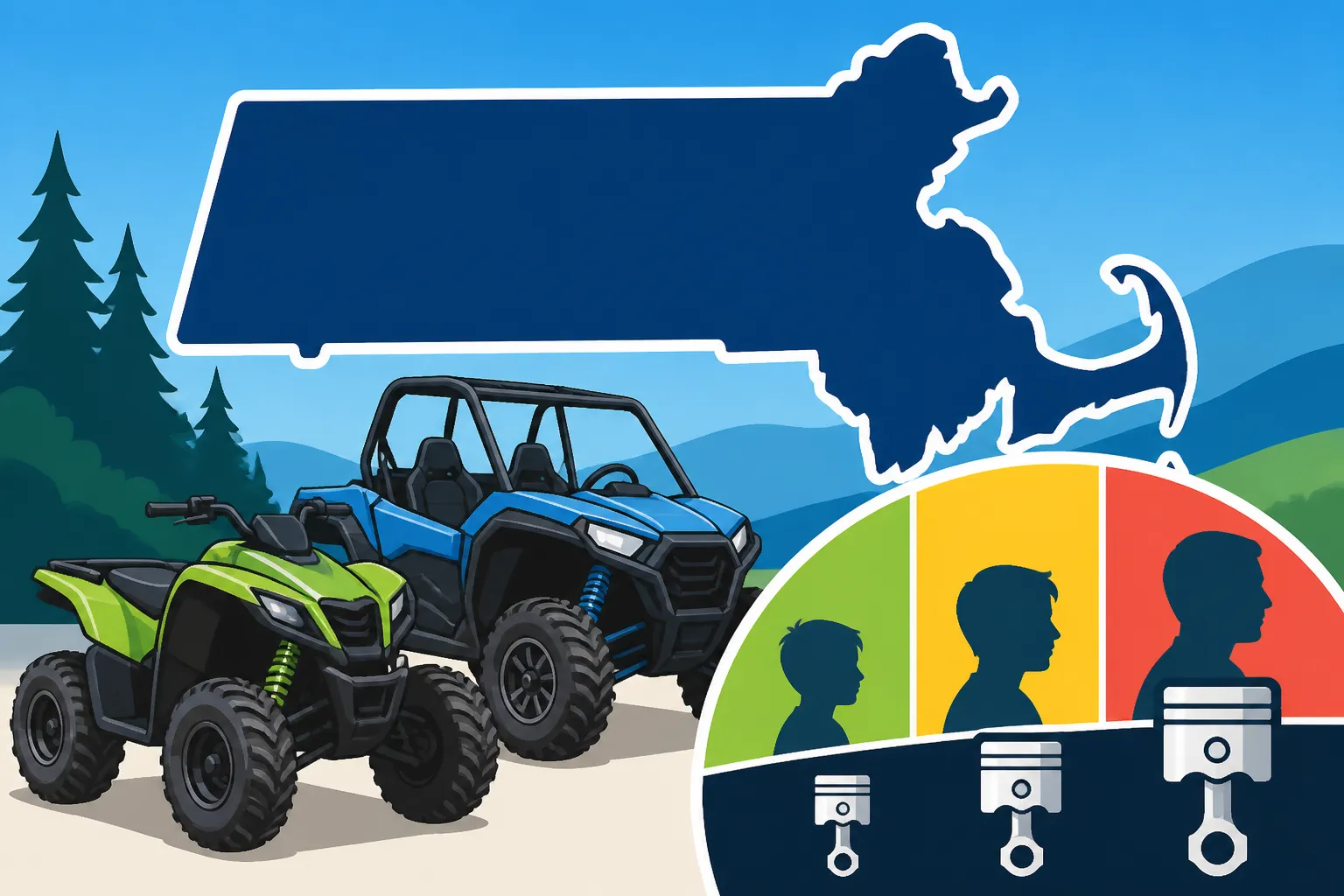
Massachusetts Engine Size Limits by Age
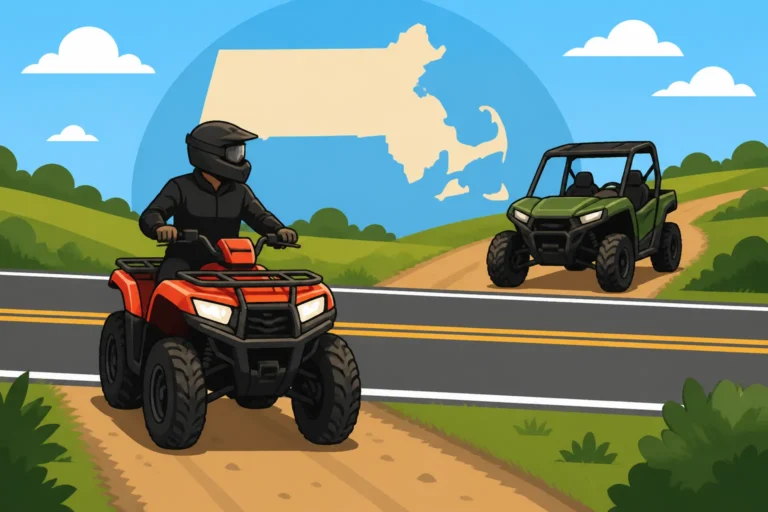
Understanding the ins and outs of Massachusetts ATV and UTV laws can feel like a daunting task, especially when it comes to figuring out what constitutes a legal ride for younger family members. The Bay State has some of the strictest regulations in the country for off-highway vehicles, and the specific engine size limits tied to a rider's age often trip up even seasoned enthusiasts. This guide aims to clear up all that confusion, offering a comprehensive breakdown of Massachusetts's engine displacement rules for different age groups, so you can ride safely and stay compliant with the law.
The Core of the Matter: Massachusetts ATV and UTV Engine Size Limits by Age
Massachusetts takes a very cautious approach to youth riding, prioritizing safety above all else. This means specific rules are in place not just for where and when you can ride, but also for the size of the machine a person can operate based on their age. It’s crucial to understand these distinctions, as violations can carry significant penalties.
The "Under 10" Rule: Sanctioned Events Only
Let's start with the youngest potential riders. In Massachusetts, if a child is under 10 years old, they are generally prohibited from operating an ATV or UTV on any public or private land within the state, with one very specific exception: sanctioned, organized events. This isn't a loophole to be exploited, but rather a tightly controlled environment designed for very specific training or competitive purposes.
Think of it this way: a child under 10 cannot simply ride a small quad in your backyard or on a local trail, even with adult supervision. The law is explicit here. If they are participating in a sanctioned event, it means the event organizer has gone through a rigorous approval process, typically involving specific safety protocols, medical staff on site, and closed-course conditions. These aren't casual rides; they are highly regulated activities. The intent is to provide a very controlled introduction to the sport, under strict oversight. You'll find more details on this specific restriction in [Massachusetts Riders Under 10 and Sanctioned Events].
Riders 10 to 14: Approved Races and Supervision
For children aged 10 to 14, the rules loosen just a tiny bit, but the emphasis remains heavily on structured, supervised environments. These riders are still generally banned from typical trail riding on public or private land. Their only legal avenue for riding is participation in approved races or sanctioned events.
This distinction is important. An "approved race" isn't just any informal gathering. It refers to events that have received specific permits and approvals from relevant authorities, ensuring safety standards are met. During these events, the rider must still be under the continuous visual supervision of an adult. This isn't just about being in the same general area; it means the supervising adult must be able to see and respond to the child at all times. The focus here is on developing skills in a controlled, competitive setting rather than recreational riding. For a deeper dive into these requirements, check out [Massachusetts Riders 10 to 14 in Races].
The 90cc Cap: Ages 14 to Under 16
This is where the engine size limits become very explicit and often cause the most confusion. If a rider is 14 years old, but has not yet turned 16, they are legally permitted to operate an ATV or UTV with an engine displacement of 90cc or less. This applies to riding on both public and private land where OHVs are otherwise permitted, such as designated state forest trails or your own private property (with proper permission if it's not yours).
It's critical to understand that "90cc" refers to the cubic centimeters of the engine's displacement, not horsepower or overall size. This means a youth model quad designed specifically for this age group is typically what's allowed. You absolutely cannot put a 14-year-old on a full-sized 250cc or 450cc sport quad, or even a smaller utility quad that exceeds the 90cc limit, even if you feel they are experienced enough. The law is black and white on this. The rationale is that machines over 90cc have significantly more power, torque, and weight, which can be challenging for a developing teenager to control safely in various terrain and emergency situations. Maintaining these machines properly is key, and while you won't be slapping a huge lift kit on a 90cc quad, ensuring components like control arms or steering linkages are in top shape can be done with quality parts. You can find more detailed information regarding this specific age bracket and engine size in [The 90cc Engine Cap for Riders 14 to 16].
Riders 16 and Above: Full Range (with conditions)
Once a rider turns 16 years old, the engine size limits are lifted. This means a 16-year-old and up can legally operate any size ATV or UTV, from a nimble sport quad to a powerful side-by-side, as long as they meet other crucial requirements. This freedom, however, comes with its own set of responsibilities and conditions.
Even without an engine size restriction, riders aged 16 and 17 must still possess a valid Massachusetts Off-Highway Vehicle (OHV) safety certificate if they plan to ride on public land. Furthermore, if a 16 or 17-year-old does not hold a valid motor vehicle operator's license (like a driver's license for a car), they are still required to be under the continuous visual supervision of an adult when riding on public land. This requirement recognizes that while they may be physically capable of handling a larger machine, experience in traffic and decision-making skills might still be developing. Once a rider turns 18, all age-related restrictions on engine size, safety certificates, and supervision are lifted, though all other OHV laws, such as registration and helmet use, still apply. For more specific guidance on this age group, refer to [Massachusetts Rules for a 16-Year-Old Rider].
Here's a quick summary table of Massachusetts's age and engine size limits:
| Age Group | Engine Size Limit | Permitted Riding Activities | Safety Certificate Required? | Adult Supervision Required? |
|---|---|---|---|---|
| Under 10 | None specified | Sanctioned, Organized Events Only | Yes | Yes |
| 10 to 14 | None specified | Approved Races/Sanctioned Events Only | Yes | Yes |
| 14 to under 16 | Up to 90cc | Permitted OHV areas (Public & Private) | Yes | Yes |
| 16 to under 18 | None | Permitted OHV areas (Public & Private) | Yes | Yes (unless licensed driver) |
| 18 and older | None | Permitted OHV areas (Public & Private) | No | No |
Why These Rules Exist: Sean's Law and Youth Safety
Massachusetts's stringent ATV and UTV laws, particularly concerning youth riders, didn't come about lightly. They are largely the result of tragic incidents and a deep commitment to preventing future accidents, particularly involving children. Understanding the background helps put these seemingly complex rules into perspective.
The Tragic Origins of Strict Regulations
The most significant legislative change impacting youth ATV riding in Massachusetts came with the enactment of "Sean's Law" in 2010. This law was named after Sean Kearney, a young boy who tragically died in an ATV accident. His death, and other similar incidents, highlighted a critical need for stricter regulations governing who could ride off-highway vehicles and under what conditions.
Before Sean's Law, the rules were less defined, leading to situations where children were operating machines too powerful for their age and skill level, often without proper training or supervision. The law aimed to close these gaps, establishing clear age minimums, engine displacement caps, mandatory safety training, and strict supervision requirements. It's a somber reminder that these laws are not designed to hinder enjoyment, but to protect lives. You can read more about the origins of this important legislation in [Sean's Law: The 2010 Ban Named for a Boy].
Protecting Our Youngest Riders
The rationale behind these strict age and engine size limits is rooted in child development and injury prevention. Young riders simply do not possess the same physical strength, coordination, judgment, and reaction times as adults. An ATV or UTV, even a small one, is a powerful piece of machinery that requires a mature understanding of risks and quick decision-making, especially when navigating unpredictable terrain.
Consider a sudden obstacle on a trail – a fallen branch, a deep rut, or another rider. An adult might react instinctively to swerve, brake, or shift their weight. A child or young teenager, still developing these motor skills and judgment, might panic, overcorrect, or simply lack the physical strength to control a machine that is rapidly losing stability. The 90cc cap for 14 to 16-year-olds, for example, is designed to match the machine's power and weight to the rider's developing capabilities, reducing the potential for loss of control. The total ban for those under 10, even on private land, underscores the state's conviction that these young children are simply not ready for the inherent risks, regardless of the perceived safety of the location. Delving into [Why Under-14 Riders Are Banned on Private Land Too] further explains this protective stance.
Beyond Engine Size: Essential Requirements for Young Riders
While engine size limits are a cornerstone of Massachusetts's youth ATV laws, they are far from the only requirement. For young riders, particularly those venturing onto public land or even private property with permission, a suite of other crucial rules must be followed to ensure their safety and compliance. Ignoring these can lead to fines, citations, or worse, serious injury.
The Mandatory Safety Certificate
Perhaps one of the most vital requirements for any young rider (under 18) in Massachusetts is obtaining an Off-Highway Vehicle (OHV) safety certificate. This isn't just a suggestion; it's a legal mandate for anyone under 18 operating an OHV on public land, and it's highly recommended for private land use as well. The course covers critical topics like safe riding practices, environmental responsibility, state laws, and emergency procedures.
The process typically involves an online component followed by an in-person skills test administered by certified instructors, often through the Massachusetts Environmental Police. For riders under 16, a parent or guardian is required to attend the classroom portion of the course, emphasizing shared responsibility for safety. This certificate demonstrates that the rider has received formal training in responsible OHV operation. You can learn more about how to obtain this crucial document in [How to Get a Massachusetts Safety Certificate] and specifically about the rules for younger riders in [Massachusetts Safety Certificate Rules Under 16].
Helmet Laws and Essential Gear
Massachusetts has an unwavering helmet law for all OHV riders, regardless of age or experience. If you're riding an ATV or UTV, you must wear a helmet. Period. There are no exceptions for private land, slow speeds, or short distances. This helmet must be a U.S. DOT-approved helmet, meeting recognized safety standards. This isn't just about avoiding a ticket; it's about protecting the most vulnerable part of a rider's body in the event of a fall or collision.
Beyond the helmet, equipping your rider with other essential gear is paramount. This includes eye protection (goggles or a face shield), sturdy over-the-ankle boots, long pants, a long-sleeved shirt, and gloves. These items provide crucial protection against scrapes, bruises, impacts, and debris, which are common occurrences during off-road riding. When outfitting a machine for a younger rider, consider durable accessories that enhance safety and visibility, such as reinforced bumpers or upgraded lighting. Companies like SuperATV offer a wide range of such accessories for various makes and models, which can be adapted for responsible riding on legally sized machines. The details of the state's helmet requirements are spelled out in [Massachusetts ATV Helmet Law].
The Importance of Adult Supervision
For riders under the age of 16, continuous adult supervision is not just a good idea; it's a legal requirement. This isn't just about having an adult generally present in the vicinity. Massachusetts law specifies "continuous visual contact," meaning the supervising adult must be able to see the young rider at all times and be close enough to communicate and intervene if necessary. This usually means riding on another OHV alongside them or remaining within clear sight and earshot.
The supervising adult is also held legally responsible for the young rider's actions and any violations of the law. This places a significant burden of responsibility on parents and guardians, highlighting the need for vigilance and a thorough understanding of all OHV regulations. For 16 and 17-year-olds, as mentioned earlier, this supervision requirement is waived only if they hold a valid motor vehicle operator's license. Otherwise, the same continuous visual contact rule applies on public land. It's not enough to just drop your child off at a trail; active supervision is key. Learn more about the specifics in [How Close a Supervising Adult Has To Stay].
Navigating Public and Private Lands with Young Riders
The legal landscape for ATV and UTV riding in Massachusetts changes depending on whether you're on public land, like a state forest, or private property. However, one consistent truth remains: the age and engine size limits, along with other critical safety regulations, generally apply across the board. Understanding these distinctions is vital for planning a legal and enjoyable ride.
Public Lands: Strict Adherence to Rules
When riding on public lands in Massachusetts, such as the designated trails within state forests like Beartown or October Mountain, the rules are enforced with utmost rigor by the Environmental Police. Every single regulation, from age and engine size limits to safety certificates, helmet laws, and supervision requirements, is strictly enforced. There's no room for interpretation or bending the rules.
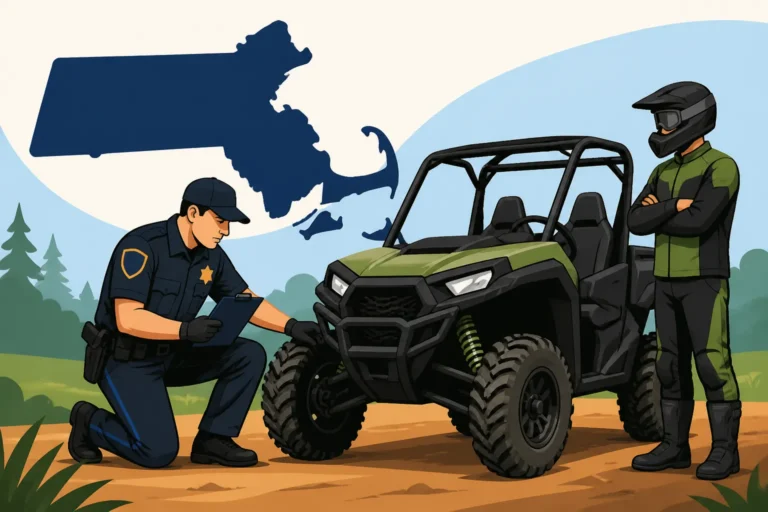
These public trails are precious resources, and their continued availability depends on all riders adhering to the laws and practicing responsible behavior. An Environmental Police officer conducting a trail check will verify your machine's registration, check for a spark arrestor, and absolutely confirm that any youth rider meets the age, engine size, and safety certificate requirements. They often specifically look for compliance with [Massachusetts Rules for Young Riders on Public Land] as part of their patrols. Riding on public land is a privilege, and strict adherence to the law ensures its preservation for future generations of riders.
Private Property: Still Bound by Law
It’s a common misconception that if you're riding on your own land, or on private land with the owner's permission, the state's OHV laws don't apply. This is largely false, especially regarding youth riders. While some specific rules about registration might be relaxed if a machine never touches public land, the fundamental safety laws, including age and engine size limits for minors, still apply. Sean's Law specifically extended its protections to private property, preventing a scenario where children under 14 could ride freely simply because they were on private land.
This means that if your 15-year-old is riding on your 5-acre woodlot, they must still be operating a machine 90cc or less, wear a helmet, and be under continuous adult supervision. The intent is to protect the individual, regardless of land ownership. Landowners can also be held liable if they knowingly allow an underage or improperly equipped rider to operate an OHV on their property. Always ensure you have explicit, written permission if riding on land that isn't yours. For machines used on private land, even if it's your own property, these age and engine restrictions still apply. Many enthusiasts customize their machines for specific terrain, and for those looking to upgrade components like axles or suspension for their legally compliant machines, SuperATV is a go-to source for high-quality aftermarket parts. You can learn more about private land specifics in [Massachusetts Rules for Riding Private Land].
Disclaimer
This article is for general informational purposes only and does not constitute professional advice. Laws, prices and regulations vary by location and change over time. Consult a qualified professional for guidance on your specific situation.