The OHV Trail Fund Your Sticker Pays Into
It’s easy to feel like your money just disappears into a bureaucratic black hole when you pay for things like vehicle registrations, but when it comes to riding your ATV or UTV in Massachusetts, a portion of that registration fee actually goes directly back into something you care about: the trails. This guide will walk you through exactly what the Massachusetts OHV Trail Fund is, how your sticker helps it grow, and what it means for your next adventure out in the Berkshires.
Understanding the Massachusetts OHV Trail Fund
For many off-road enthusiasts, the act of registering their machine is just another hoop to jump through before hitting the trails. You fill out the forms, you pay the fee, and you get your shiny new sticker. But have you ever stopped to think about where that money actually goes? In Massachusetts, a significant portion of what you pay for your OHV registration sticker is specifically earmarked for a dedicated fund that directly supports the very trails and riding areas we all enjoy. This isn't just some general pot of state money; it's a strategic investment in the future of off-road riding across the Commonwealth.
What the Fund Is and Why It Matters
The Massachusetts Off-Highway Vehicle (OHV) Trail Fund is precisely what it sounds like: a special account established by the state to support the development, maintenance, and acquisition of land for off-road vehicle use. It's a critical component of ensuring that Massachusetts riders continue to have legal, safe, and well-maintained places to ride. Without this fund, the already limited options for ATV and UTV riding in the state would likely shrink even further, or existing trails would fall into disrepair. It's a direct link between the riding community and the infrastructure that supports it.
This fund is a testament to the idea that user fees should benefit the users. Instead of your registration dollars simply vanishing into the general state budget, they are channeled into preserving and enhancing the places where you can actually get out and ride. This is particularly important in a state like Massachusetts, which has a high population density and a strong focus on conservation. Every dollar contributed helps to offset the costs associated with managing off-road recreation, including environmental impact assessments, trail design, and public safety initiatives.
How Registration Fees Power the Fund
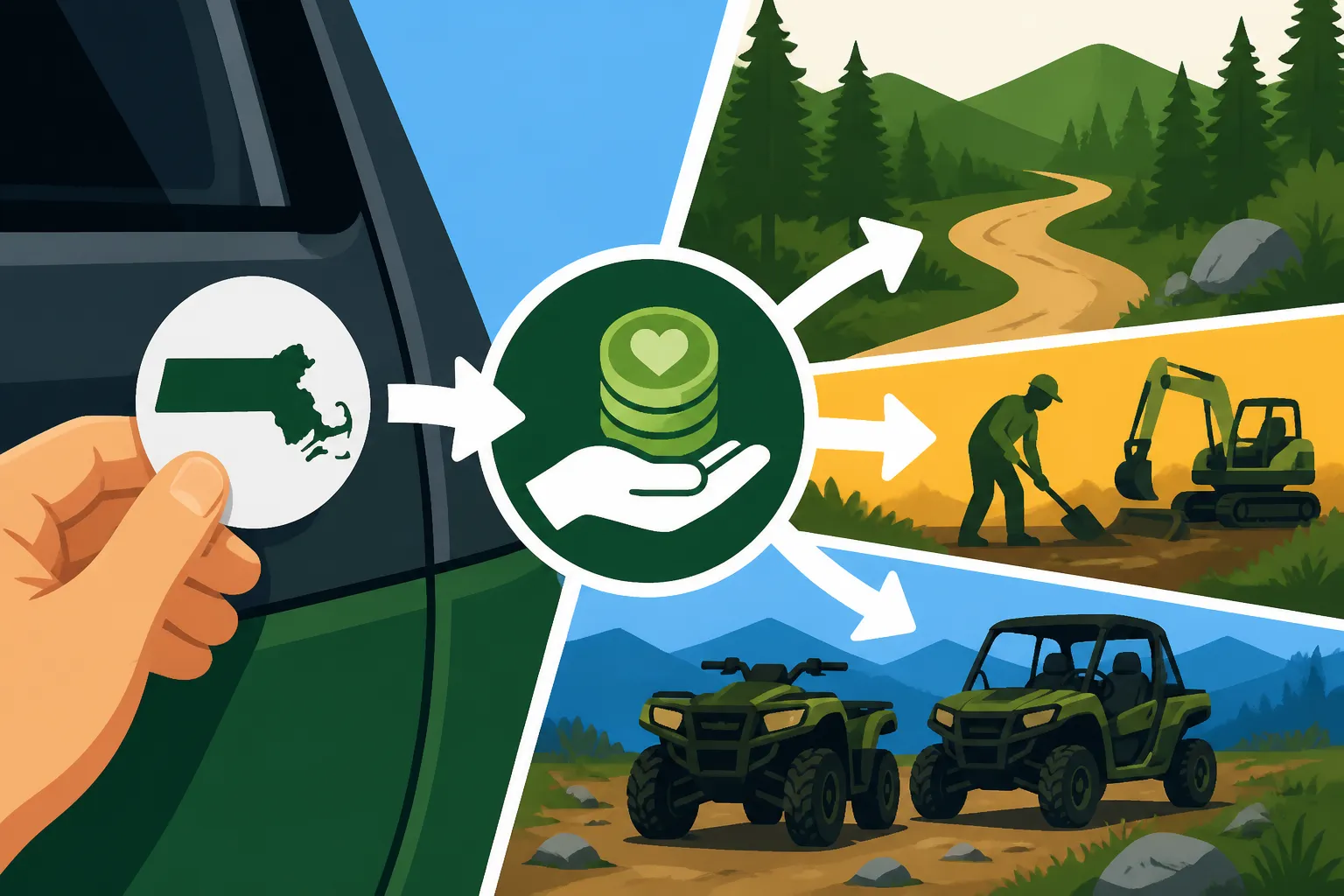
So, how exactly does your registration fee fuel this important fund? When you pay for your two-year OHV registration, whether it's the [Massachusetts Charges $44 for Residents] or the [Massachusetts Charges $33 for Visitors] for a one-year sticker, a specific percentage of that money is legally mandated to go directly into the OHV Trail Fund. It’s not a discretionary allocation; it’s built right into the system. This ensures a consistent and dedicated revenue stream for trail projects, independent of the ups and downs of other state budgets.
In fact, if you've ever wondered [Where 25 Percent of Your OHV Registration Fee Goes], well, now you know! This means that with every registration, you're not just getting a sticker for your machine; you're actively contributing to the health and longevity of the Massachusetts trail system. This structure provides a transparent way for riders to see that their financial contribution has a tangible impact. Without these fees, the resources simply wouldn't be available to do the crucial work needed to keep trails open and create new opportunities. This also highlights the importance of keeping your machine registered, not just for legal compliance, but as a direct investment in your passion. [Massachusetts OHV Registration Cost] might seem like just another expense, but it's much more than that.
What the Trail Fund Accomplishes for Riders
The OHV Trail Fund isn't just about collecting money; it's about making a real difference on the ground. The dollars accumulated through registrations are put to work in various ways, all aimed at improving the overall off-road riding experience in Massachusetts. This means more than just patching up potholes; it involves a comprehensive approach to managing and expanding the available riding opportunities.
Trail Maintenance and Development
One of the most immediate and visible benefits of the OHV Trail Fund is its role in trail maintenance. Anyone who rides regularly knows that trails don't maintain themselves. They get worn down by use, damaged by weather, and obstructed by fallen trees. The fund helps pay for the necessary equipment, materials, and labor to keep existing trails in rideable condition. This includes clearing brush, repairing erosion, maintaining bridges and culverts, and ensuring proper signage. Without this consistent maintenance, trails would quickly become impassable or unsafe, forcing closures.
Beyond simple upkeep, the fund also supports the development of new trails and riding areas. This is a much bigger undertaking, often involving environmental studies, land surveys, and extensive planning. Acquiring and preparing new land for OHV use can be a complex process, but the fund provides the financial backbone for these ambitious projects. Imagine the frustration of having nowhere to ride, or seeing once-great trails disappear. The fund actively works to prevent that scenario, creating new routes and expanding existing networks like those found in the Berkshire forests. When clubs like the [Massachusetts Clubs That Maintain Trails] apply for grants, this fund is often the source.
Here’s a look at some of the typical projects funded:
| Project Type | Description | Benefit to Riders |
|---|---|---|
| Erosion Control | Installing water bars, check dams, and drainage solutions to prevent trail degradation from rain and runoff. | Safer, more stable trails; reduced environmental impact; longer trail lifespan. |
| Bridge & Culvert Repair | Replacing or repairing damaged structures over streams and low-lying areas. | Ensures safe passage; prevents riders from seeking unsafe detours. |
| Trail Clearing | Removing fallen trees, overhanging branches, and dense brush to keep trails open and accessible. | Clear, unobstructed paths; reduces risk of injury or machine damage. |
| Signage Installation | Placing directional, warning, and informational signs for rider safety and navigation. | Prevents riders from getting lost or entering restricted areas; enhances safety. |
| Surface Improvements | Adding gravel, grading rough sections, or addressing muddy areas to improve ride quality. | Smoother, more enjoyable rides; reduced wear and tear on machines. |
| Land Acquisition | Purchasing or securing easements on new parcels of land specifically for OHV trail expansion. | Opens up entirely new riding opportunities; expands the total mileage available. |
| Mapping & Planning | Developing detailed trail maps, assessing potential new routes, and planning for future expansions. | Better navigation tools; strategic growth of the trail system. |
Land Acquisition and Protection
One of the biggest challenges for off-road riding in Massachusetts is the availability of suitable land. Private land is often restricted, and public lands are subject to various uses and regulations. The OHV Trail Fund plays a crucial role in securing new land for riding, either through direct purchase or by negotiating easements and agreements with landowners. This is where comprehensive planning, like the [Massachusetts Trail Master Plan Pilot], comes into play. These efforts aren't just about finding any patch of dirt; they often involve careful selection to ensure the land is appropriate for OHV use, environmentally sound, and can connect to existing trail systems.
Furthermore, the fund contributes to the long-term protection of these riding areas. This can involve legal costs associated with land management, environmental studies to ensure sustainable use, and measures to prevent unauthorized riding that could lead to closures. For example, if a landowner is willing to grant access but needs assurances regarding liability, the fund might support legal consultation or help draft formal agreements. While I can't recommend specific legal services, resources like LawDepot can be useful for individuals and organizations looking to create official documents, like land use agreements or liability waivers, when dealing with private land access. Having these formal arrangements can be a key step in protecting land access for riders.
The goal is to not only open up new spaces but to ensure that these spaces remain available and well-managed for generations of riders. This requires ongoing investment and a proactive approach to land stewardship. It’s a collective effort, and your registration fee is a vital part of that.
The Impact on Your Riding Experience
When you hit the trails in October Mountain or Beartown State Forest, you might not always consciously think about the OHV Trail Fund, but its impact is undeniably there. From the quality of the ride to the very existence of the trails, this fund directly shapes your experience every time you fire up your machine. It’s about more than just having a place to ride; it’s about having a good place to ride.
Direct Benefits You See on the Trails
Think about the last time you had a smooth, clear ride through a state forest. The trail was free of major washouts, fallen trees were already cleared, and the bridges felt sturdy. That's the OHV Trail Fund at work. It directly contributes to the conditions you experience. Well-maintained trails mean less chance of breakdowns, fewer navigational headaches, and a generally more enjoyable and safer outing. When you’re not worried about hitting a hidden obstacle or getting lost due to missing signs, you can truly relax and immerse yourself in the ride.
Beyond maintenance, the fund’s role in developing new trails means more options for you. Perhaps a new loop has been added, or a previously inaccessible section of forest is now open for riding. This expands the diversity of terrain and scenery available, preventing the boredom that can set in from riding the same few miles over and over. It's about providing a robust and evolving network of trails that caters to different skill levels and preferences. Imagine exploring new routes you hadn't seen before, all thanks to the ongoing efforts supported by the fund. This is especially true given the [Massachusetts DCR Riding Season] is relatively short, making every open trail even more precious.
Long-Term Growth and Sustainability
The most profound impact of the OHV Trail Fund is arguably its contribution to the long-term growth and sustainability of off-road riding in Massachusetts. Without a dedicated funding mechanism, it would be incredibly difficult to plan for the future. Decisions about new trails, land acquisitions, and even major maintenance projects would be subject to the whims of annual budget cycles, potentially leading to stagnation or even decline. The fund provides a stable foundation for these long-term visions.
This sustainability also extends to legal and regulatory aspects. A well-funded and well-managed trail system helps demonstrate to policymakers and the public that OHV riding can be responsible and coexist with other land uses. This strengthens the argument for keeping trails open and potentially opening more in the future. It helps prevent scenarios where lack of funding leads to closures, impacting riders who abide by all the rules. If you're a responsible rider, you understand the frustration of seeing riding areas shrink due to the actions of a few, or simply due to neglect. The fund is a proactive measure against such decline, ensuring there are places to ride for years to come. It helps ensure that concepts like [Massachusetts Has No Separate Trail Pass] can remain true, as the registration fee already covers trail access.
How to Support the Trail Fund Beyond Registration
While your registration fee is a critical contribution to the OHV Trail Fund, there are other ways riders can actively support the fund and the broader off-road community in Massachusetts. This goes beyond simply putting a sticker on your machine; it involves active participation and advocacy to ensure the longevity and expansion of our cherished trails. After all, the more involvement, the stronger the voice for riders.
Volunteerism and Advocacy
One of the most impactful ways to support the OHV Trail Fund and the trails it maintains is through volunteerism. Local ATV and UTV clubs often partner with the Department of Conservation and Recreation (DCR) to perform trail maintenance, clear downed trees, and assist with signage. Lending a hand on a trail work day not only directly benefits the trails but also shows government agencies that the riding community is committed to responsible stewardship. This kind of active participation strengthens the argument for continued funding and expansion of OHV opportunities.
Advocacy is another powerful tool. This can involve contacting your local representatives, attending public meetings, or simply spreading awareness about the importance of the OHV Trail Fund and the positive economic and recreational impact of off-road riding. When major decisions are being made about land use or funding, a unified voice from the riding community can make a significant difference. Educating non-riders about responsible OHV use and the benefits of well-managed trails helps to build support and reduce misconceptions. Remember, your voice matters when it comes to preserving and expanding your access to riding areas.
Making Your Voice Heard
If you’re passionate about off-road riding in Massachusetts, actively engaging with the DCR, the Environmental Police, and your local clubs is crucial. If you see a section of trail that needs attention, or if you have ideas for new trail development, don’t keep it to yourself. Report issues to the appropriate authorities, attend public forums, and join a local OHV club. These organizations are often the first line of communication with state officials and are instrumental in identifying needs and advocating for projects that the OHV Trail Fund can then support.
Additionally, sharing your positive riding experiences and highlighting the value of these trails can help build a broader appreciation for off-road recreation. The more people understand and value the trail system, the more likely it is to receive continued support and funding. This can also involve providing feedback on existing trail conditions or potential new trail areas. For instance, if you're looking to formalize a proposal for land use, tools from LawDepot could help draft a clear, professional document to present to a landowner or a government agency. By being an active and engaged member of the riding community, you ensure that the OHV Trail Fund continues to serve its purpose effectively, creating a better riding future for everyone. And, of course, always ride legally and safely; avoiding [Massachusetts Penalties for Riding Unregistered] is the first step in being a responsible advocate for the sport.
Disclaimer
This article is for general informational purposes only and does not constitute professional advice. Laws, prices and regulations vary by location and change over time. Consult a qualified professional for guidance on your specific situation.