Massachusetts Registration for a Youth Quad
Trying to navigate the ins and outs of registering an ATV or UTV for a young rider here in Massachusetts can feel like trying to solve a puzzle with half the pieces missing. Many parents understandably assume it's just like registering any other vehicle, but the Bay State has some very specific rules, especially when it comes to machines meant for kids. This guide is here to cut through the confusion and walk you through everything you need to know to get that youth quad legally registered, ensuring your young rider can hit the trails safely and lawfully.
Understanding Massachusetts's Youth Riding Laws First
Before we even dive into the paperwork of registration, it's absolutely vital to understand that registration doesn't grant a free pass to ride anywhere. Massachusetts has some of the strictest laws in the country regarding youth ATV and UTV operation, designed to keep kids safe. These laws dictate who can ride, what they can ride, and where they can ride, all completely separate from the registration process itself.
Age and Engine Size Restrictions
One of the biggest hurdles and sources of frustration for parents is the age and engine size restrictions. It's a common misconception that if a child owns a quad, they can just ride it. In Massachusetts, riders under the age of 14 are generally prohibited from operating ATVs and UTVs on public lands, and even on private lands unless it's a sanctioned event. This is a key part of [Massachusetts ATV Age Requirements]. For those between 10 and 14, participation is typically limited to approved races or events.
Then there's the engine size ladder. Riders between 14 and 16 years old face restrictions on the engine displacement of the machine they can operate, usually capped at 90cc. Once a rider turns 16 and a half, these specific engine size limitations often relax, especially if they hold a valid motor vehicle driver's license. It's a lot to keep track of, and these rules are designed to gradually introduce riders to the sport as they develop skills and judgment.
Safety Certificates and Supervision Requirements
Beyond age and engine size, Massachusetts also requires specific safety training. Any operator under 18 years of age needs to complete an approved OHV safety course and carry the certificate when riding on public land. This isn't just a suggestion; it's a legal requirement that the Environmental Police will check for. [Massachusetts Safety Certificates Under 18] covers this in detail. The course typically has two parts: a classroom session and a hands-on skills test. For younger riders, parents often need to attend portions of the course with them, reinforcing the importance of adult supervision.
And speaking of supervision, for any rider under 16, a supervising adult must be present and maintain visual and verbal contact at all times while the youth is operating the machine on public land. This isn't just being in the vicinity; it means actively watching and being able to communicate with the rider. Many parents find this aspect particularly challenging, especially on longer or more technical trails. The responsibility lies heavily on the adult to ensure compliance with all laws.
Who Can Register a Youth Quad in Massachusetts?
This is where the distinction between owner and operator often causes confusion. While a child might be the intended rider of the youth quad, they usually aren't the one who can legally register it in Massachusetts. The state needs a legally recognized adult to be responsible for the machine's registration.
Parents or Legal Guardians
In almost all cases, the parent or legal guardian will be the one registering the youth quad. The registration process requires an adult to sign the application and list themselves as the owner. This makes sense from a legal standpoint, as a minor typically cannot enter into a contract or be held fully responsible for a vehicle registration. Even if the quad was a gift to the child, the paperwork will still be filed under the parent or guardian's name. This setup ensures that there's a responsible adult on record for the machine, which is crucial for compliance with [Massachusetts ATV Laws Under Chapter 90B].
It’s not uncommon for a family to have multiple machines, perhaps a larger one for an adult and a smaller one for a youth. Each machine must be registered separately, with the parent or guardian typically handling all the administrative tasks for the youth quad. This also applies if the machine is co-owned by two parents; both names can usually be included on the registration, but one primary contact is generally designated.
Registration for an Inherited or Gifted Machine
Sometimes a youth quad might come into the family through less traditional means, such as an inheritance or a gift. Even in these situations, the same rules apply: a parent or legal guardian must take on the responsibility of registration. If the machine was inherited, you'll need additional documentation, such as a death certificate and proof of inheritance, to transfer ownership into the adult's name before it can be registered. For a gifted machine, [Claiming a Gift Exemption With Form ST-6E] is a good resource to ensure you navigate the sales tax implications correctly, even if no money changed hands.
The Environmental Police, who handle ATV and UTV registrations in Massachusetts, understand that not all transactions are straightforward sales. They are equipped to guide you through these specific scenarios, but the bottom line remains: an adult must be the registrant. This ensures accountability and adherence to state regulations.
The Registration Process for a Youth Quad
Registering a youth quad in Massachusetts follows largely the same process as registering any other ATV or UTV. The key difference, as discussed, is who applies for the registration. The actual steps and required documents remain consistent.
Required Documents for New Machines
If you’re purchasing a brand-new youth quad from a dealer, they will typically provide you with the necessary paperwork. The most crucial document is the Manufacturer’s Certificate of Origin (MCO). This is essentially the birth certificate for your quad and proves it’s never been registered before. [Massachusetts Requires an MCO for a New Machine] explains why this document is so important.
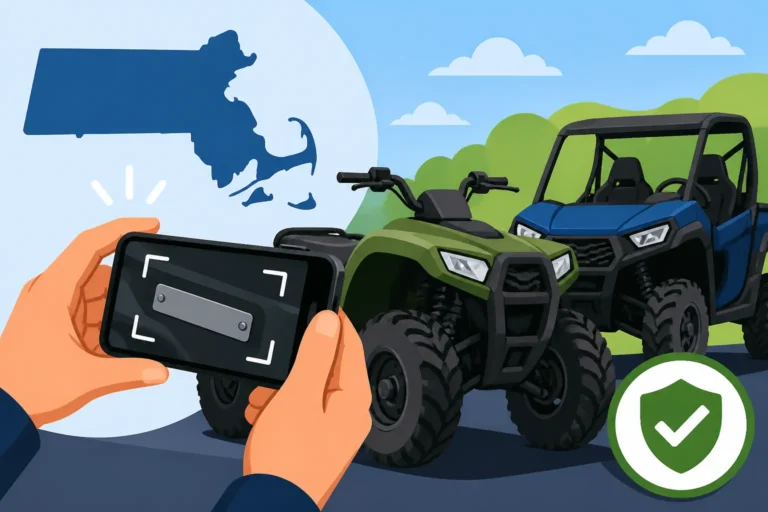
Along with the MCO, you’ll also need proof of purchase, usually a bill of sale from the dealer. The dealer will often handle the sales tax payment for you, but you should always confirm this. You’ll also need to complete the official OHV Registration Application, which asks for details about the machine and the registrant (the parent or guardian). Don't forget that the Vehicle Identification Number (VIN) will be crucial for filling out this form accurately.
Required Documents for Used Machines
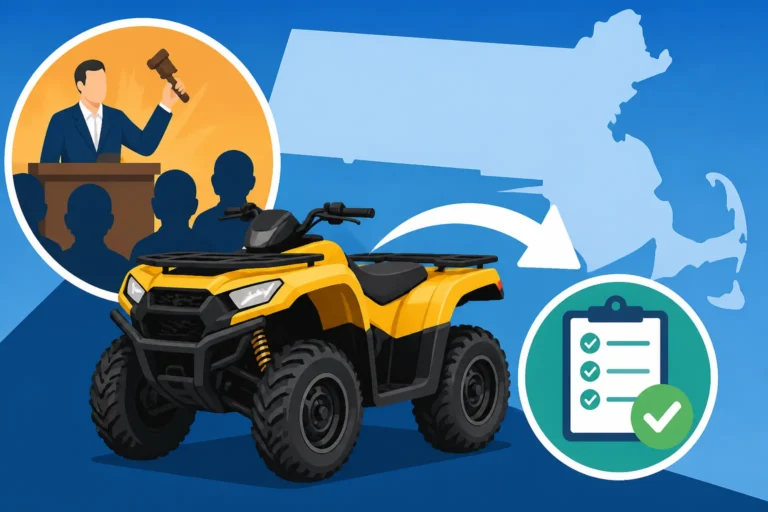
Buying a used youth quad, whether from a private seller or an auction, often involves a bit more legwork for the paperwork. For a used machine, you absolutely need a clear and complete bill of sale from the previous owner. This document must contain specific information, including the date of sale, the purchase price, the names and addresses of both the buyer (the registering parent/guardian) and the seller, and the machine's VIN. [Massachusetts Requires a Bill of Sale for a Used One] elaborates on these requirements. If the bill of sale is incomplete, it can cause significant delays.
Sometimes, sellers might not have a formal bill of sale. In such cases, you might need to draft one yourself. Services like LawDepot can be incredibly helpful here, providing templates that ensure all the necessary information for Massachusetts registration is included, helping you avoid common pitfalls. You'll also need to be prepared to pay the Massachusetts sales tax on the purchase price if the seller didn't collect it. This is typically filed using Form ST-6. The Environmental Police will likely require proof of this tax payment before issuing registration.
Here’s a quick overview of typical document requirements:
| Document Type | New Machine (Dealer Purchase) | Used Machine (Private Sale) |
|---|---|---|
| Proof of Ownership | Manufacturer's Certificate of Origin (MCO) | Bill of Sale from Previous Owner |
| Proof of Purchase | Dealer's Bill of Sale/Invoice | Bill of Sale (may need to create one) |
| Identification | Registrant's (Parent/Guardian) ID | Registrant's (Parent/Guardian) ID |
| Registration Form | Completed OHV Registration Application | Completed OHV Registration Application |
| Sales Tax Form | Proof of Dealer-Collected Tax or Form ST-6 | Completed Form ST-6 or ST-6E (for gifts) |
| Machine ID | VIN (listed on MCO and application) | VIN (listed on Bill of Sale and application) |
Where and How to Register
Massachusetts ATV and UTV registrations are handled by the Environmental Police, not the Registry of Motor Vehicles (RMV). This is a common point of confusion for many new owners. You have a few options for submitting your application:
- Online: The easiest and often quickest way is through the Massachusetts online registration system. This allows you to upload digital copies of your documents and pay the fees electronically. It's available 24/7, making it convenient for busy parents. You can find more details on [Massachusetts Online Registration System].
- By Mail: You can also print out the application, attach copies of your documents, and mail them to the Environmental Police. Be sure to include a check or money order for the registration fee. This method can take longer due to mailing and processing times.
- In Person: While less common now, some Environmental Police barracks may accept applications in person. It's always a good idea to call ahead to confirm hours and availability before making a trip.
Once your application and documents are processed and approved, you’ll receive your registration decals and a registration card. The card serves as your proof of registration and must be carried with the machine whenever it's operated, as outlined in [Massachusetts Registration Cards Carried on Board].
Important Considerations After Registration
Getting the youth quad registered is a huge step, but the journey doesn't end there. There are still a few crucial things you need to do to ensure everything is above board and your young rider is set up for success and safety.
Decal Placement and Display
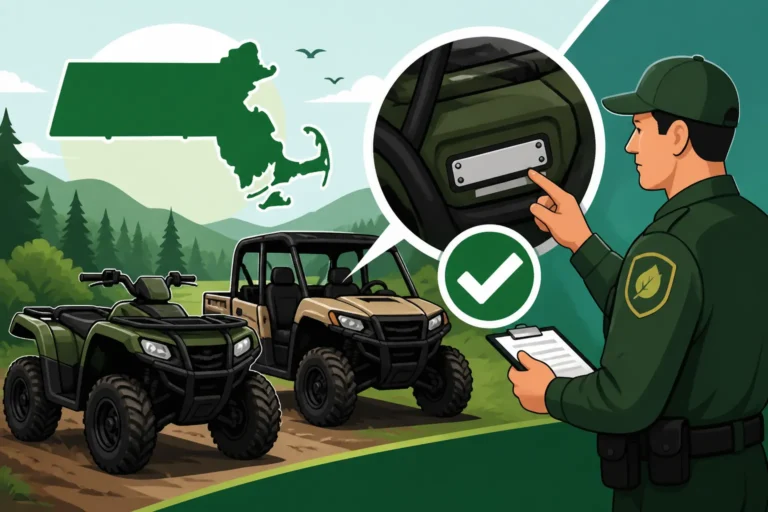
Once you receive your shiny new decals, placing them correctly is paramount. Massachusetts has specific rules about where the registration decals must be affixed on your ATV or UTV. Generally, two decals are issued, and they need to be displayed prominently on both sides of the machine, on the forward half. [Massachusetts Decal Placement Rules] provides all the exact details. This allows Environmental Police officers to easily identify that the machine is legally registered.
There will also be an expiration decal, which usually goes on the left side of the machine, indicating when the registration period ends. It's not just about looking official; correct decal placement is a legal requirement. If decals are missing, improperly placed, or obscured, it could lead to a citation, even if the machine is registered. Make sure to clean the surface thoroughly before applying them to ensure good adhesion, especially if your youth quad sees a lot of mud!
Youth Safety Course Completion
We touched on this earlier, but it bears repeating: for any rider under 18, completing a Massachusetts-approved OHV safety course is not optional; it’s a must, especially if they’ll be riding on state land. The registration process itself doesn't automatically enroll them or waive this requirement. You, as the registering parent or guardian, are responsible for ensuring your child completes this course and carries the certificate.
The course covers everything from safe operating practices and environmental stewardship to specific Massachusetts laws. It’s an invaluable tool for instilling good habits and knowledge in young riders. You can find information on course schedules and providers through the Massachusetts Environmental Police or Department of Conservation and Recreation (DCR) websites. For a 15-year-old, for example, they would absolutely need this certificate to ride legally on any public trail.
Renewing Your Youth Quad Registration
Massachusetts ATV and UTV registrations for residents are typically valid for two years. As the expiration date approaches, you'll need to renew the registration to keep the machine legal. The process for renewal is usually much simpler than the initial registration, often able to be done completely online. [Massachusetts ATV Registration Renewal] offers a comprehensive guide to this process.
It's a good practice to mark your calendar or set a reminder for the renewal date. While the state sometimes sends out courtesy notices, it's ultimately the registrant's responsibility to ensure the machine remains registered. Letting a registration lapse, even for a youth quad, means the machine cannot be legally operated on public lands or trails. Staying on top of renewals ensures uninterrupted riding fun for your young adventurer.
Disclaimer
This article is for general informational purposes only and does not constitute professional advice. Laws, prices and regulations vary by location and change over time. Consult a qualified professional for guidance on your specific situation.