Registering a Side-by-Side in Massachusetts
Trying to make sense of all the rules and regulations for registering your side-by-side (UTV) here in Massachusetts can feel like navigating a dense, unmapped forest trail. It's not as straightforward as registering a car, and many folks get tripped up by the specific requirements and the distinct agency responsible for off-highway vehicles (OHVs). This guide is here to untangle that complexity, walking you through every step of getting your side-by-side legally registered so you can hit those approved trails with confidence and peace of mind.
Understanding Massachusetts's OHV Registration System
It's easy to assume that all vehicles, whether they have four wheels or two, go through the same registration process. Many people automatically think of the Registry of Motor Vehicles (RMV) when they hear "vehicle registration." However, when it comes to off-highway vehicles like side-by-sides, Massachusetts has a completely separate system, and understanding this distinction is your first crucial step to a smooth registration experience.
Why Side-by-Sides Fall Under OHV Rules
Side-by-sides, also known as UTVs or Utility Task Vehicles, are specifically designed for off-road use. They're built for navigating rough terrain, carrying cargo, or transporting multiple passengers in places where traditional cars or trucks simply can't go. Because of their fundamental design and intended use, Massachusetts categorizes them as Off-Highway Vehicles (OHVs), which also includes ATVs, dirt bikes, and snowmobiles. This classification means they operate under a different set of laws and regulations than road-legal vehicles. They are not intended for use on public roads, except for very specific and limited crossings, and therefore, their registration system reflects this specialized status. It’s a whole different ballgame from getting a plate for your daily driver.
The state's focus with OHV registration is primarily on ensuring responsible use of public and private lands, funding trail maintenance, and keeping track of machines for safety and enforcement purposes. When you register a side-by-side, you're essentially getting permission to operate it on designated trails and property, adhering to the specific rules laid out for OHVs. This isn't about road legality; it's about trail legality.
The Role of the Environmental Police, Not the RMV
Perhaps the most common source of confusion for new side-by-side owners is figuring out who handles OHV registrations. Unlike cars, trucks, or motorcycles which are registered through the RMV, off-highway vehicles like your side-by-side are registered directly through the Massachusetts Environmental Police. This might seem a little odd at first, but it makes perfect sense when you consider their mission: protecting the state's natural resources and ensuring compliance with environmental and recreational vehicle laws. The Environmental Police are the boots on the ground in our state forests and conservation areas, making them the most logical agency to manage registrations for vehicles primarily used in those environments.
The Environmental Police maintain the state's OHV registration database, process applications, and issue the decals and registration cards. They also oversee the enforcement of OHV laws, so they have a vested interest in ensuring all machines are properly registered and operated. This is a crucial piece of information that can save you a lot of wasted time at the RMV office. When you visit their website or call with questions, you'll be dealing with staff intimately familiar with off-road machines and the specific challenges riders face. Many folks find this aspect surprising, but once you understand the "why," it clarifies a lot about the process. If you're wondering [Why the Environmental Police Register ATVs, Not the RMV], this is exactly why.
Key Differences for Residents vs. Non-Residents
Massachusetts has different registration terms and costs depending on whether you're a Bay State resident or visiting from out of state. This distinction is important not just for the fee you pay, but also for the duration of your registration. Residents get a longer registration term, acknowledging their ongoing contribution to the state's resources, while non-residents get a shorter, but still vital, permit to access our beautiful trails.
For Massachusetts residents, the registration for a side-by-side is valid for a full two years. This means less frequent paperwork and a slightly lower annual cost when spread out over the term. It's designed to be convenient for those who call Massachusetts home and will be regularly using the trails. You'll pay one fee upfront and be set for 24 months. You can learn more about [What the $44 Two-Year OHV Sticker Covers] if you're a resident.
Non-residents, on the other hand, receive a registration that is valid for one year. This shorter term is typical for states that offer a visiting rider option, allowing enthusiasts from neighboring states like New Hampshire, Connecticut, or New York to enjoy Massachusetts trails without committing to a full two-year registration they might not fully utilize. While the term is shorter, the process is largely the same in terms of documentation. If you're a visitor, know that your [Massachusetts Non-Resident OHV Registration] will be a one-year sticker, and it's essential to plan your rides accordingly, especially if you visit frequently throughout the year.
What You'll Need to Register a New Side-by-Side
Bringing home a brand-new side-by-side is an exciting moment! Before you hit the trails, however, there's some important paperwork to take care of. Registering a new machine has its own set of requirements, primarily centered around proving ownership and ensuring all taxes are properly handled. Gathering these documents ahead of time will make the process much smoother and get you out riding faster.
The Crucial Manufacturer's Certificate of Origin (MCO)
When you purchase a brand-new side-by-side from a dealer, the single most important document you'll receive for registration purposes is the Manufacturer's Certificate of Origin, often abbreviated as MCO. This document, sometimes called a Manufacturer's Statement of Origin (MSO), is essentially the birth certificate for your machine. It proves that the vehicle is new, hasn't been previously registered, and that you are its first retail owner. Without a valid MCO, you simply cannot register a new side-by-side in Massachusetts.
The MCO will contain vital information about your side-by-side, including its Vehicle Identification Number (VIN), make, model, year, and engine size. It will also list the dealership that sold it to you and confirm the transfer of ownership to your name. Ensure that the MCO is filled out correctly by the dealer, with your name(s) exactly as you want them to appear on the registration. Take the time to double-check every detail before you leave the dealership, as errors can cause delays when you submit your registration application. Massachusetts specifically [Massachusetts Requires an MCO for a New Machine] to ensure legitimate first-time registration.
Navigating Sales Tax Requirements for New Machines
Ah, taxes. It's a part of almost every significant purchase, and your new side-by-side is no exception. In Massachusetts, you are required to pay sales tax on the purchase price of your new machine before it can be registered. The state sales tax rate applies to OHVs just as it does to many other goods. Most of the time, if you're buying from a licensed Massachusetts dealer, they will collect the sales tax from you directly at the time of purchase and remit it to the state on your behalf. This is the most straightforward scenario for many buyers.
However, if for some reason the dealer doesn't collect the tax (perhaps you bought it out of state and are bringing it into Massachusetts, or from a dealer not authorized to collect MA sales tax), then it becomes your responsibility to pay the Massachusetts Use Tax. You'll need to file Form ST-6, the Massachusetts Sales and Use Tax Return, and submit the tax owed. This typically needs to be done within 20 days of purchase or by the 20th day of the month following the purchase. Make sure you keep excellent records of your purchase price and any taxes paid, as you'll need to demonstrate proof of this when you apply for registration. Proper handling of [Massachusetts Sales Tax Forms at Registration] is non-negotiable.
Essential Information on the Application Form
Once you have your MCO and have addressed the sales tax, the next step is to complete the actual registration application. The Massachusetts Environmental Police provide a specific application form for OHVs, and it's essential to fill it out completely and accurately. This isn't the time for shortcuts or leaving blanks; any missing information could lead to your application being returned, delaying your ability to ride.
You'll need to provide personal details such as your full name, address, date of birth, and contact information. For the side-by-side itself, you'll transfer information directly from your MCO: the VIN, make, model, year, and engine size. If there are two owners, ensure both names are listed correctly. You'll also need to indicate whether you are a resident or non-resident, as this impacts the registration term and fee. Take your time, read each section carefully, and double-check all entries. Remember, [Massachusetts Requires a VIN on the Application], among other crucial details.
Registering a Used Side-by-Side After a Private Sale
Buying a used side-by-side can be a great way to get into the sport, often at a more affordable price point. However, registering a used machine, especially one purchased from a private seller, involves a slightly different set of documents and considerations compared to buying new. The key here is establishing a clear chain of ownership and ensuring all tax obligations from the transfer are met.
The Indispensable Bill of Sale
When acquiring a used side-by-side from a private individual, the bill of sale is your most critical document. Unlike a new machine with an MCO, a used machine typically doesn't come with one. The bill of sale acts as your proof of purchase and establishes the transfer of ownership from the previous owner to you. It's imperative that this document is comprehensive and includes specific information to satisfy Massachusetts registration requirements.
A good bill of sale should clearly identify both the buyer(s) and seller(s) with their full names and addresses. It must accurately describe the side-by-side, including its make, model, year, and most importantly, the full Vehicle Identification Number (VIN). The purchase price and the date of sale are also essential. Both the buyer and seller should sign and date the document. While not strictly required by the state, it's always a good idea to have it notarized if possible, as it adds an extra layer of authenticity and can prevent disputes down the line. Many people find templates online, such as those available from LawDepot, to ensure all necessary fields are covered. If you're wondering what needs to be included, remember that [Massachusetts Requires a Bill of Sale for a Used One] with specific details.
Tackling Massachusetts Sales or Use Tax
Just like with new machines, the state wants its share when a used side-by-side changes hands. If you bought your used machine from a private seller, it's highly unlikely they collected sales tax from you. This means you, as the buyer, are responsible for paying the Massachusetts Use Tax. This tax is calculated on the purchase price of the side-by-side.
You'll need to file Massachusetts Form ST-6 (Sales and Use Tax Return) and submit the tax owed to the Department of Revenue. The deadline for filing is typically within 20 days of the purchase date, or by the 20th day of the month following the purchase. Don't skip this step! The Environmental Police will require proof that the sales or use tax has been paid or that an exemption applies before they will issue a registration. If you're trying to claim an exemption, perhaps because the machine was a gift, you'll need to use [Massachusetts Exemption Form ST-6E].
Verifying the VIN and Previous Registration Status
Before finalizing the purchase of a used side-by-side, and definitely before attempting to register it, it's crucial to verify the Vehicle Identification Number (VIN) and ideally, check its registration history. The VIN is the unique identifier for your machine, much like a social security number for an individual. Ensure the VIN on the bill of sale matches the VIN physically stamped on the side-by-side itself. Discrepancies here are a major red flag and will certainly cause registration problems.
While Massachusetts does not issue titles for OHVs, you can still check with the Environmental Police regarding any previous registration status or if the machine has been reported stolen. This proactive step can save you a world of headaches and potential financial loss. Having the previous owner's registration card, even if expired, can also be helpful for cross-referencing information and showing a clear ownership path. It's about doing your due diligence to ensure you're buying a legitimate machine. Make sure to understand [Massachusetts Registration After a Private Sale] thoroughly to avoid any surprises.
The Massachusetts Registration Application Process
Once you've gathered all your necessary documents and squared away any sales tax, it's time to submit your application to the Massachusetts Environmental Police. Fortunately, the state offers a few convenient ways to do this, catering to different preferences. Understanding the steps involved, from submission to receiving your physical documents, will help manage your expectations and ensure a smooth experience.
Online, Phone, or In-Person: Choosing Your Method
The Massachusetts Environmental Police have worked to make the OHV registration process as accessible as possible. You generally have a few options for submitting your application, especially for renewals or straightforward registrations.
The most convenient method for many is often the [Massachusetts Online Registration System]. This portal allows you to input your information, upload supporting documents, and pay fees electronically. It's available 24/7, meaning you can complete the process from the comfort of your home at any time that suits you. For new registrations or those involving complex transfers, you might still need to mail in original documents or visit in person.
If you prefer to speak with someone or have questions, you can often handle simpler transactions, like renewals, by phone. This offers a direct line to a representative who can guide you through the process. However, for initial registrations of a side-by-side, especially if it's new or a private sale, mailing your application with all required documents is a very common approach. This ensures all physical proofs, like the MCO or original bill of sale, are received. You can also visit certain Environmental Police offices in person during business hours if you need direct assistance or want to drop off your paperwork.
What to Expect During Processing Times
Once you've submitted your application, the waiting game begins. The processing time can vary depending on the volume of applications the Environmental Police are handling, the time of year (e.g., peak riding season might mean longer waits), and the completeness of your submission. If your application is missing information or documents, it will undoubtedly be returned to you, causing significant delays.
Generally, you can expect it to take a few weeks to receive your registration materials in the mail. It's always a good idea to submit your application well in advance of when you plan to ride, especially if you have a trip planned. Unfortunately, the state doesn't always provide real-time tracking for mailed applications, so patience is key. If you haven't heard anything after a reasonable period, you can reach out to the Environmental Police for an update, but avoid calling too frequently, as this can tie up their lines. There isn't an official published "processing time" like you might find for some other state services, but being prepared for a few weeks' wait is a realistic expectation.
Understanding Your Registration Card and Decals
After your application is processed and approved, you'll receive your registration package in the mail. This package will contain two critical items: your Massachusetts OHV registration card and your registration decals. These aren't just pieces of paper and stickers; they are your proof of legal registration and must be handled according to state law.
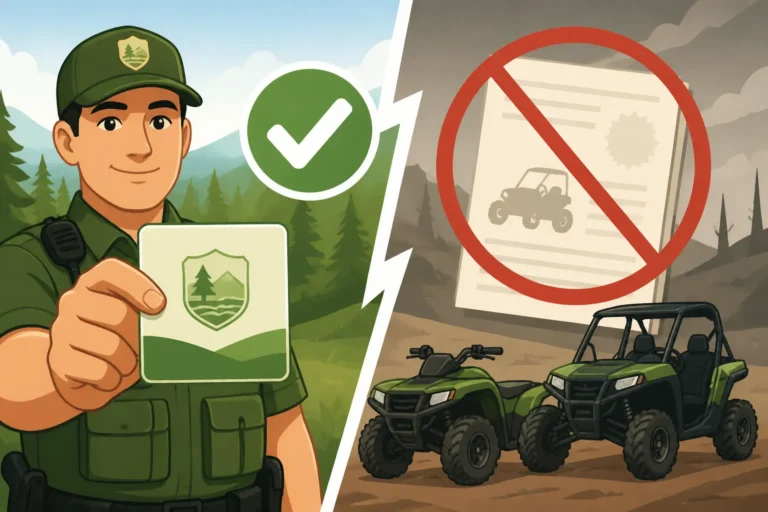
The registration card is a small, durable card that lists your name, address, and all the relevant information about your side-by-side (make, model, VIN, expiration date). It is absolutely essential that you carry this card with you whenever you are operating your side-by-side. Think of it like your driver's license for your OHV. An Environmental Police officer can and will ask to see it if you're stopped on a trail. Keeping it in a waterproof bag or a designated pocket on your riding gear is a good practice. [Massachusetts Registration Cards Carried on Board] is not just a suggestion, it's the law.
The decals are adhesive stickers that you must affix to your side-by-side. These decals typically show your registration number and the expiration date. Massachusetts has specific rules for where these decals must be placed on your machine to ensure they are clearly visible for enforcement officers. Generally, they need to be placed on both sides of the forward half of the machine. The expiration decal has its own specific spot, usually on the left side. Failing to display these decals correctly or having them obscured can lead to a citation. Make sure to review [Massachusetts Decal Placement Rules] to avoid any issues.
Costs, Fees, and What Your Registration Supports
It's natural to wonder what the financial commitment is when registering your side-by-side in Massachusetts. Beyond the initial purchase price, there are various fees associated with registration, and understanding these costs helps you budget effectively. More importantly, it's good to know where your hard-earned money goes and how it contributes to the overall OHV riding experience in the state.
Breaking Down the Resident and Non-Resident Fees
The core registration fee is the primary cost you'll encounter. As mentioned earlier, Massachusetts distinguishes between residents and non-residents, and this affects both the fee amount and the registration term.
For Massachusetts residents, the fee for registering a side-by-side is a flat rate that covers a two-year period. This cost is set to provide a longer validity period, making it convenient for local riders. This one fee covers your machine for two full years of riding on approved trails. The current fee for residents is designed to support the state's OHV program over that two-year term, offering significant value for consistent riders. If you're a Massachusetts resident, you'll be interested to know that [Massachusetts Charges $44 for Residents] for their two-year sticker.
Non-residents pay a slightly different fee for their registration, which grants them a one-year sticker. This cost reflects the shorter term but still allows access to Massachusetts's excellent trail systems. It’s an investment in your recreational opportunities while visiting the Bay State. [Massachusetts Charges $33 for Visitors] for their one-year sticker. It's important for non-residents to remember the shorter term and plan renewals accordingly if they intend to ride in Massachusetts regularly.
Other Potential Fees: Transfers, Duplicates, and Taxes
Beyond the initial registration fee, there are a few other potential costs you might encounter during your ownership of a side-by-side in Massachusetts. These aren't always applicable but are good to be aware of for budgeting and planning.
If you sell your registered side-by-side and buy a new one, or perhaps transfer the registration to a different machine you own, there's a transfer fee. This fee allows you to move the existing, unexpired registration from one OHV to another, saving you from paying a full new registration fee if you still have time left on your sticker. Similarly, if your registration card or decals are lost, stolen, or damaged beyond recognition, you'll need to apply for duplicates. There's a nominal fee for these replacements to cover administrative costs. For example, a [Massachusetts Duplicate Sticker at $5.50] is a small price to pay to avoid a citation.
And of course, we can't forget taxes. As discussed, if you buy a side-by-side, new or used, you will be responsible for the Massachusetts Sales Tax or Use Tax, usually 6.25% of the purchase price. This is a separate payment from the registration fee itself and is paid to the Department of Revenue, not the Environmental Police, though proof of payment is required for registration.
How Your Fees Contribute to Trail Development
It's always nice to know that the fees you pay for registration aren't just disappearing into a black hole. In Massachusetts, a significant portion of your OHV registration fees is directly earmarked for the state's Off-Highway Vehicle Trail Fund. This fund is absolutely vital for maintaining and expanding the limited, but cherished, trail systems available for side-by-sides, ATVs, and dirt bikes.
The money from the Trail Fund goes towards a variety of critical activities:
- Trail Maintenance: Repairing erosion, clearing fallen trees, improving signage, and ensuring trails remain safe and enjoyable.
- Land Acquisition: In some cases, funds can be used to purchase new land or easements to create additional riding opportunities.
- Infrastructure: Building and maintaining parking areas, staging areas, and other facilities necessary for OHV use.
- Enforcement and Education: Supporting the Environmental Police in their efforts to patrol trails, enforce laws, and educate riders on safe and responsible practices.
Essentially, by paying your registration fee, you're directly investing in the future of off-highway riding in Massachusetts. You are contributing to the very trails you and others will be enjoying. This commitment to the trail fund is why [Massachusetts Registration Fees Fund Trails] is so important to the riding community. A portion of your fee, specifically [Where 25 Percent of Your OHV Registration Fee Goes], directly supports these efforts, making every ride possible.
Maintaining Your Side-by-Side's Registration
Getting your side-by-side registered is a great accomplishment, but it's not a "set it and forget it" task. Proper maintenance of your registration, including timely renewals, correct decal placement, and carrying your documents, is crucial to staying legal on the trails. Neglecting these aspects can lead to fines and an unnecessary headache from an Environmental Police officer.
Renewal Procedures and Expiration Dates
The two-year (for residents) or one-year (for non-residents) registration term will eventually come to an end. It's your responsibility as the owner to ensure your registration is renewed before its expiration date. The expiration date is clearly printed on your registration card and on the decals affixed to your side-by-side. Marking your calendar or setting a reminder a month or two in advance is a smart move.
While the Environmental Police may send out renewal reminders, you should never rely solely on receiving one. Life gets busy, mail gets lost, and sometimes the system simply misses a notification. The easiest way to renew is often through the [Massachusetts Online Registration System]. This process typically involves verifying your machine's information, confirming your address, and paying the applicable fee. If you've moved, remember to update your address with the Environmental Police, as this impacts where your new sticker will be mailed. Renewing your sticker well before the season officially opens, typically in May, is a good practice so you’re ready to ride on day one.
Proper Decal Placement and Card Carriage
Once you receive your new decals after registration or renewal, applying them correctly is paramount. Massachusetts law specifies how and where these decals must be displayed to ensure they are visible and legible to enforcement officers. It's not just about slapping them on wherever there's space.
Generally, the registration decals, which include your unique registration number, must be affixed to both sides of the forward half of your side-by-side. They should be clean, unobstructed, and legible. The separate small decal indicating the expiration year needs to be placed on the left side of your machine, usually near the main registration decal or in a designated spot. The specific placement can vary slightly depending on the exact design of your side-by-side, but the core principle is visibility. [Massachusetts Decal Placement Rules] are there for a reason, so follow them closely.
Equally important is carrying your physical registration card. As mentioned, this card is your proof that the machine is legally registered. It must be carried on your person or within the side-by-side itself whenever it is being operated. This means it needs to be easily accessible if an Environmental Police officer asks to see it. Many riders keep it in a small, waterproof pouch in a jacket pocket, a storage compartment on the UTV, or a wallet. Just make sure it's protected from the elements and won't fall out on a bumpy ride.
Common Pitfalls and How to Avoid Them
Even with the best intentions, riders can sometimes run into issues with their side-by-side registration. Being aware of these common pitfalls can help you avoid them.
One frequent mistake is riding with an expired registration. It's easy to forget the renewal date, especially if you don't ride year-round, but an expired sticker is a ticketable offense. Set those reminders! Another pitfall is improper decal placement or having obscured decals. If a sticker is peeling, faded, or covered in mud, an officer might consider it improperly displayed. Take the time to apply them neatly to a clean surface and periodically check their condition.
Not carrying your registration card is another common issue. Some riders leave it at home, assuming their decals are enough. They are not. You need the physical card. Also, incorrect information on the application can cause significant delays. Double-check VINs, names, and addresses. Finally, some non-residents mistakenly believe their home-state OHV registration is valid in Massachusetts. It is not. [Out-of-State OHV Stickers Are Not Valid in Massachusetts]; you must obtain a Massachusetts non-resident registration to legally ride here. Being proactive and meticulous with your paperwork will save you a lot of trouble on the trails.
Beyond Registration: What Comes Next for Your Side-by-Side
Getting your side-by-side registered is a huge step, but it's just the beginning of your journey as a responsible OHV owner in Massachusetts. To truly enjoy your machine and avoid any legal troubles, you need to be well-versed in the state's riding laws, understand where you can legally operate, and equip yourself for safety. Registration gets you on the list, but these next steps keep you safe and legal on the trails.
Understanding Massachusetts Riding Laws and Requirements
Massachusetts has some of the strictest OHV laws in the country, particularly regarding age limits and supervision. These laws are in place to protect riders and other trail users, and ignorance of them is no excuse for a violation. It’s absolutely essential to familiarize yourself with Chapter 90B of the Massachusetts General Laws, which governs OHVs.
Key aspects of Massachusetts OHV law to understand include:
- Age Restrictions: There are strict rules about who can operate a side-by-side and under what conditions. For example, riders under 14 are generally prohibited from operating OHVs on public or private land unless it's a sanctioned event and specific conditions are met. Riders between 14 and 16 have engine size limitations and supervision requirements.
- Helmet Law: Every single person, regardless of age, operating or riding as a passenger on a side-by-side in Massachusetts must wear a helmet that meets U.S. DOT standards. No exceptions. This is one of the [Massachusetts ATV Helmet Law] provisions that applies to all OHV types.
- Supervision: For younger riders, strict adult supervision rules apply, often requiring the adult to be within continuous visual and verbal contact.
- Safety Course: Riders under 18 years old are typically required to complete an approved OHV safety course and carry their certificate when riding on public land. Even for adults, a safety course is highly recommended.
These laws are not minor suggestions; Environmental Police officers actively enforce them. Being caught in violation can result in significant fines, and repeated offenses can even lead to your registration being suspended. Taking the time to understand them protects both you and others.
Where You Can Legally Ride Your Side-by-Side
One of the most common questions for new side-by-side owners is, "Where can I actually ride this thing?" It’s a critical question because Massachusetts has very specific rules about legal riding areas. You cannot simply ride your side-by-side anywhere you please, and riding illegally can lead to hefty fines, machine confiscation, and even criminal charges for trespassing.
In Massachusetts, side-by-sides are primarily restricted to designated OHV trails within state forests and parks. Currently, the vast majority of official OHV trails are located in the western part of the state, particularly in the Berkshire Mountains. State forests like October Mountain, Beartown, and Pittsfield offer miles of trails suitable for side-by-sides. These trails are usually open seasonally, typically from May 1st to November 30th, though conditions can sometimes alter these dates. It’s always a good idea to check with the specific state forest or the DCR website before heading out. For example, you can ride [October Mountain State Forest Riding in Massachusetts].
Private land is another option, but only with explicit written permission from the landowner. Just because land looks unposted or abandoned doesn't mean you can ride on it. Trespassing is a serious offense. You also cannot ride on public roads, highways, municipal sidewalks, or most conservation lands unless specifically designated for OHV use. There is [Massachusetts Bans Riding on Public Ways], with very limited exceptions for direct road crossings. Knowing [Massachusetts Rules for Riding Private Land] and [Massachusetts Rules for Crossing a Road] is vital.
Essential Safety Gear and Training
Beyond the legal requirements, equipping yourself with the right safety gear and investing in proper training is paramount for enjoying your side-by-side safely. OHV riding is an exciting sport, but it carries inherent risks that can be mitigated with preparation.
Essential Safety Gear:
- Helmet: As mandated by law, a DOT-approved helmet is non-negotiable for all riders and passengers.
- Eye Protection: Goggles or a full-face helmet shield are essential to protect your eyes from dust, debris, and insects.
- Gloves: Protect your hands from impacts, blisters, and provide a better grip.
- Long Sleeves and Pants: Even on warm days, long sleeves and durable pants (like jeans or riding pants) offer protection against scrapes, brush, and sun exposure.
- Over-the-Ankle Boots: Sturdy boots protect your feet and ankles, offering support and preventing injuries.
- Optional Body Armor: Chest protectors, knee pads, and elbow pads can provide additional protection, especially for more aggressive riding.
Training:
Even if you're an experienced driver, handling a side-by-side off-road is a unique skill set. An OHV safety course, like those offered through the Massachusetts Environmental Police or certified organizations, can teach you crucial techniques for navigating different terrains, managing inclines and declines, emergency braking, and understanding your machine's capabilities. For riders under 18, it's often a legal requirement, but for adults, it's a smart investment in your safety and enjoyment. Taking a course can greatly enhance your confidence and reduce the risk of accidents.
Disclaimer
This article is for general informational purposes only and does not constitute professional advice. Laws, prices and regulations vary by location and change over time. Consult a qualified professional for guidance on your specific situation.