Massachusetts Registration Fees Fund Trails
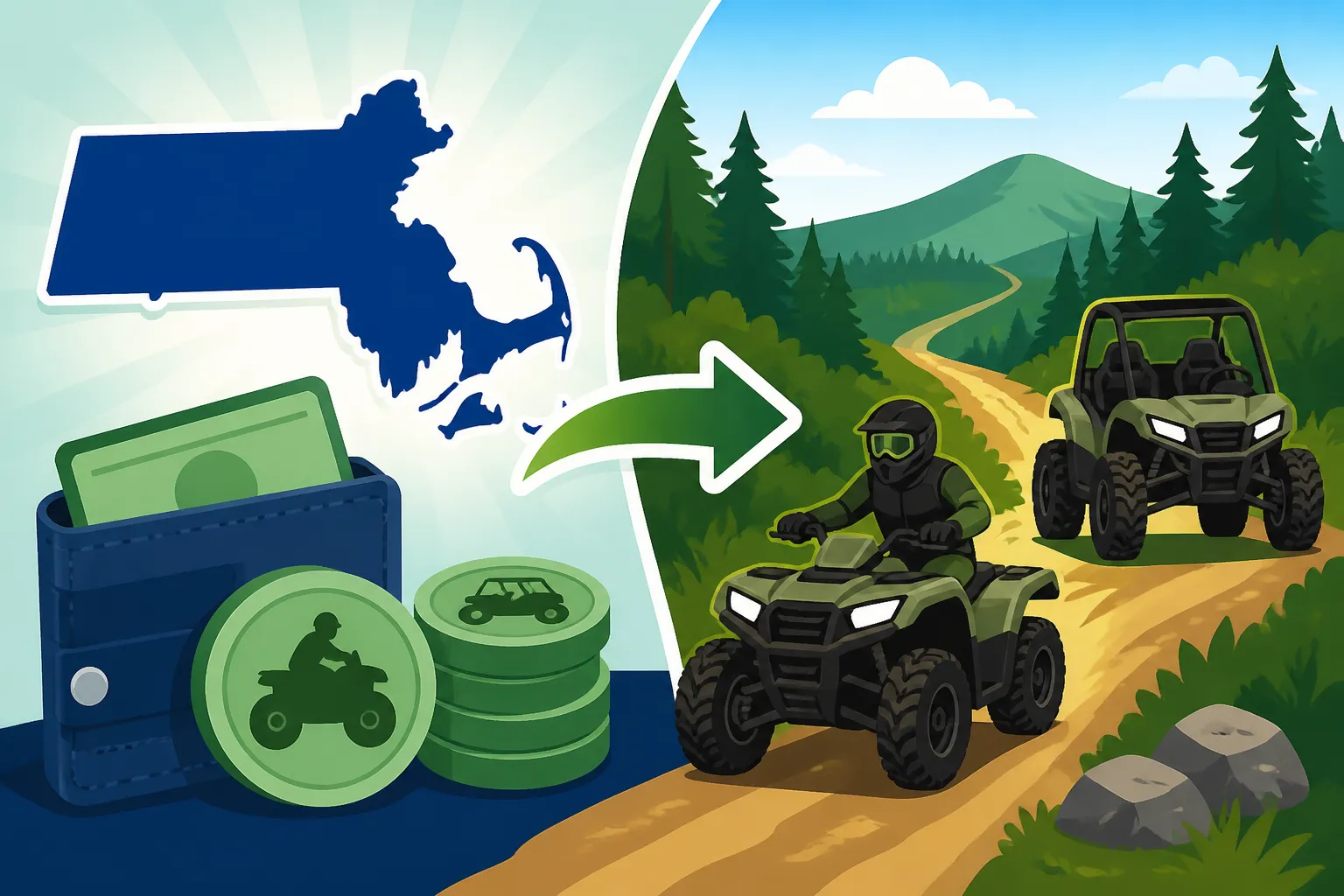
It’s easy to feel like you’re just handing over money when you register your ATV or UTV in Massachusetts. You might wonder if it’s just another fee, another bureaucratic hurdle, and whether those dollars actually go anywhere useful. But the truth is, the fees you pay to register your off-highway vehicle (OHV) in the Bay State are specifically earmarked to maintain and expand the very trails you love to ride, directly impacting the quality and availability of public riding lands. This guide will walk you through exactly how your registration fees fuel the Massachusetts OHV Trail Fund and contribute to the vibrant riding community.
Understanding the Massachusetts OHV Registration System
Navigating the world of vehicle registration can feel like a maze, and when it comes to off-highway vehicles in Massachusetts, it has its own distinct path. Unlike cars and trucks, your ATV or UTV isn't handled by the Registry of Motor Vehicles (RMV). This distinction is important, and it ties directly into how your registration fees are utilized.
Who Manages OHV Registration in Massachusetts?
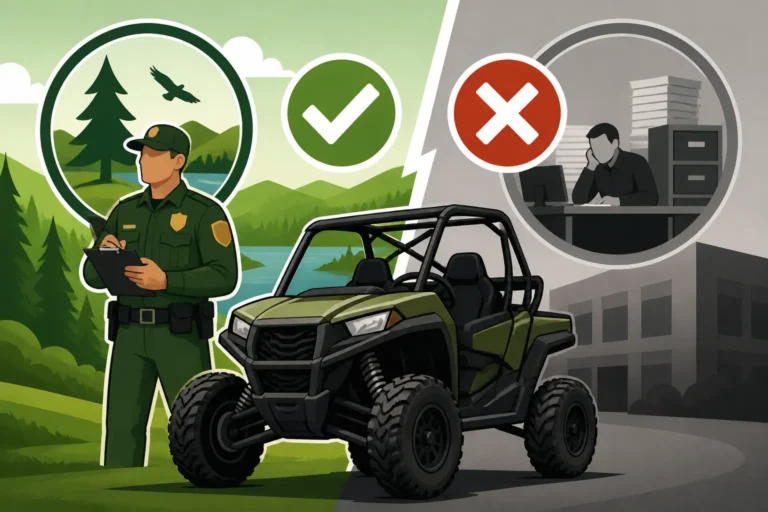
Here in Massachusetts, the Environmental Police are the dedicated agency responsible for the registration of ATVs, UTVs, and snowmobiles. This might seem a little unusual at first glance if you're used to everything with an engine going through the RMV. However, it makes a lot of sense when you consider the nature of these machines. OHVs are primarily used for recreation in natural environments—state forests, conservation lands, and dedicated trail systems. The Environmental Police are already deeply involved in protecting these natural resources, enforcing outdoor recreation laws, and promoting safe enjoyment of the wilderness. Their direct involvement ensures that OHV registration is managed by an agency that understands the unique needs and challenges of off-road riding. They are the folks out on the trails, checking registrations, and they understand firsthand the importance of well-maintained riding areas. It’s a specialized role for a specialized type of vehicle, ensuring dedicated oversight that benefits the riding community directly. You can learn more about this by checking out [Why the Environmental Police Register ATVs, Not the RMV].
What the Registration Fee Covers Beyond the Sticker
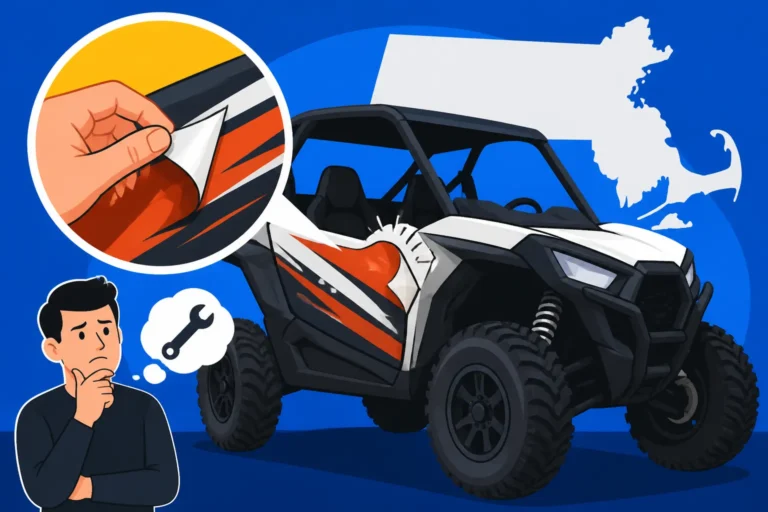
When you pay your registration fee, you're not just buying a decal to stick on your machine. That sticker, while essential for legal riding, is just the visible tip of the iceberg. The fee covers the administrative costs of processing your registration, maintaining the records, and providing you with the necessary documentation like your [Massachusetts Issues Decals and a Card]. But far beyond that, a significant portion of what you pay is funneled into a vital resource: the Massachusetts OHV Trail Fund. This fund is the lifeblood of our state's OHV trail system, providing the financial muscle needed to ensure there are places for you to ride. It transforms your annual or biennial payment from a simple permit into a direct investment in the future of off-road recreation in Massachusetts. Thinking of it this way can shift your perspective from merely complying with a rule to actively contributing to the very trails you enjoy. The fee is a small but crucial piece of a much larger puzzle, dedicated to preserving and enhancing your riding experience.
The OHV Trail Fund: Your Fees at Work
It’s completely natural to wonder where your hard-earned money goes after you hand it over for something like an OHV registration. In Massachusetts, we’re fortunate to have a transparent system that ensures a significant portion of those fees circle back directly to the riding community through the OHV Trail Fund. This isn't just some abstract government account; it's a dedicated resource specifically designed to support the very infrastructure that makes off-road riding possible in the state.
How Registration Fees Are Allocated
The Massachusetts OHV Trail Fund is a special fund established to receive revenue generated from OHV registrations. While I can't give you current percentages or specific financial figures, the core principle is that a substantial portion of every registration fee, whether for an ATV, UTV, or snowmobile, is directed into this fund. This means that when you pay for your [Massachusetts Two-Year OHV Registration] or a [Massachusetts Non-Resident OHV Registration], a significant chunk of that payment isn't just disappearing into the general state budget. Instead, it's earmarked for direct use within the OHV community. This direct allocation is a powerful mechanism because it ensures that the people who use the trails are the ones funding their preservation and growth. It's a closed-loop system designed to benefit riders, demonstrating a commitment from the state to support safe and accessible off-highway recreation. This is truly the essence of [The OHV Trail Fund Your Sticker Pays Into].
The Purpose and Goals of the Fund
So, what exactly does this fund do? Its purpose is multifaceted, but it boils down to one core mission: to improve and expand OHV riding opportunities across Massachusetts. This involves several critical goals. First and foremost is trail maintenance. Anyone who rides knows that trails don’t just stay in pristine condition on their own. They face erosion, downed trees, washouts, and general wear and tear from weather and use. The fund provides the financial resources to address these issues, keeping existing trails safe, rideable, and enjoyable.
Beyond maintenance, another crucial goal is the acquisition and development of new riding areas. Land access is a constant challenge for OHV enthusiasts, and the fund plays a vital role in enabling the state to purchase, lease, or secure easements on land that can be developed into new trails or staging areas. This is where growth happens, offering new adventures and relieving pressure on existing popular spots. The fund also supports administrative costs directly related to OHV recreation, such as safety programs, educational initiatives, and even enforcement efforts that ensure responsible riding, which ultimately protects our access to these lands. By funding these activities, the OHV Trail Fund isn't just maintaining what we have; it's actively working to secure and enhance the future of OHV riding in Massachusetts for generations to come.
Making the Trails Better: Specific Fund Uses
When you see a smooth, well-marked trail or a newly cleared section in a state forest, there's a good chance your registration dollars played a part. The Massachusetts OHV Trail Fund isn't just a savings account; it's an active investment tool that directly funds tangible improvements to our riding infrastructure. This is where the rubber meets the trail, literally.
Trail Maintenance and Repair
Maintaining an extensive network of off-road trails is a monumental task, especially in a state like Massachusetts with its varied terrain and weather. The OHV Trail Fund is consistently tapped for routine maintenance and necessary repairs that keep our trails rideable and safe. This includes everything from clearing fallen trees after a strong winter storm – a common occurrence that can quickly render a trail impassable – to repairing washed-out sections caused by heavy rains. Erosion control is another huge component, involving grading, adding culverts, or even building small bridges over wet areas to prevent further damage and ensure accessibility.
Think about the detailed work that goes into this: repairing boardwalks, replacing signage that directs riders and marks difficult sections, and even removing illegal obstacles that can pose serious hazards. These are not glamorous tasks, but they are absolutely essential for a positive and safe riding experience. Without this consistent funding, trails would quickly degrade, become dangerous, or even be permanently closed. So, every time you encounter a clear path, proper trail markers, or a sturdy bridge spanning a brook, remember that your registration fee is directly contributing to that effort, often executed by dedicated state employees and volunteer groups. This commitment helps ensure that you can enjoy your ride without unexpected hazards. For more on who helps, check out [Local Clubs That Clear Blowdowns After a Storm].
Acquiring and Developing New Riding Areas
One of the biggest challenges for the OHV community across the country is finding new places to ride. As populations grow and land use changes, securing dedicated areas for off-road recreation becomes increasingly difficult. This is another critical area where the Massachusetts OHV Trail Fund makes a profound impact. A portion of the fund is strategically used for the acquisition and development of new riding areas. This might involve purchasing parcels of land from willing sellers, negotiating long-term leases, or establishing agreements with private landowners or municipalities to open up designated trails.
Developing these new areas isn't just about drawing lines on a map. It includes necessary infrastructure development, such as creating safe and adequate parking lots for trucks and trailers, establishing staging areas where riders can unload and prepare their machines, and ensuring proper access points. Sometimes, it also involves environmental impact studies or permitting processes to ensure that new trails are sustainable and don't harm sensitive ecosystems. While new trails don't pop up overnight, the fund provides the financial backbone for these long-term efforts, aiming to expand the overall mileage and diversity of riding opportunities available to residents and visitors. It's truly about [How OHV Sticker Money Buys New Riding Land] and broadening your horizons for future adventures.
Supporting Volunteer Clubs and Initiatives
Massachusetts is home to many passionate OHV clubs and volunteer groups. These dedicated individuals and organizations often work tirelessly, putting in countless hours to maintain trails, educate riders, and advocate for responsible recreation. The OHV Trail Fund often serves as a vital resource for these groups, providing financial assistance in the form of grants or direct support for their initiatives. This could mean funding for tools and equipment needed for trail work, covering costs for educational materials, or assisting with expenses for organized clean-up days.
The partnership between the state and these volunteer organizations is incredibly valuable. They act as the eyes and ears on the ground, often identifying maintenance needs and mobilizing local efforts far more quickly than state agencies could alone. By supporting these clubs, the fund amplifies the impact of rider contributions, allowing for more efficient and localized trail care. It recognizes that the riding community itself is a crucial stakeholder in the success of our trail system. Joining one of these organizations is a fantastic way to give back and ensure your voice is heard, and knowing that your registration fees help support their efforts can be a great motivator. Consider getting involved with [Massachusetts ATV Clubs Worth Joining] or learning more about the collaborative efforts like [How the Berkshire Trails Council Works With Rangers].
What Your Specific Registration Fee Contributes
When you open your wallet to register your ATV or UTV, you might just see a single number, but that number is a direct link to the health of our state's OHV trail system. Whether you're a long-time resident or just visiting to enjoy our beautiful forests, your contribution is integral. Let’s break down how different registration fees play their part.
Resident Fees and Their Impact
For residents of Massachusetts, the OHV registration typically covers a two-year term, providing a consistent and stable stream of funding for the trail system. This longer term allows for better long-range planning for trail maintenance and development projects, as the fund can count on these contributions over a more extended period. When you pay the resident fee, a substantial portion is directly deposited into the OHV Trail Fund. This continuous flow of revenue from thousands of Massachusetts riders collectively builds up the capital needed for significant projects, like major bridge repairs, the acquisition of new public access points, or extensive re-routing of trails to mitigate environmental impact.
It’s an investment in your own backyard, ensuring that the state forests and trail systems remain open, safe, and enjoyable for you and your family to explore year after year. Every resident who registers helps secure the longevity and quality of our local riding spots. For specific details on the cost, refer to [Massachusetts Charges $44 for Residents] and [Two-Year OHV Sticker for Massachusetts Residents Explained].
Non-Resident Fees and Their Contribution
Massachusetts welcomes riders from out of state to enjoy our diverse terrain, from the rolling hills of the Berkshires to the sandy paths of the Cape. For our visiting OHV enthusiasts, a one-year non-resident registration is required. While the term is shorter, the impact of these fees is no less important. Just like resident fees, a significant portion of non-resident registration payments goes directly into the OHV Trail Fund. This ensures that those who benefit from using Massachusetts trails, regardless of their home state, also contribute to their upkeep.
It’s a fair system: if you ride here, you help maintain here. These contributions from visitors supplement the resident funds, adding to the overall pool of money available for trail improvements. This is particularly crucial for maintaining popular destinations that might see increased wear and tear from a higher volume of riders, both local and visiting. So, when you pay your [Massachusetts Charges $33 for Visitors] fee, you’re playing a direct role in preserving the trails that drew you here in the first place, ensuring they remain an attractive destination for future visits. More on this can be found in [Why a Non-Resident OHV Sticker Costs $33].
Other Fees that Feed the Fund (Transfers, Duplicates)
It’s not just the initial registration that contributes to the OHV Trail Fund. Even smaller, less frequent fees also play a role in bolstering this vital resource. For example, if you sell a machine and buy another, you’ll typically pay a transfer fee to move your registration to your new OHV. This [Massachusetts Transfer Fee of $16.50] also feeds into the fund. Similarly, if you happen to lose your registration decal or card, the fee for obtaining a duplicate sticker or card – a nominal [Massachusetts Duplicate Sticker at $5.50] – will also contribute to the overall fund.
While these individual amounts may seem small, collectively they add up. Every dollar, whether from a full registration or a small administrative fee, goes towards the overarching goal of maintaining and improving our OHV trail system. It highlights the comprehensive nature of the funding model, demonstrating that all interactions with the registration system are designed to support the recreational opportunities it enables.
Here's a quick overview of how different fees contribute to the Massachusetts OHV Trail Fund:
| Fee Type | Term (Typical) | Contribution to OHV Trail Fund | General Purpose |
|---|---|---|---|
| Resident OHV Registration | Two Years | Significant Portion | Trail maintenance, acquisition, development |
| Non-Resident OHV Registration | One Year | Significant Portion | Trail maintenance, acquisition, development |
| Transfer Fee | N/A | Smaller Portion | Administrative costs, contributes to fund |
| Duplicate Sticker/Card Fee | N/A | Smaller Portion | Administrative costs, contributes to fund |
The Bigger Picture: Sustaining OHV Recreation
Being an OHV rider in Massachusetts is about more than just owning a machine and hitting the trails. It's about being part of a community and contributing to the longevity of a sport that faces its own unique challenges. The existence and health of the OHV Trail Fund are deeply intertwined with the future of off-road recreation in our state.
Why Dedicated Funding is Crucial for OHV Access
In many states, OHV trails are constantly under threat due to land development, environmental concerns, and sometimes, negative public perception. Without a dedicated funding source like the Massachusetts OHV Trail Fund, the ability to maintain existing trails, let alone acquire new ones, would be severely hampered. Imagine trails becoming overgrown, bridges failing, or access points closing due to lack of resources. This scenario is a reality in places where OHV recreation isn't supported by its own funding mechanism.
Dedicated funding demonstrates that the OHV community is self-sustaining and responsible. It shows lawmakers, land managers, and the general public that riders are willing to invest in their sport. This financial commitment allows for proactive management of trails, addressing environmental concerns, and ensuring that OHV use is managed in a sustainable way. Without this independent funding, OHV access would be reliant on general state budgets, which are often stretched thin and subject to political whims, making it much harder to secure stable and consistent support. This fund is not just about money; it's about securing a future for OHV riding.
The Role of Riders in Advocating for Trails
While the OHV Trail Fund provides essential financial backing, money alone isn't enough. The active participation and advocacy of individual riders and OHV clubs are absolutely vital for sustaining and growing trail access in Massachusetts. When you register your machine, you're doing your part financially, but there are many other ways to contribute. This means being a responsible rider: staying on marked trails, respecting private property, keeping noise levels down, and packing out everything you pack in. These actions directly address common criticisms against OHV use and help maintain a positive image for the sport.
Beyond responsible riding, consider joining a local OHV club. These organizations are often at the forefront of trail maintenance efforts, working directly with state agencies to clear trails and report issues. They also serve as powerful voices in advocating for rider interests at local and state levels. Attending public meetings, writing letters to elected officials, and participating in trail volunteer days are all incredibly impactful ways to contribute. Think of it as investing your time and voice, just as you invest your money through registration. The more engaged and proactive the riding community is, the stronger our collective ability to preserve and expand access to our beloved trails. Check out [Massachusetts Trail Volunteer Days] to see how you can help.
Practical Aspects of Registration and Trail Access
Understanding how your fees benefit the trails is one thing, but knowing the practical steps to register your machine and then access those trails is equally important. Getting your paperwork in order is the first crucial step to legally enjoying Massachusetts's off-road offerings.
Registering Your Machine and What You Need
Registering your ATV or UTV with the Massachusetts Environmental Police requires a few key pieces of documentation. For a brand-new machine, you'll need the Manufacturer's Certificate of Origin (MCO). This is essentially the birth certificate of your OHV. If you're buying a used machine through a private sale, a clear and comprehensive bill of sale is essential. This document should detail the buyer, seller, machine information (including the VIN), purchase price, and date of sale. The Environmental Police will also require your identification and proof of residency.
Make sure all your forms are filled out accurately to avoid delays. If you're trying to create a robust bill of sale or other necessary legal documents for buying or selling a used machine, platforms like LawDepot can be incredibly helpful for providing templates that ensure you include all the required information. Having all your ducks in a row before you head to the Environmental Police office or submit your application online will make the process much smoother. For a complete overview, be sure to review the [Massachusetts Registration Paperwork Checklist], and specifically, pay attention to [Massachusetts Requires a Bill of Sale for a Used One] and [Massachusetts Requires an MCO for a New Machine].
Accessing Massachusetts Trails
Once your OHV is properly registered and you have your decals affixed according to [Massachusetts Decal Placement Rules], you're ready to hit the trails! However, registration is just one part of the equation for legal trail access. Most public OHV trails in Massachusetts are located within state forests and are managed by the Department of Conservation and Recreation (DCR). It's crucial to understand that not all DCR lands permit OHV use, so always check ahead.
Massachusetts has a designated riding season, typically from May to November, to protect trails during vulnerable periods like mud season and to manage wildlife. You'll need to know which state forests permit OHV riding, such as the popular [Massachusetts ATV Trails: Three Berkshire Forests]. Always familiarize yourself with specific trail rules for each area, which often include speed limits, restrictions on engine size for younger riders, and etiquette guidelines. Remember, your registration helps maintain these very trails, so treating them with respect and following all regulations is key to ensuring continued access for everyone. Be sure to check [Massachusetts DCR Riding Season] and learn about [Massachusetts Trail Etiquette Locals Expect] before your first ride.
Disclaimer
This article is for general informational purposes only and does not constitute professional advice. Laws, prices and regulations vary by location and change over time. Consult a qualified professional for guidance on your specific situation.